Foundation
Urban Rewilding Studio
Designing for a more-than-human city.
Urban Rewilding asked students to reconsider who design serves. As urban development expands and habitat contracts, the studio treated design as a means of negotiating between human occupation and the needs of other species.
Students began by researching candidate species, their ecological roles, vulnerabilities, and perceptual worlds. They then formed interdisciplinary groups, analyzed residential sites, and developed integrated proposals combining landscape architecture with environmental product design. Planting, drainage, ecological connectivity, nesting structures, pollinator habitat, and species-specific infrastructure were designed as parts of one living system.
Course Structure
Four Phases
+Species Evaluation and Empathy | Individual research established ecological needs and challenged students to think beyond human-centered assumptions.
+Umwelt and Interrelations | Students represented how selected species experience scale, space, threat, and opportunity.
+Site Analysis and Site Model | Groups mapped habitat conditions, barriers, overlaps, drainage, vegetation, and human use.
+Final Rewilding Design | Integrated proposals combined landscape strategies, full-scale product prototypes, fabrication information, and a shared physical site model.
Studio Framing
Design for a More-Than-Human City
Urban Rewilding grew from a question that I believe design education needs to ask more often: who, beyond ourselves, is affected by the environments and objects we make? The course asked students early in their education to treat non-human species as legitimate design constituents, researching how another organism perceives its environment and letting those findings shape decisions about form, material, placement, planting, water, and maintenance.
I was particularly interested in bringing landscape architecture and environmental product design together. The strongest proposals move easily between systems and objects: a rain garden connects to mosquito control, mosquito control connects to bat and snake habitat, a nesting structure connects to planting, seasonal food, predators, and the daily life of a household.
This was a new and ambitious eight-week curriculum, and the first offering taught me a great deal about pacing; in a future version I would establish the final project framework earlier and allow research and design development to overlap rather than treating them as separate phases. What I would preserve is the intellectual shift visible in the work: students designed for animals they might normally overlook, fear, or treat as nuisances, and the final projects suggest that ecological literacy can expand design imagination rather than constrain it.
Group Proposal 01
Backyard Species Network
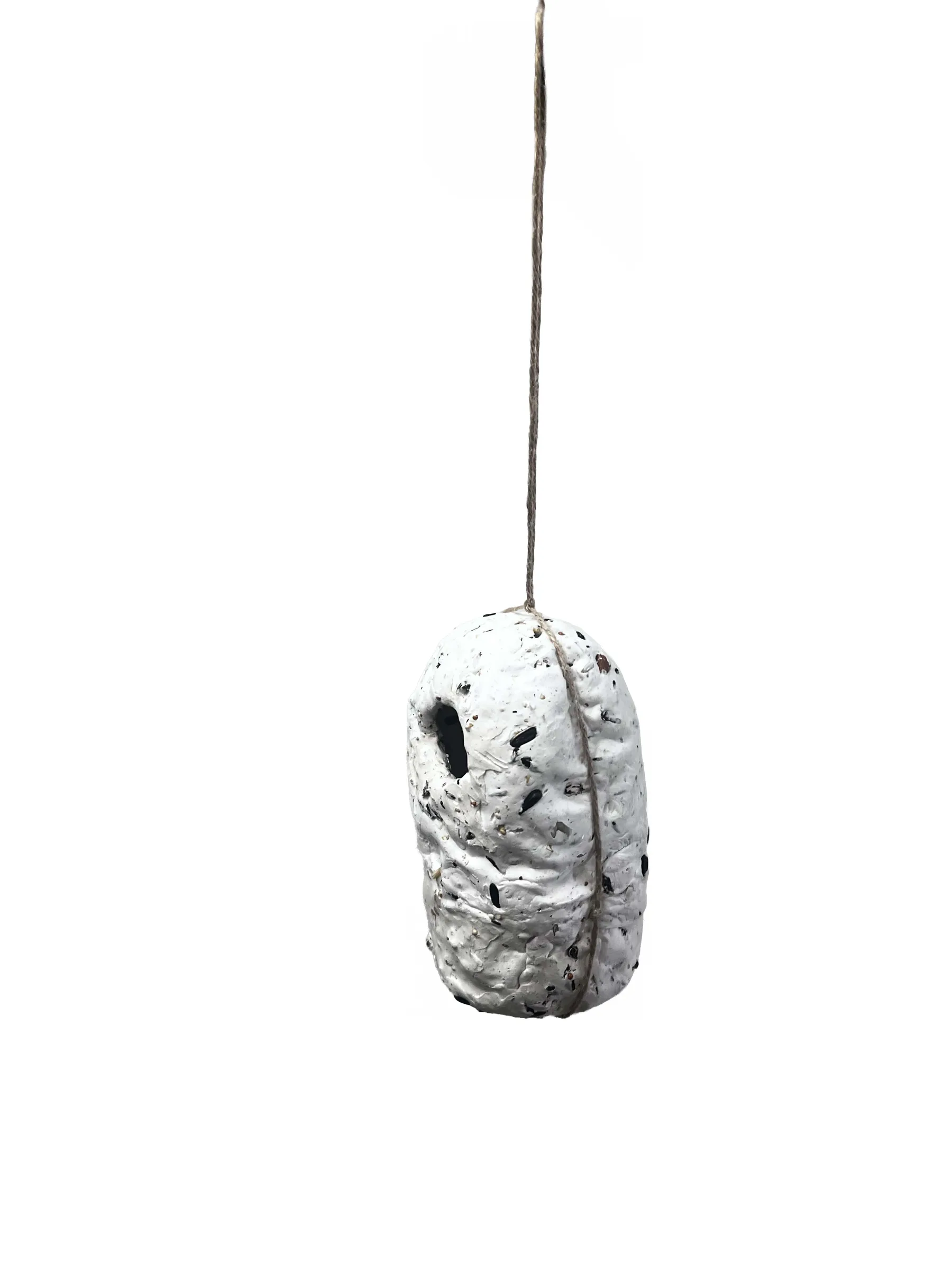
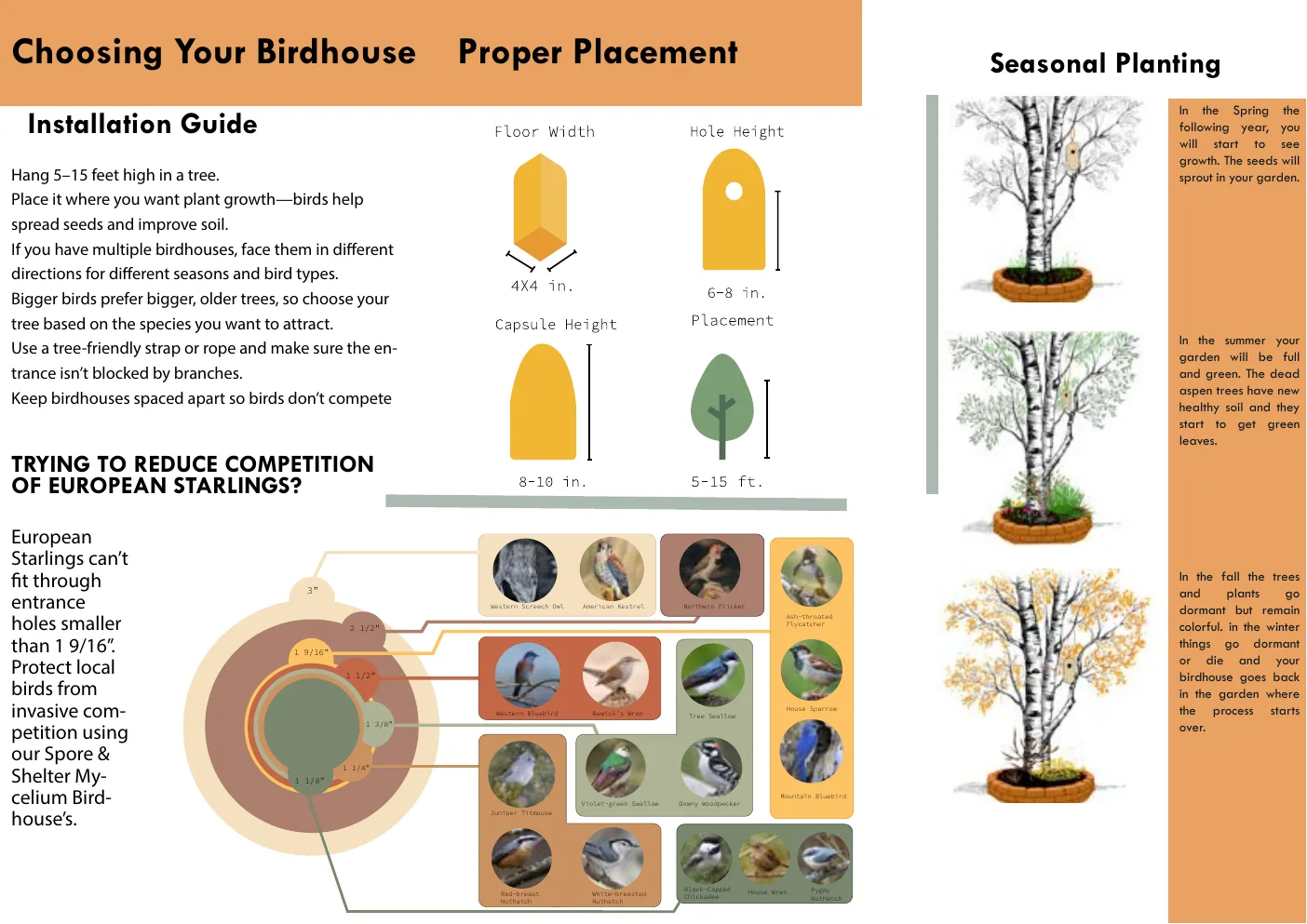
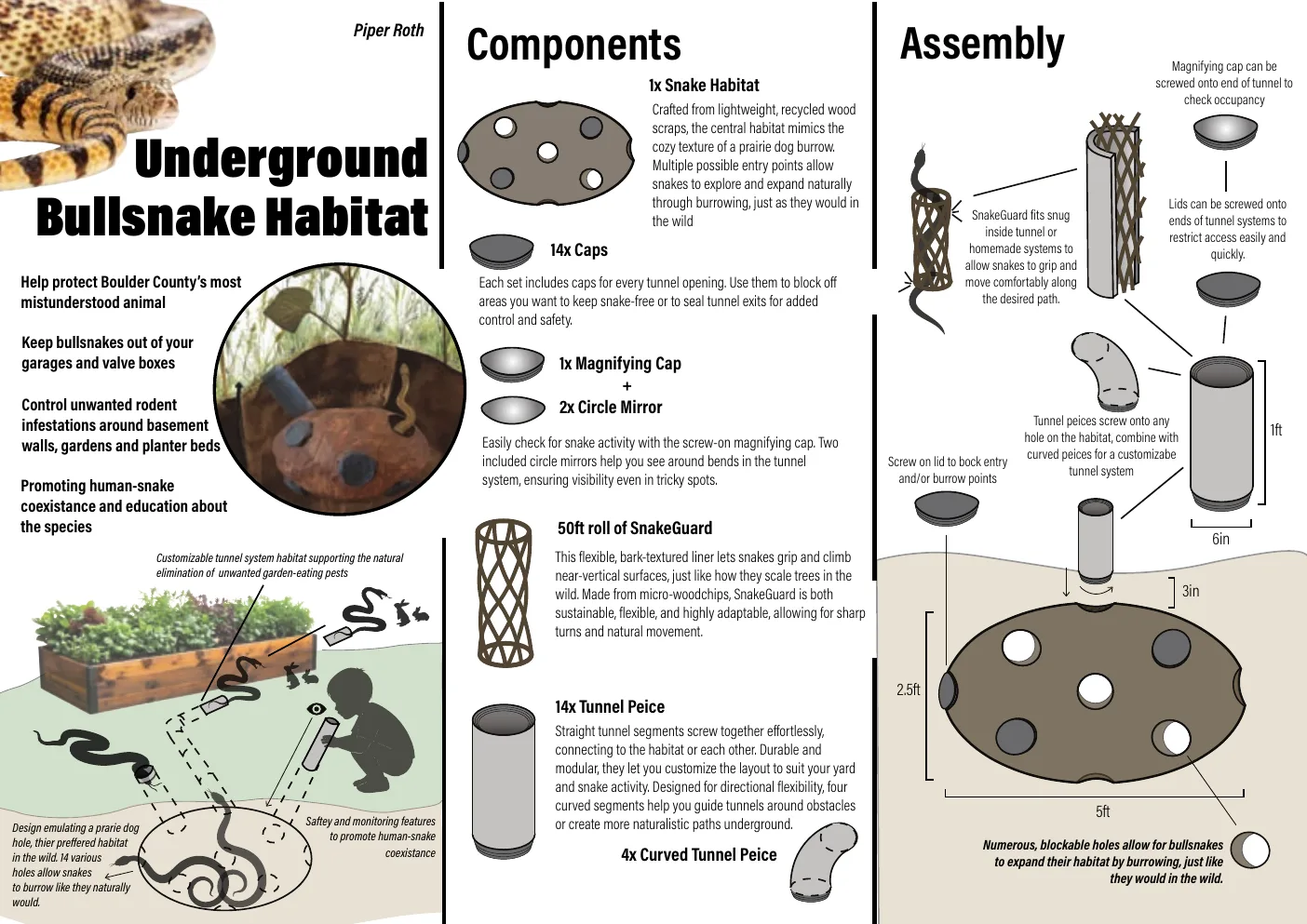
A residential landscape becomes a negotiated habitat for native plants, birds, snakes, pollinators, and a domestic cat. The proposal links planting and product interventions rather than treating them as separate additions: a cat oasis channels play and hunting behavior within a controlled space, mycelium birdhouses support nesting while introducing a biodegradable material cycle, and an underground bullsnake refuge makes coexistence with an often-misunderstood species more legible.
Scroll for more → click any image to view full size
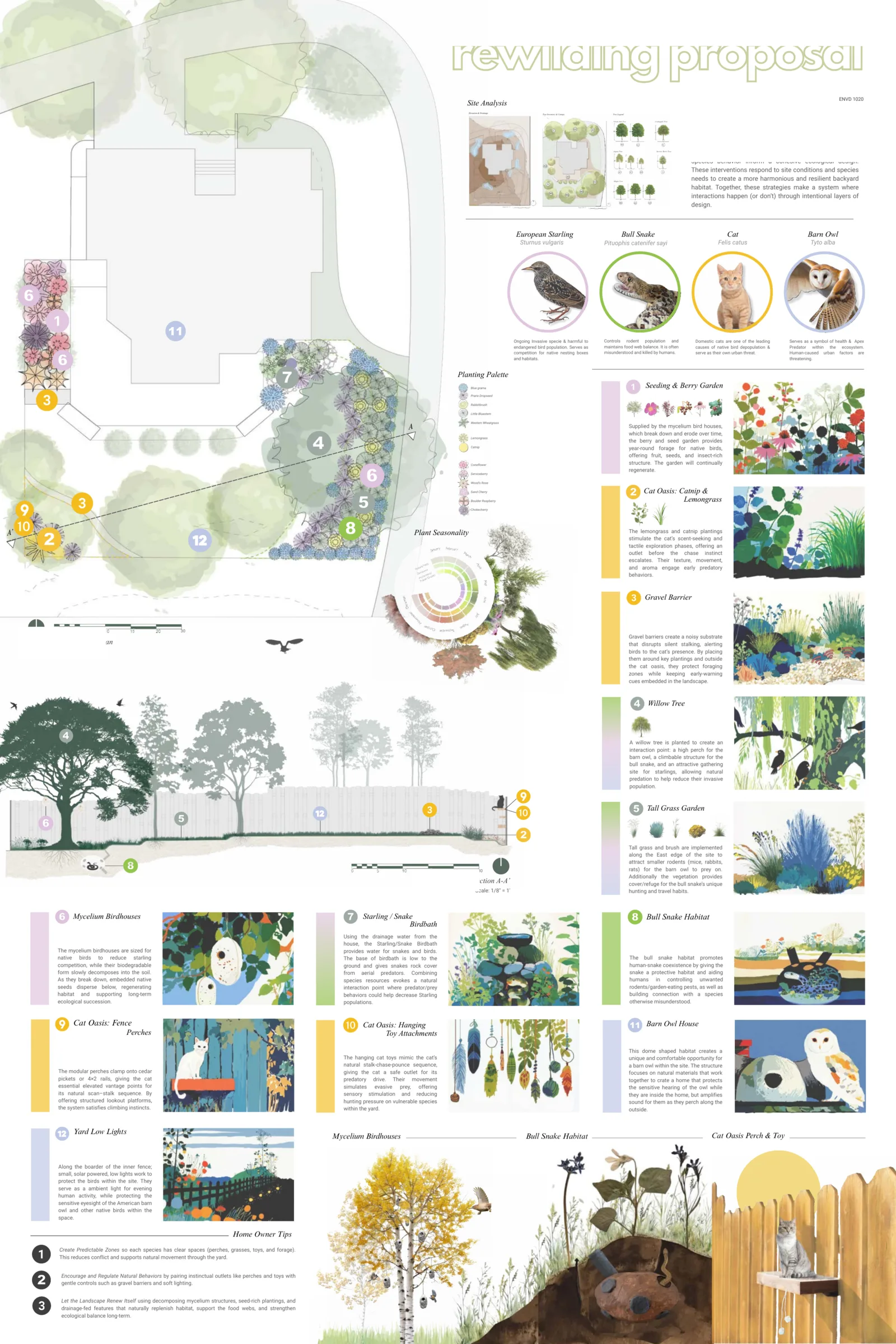
Integrated rewilding proposal
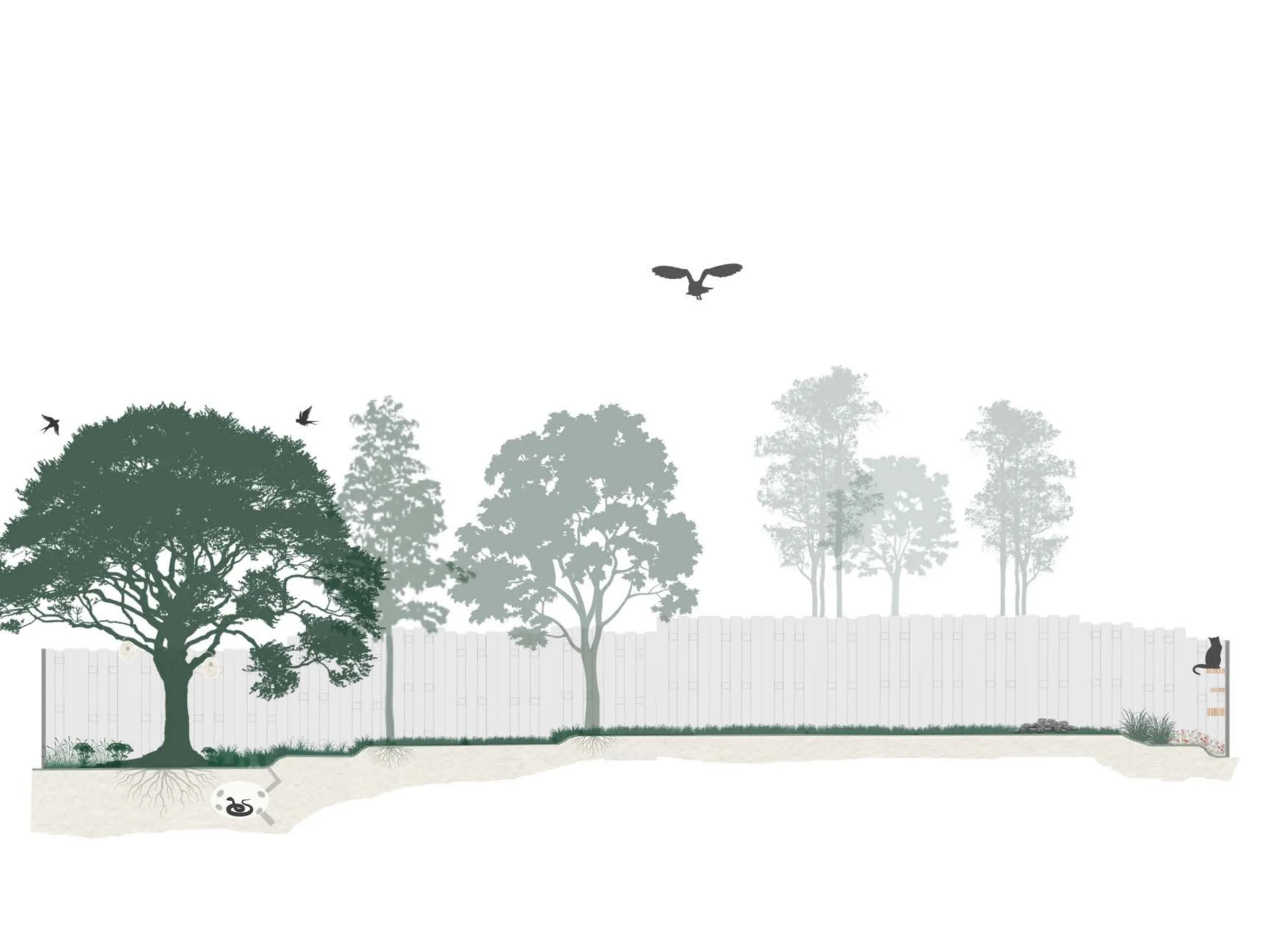
Site section and habitat layers
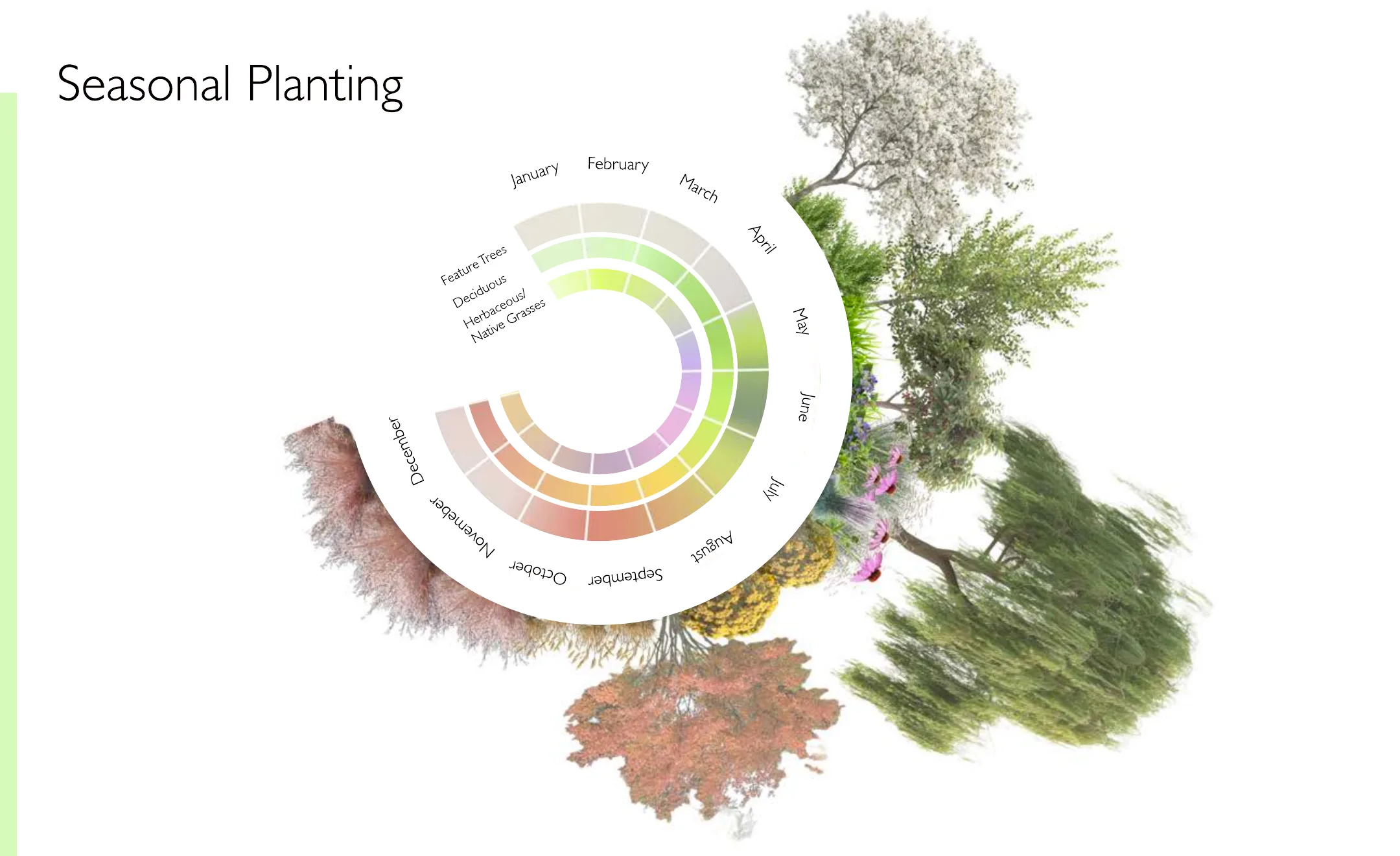
Seasonal planting strategy
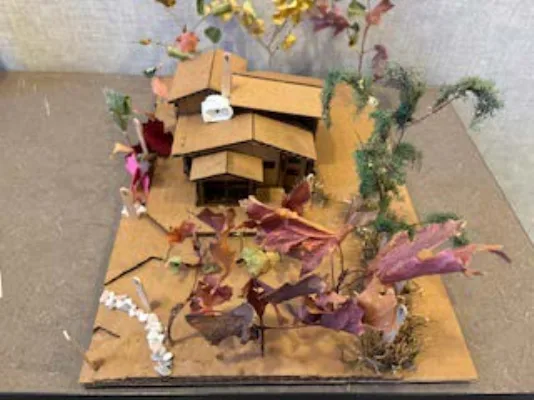
Physical site model
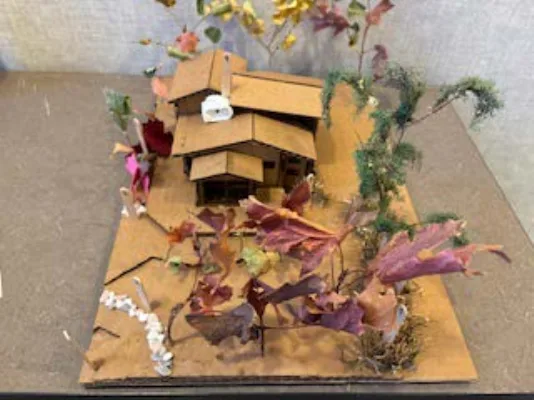
Site model habitat detail
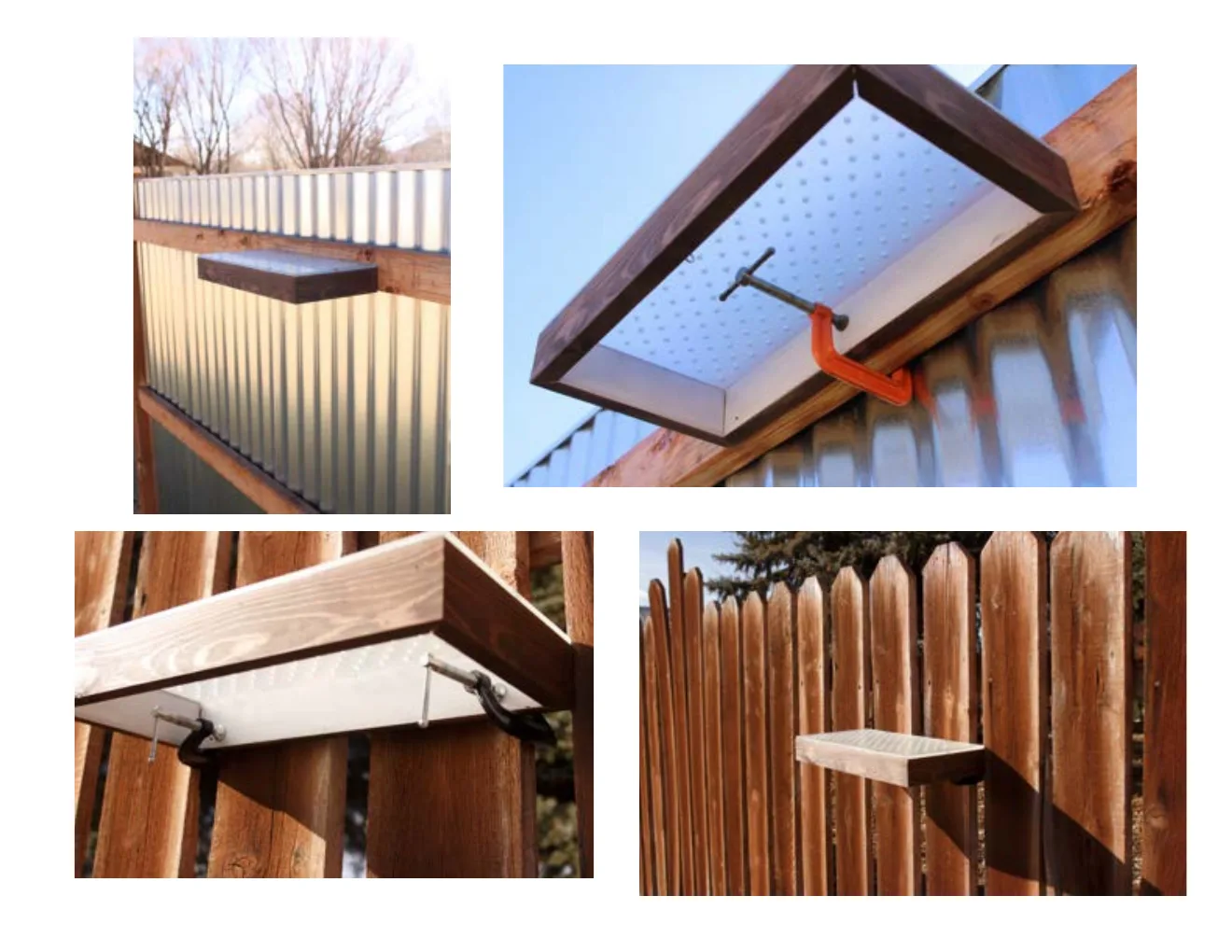
Cat oasis prototype details
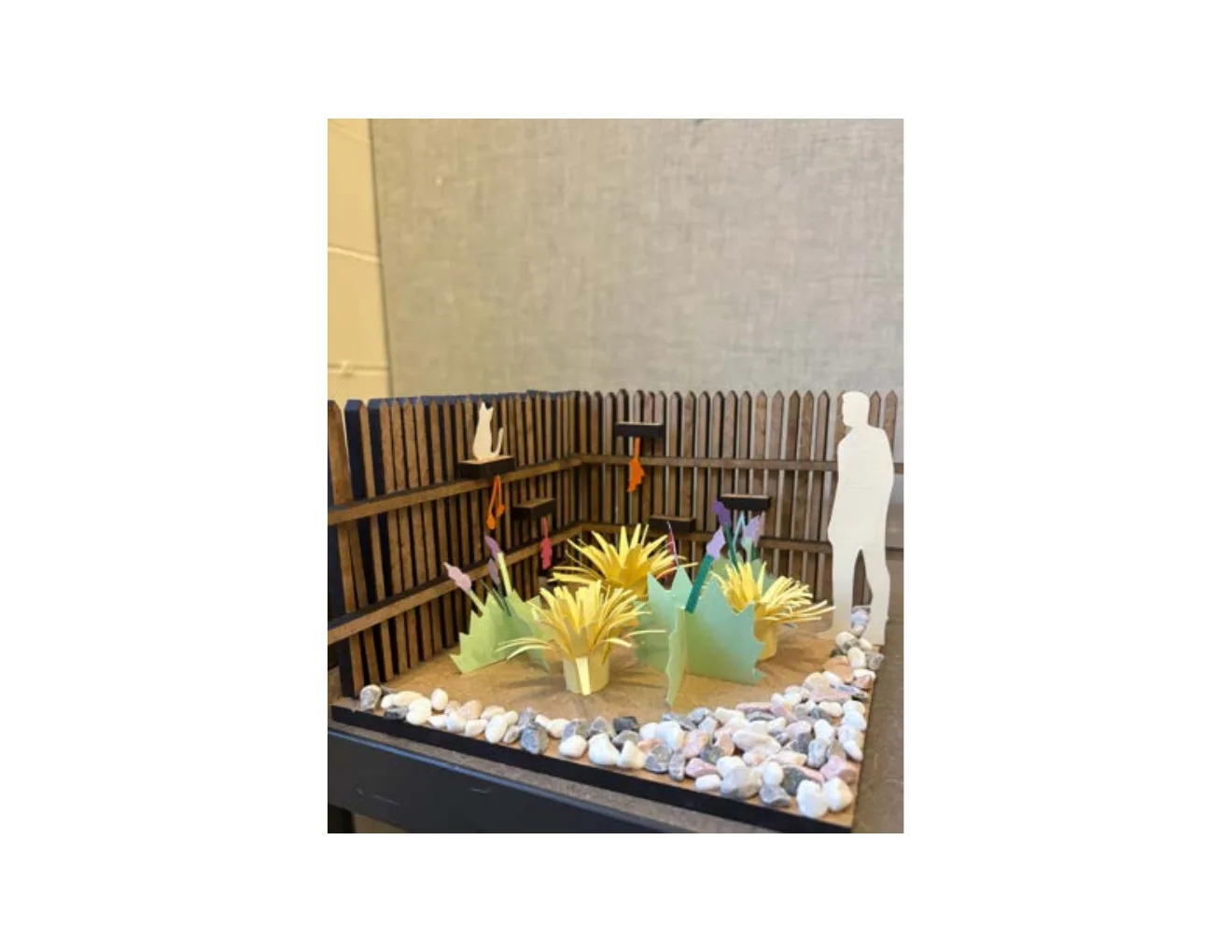
Cat oasis physical model
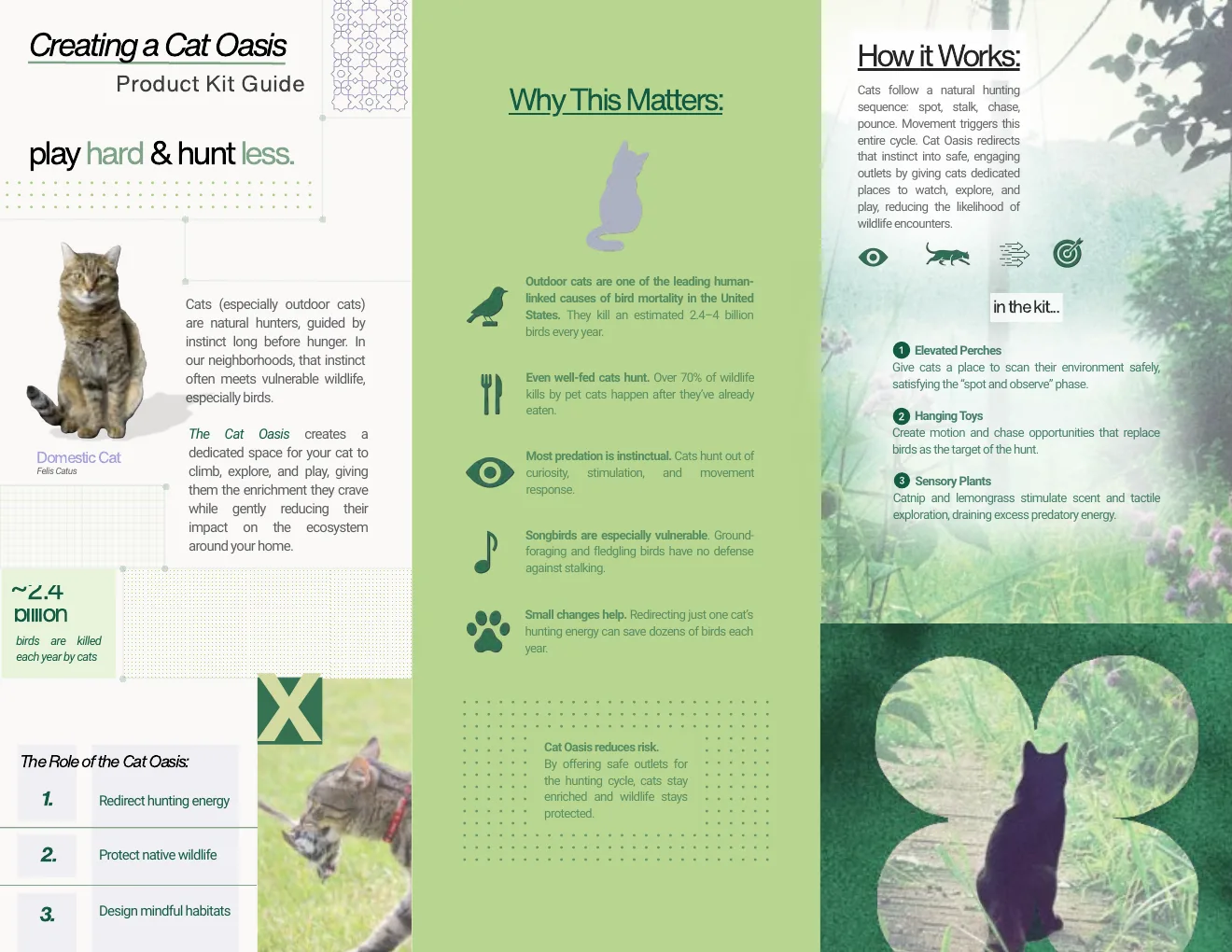
Cat oasis product guide
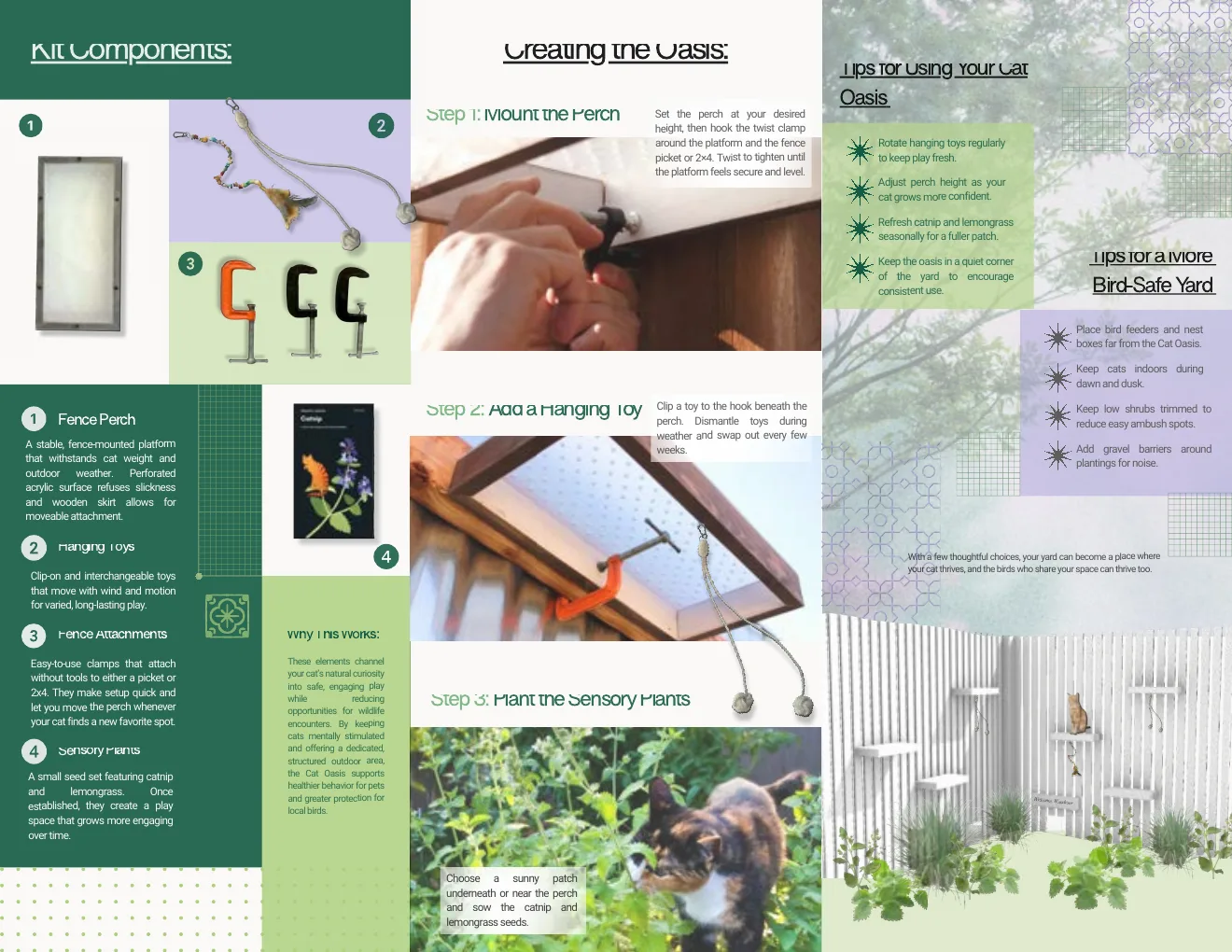
Cat oasis fabrication and use
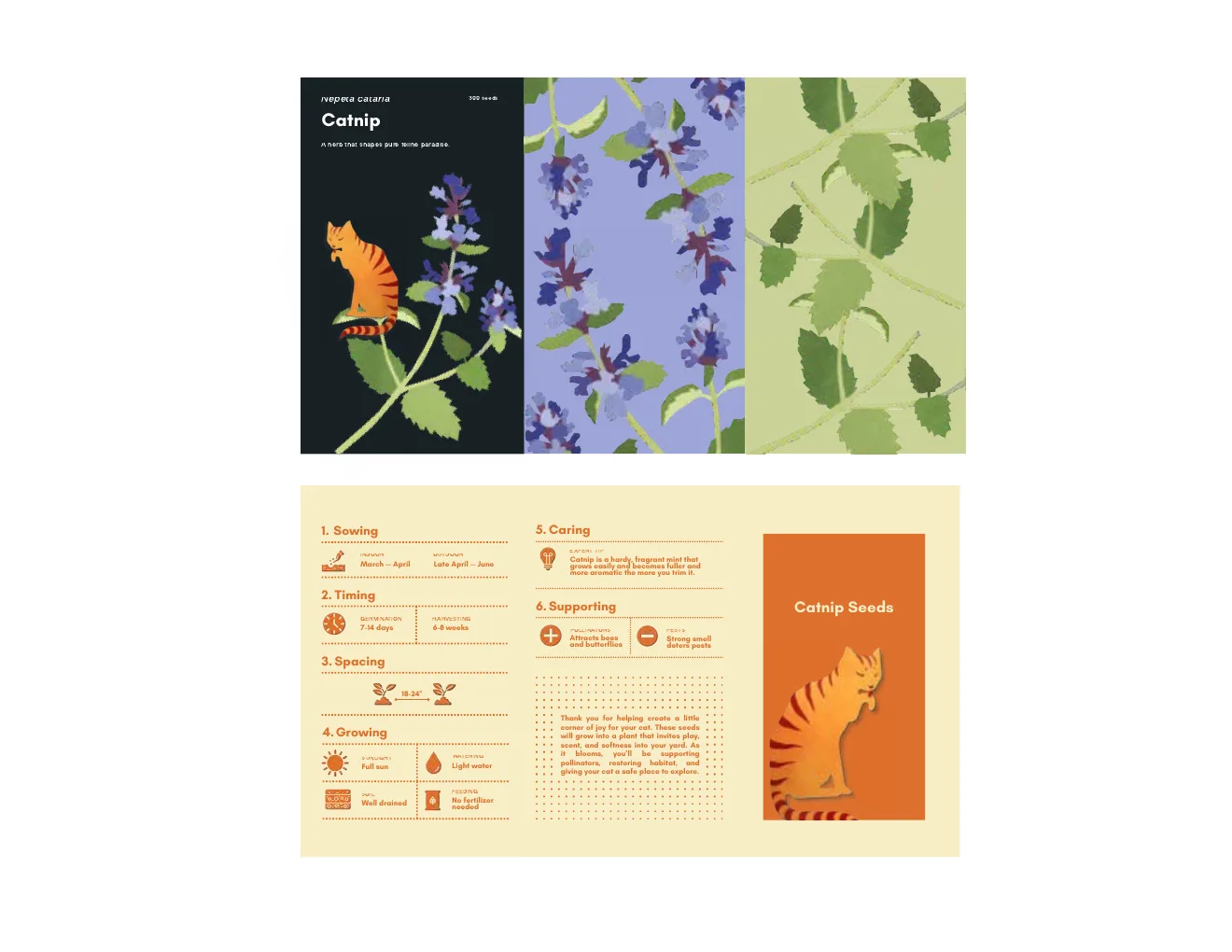
Cat oasis identity system
Starling habitat placement
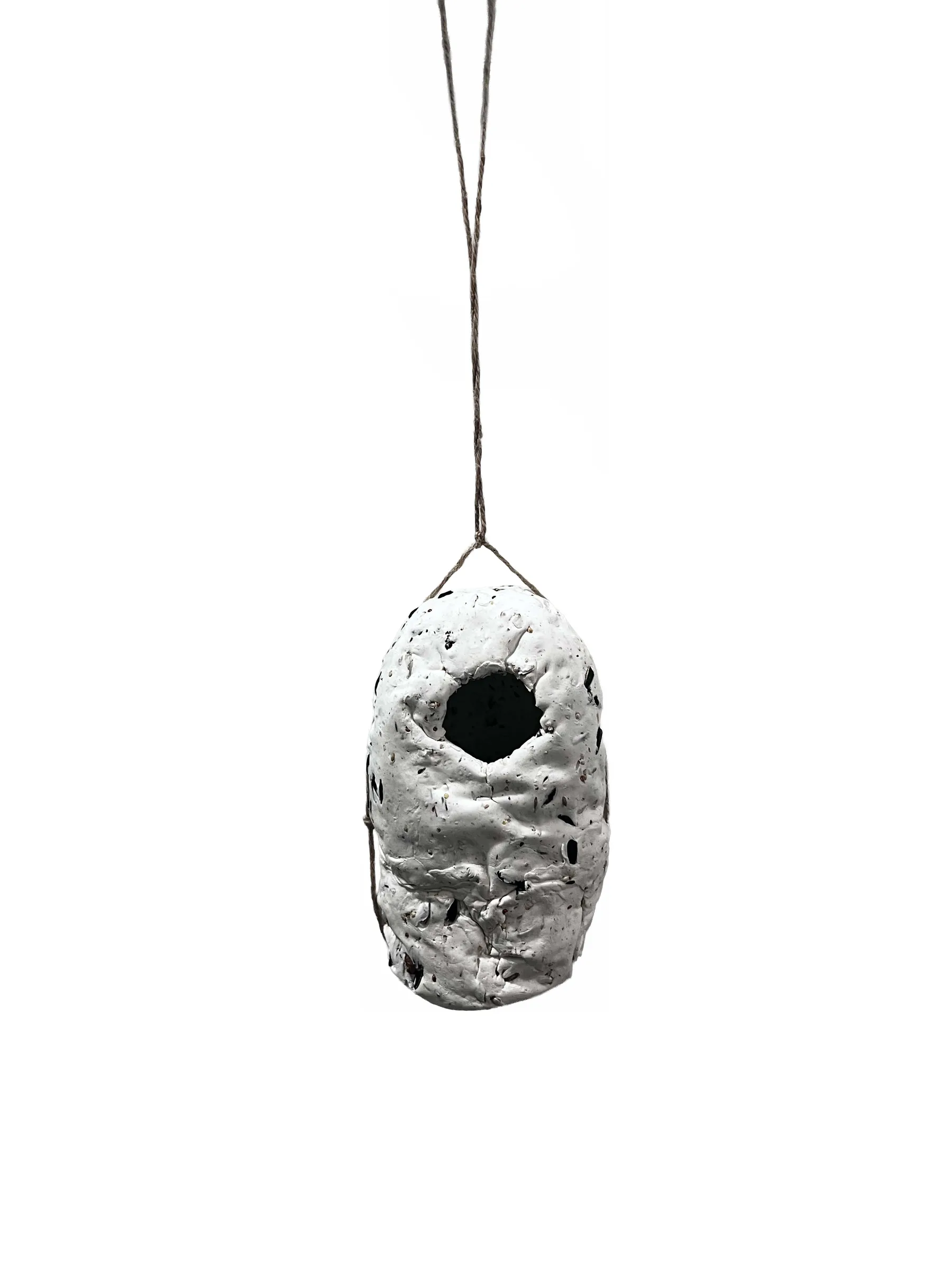
Mycelium birdhouse lifecycle
Bullsnake habitat components
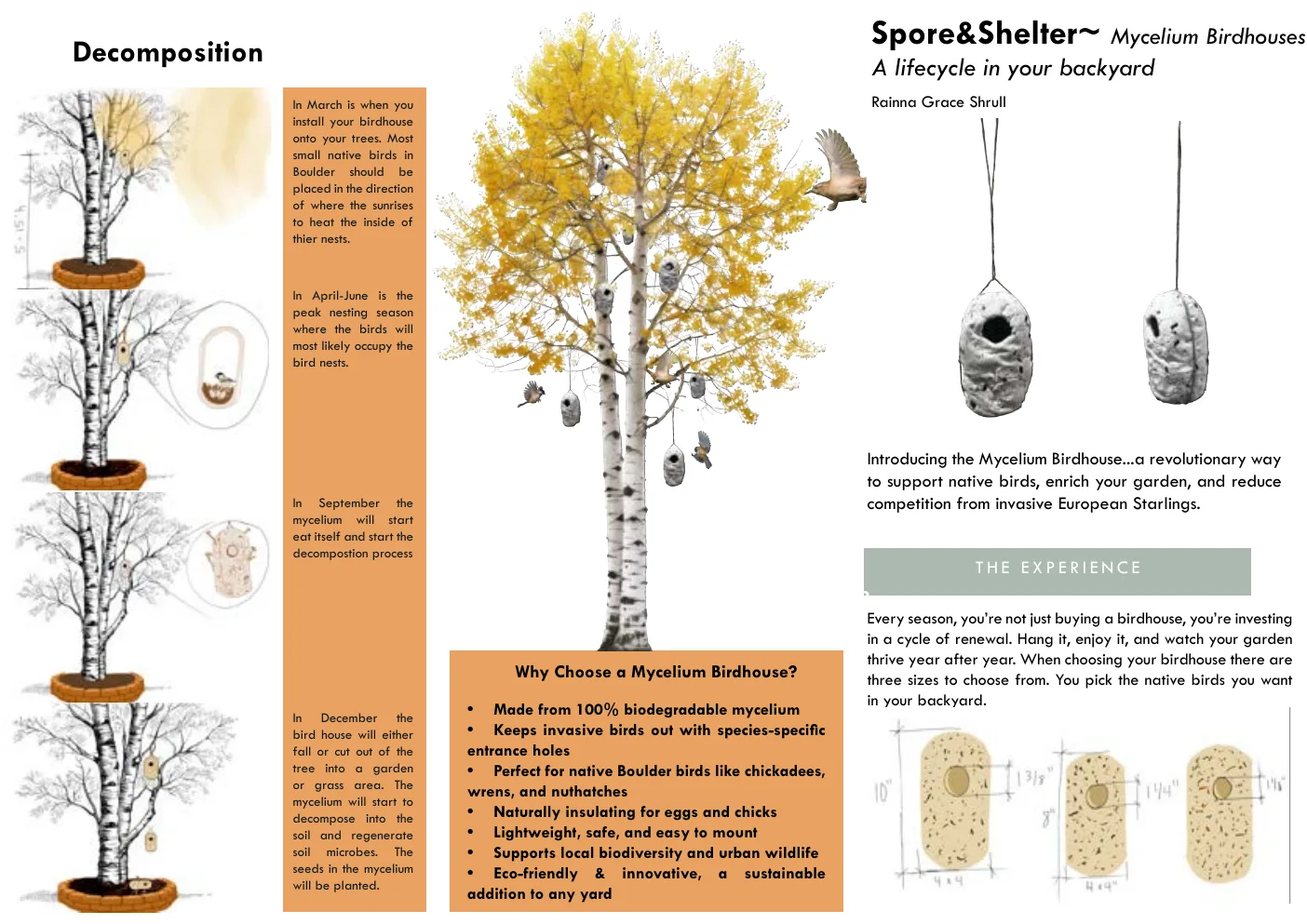
Mycelium birdhouse prototype
Birdhouse opening detail
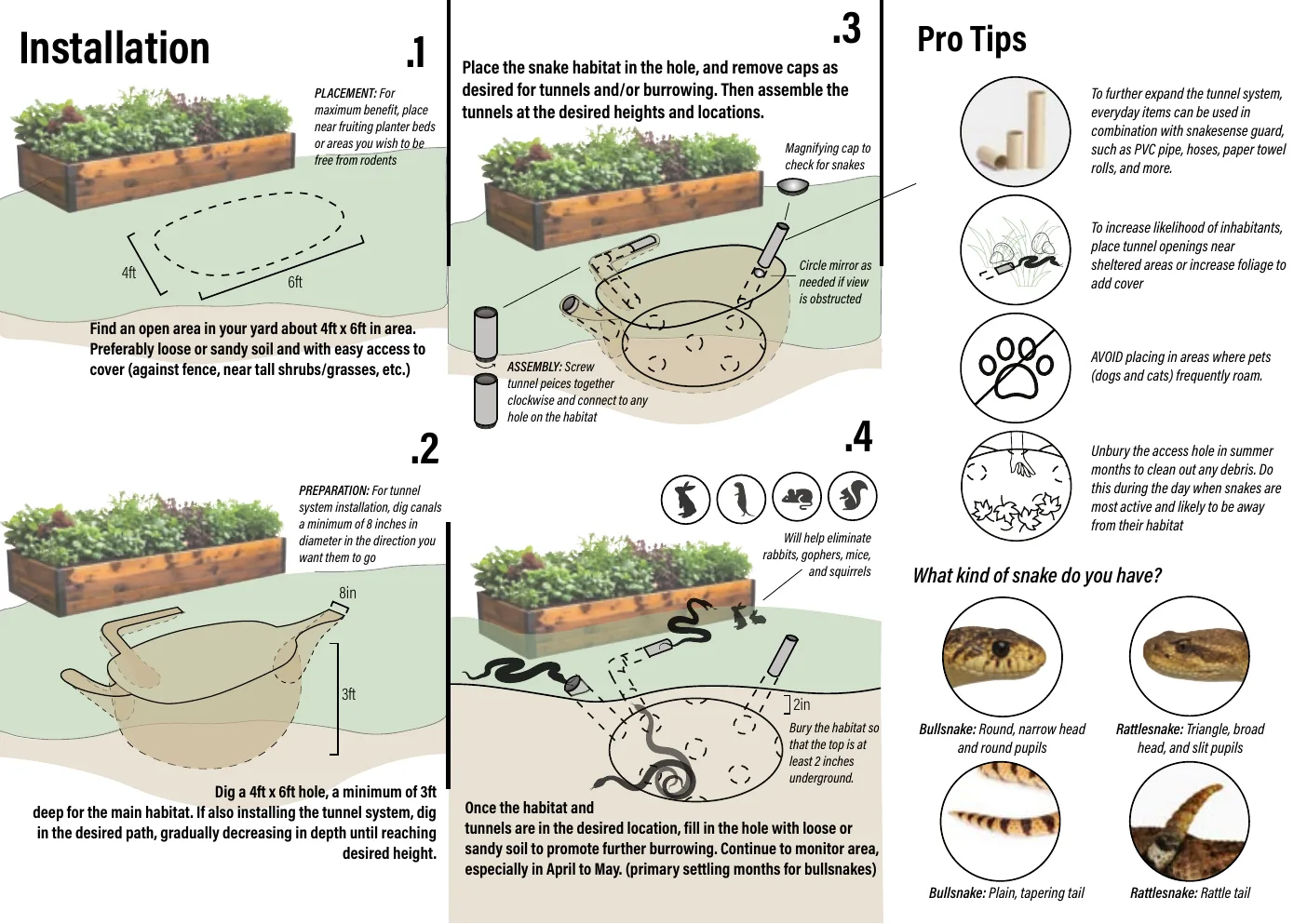
Bullsnake habitat installation
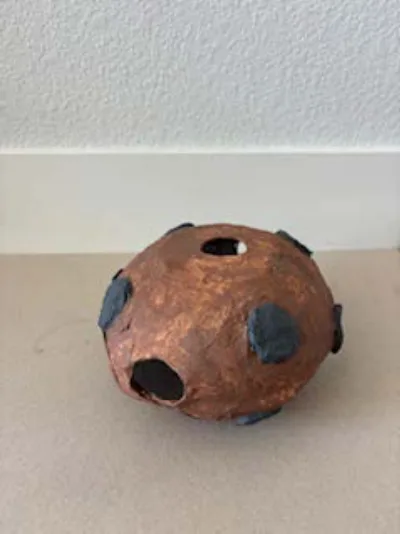
Underground habitat prototype
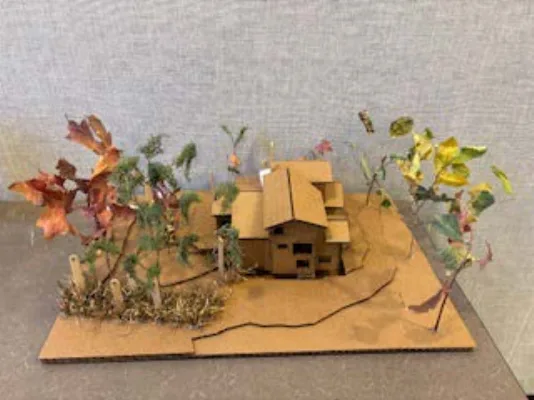
Integrated habitat model
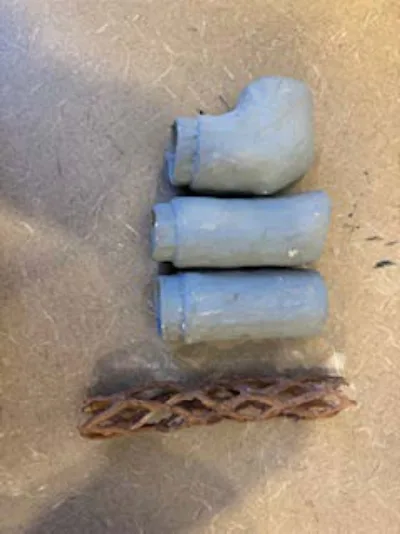
Prototype material studies
Group Proposal 02
Mosquito Management Ecosystem
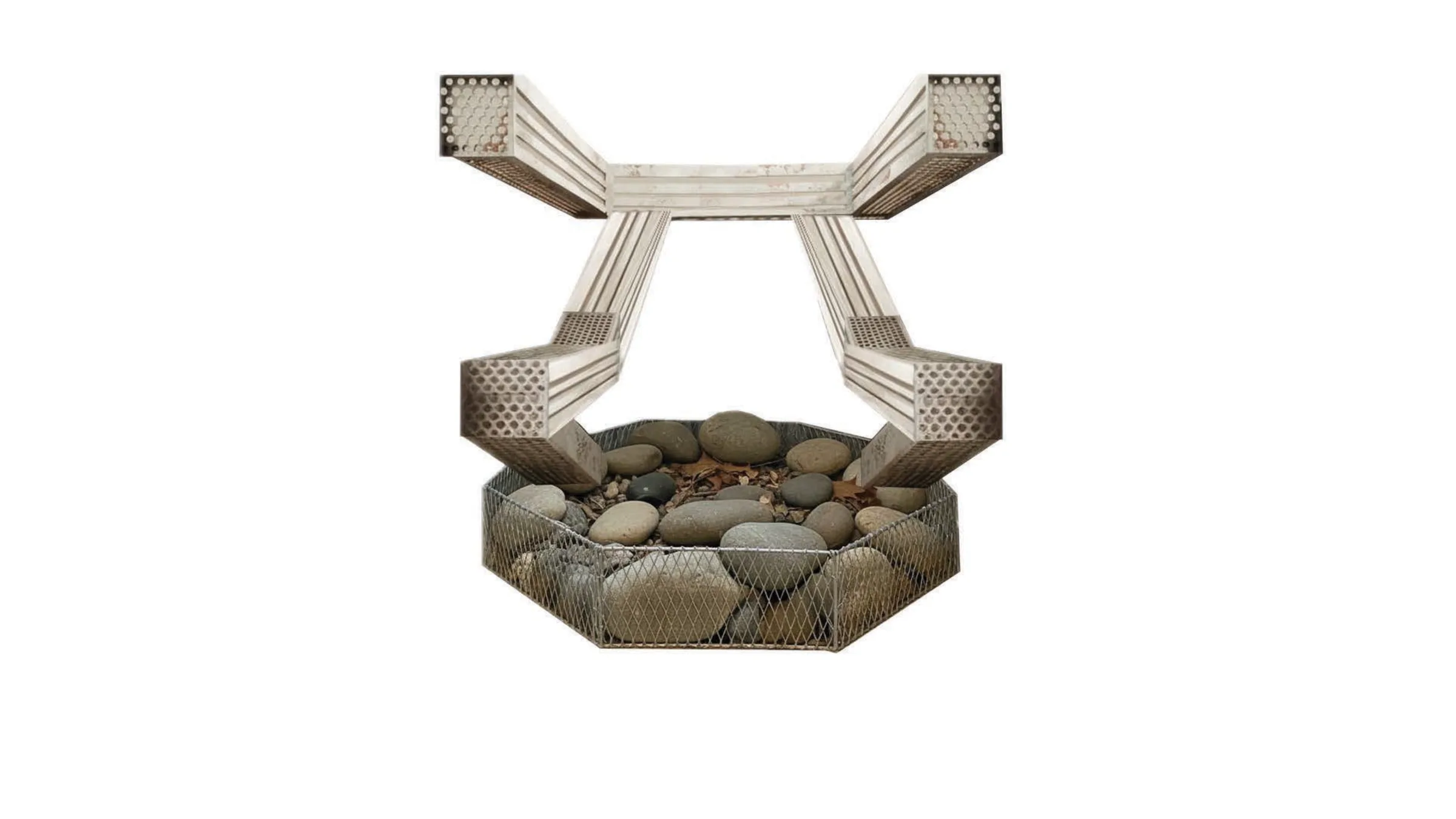
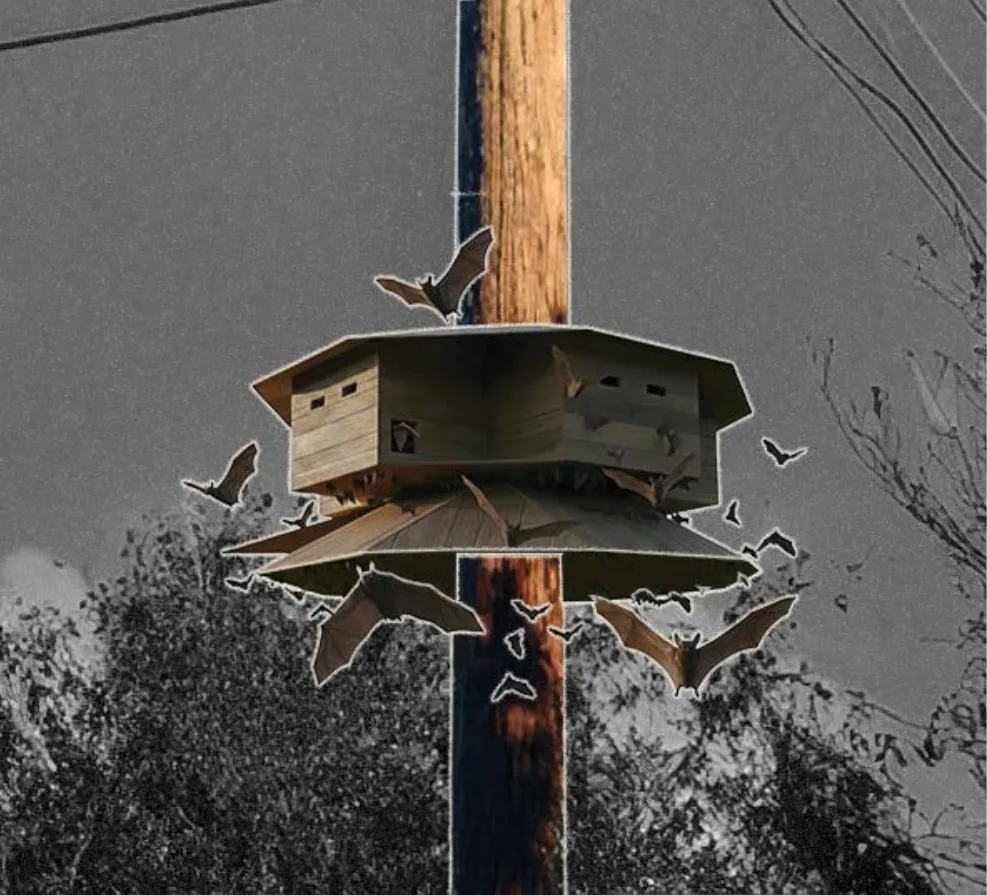
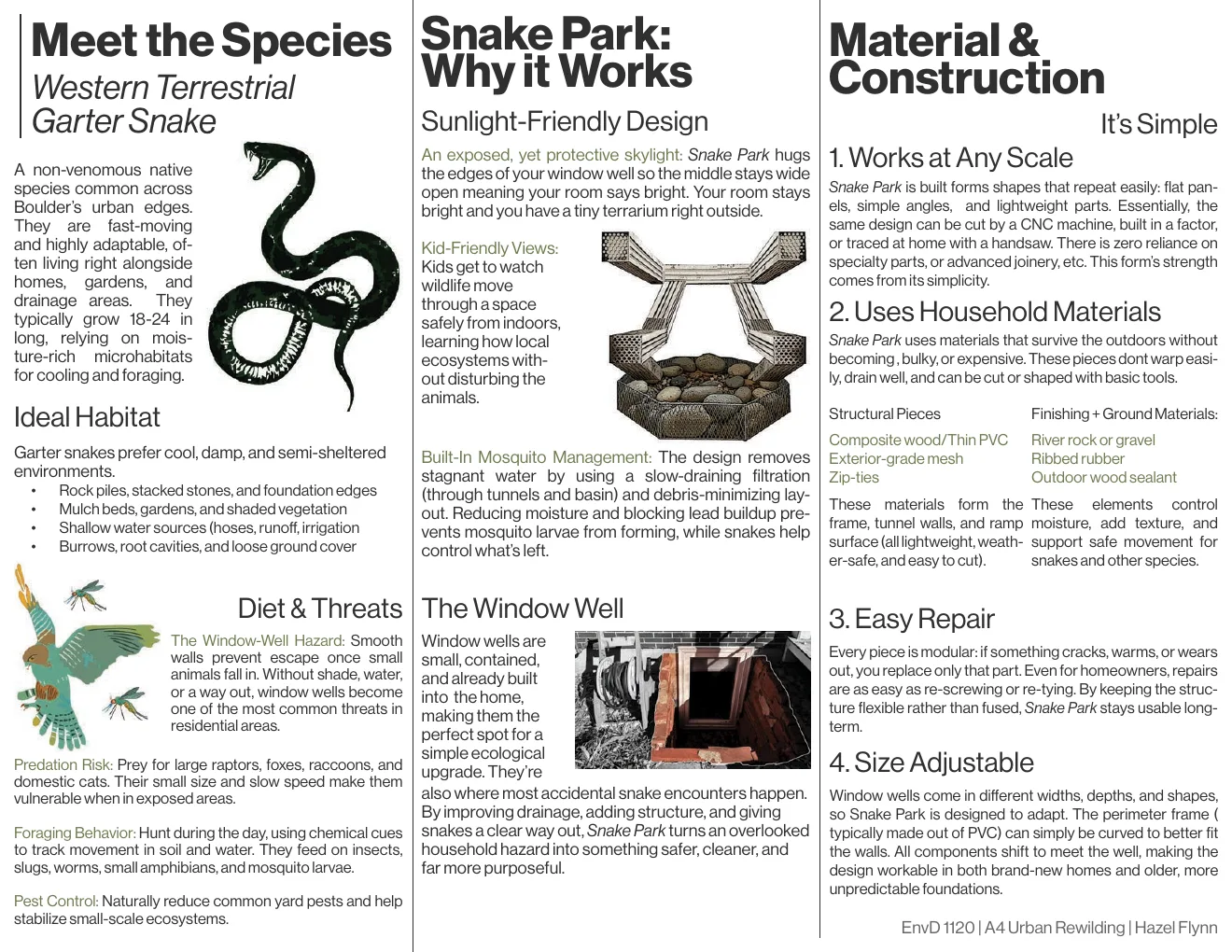
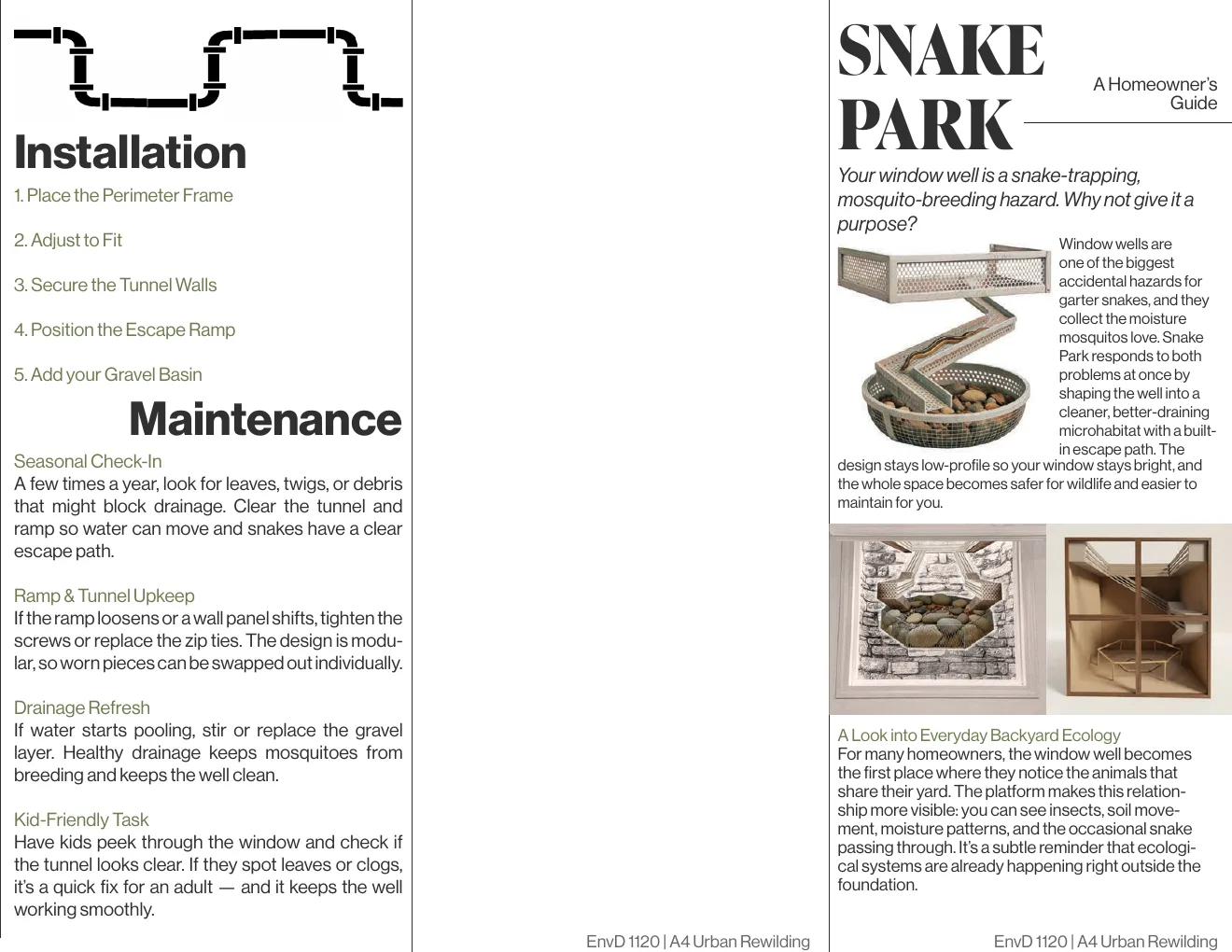
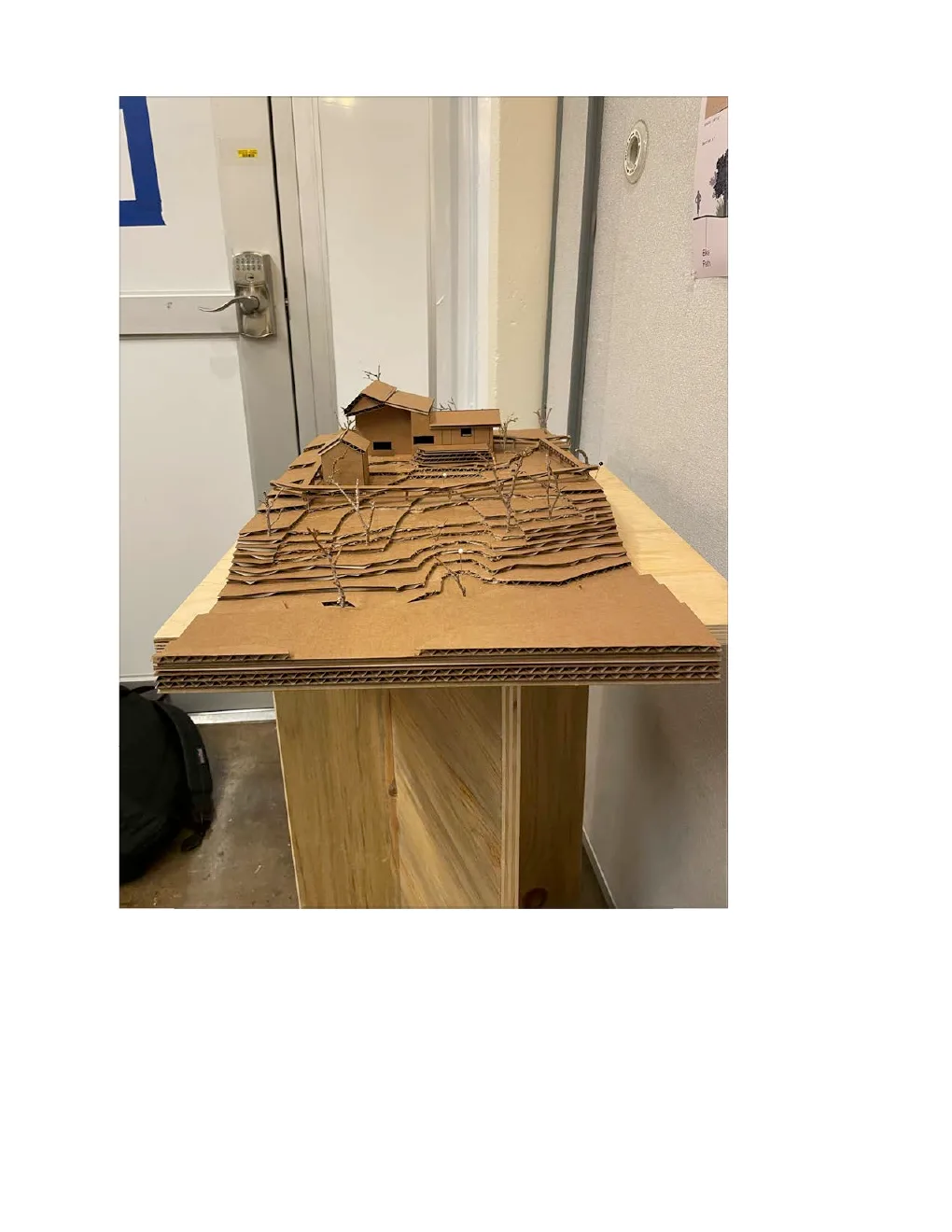
Pest management becomes an ecological design problem rather than a chemical response. The proposal uses drainage, rain gardens, riparian planting, shade, and habitat infrastructure to reduce mosquito breeding conditions while supporting the species that prey on them. A bat pavilion and snake park are situated within a broader water and vegetation strategy, connecting product design to site performance, with species behavior, construction, placement, maintenance, and safety translated into product guides, prototypes, and a detailed physical site model.
Scroll for more → click any image to view full size
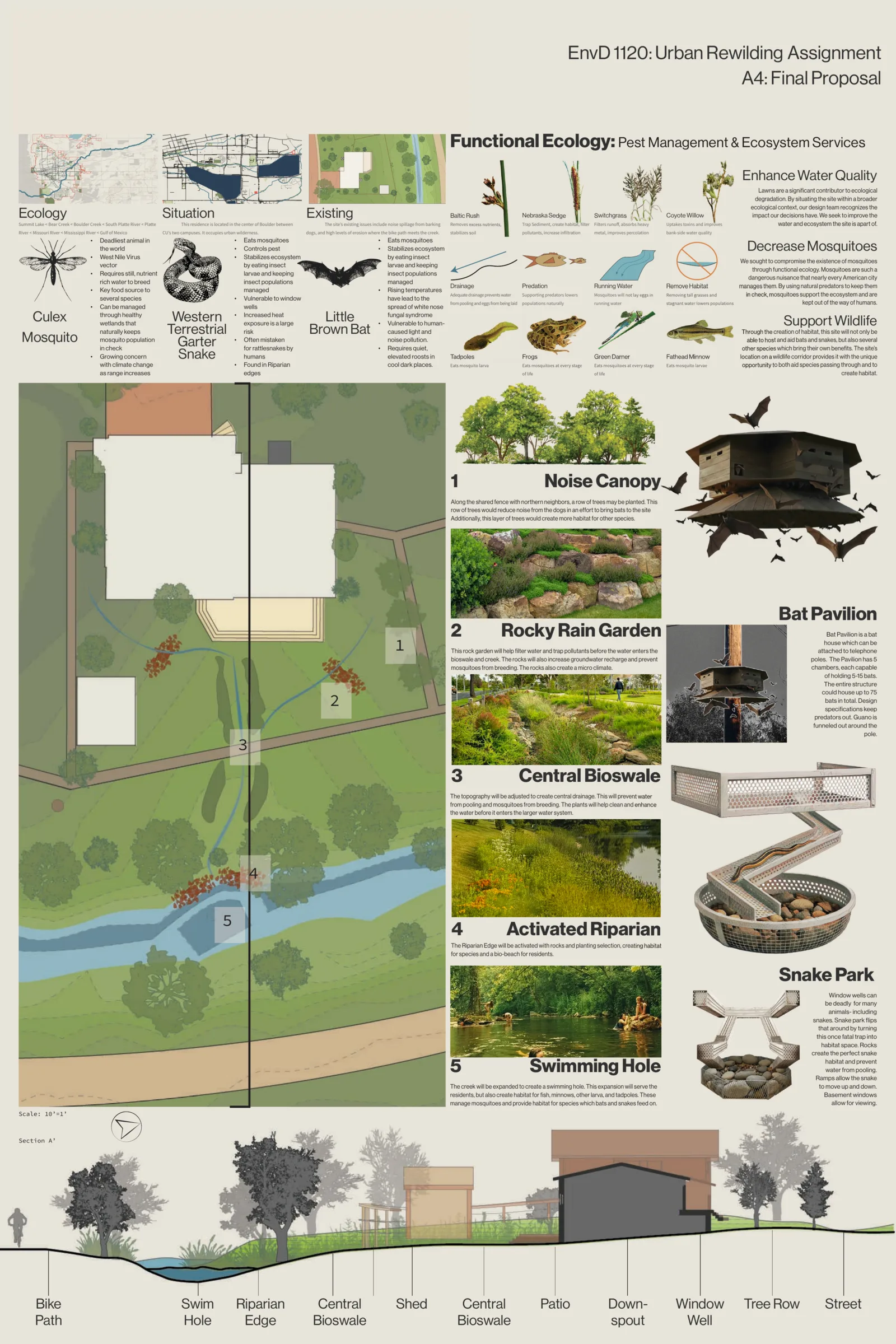
Integrated ecological proposal
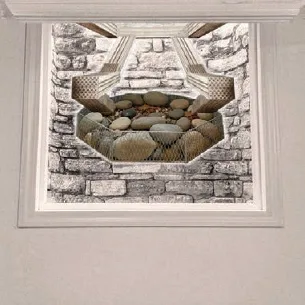
Snake habitat overview
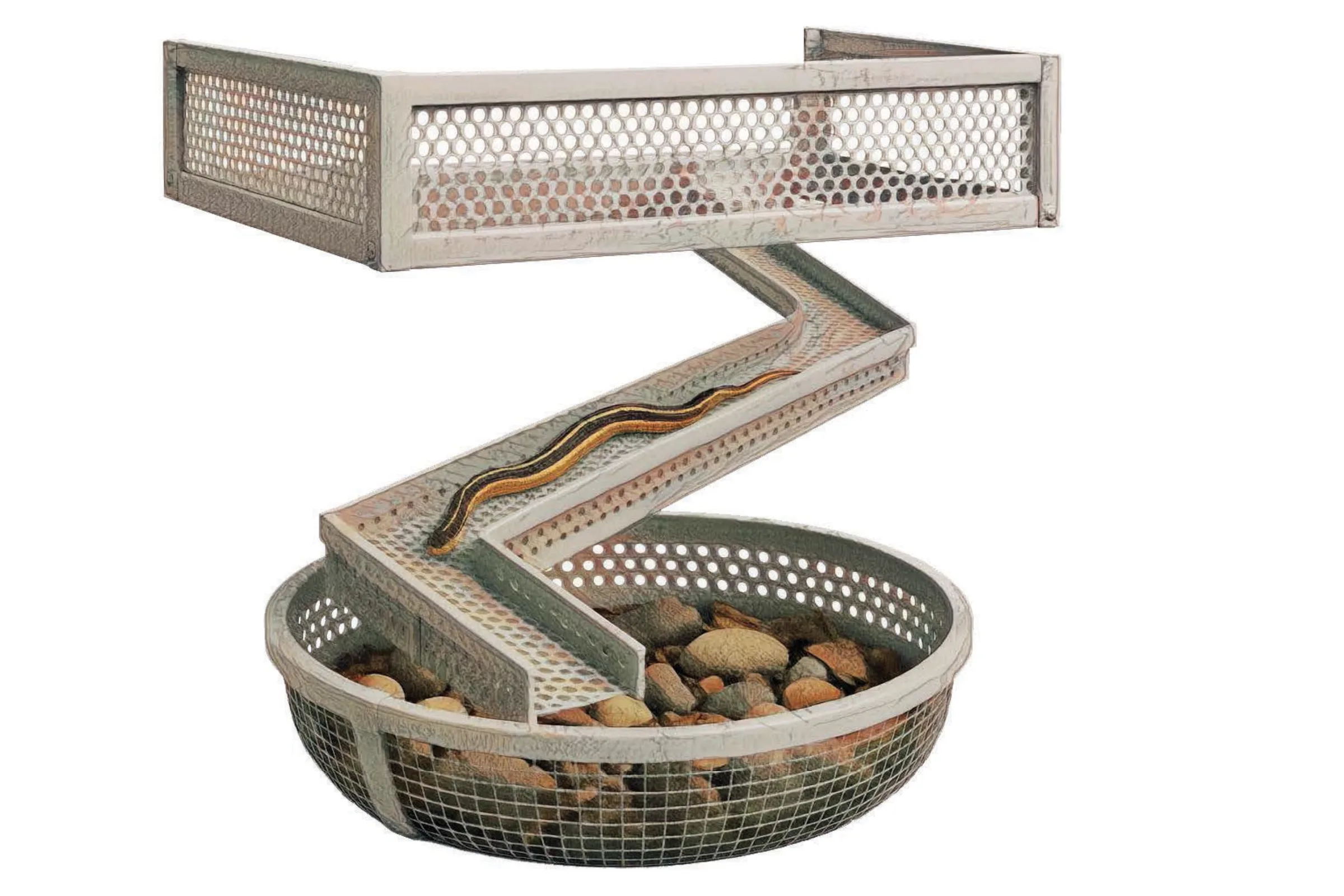
Snake habitat structure
Bat pavilion in context
Bat pavilion prototype
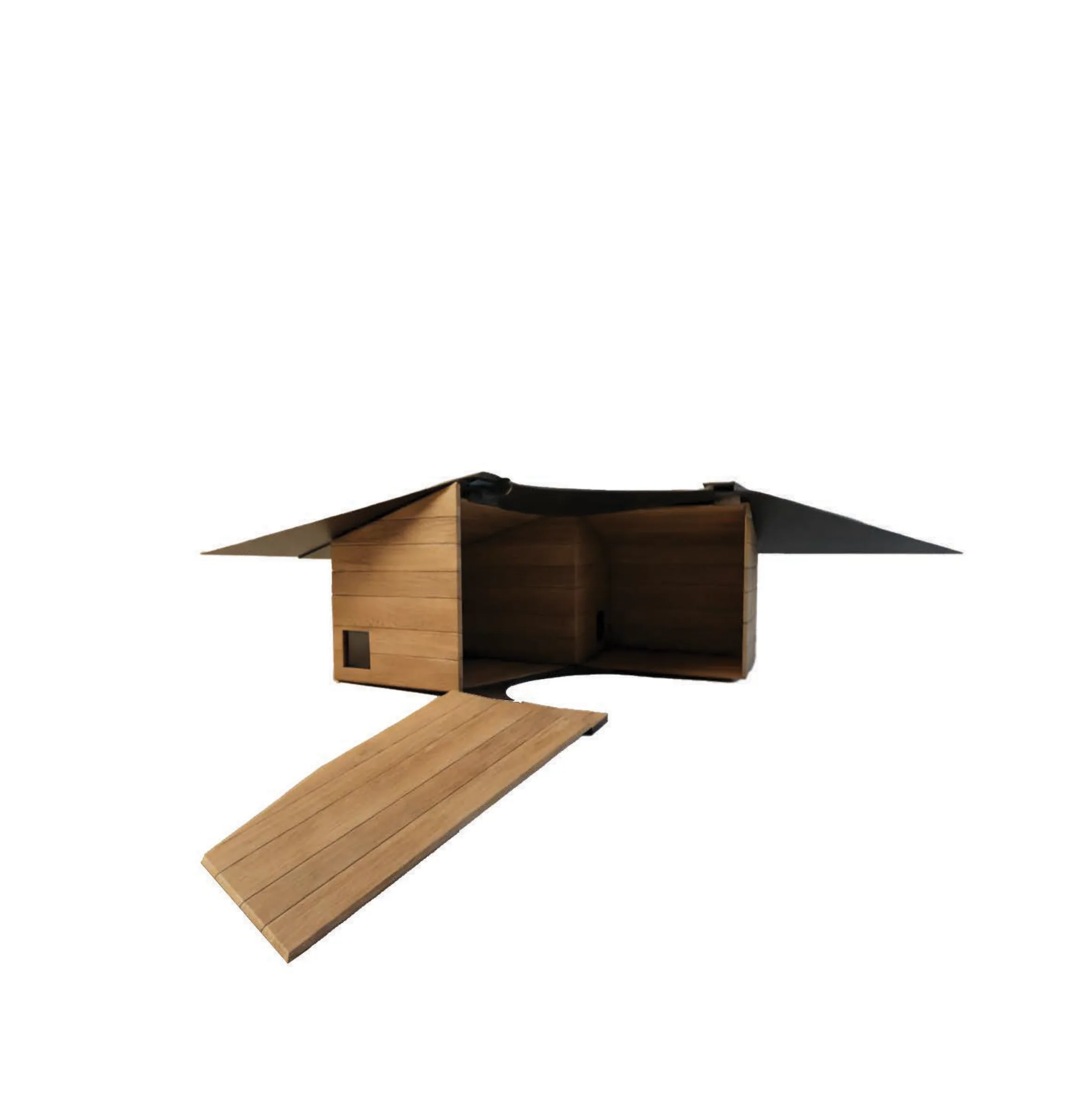
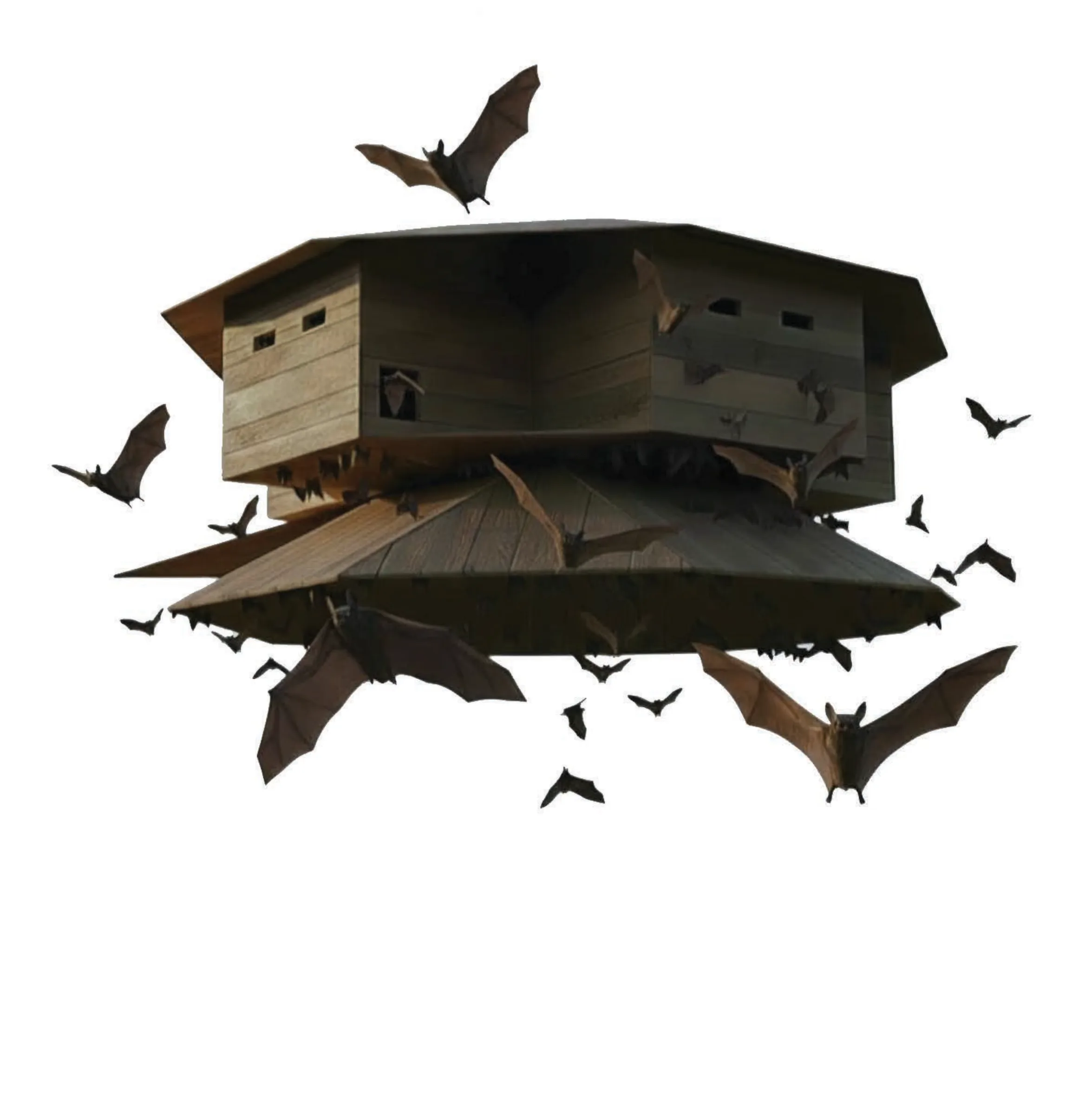
Bat pavilion components
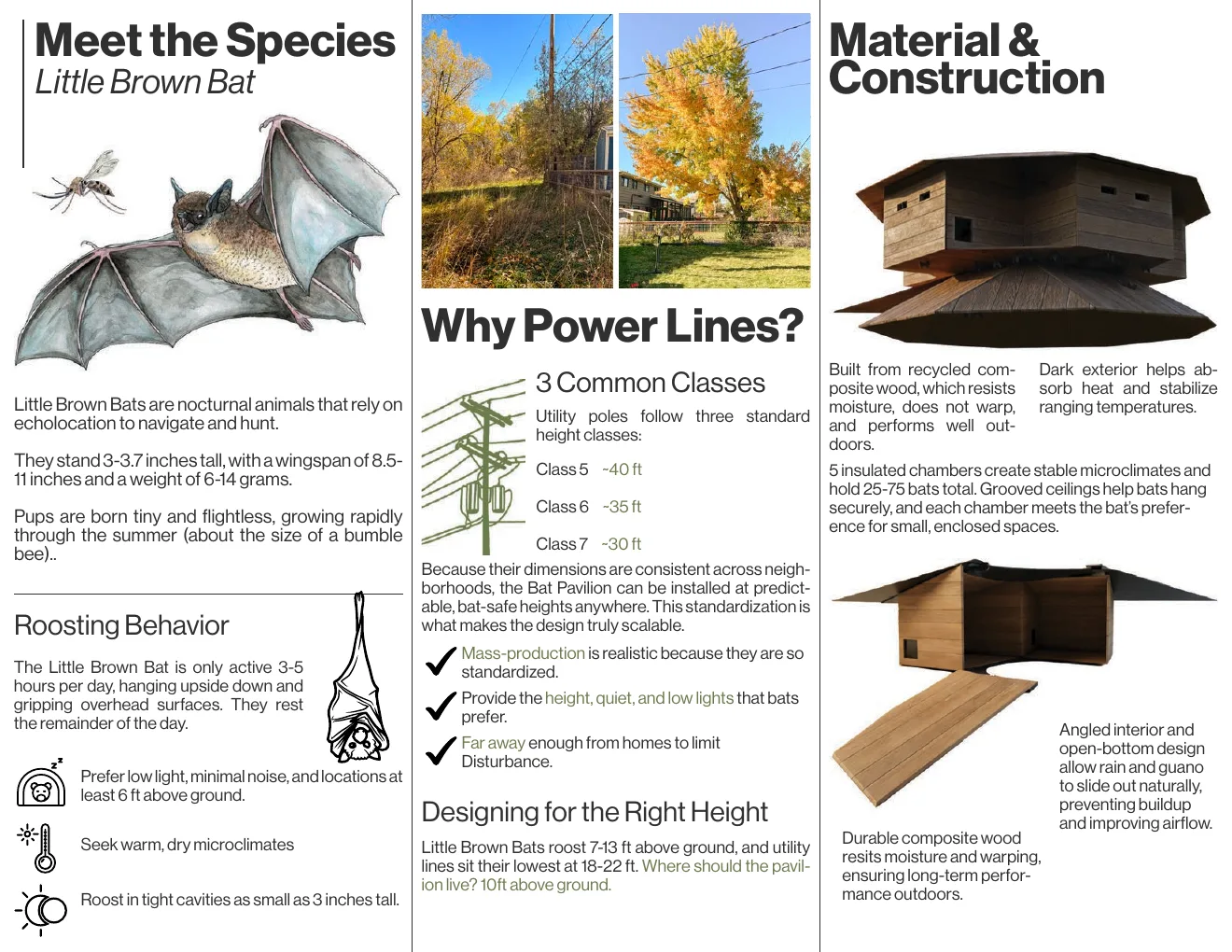
Species habitat specifications
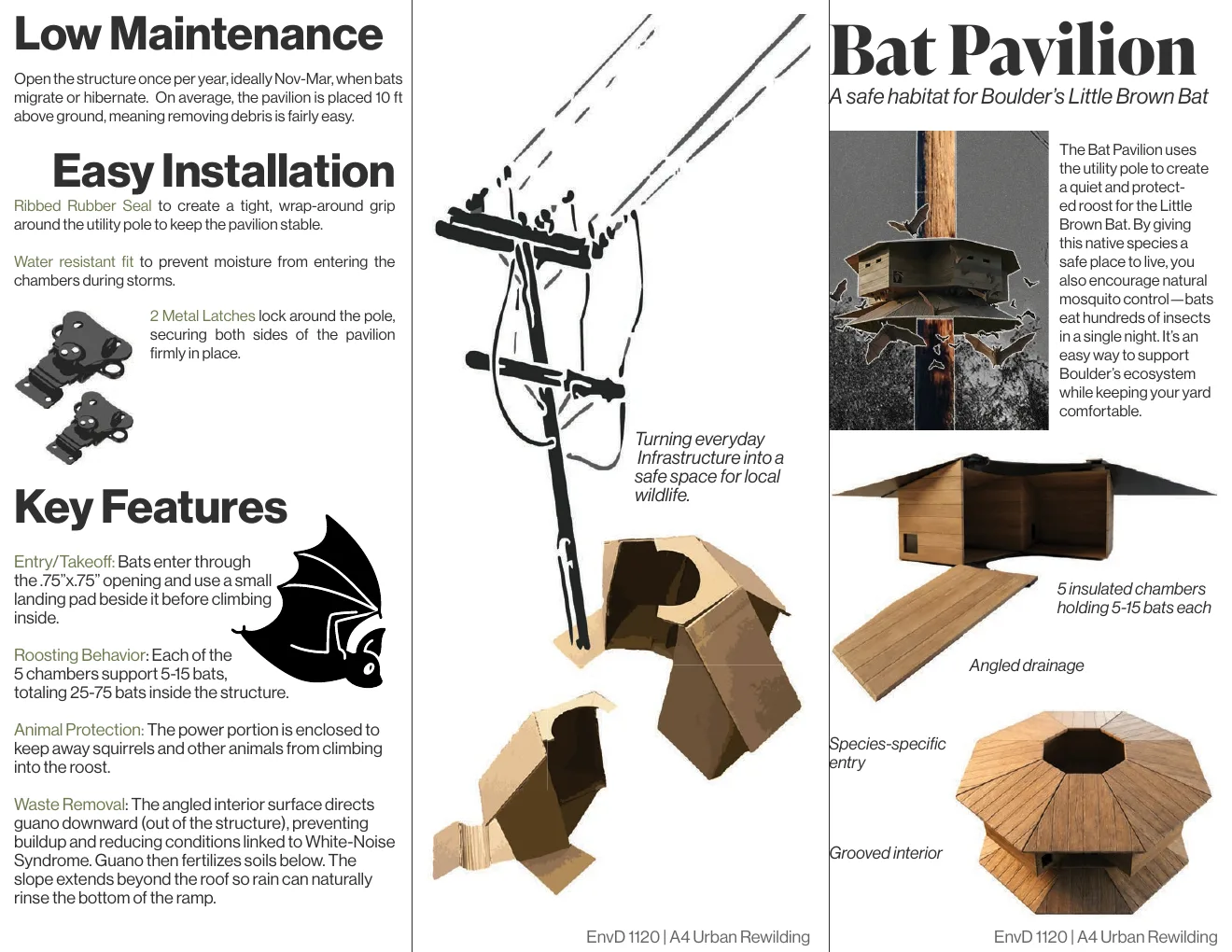
Installation and maintenance guides
Layered site-model study
Topographic site model
Habitat corridor model
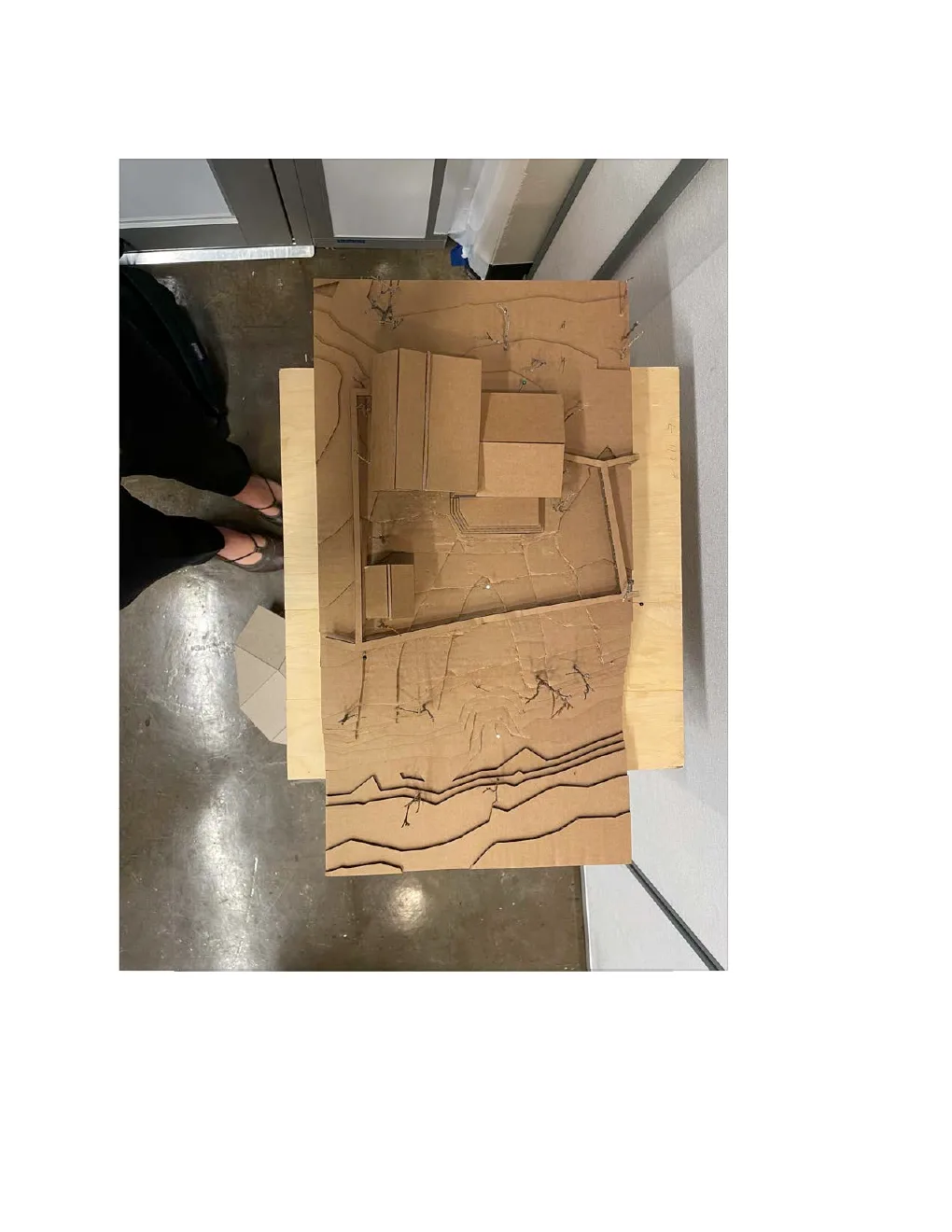
Final site model plan
Final model top view
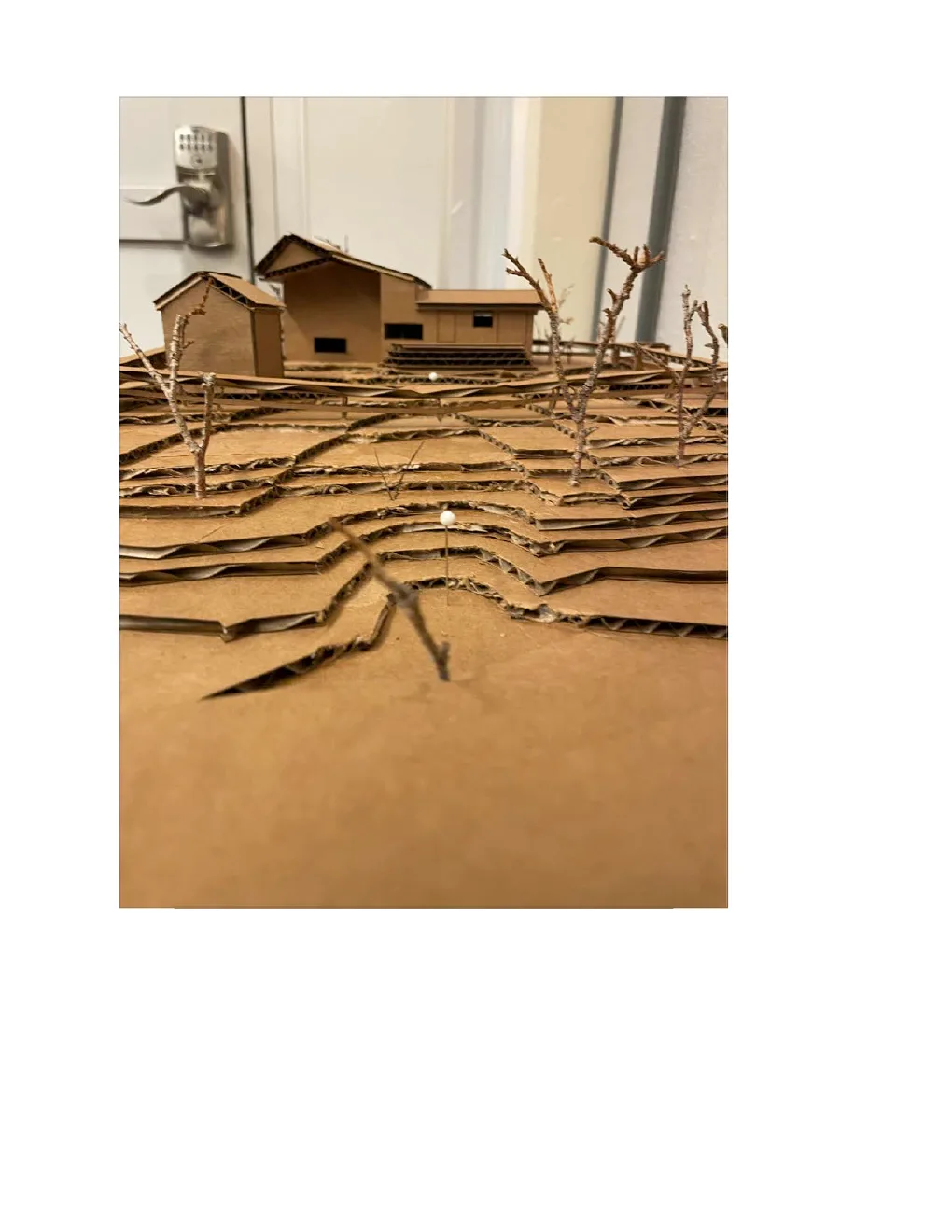
Final model perspective
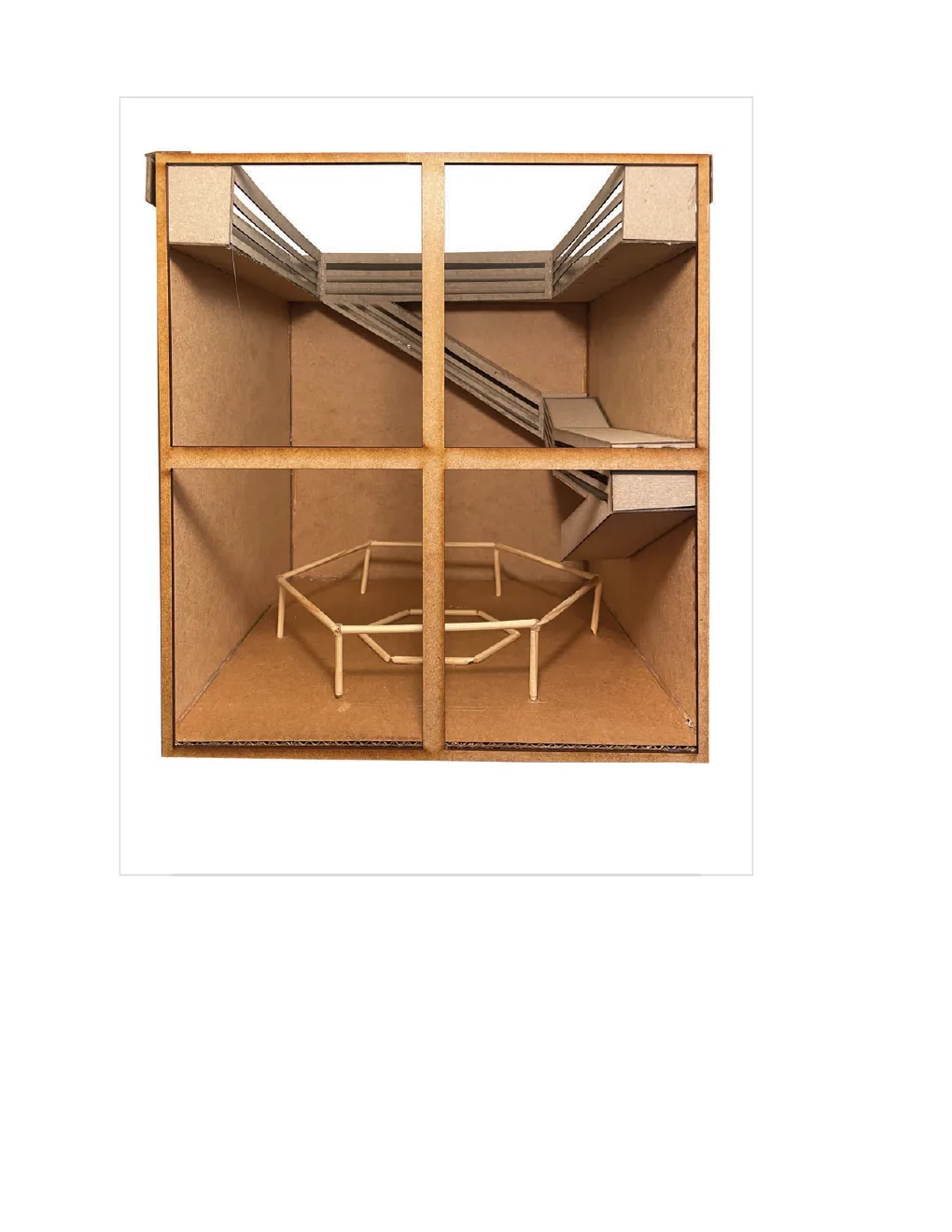
Model section detail
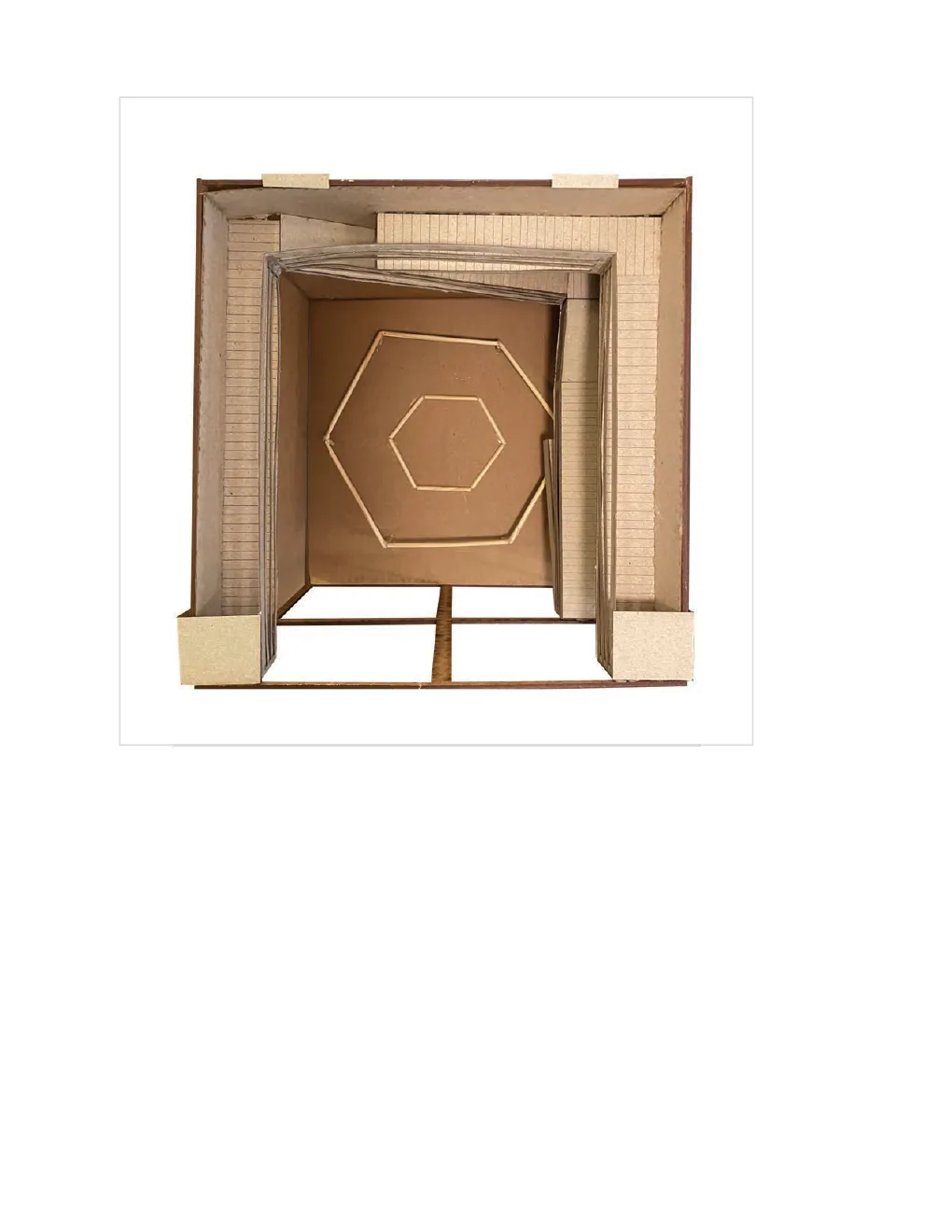
Model interior
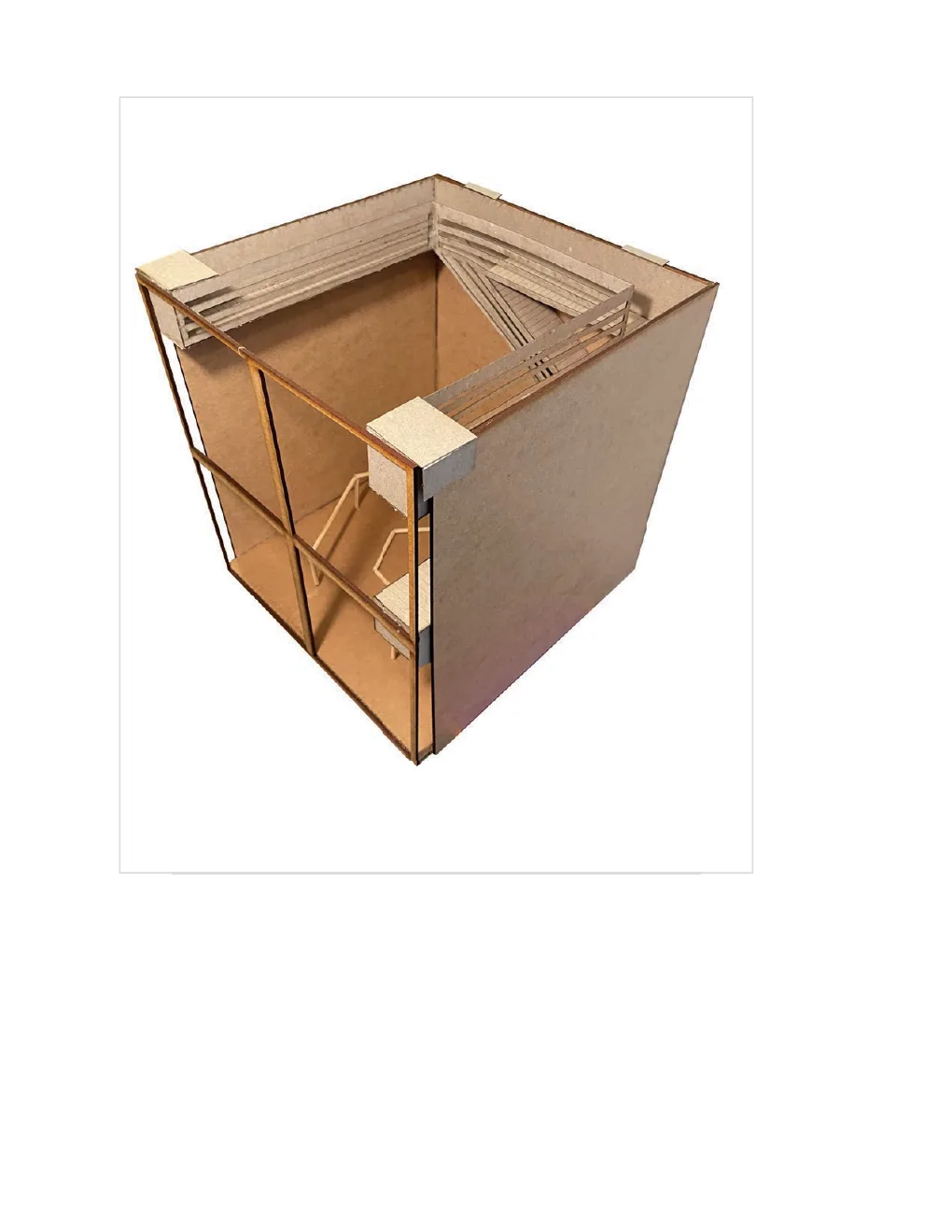
Model assembly
Student Experience
4.71 / 5
Work and learn collaboratively
4.53 / 5
Connect, synthesize, or transform ideas creatively
4.35 / 5
Assignments requiring original or creative thinking
85%
Response rate, 17 of 20 students