Capstone / Thesis

Museum of Analog Experience

ARCH 4100-11|Capstone in Architecture|Spring 2025|University of Colorado Boulder
What should a museum offer when attention itself has become scarce?

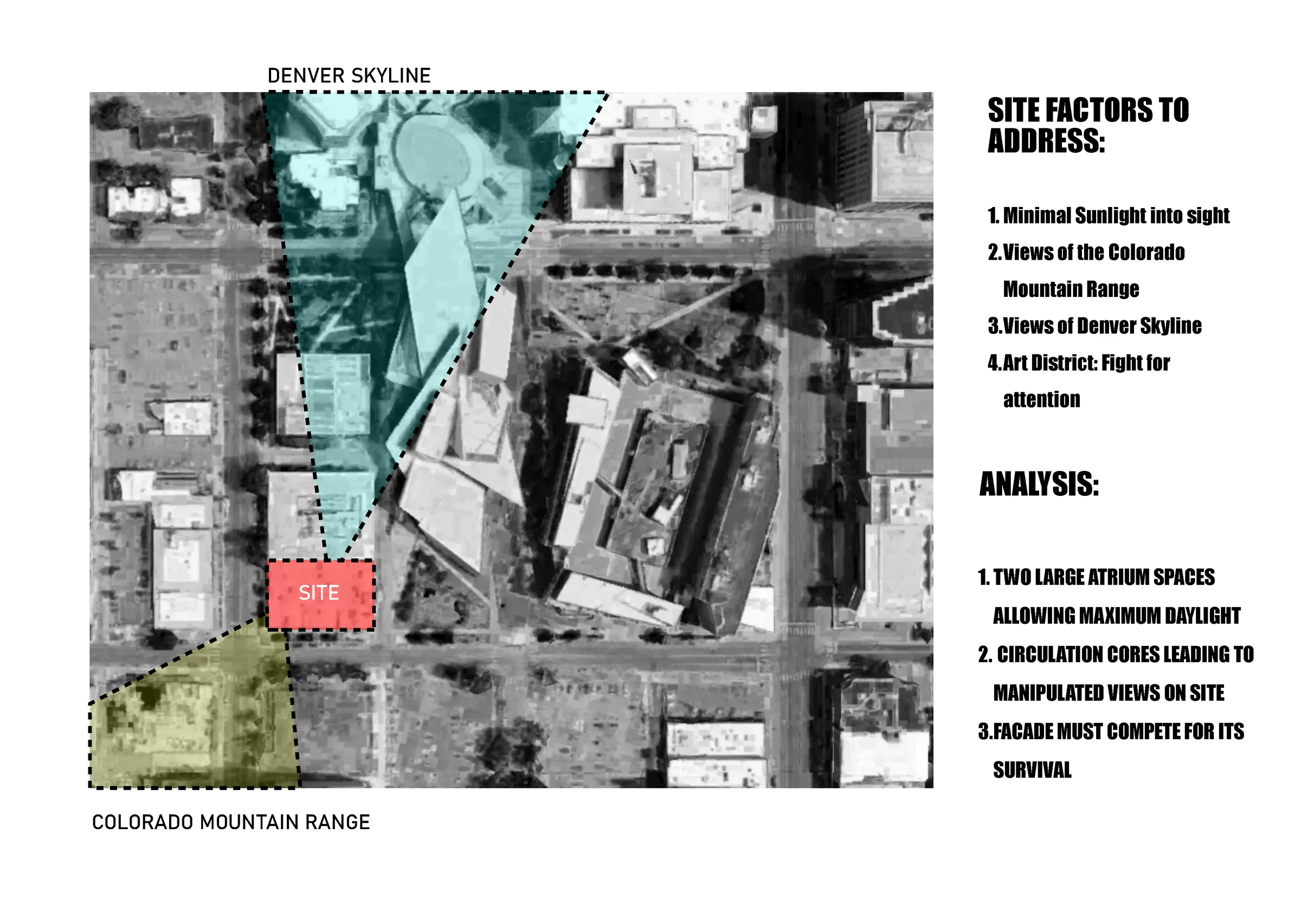
This capstone studio challenged students to design a Museum of Analog Experience in Denver's Golden Triangle Creative District. The museum was conceived as a sanctuary from digital distraction and a public setting for shared experience, creative exploration, multisensory engagement, and meaningful connection.

The project began with people rather than form. Through discussion, interviews, site observation, and precedent research, students investigated the psychological and social effects of excessive screen time, including anxiety, diminished empathy, isolation, and disconnection from nature. Each student developed a point of view and a specific program in response.

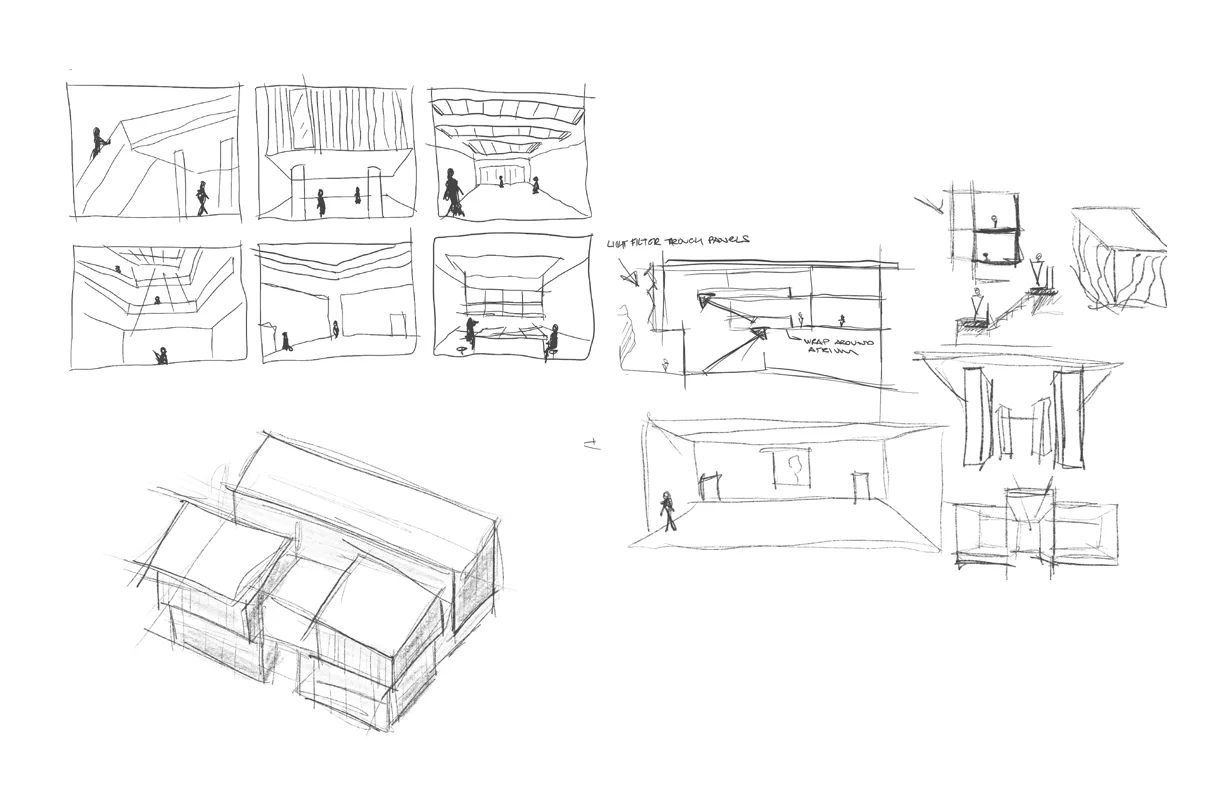
The course was not organized around a rejection of technology. Students worked through hands-on formal studies, drawing, physical exploration, generative AI, immersive VR, digital modeling, and advanced visualization. The objective was to use each medium intentionally while keeping human experience at the center of the architecture.
Studio Framing
Technology as Instrument, Not Subject
I framed this capstone around a contradiction that felt increasingly relevant: we would use some of the most advanced digital tools available to design places where people could step away from digital life. I did not see that as hypocrisy. It created an opportunity to ask students to distinguish between technology as a deliberate instrument and technology as a condition that quietly controls attention.
I wanted students to begin with a position rather than a shape. Interviews, discussions, site visits, and research into screen use helped them define whom the project served and what kind of disconnection or reconnection mattered. The point of view became a standard against which later decisions could be tested: does this plan support the intended social experience, does this material invite touch, does the sequence alter pace and attention, does the building offer something that a screen cannot.
The selected projects demonstrate three different architectural responses. Looking back, I am most interested in the way the studio joined critical inquiry to architectural resolution. Students are no longer completing isolated exercises. They are learning to sustain an idea across the many decisions required to make architecture coherent.
Studio Proposal 01
MAE | Light and Silence
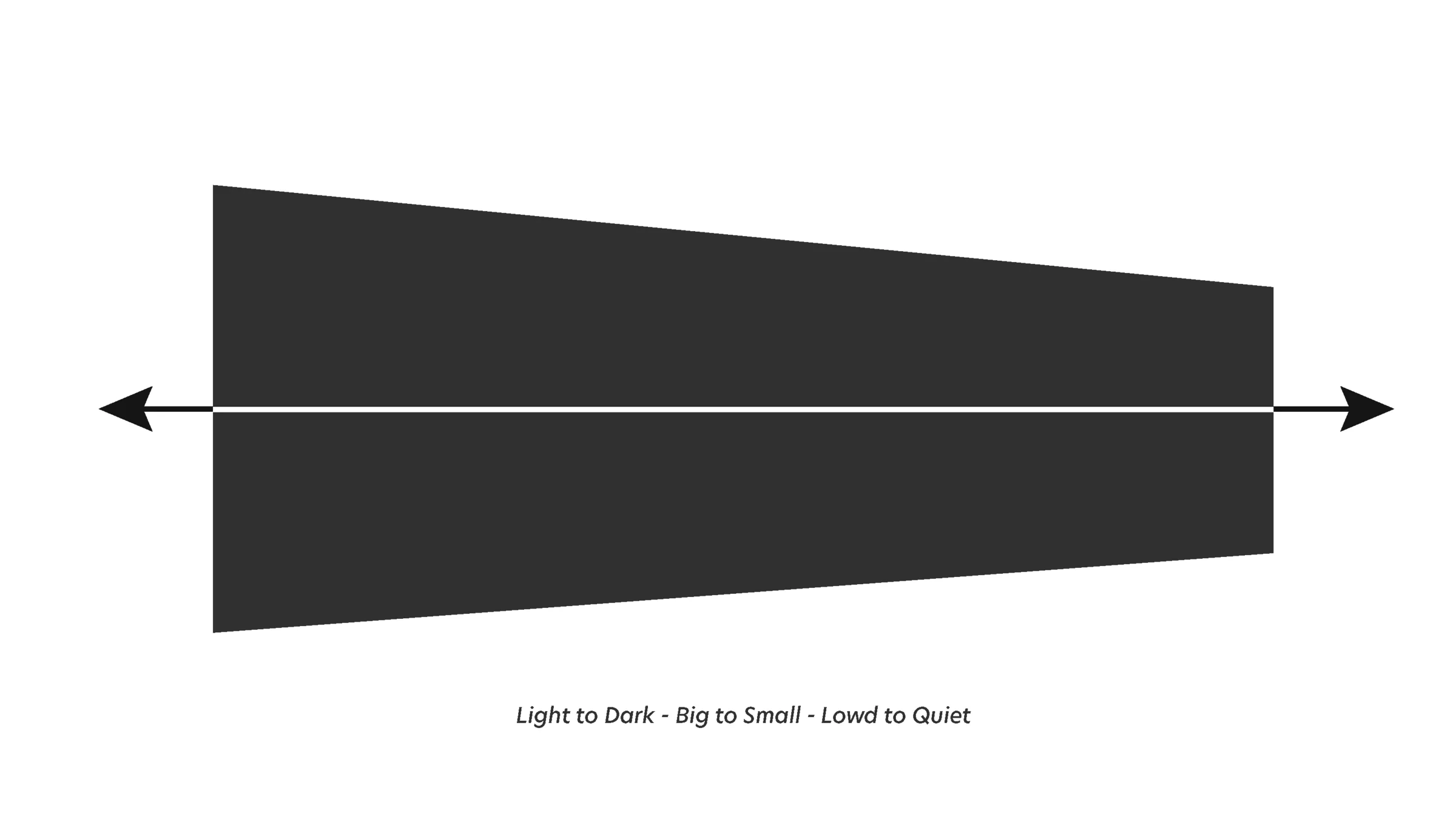
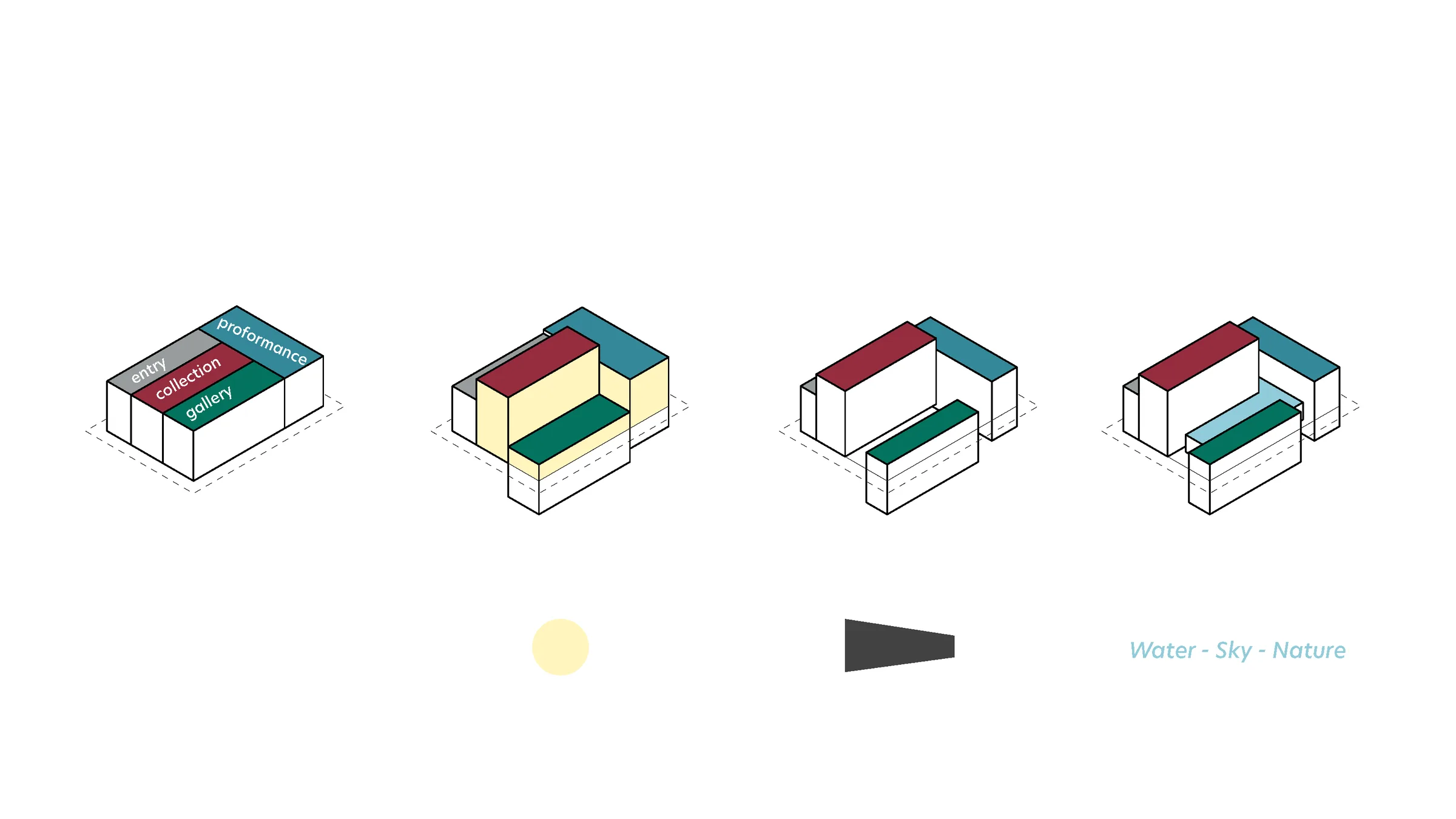
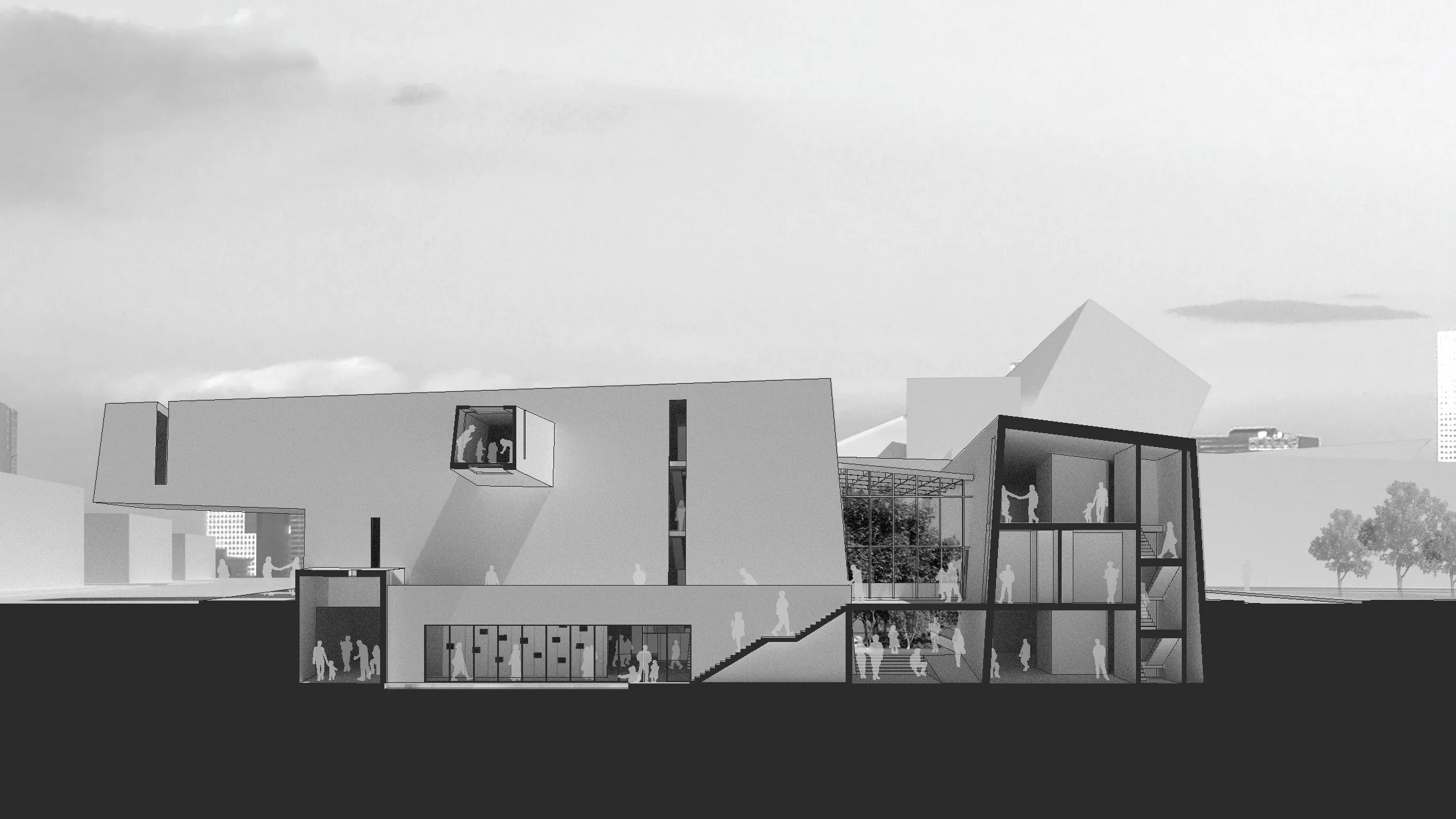
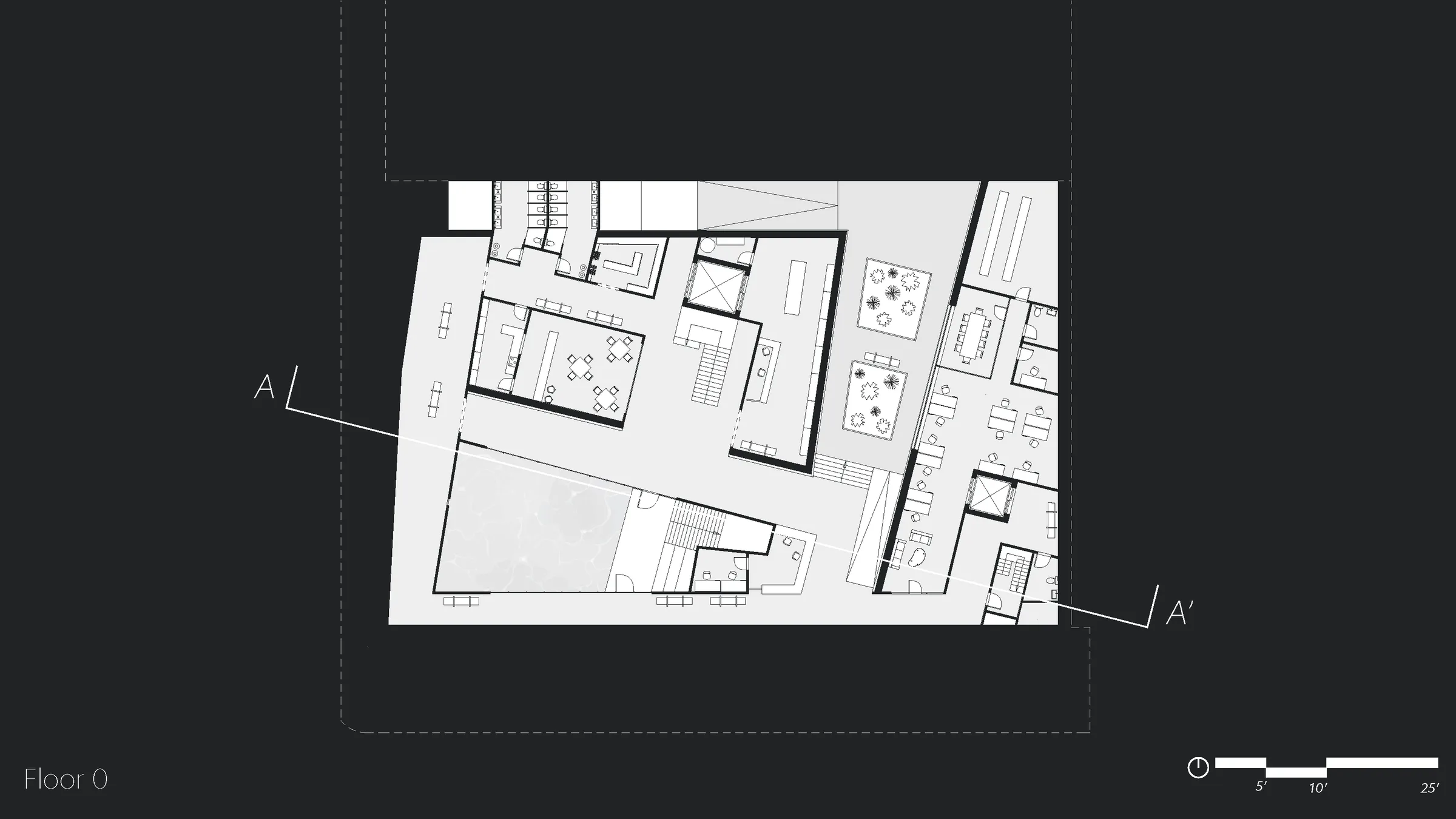
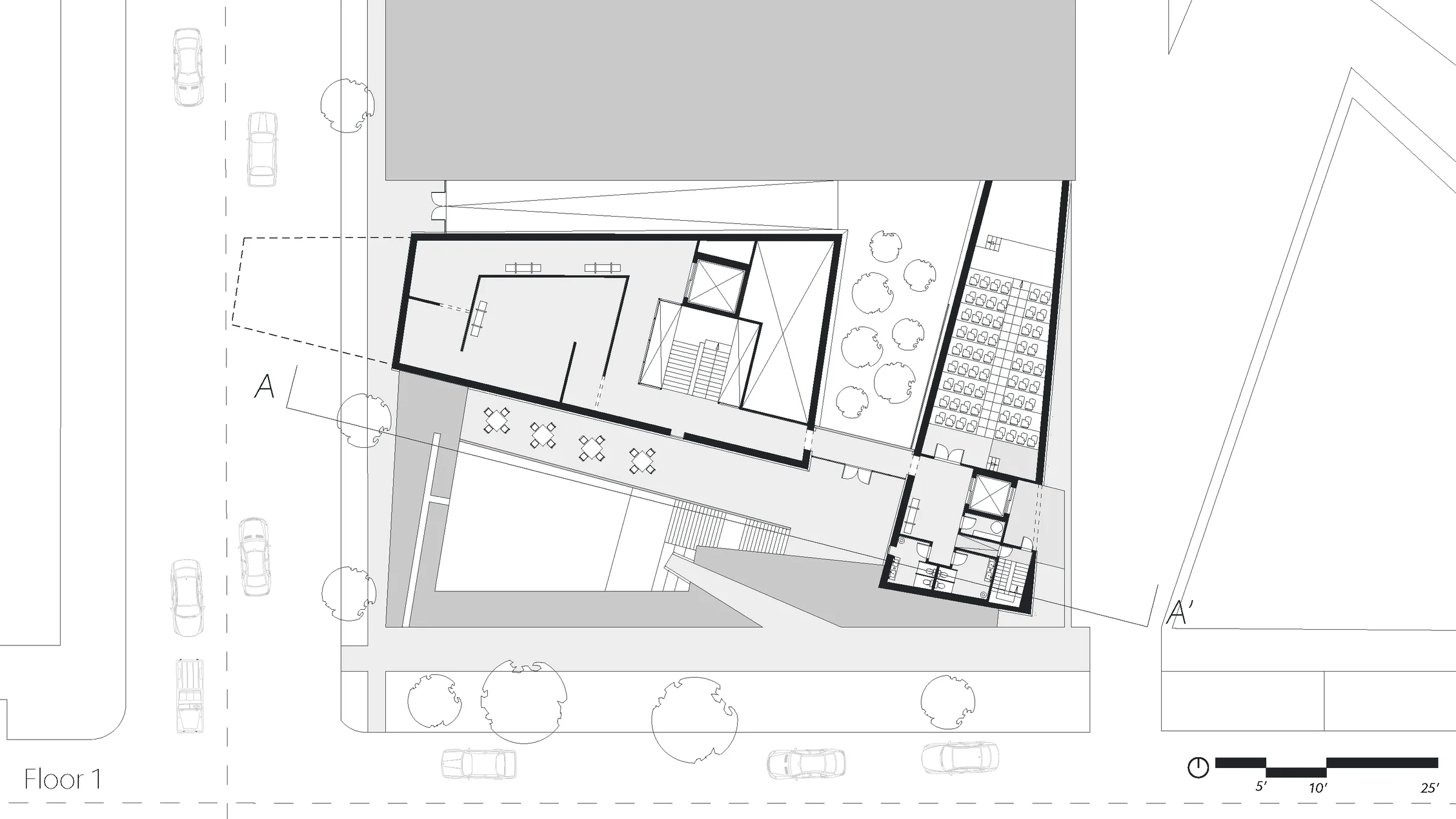
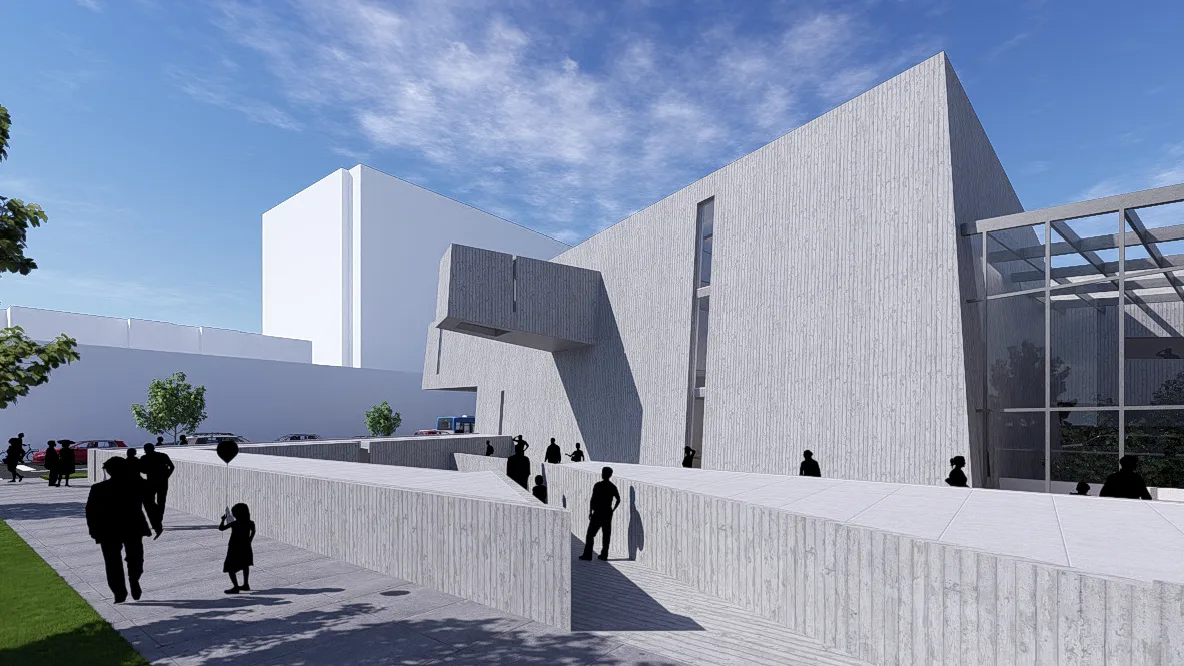
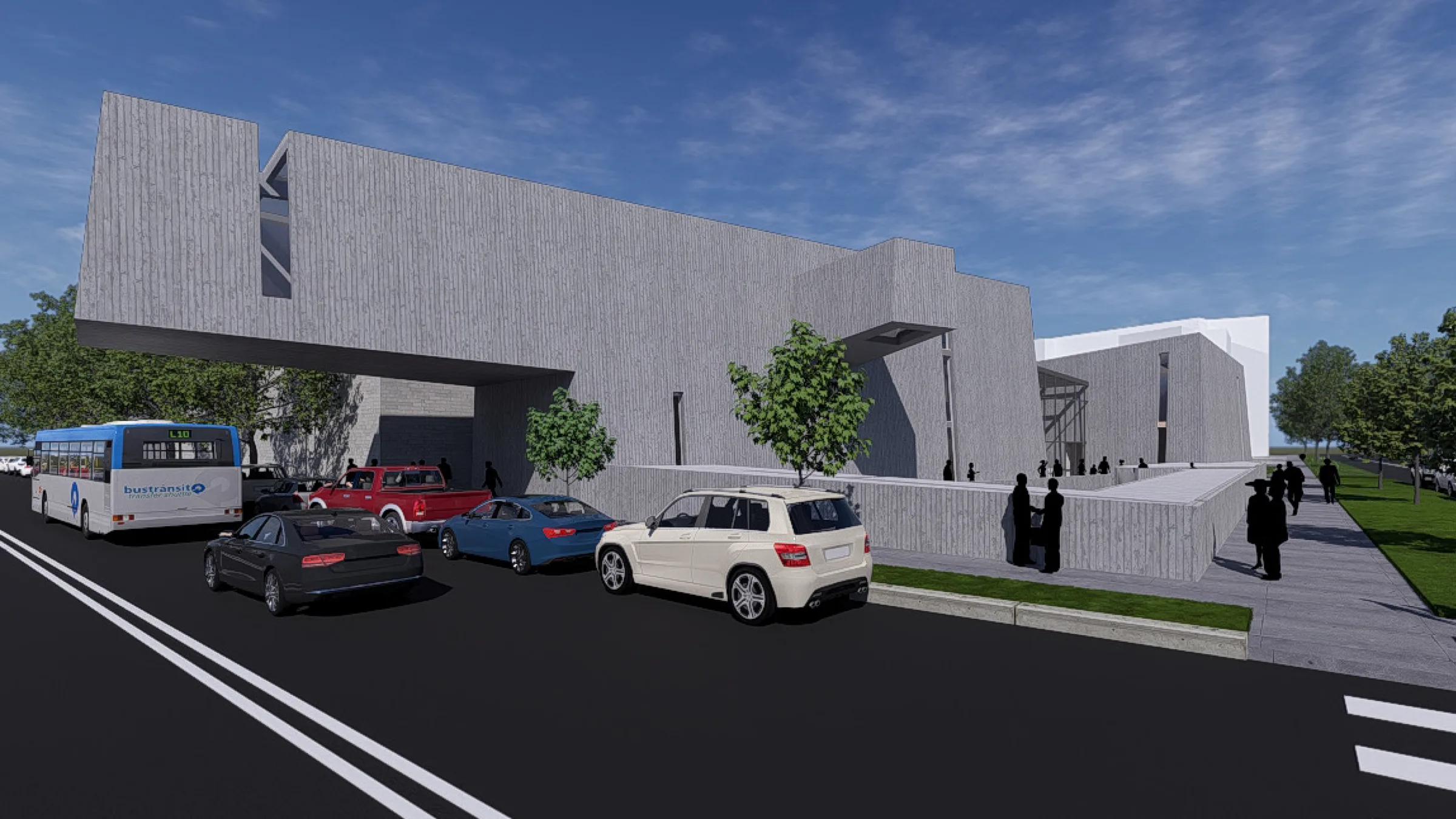
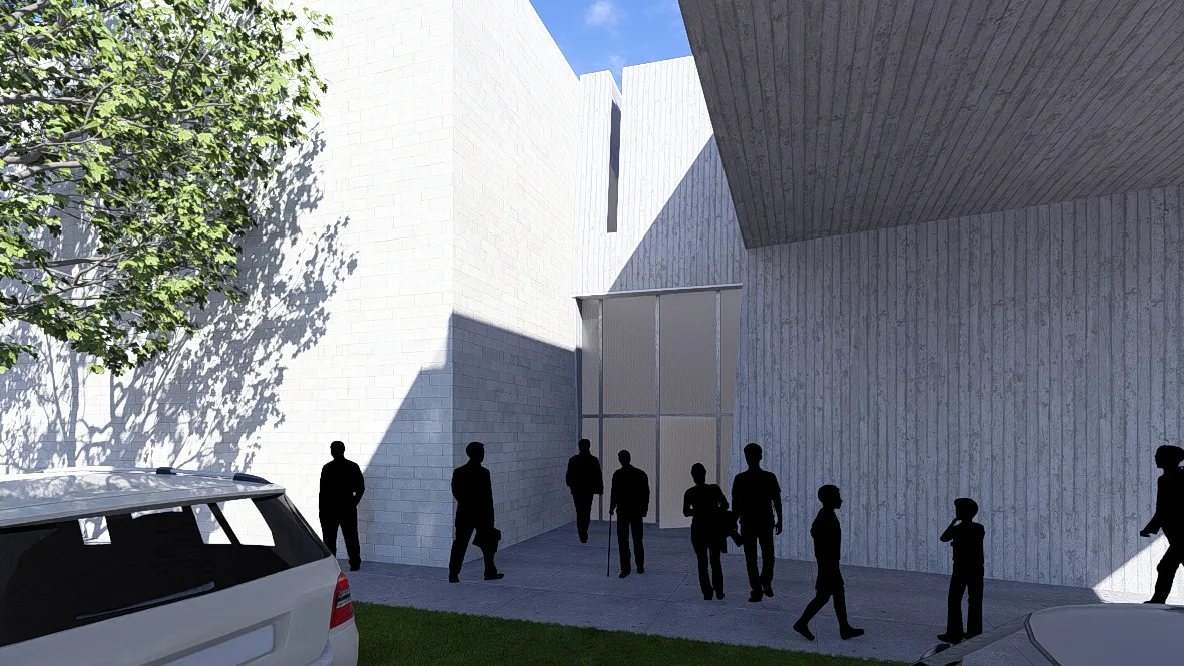
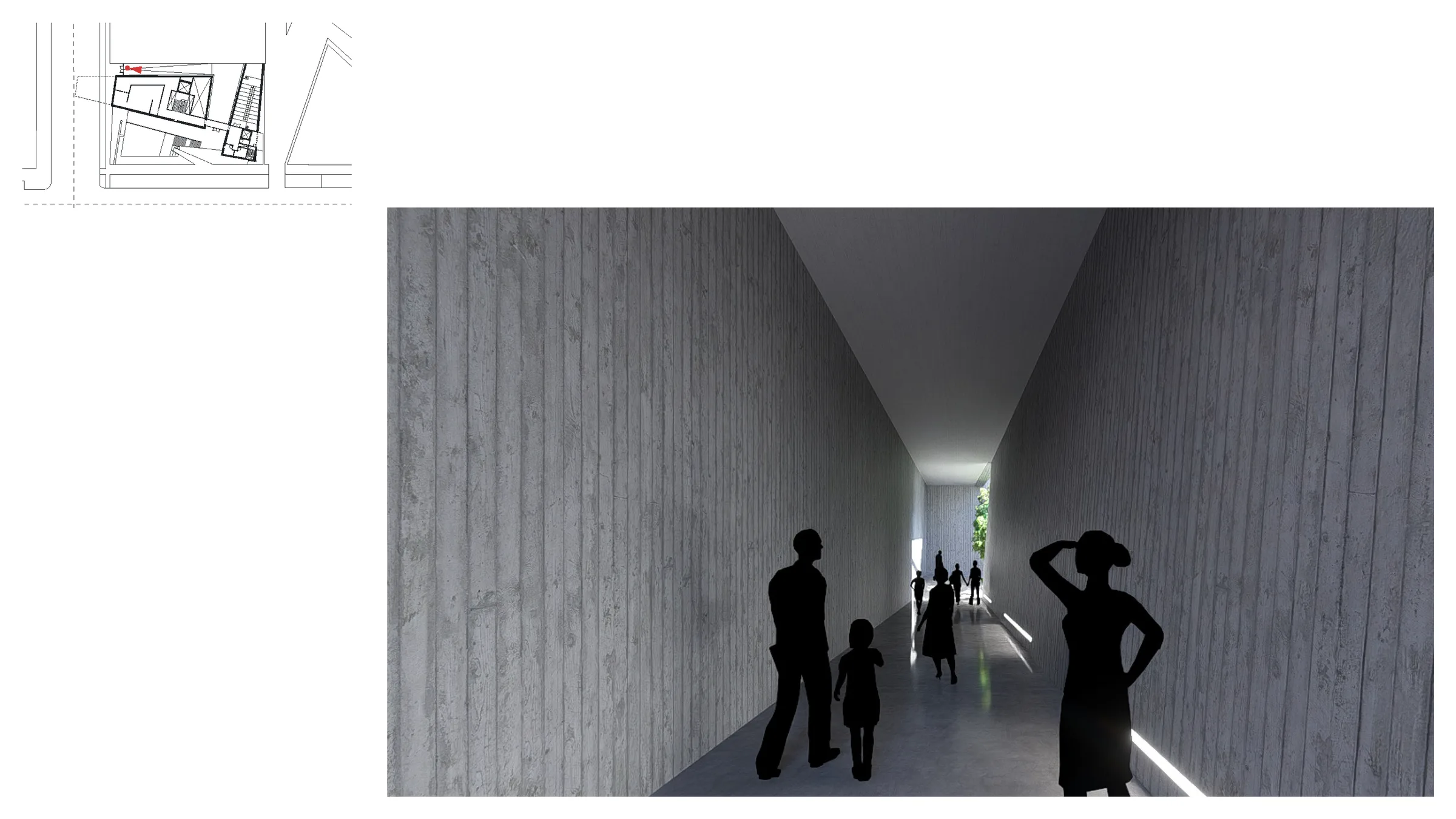
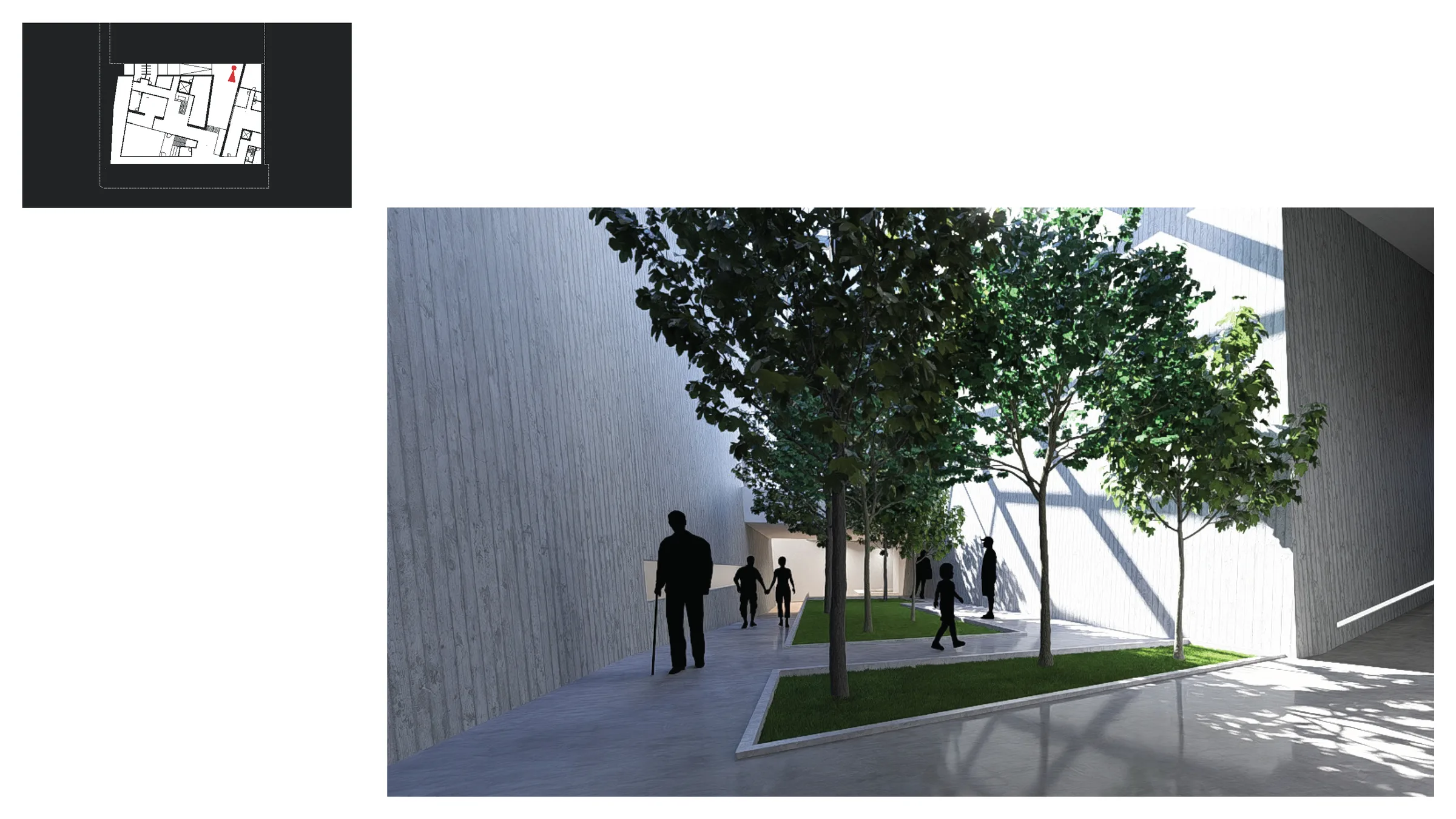
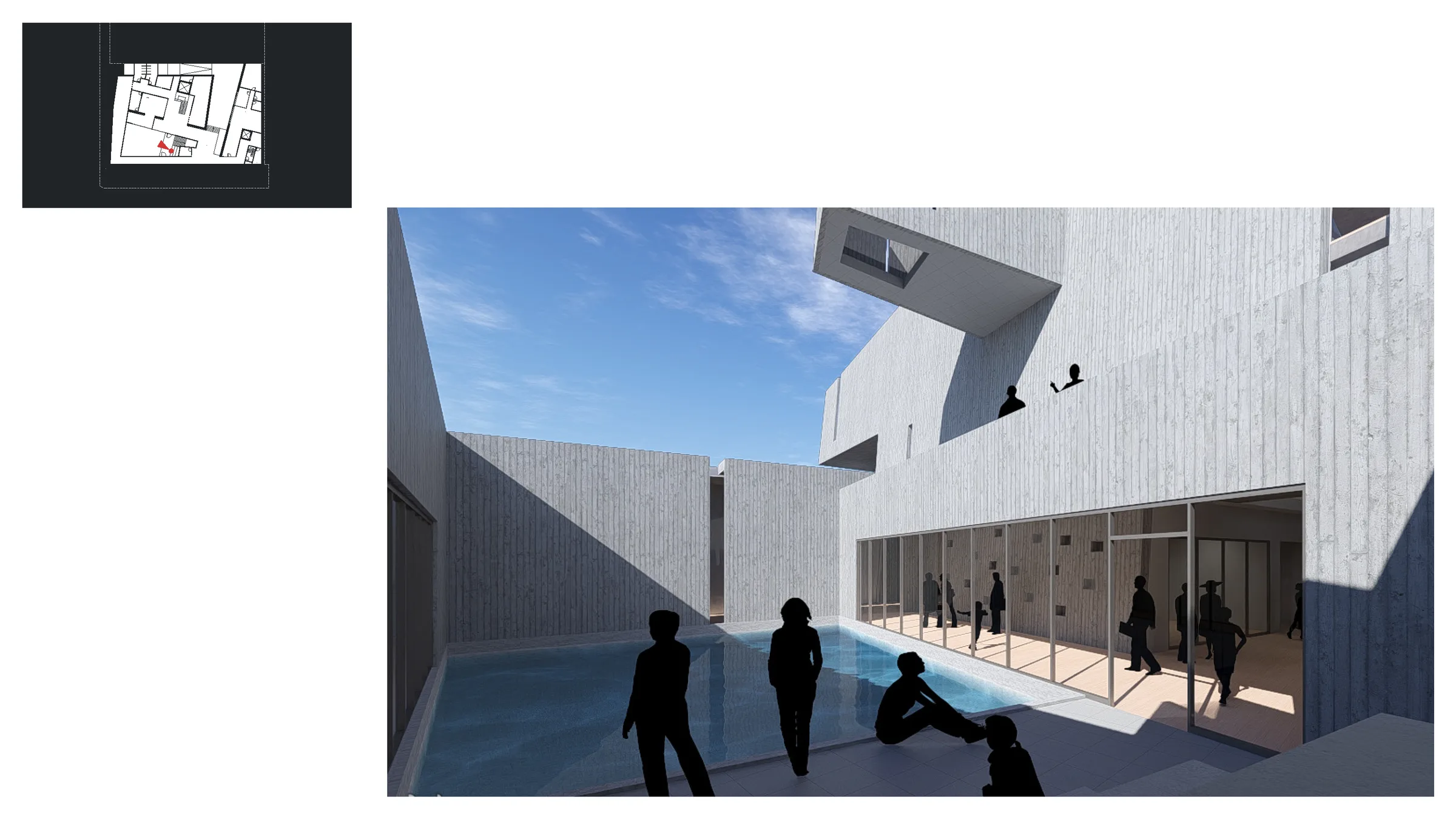
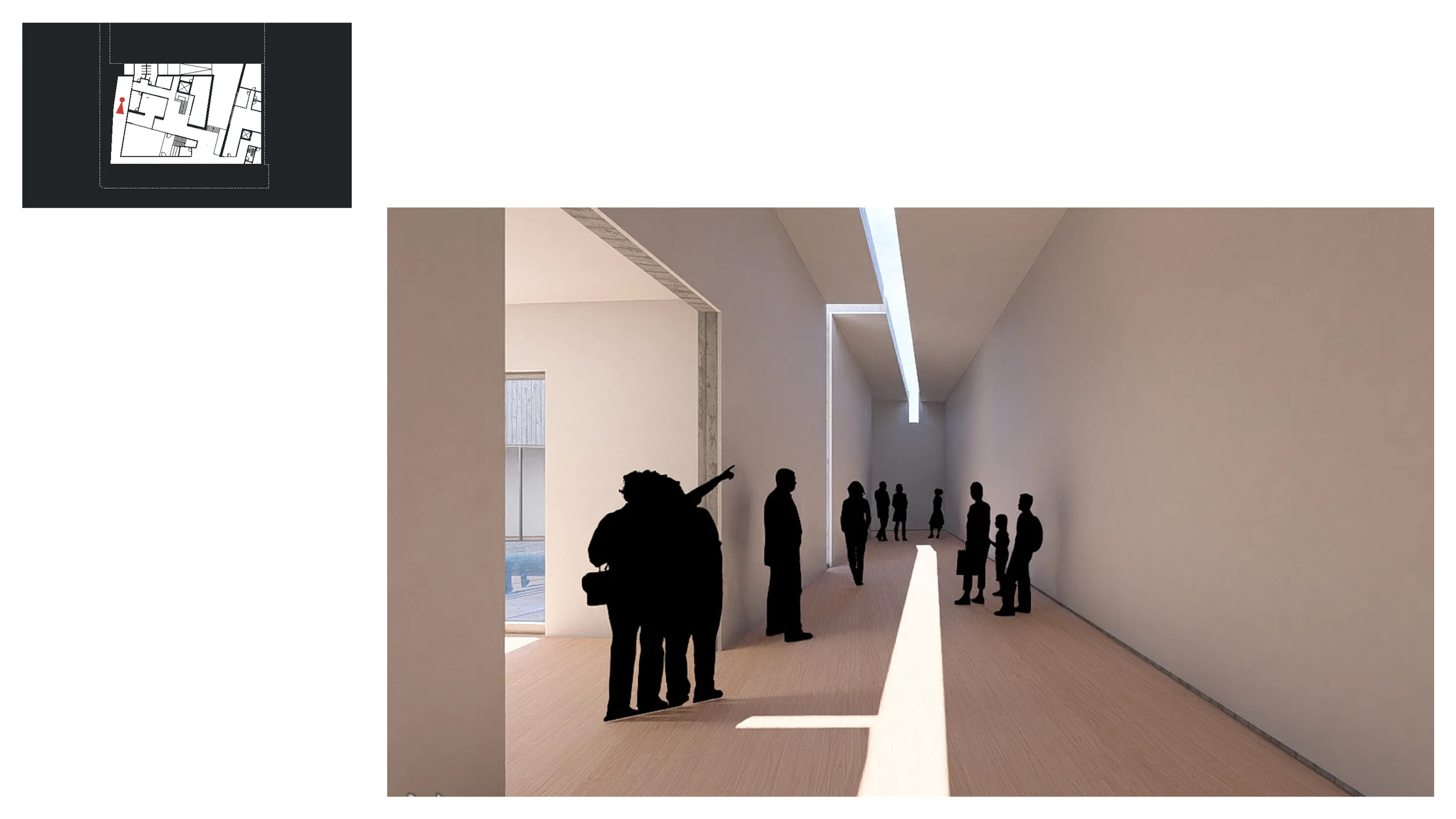
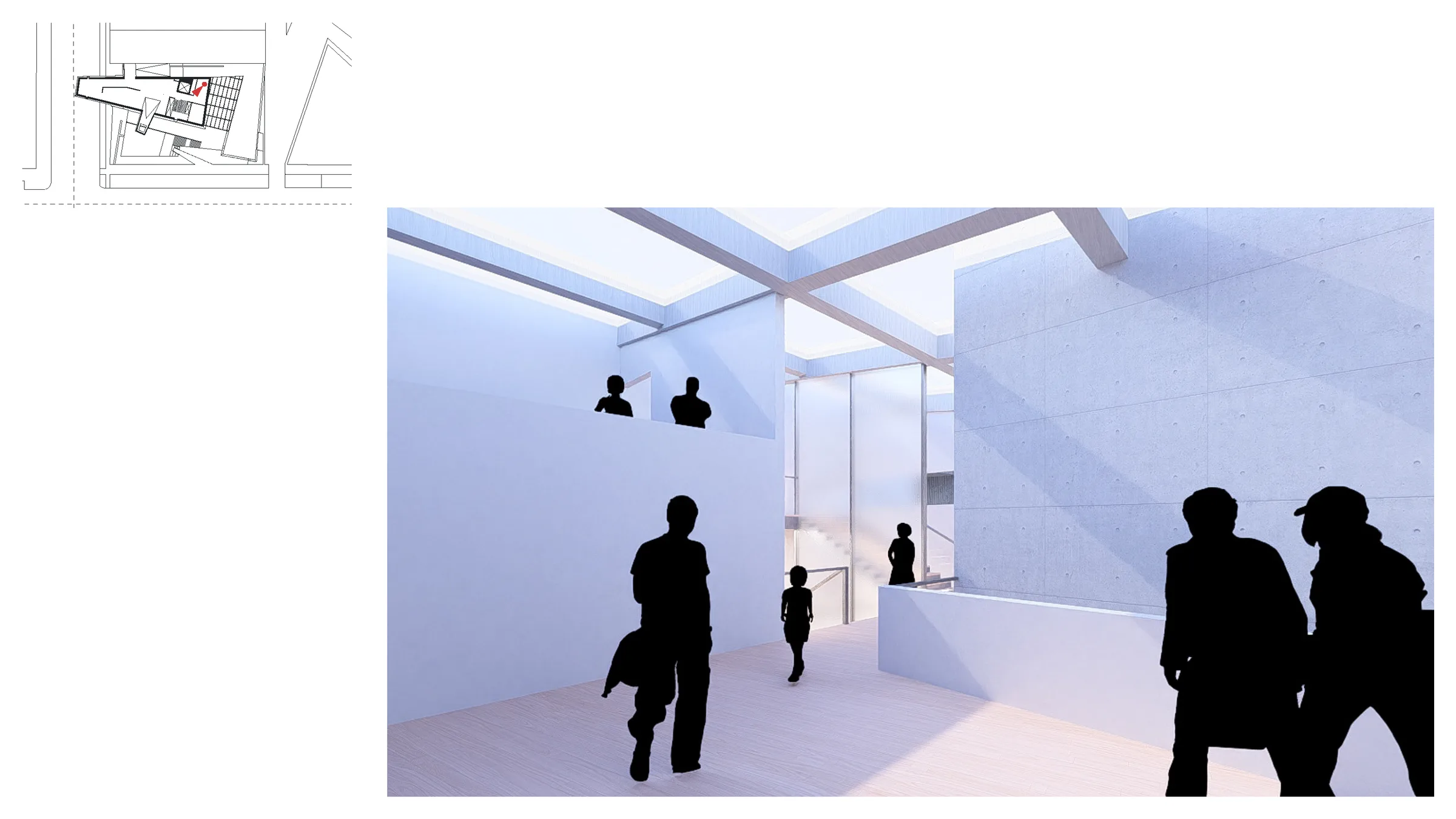
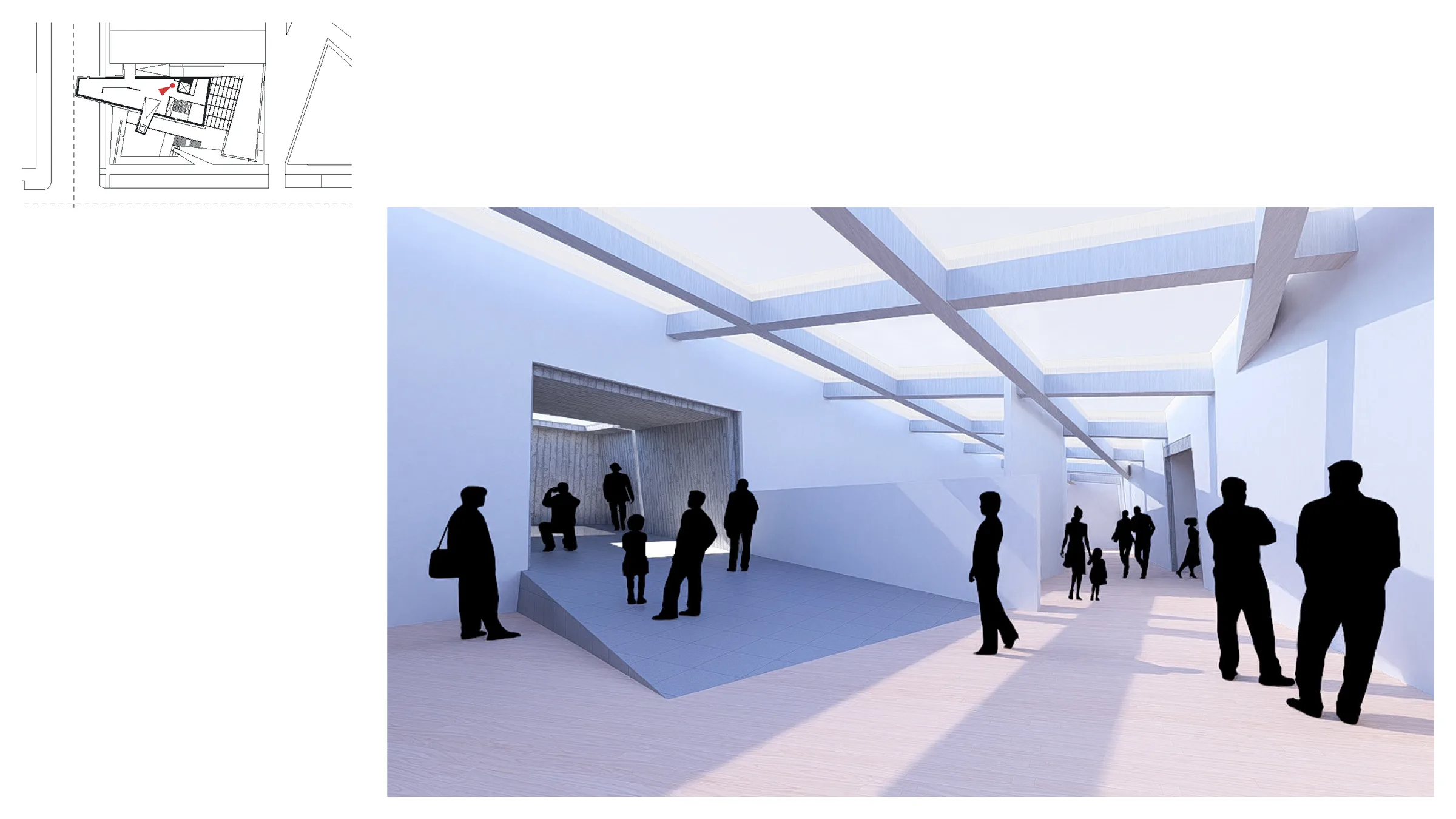
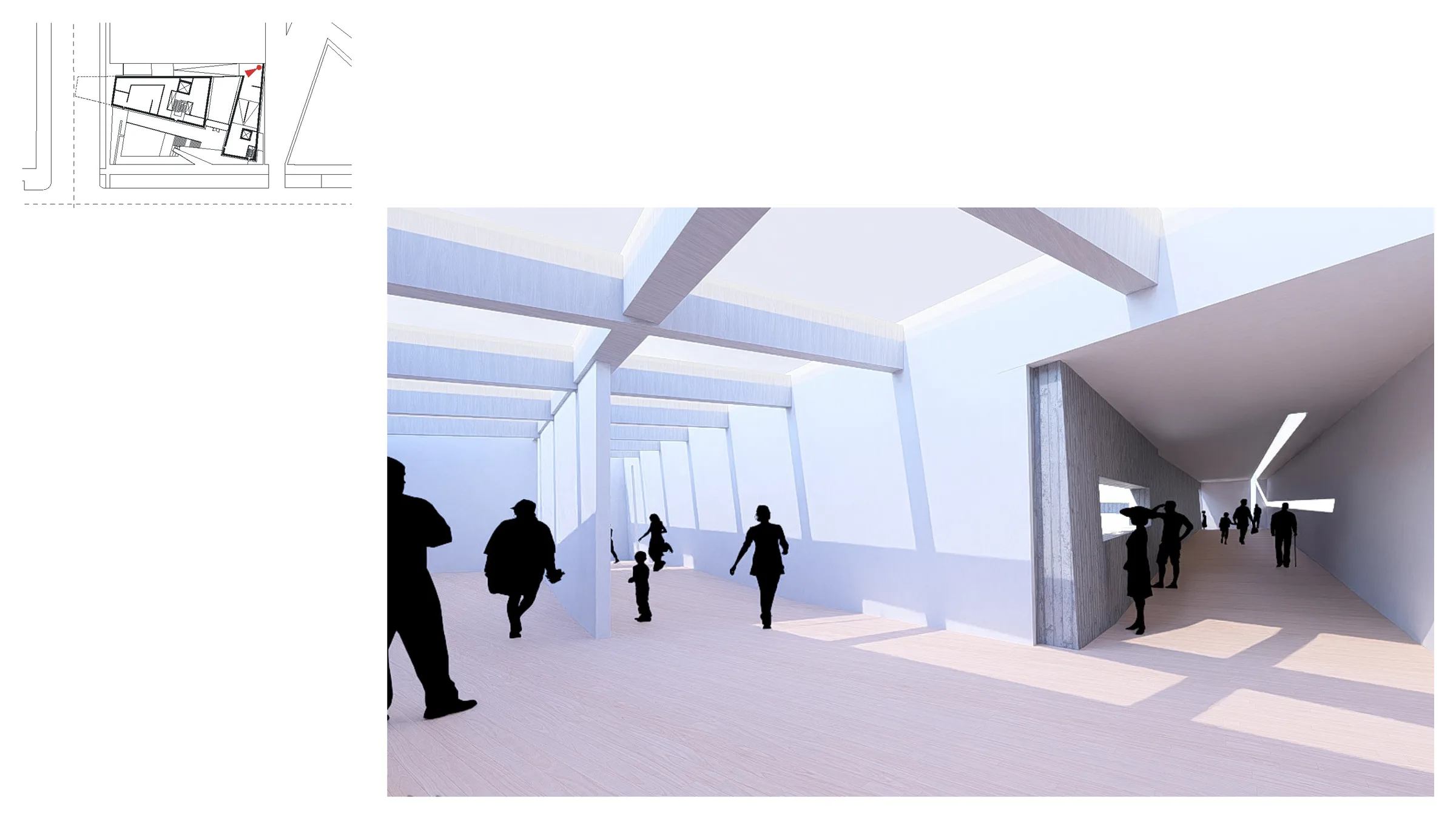
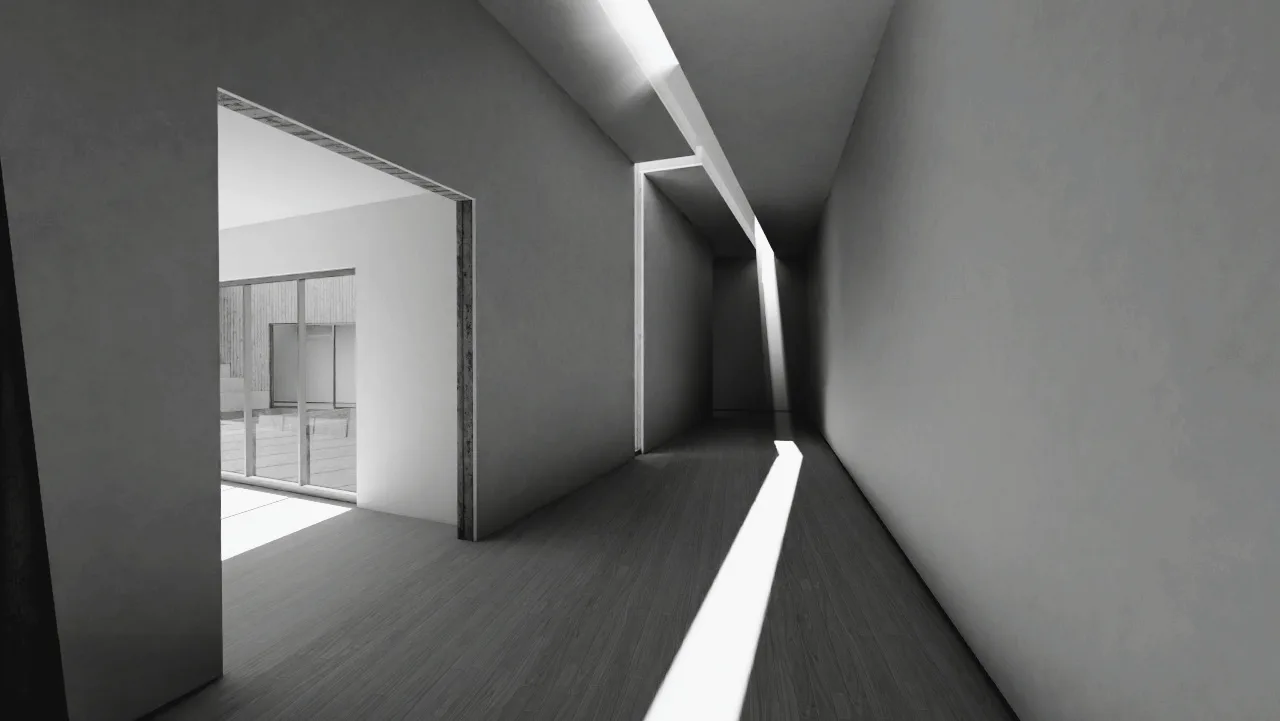
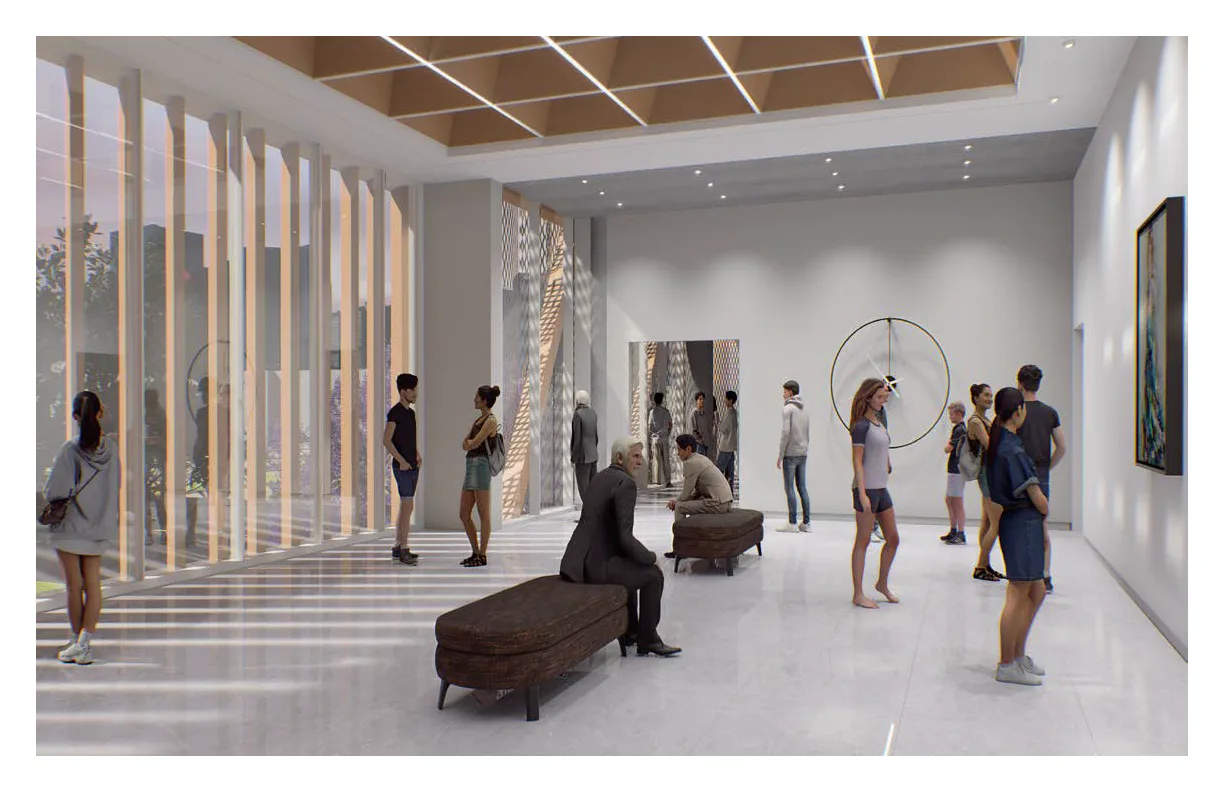
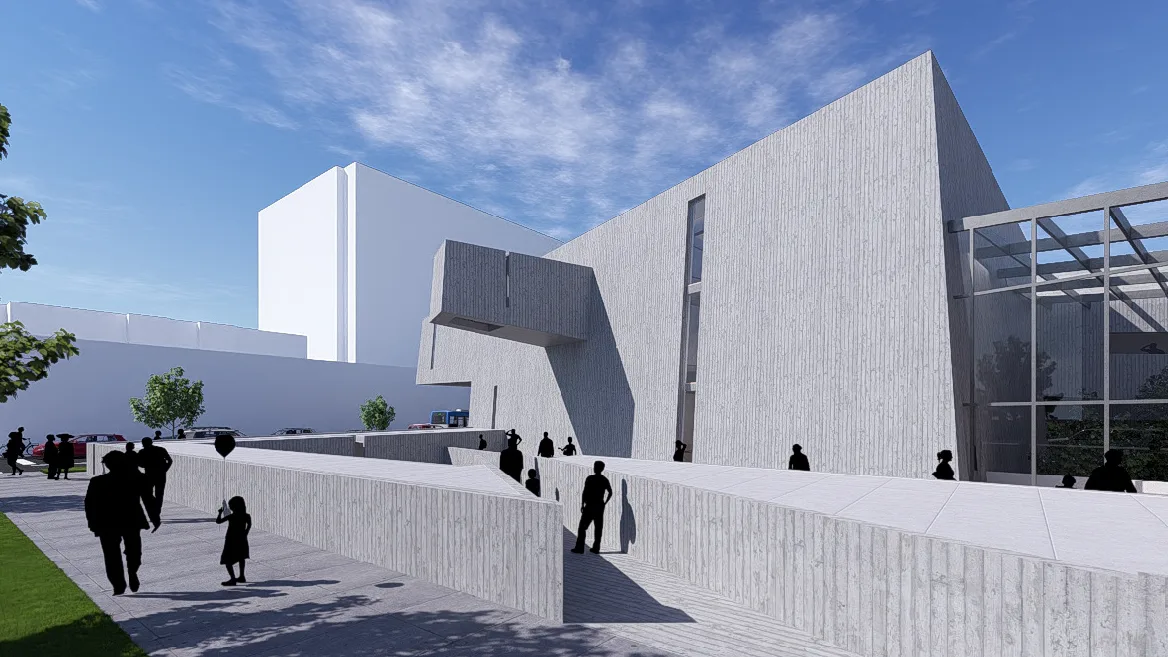
This proposal organizes the museum through shifts in light, scale, sound, compression, and openness. Narrow passages slow movement before releasing visitors into luminous galleries and landscaped courts. The sequence makes attention physical: orientation is established through the body as much as through signage or program. The restrained material palette allows daylight, shadow, water, and occupation to become the primary sources of variation.
Studio Proposal 02
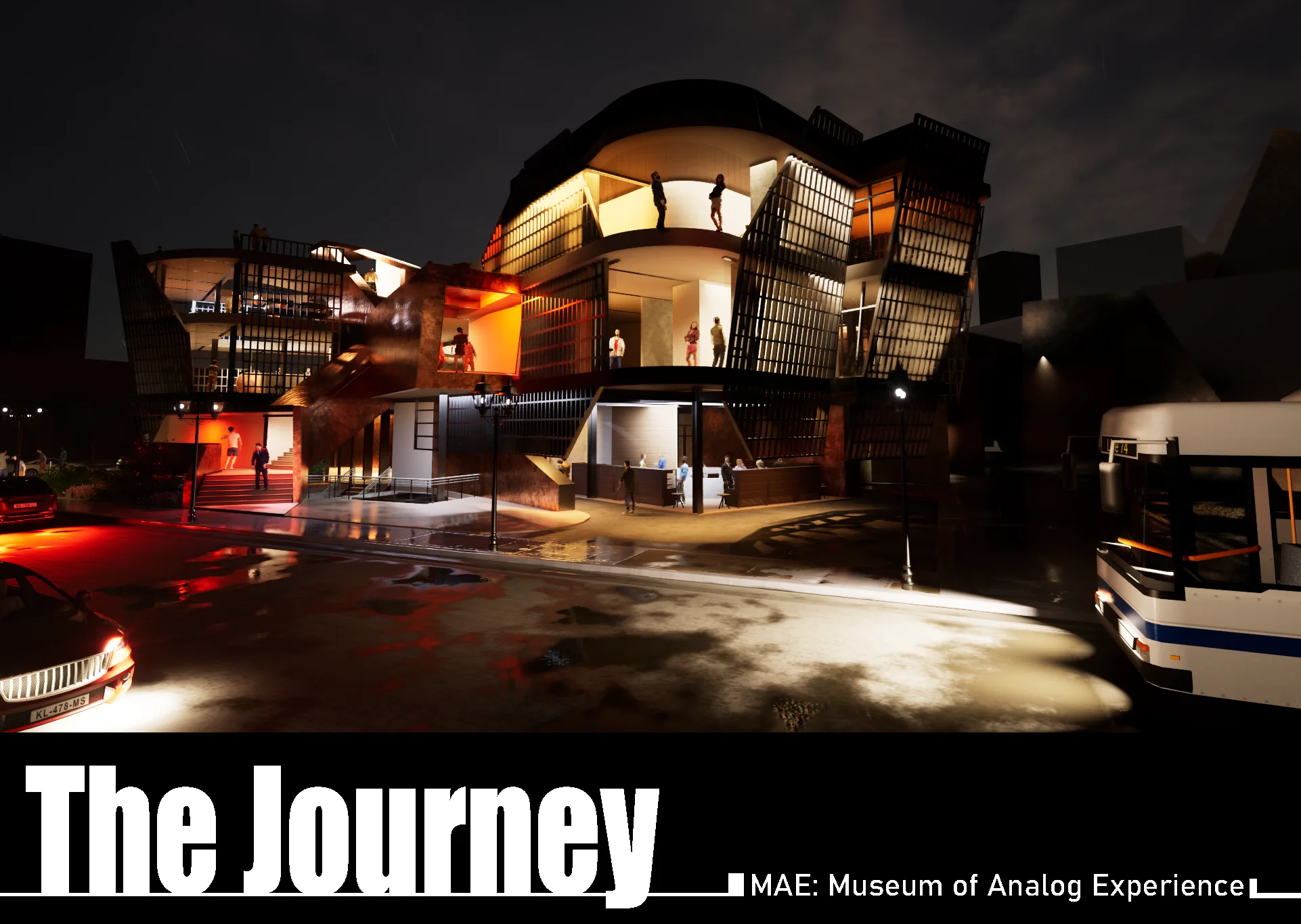
The Journey
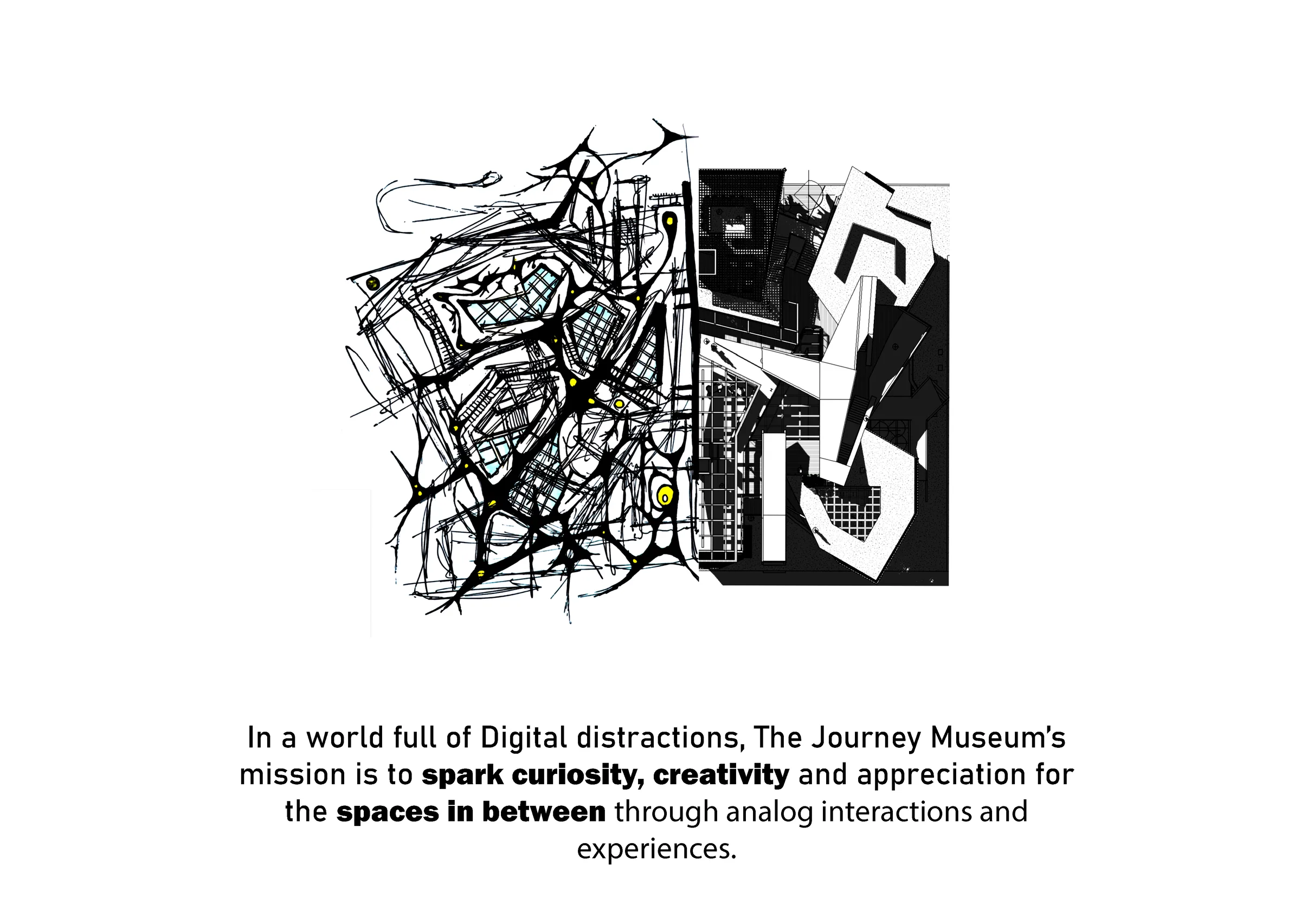
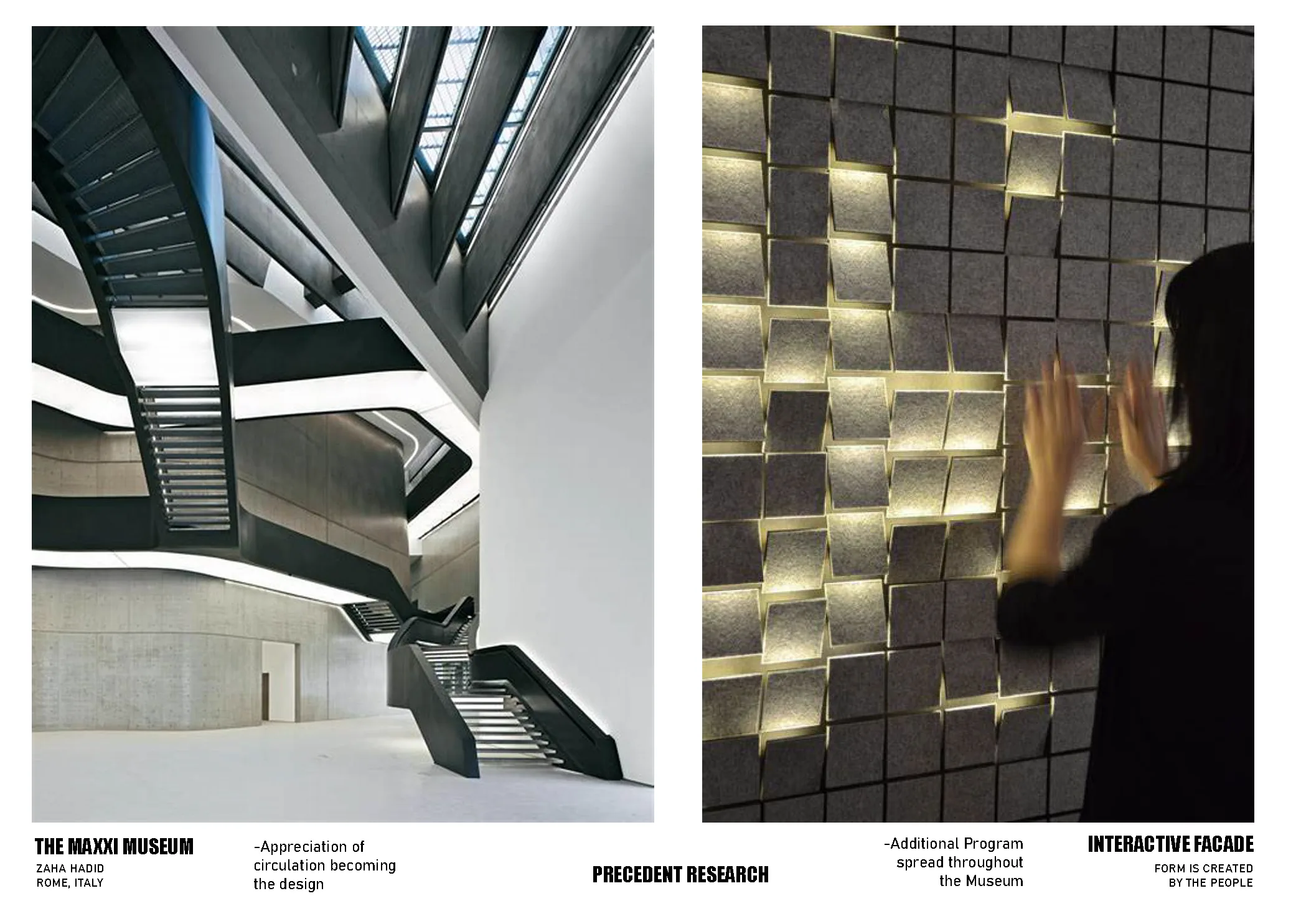
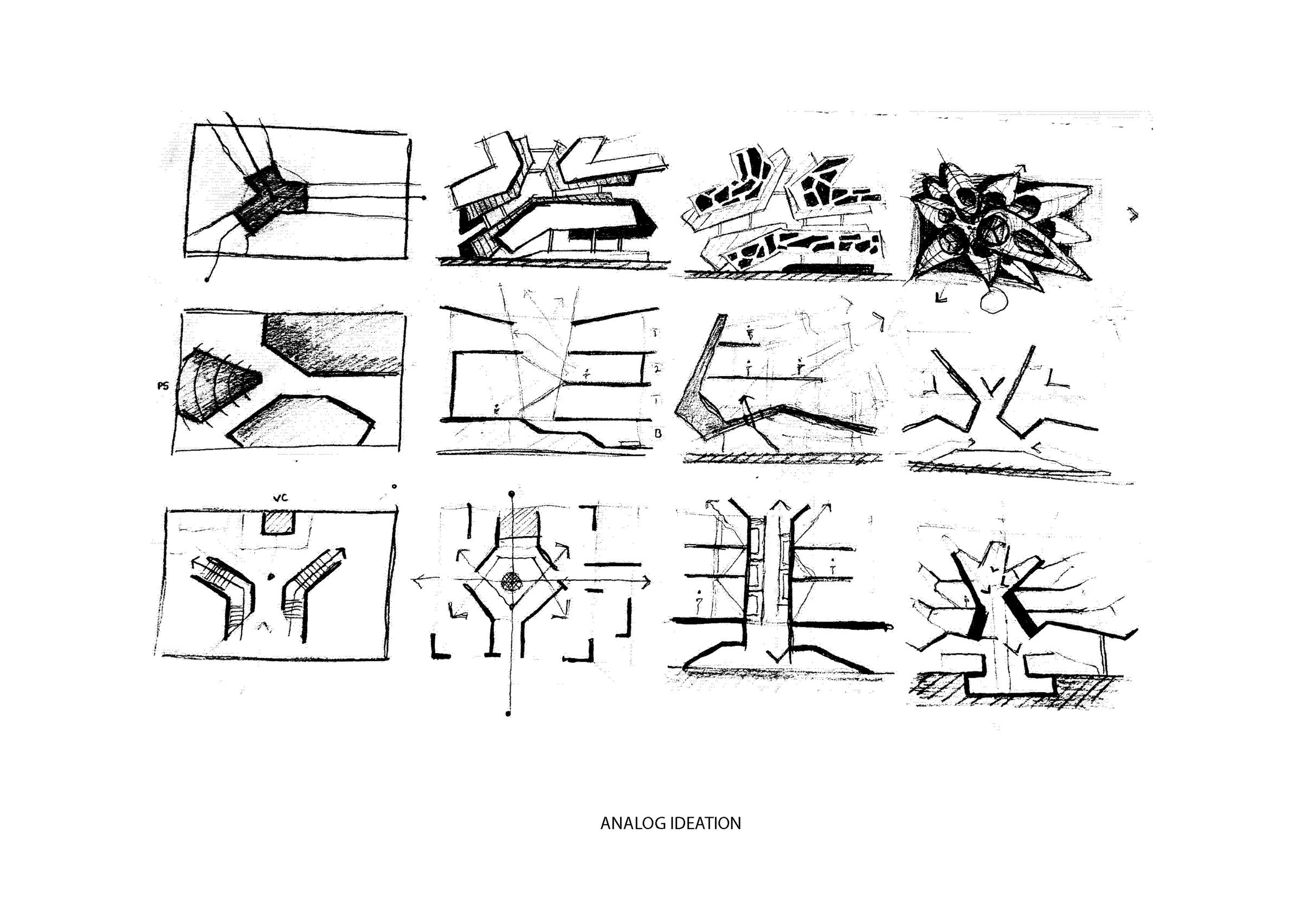
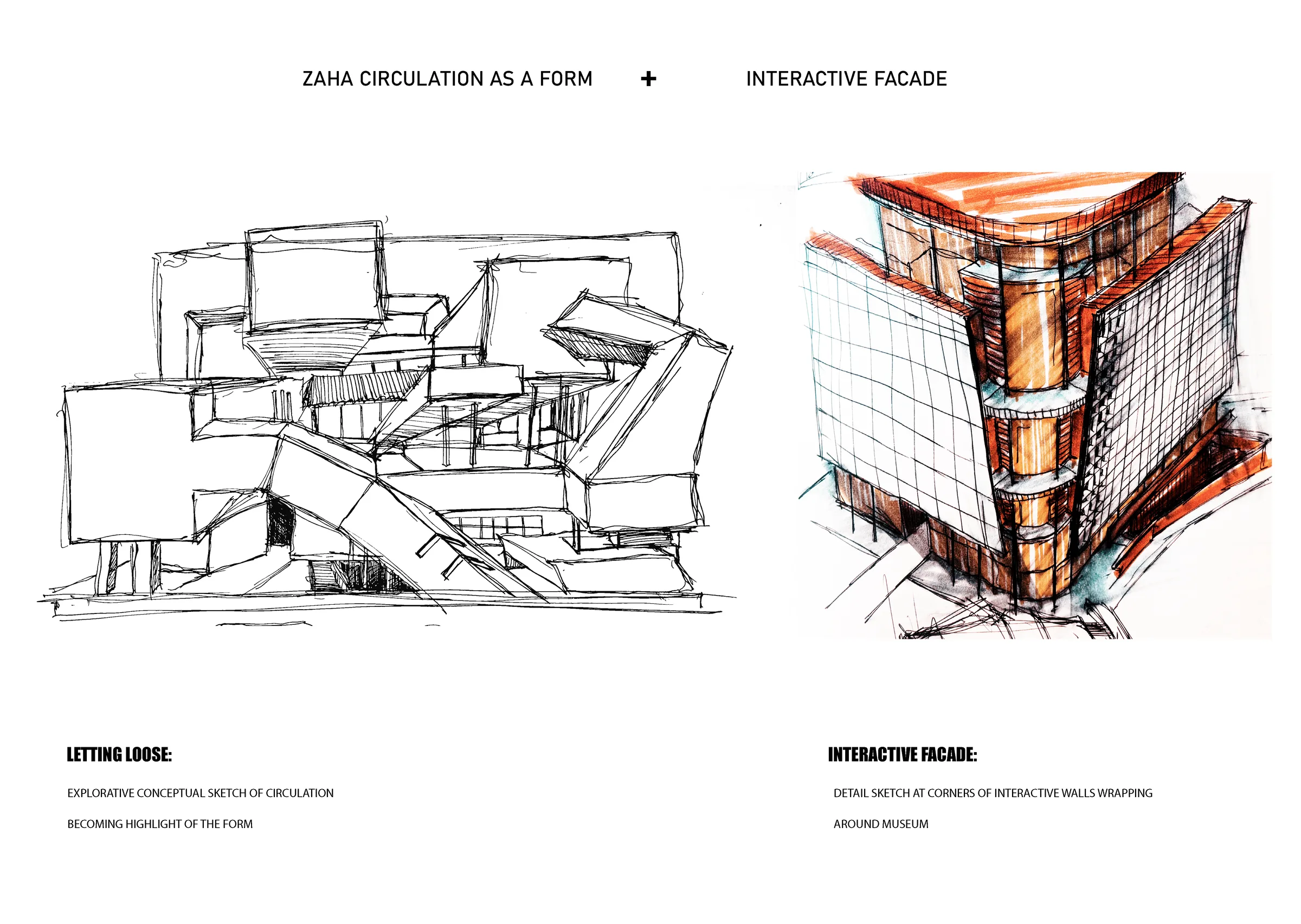
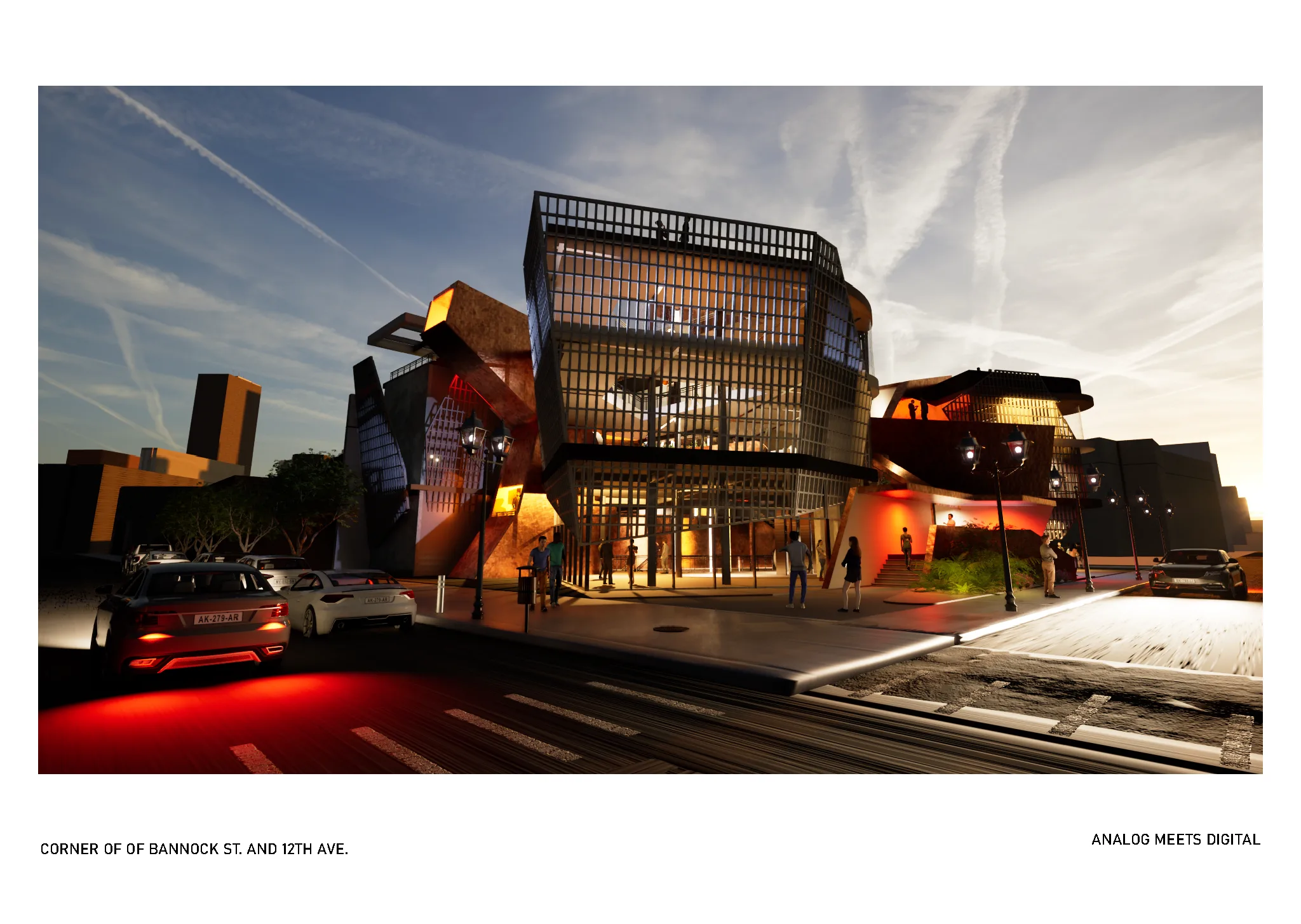
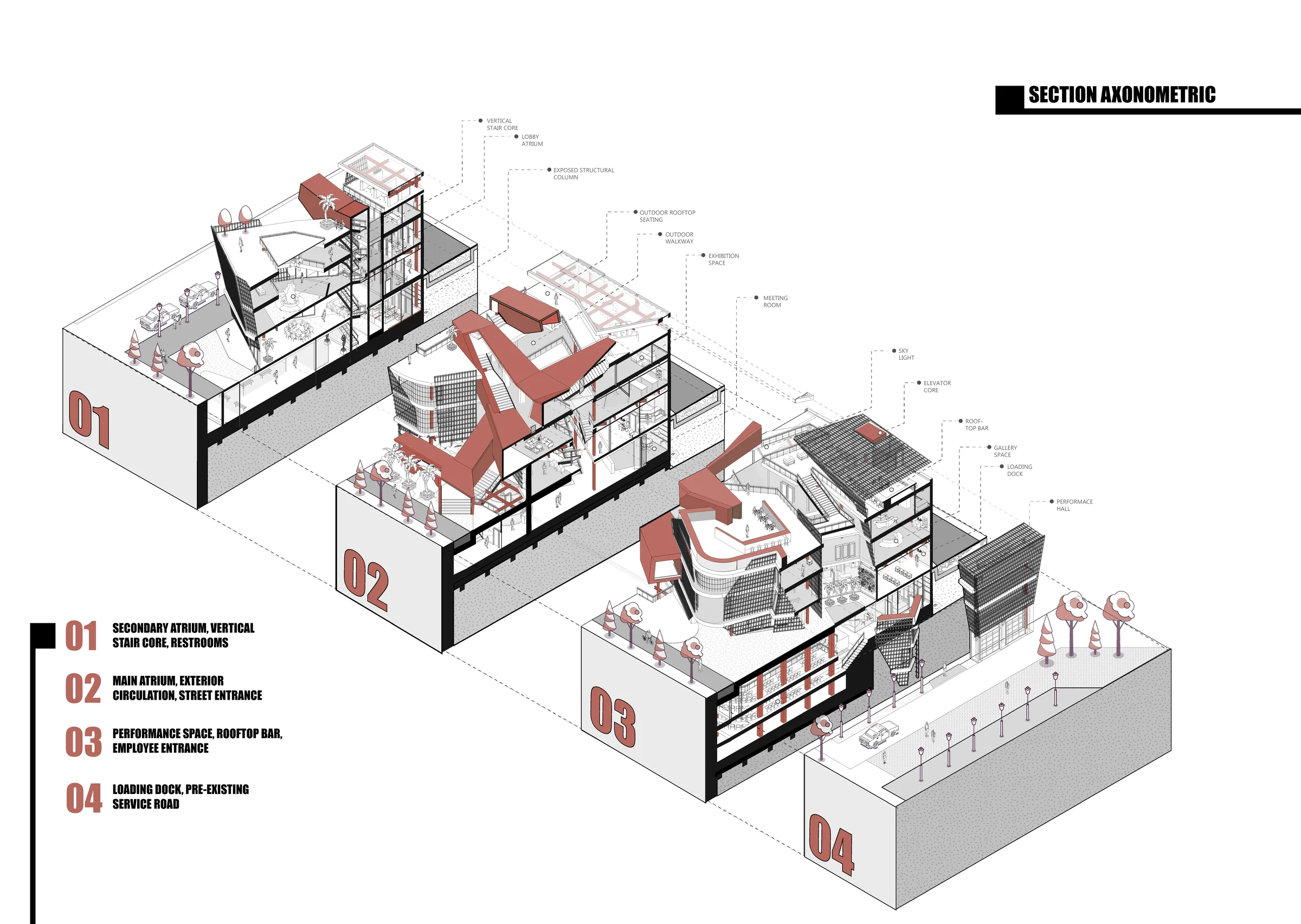
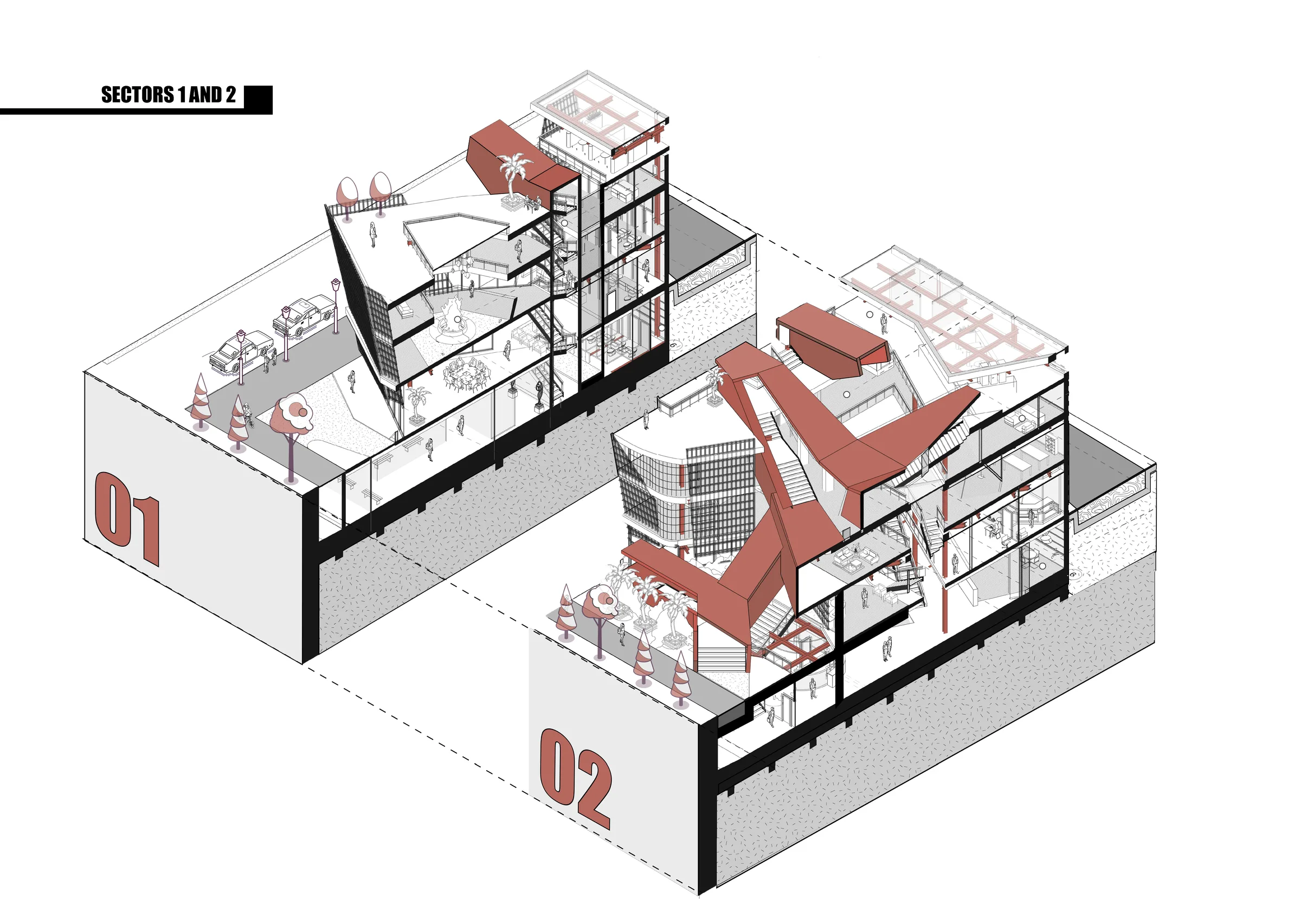
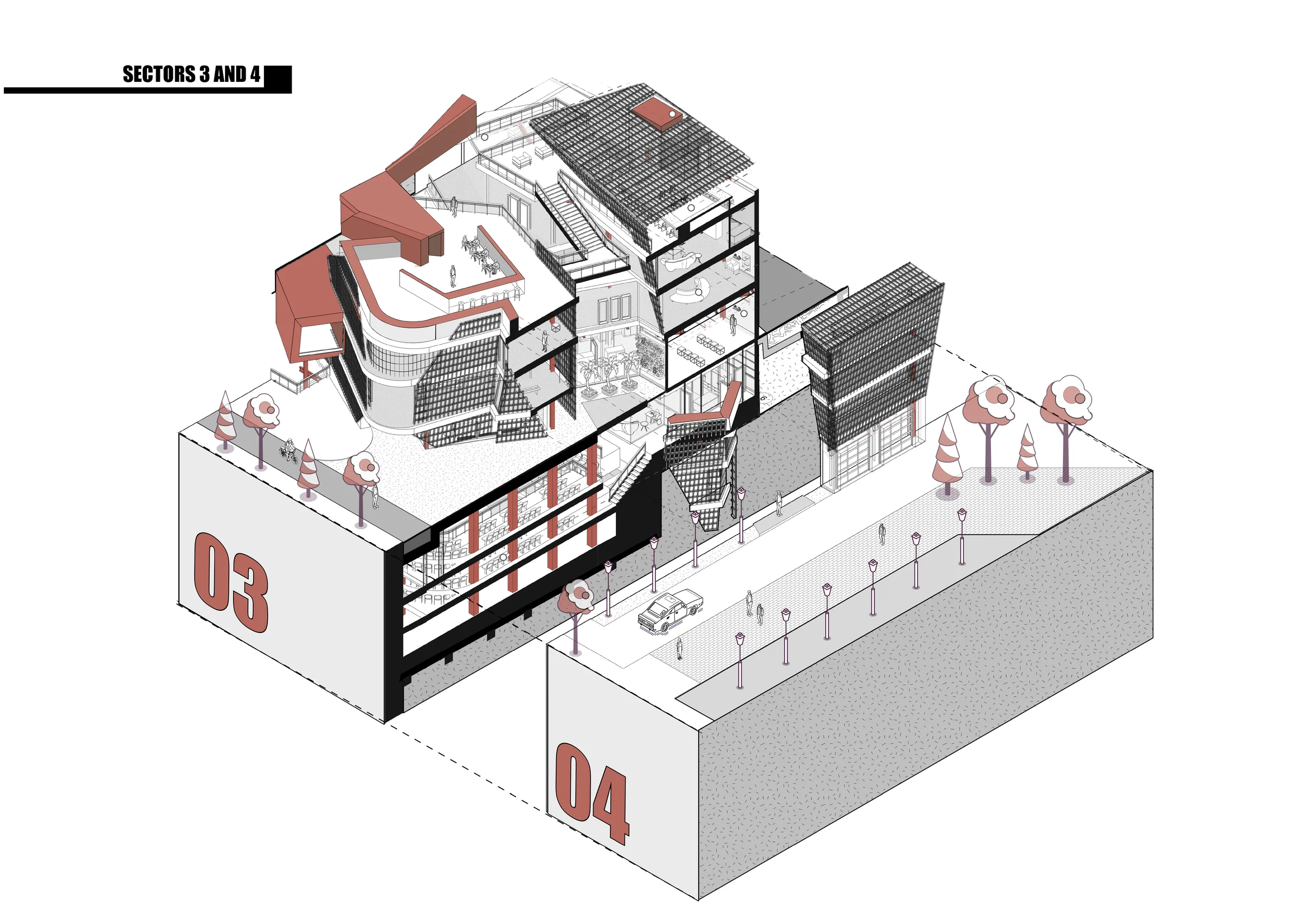
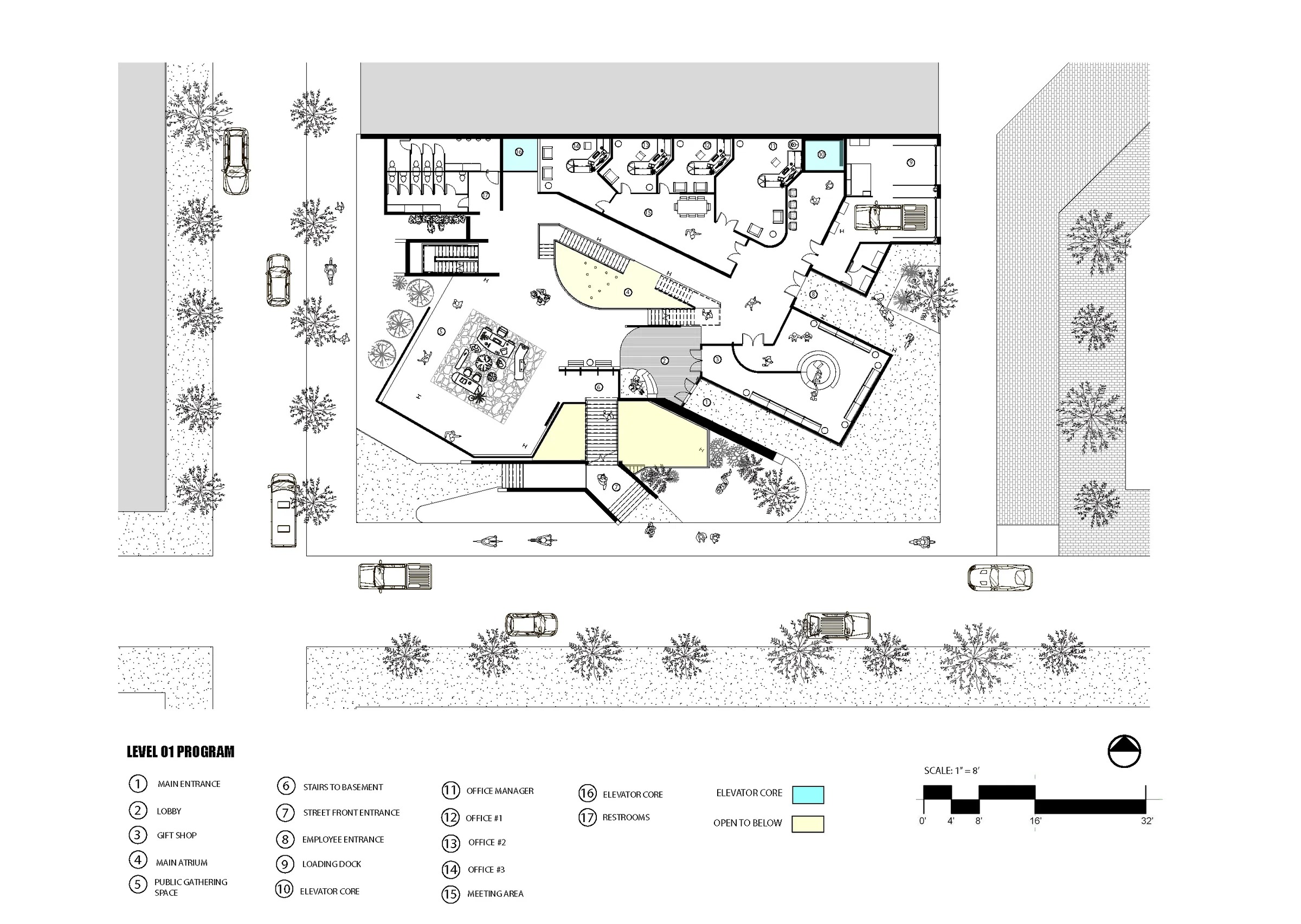
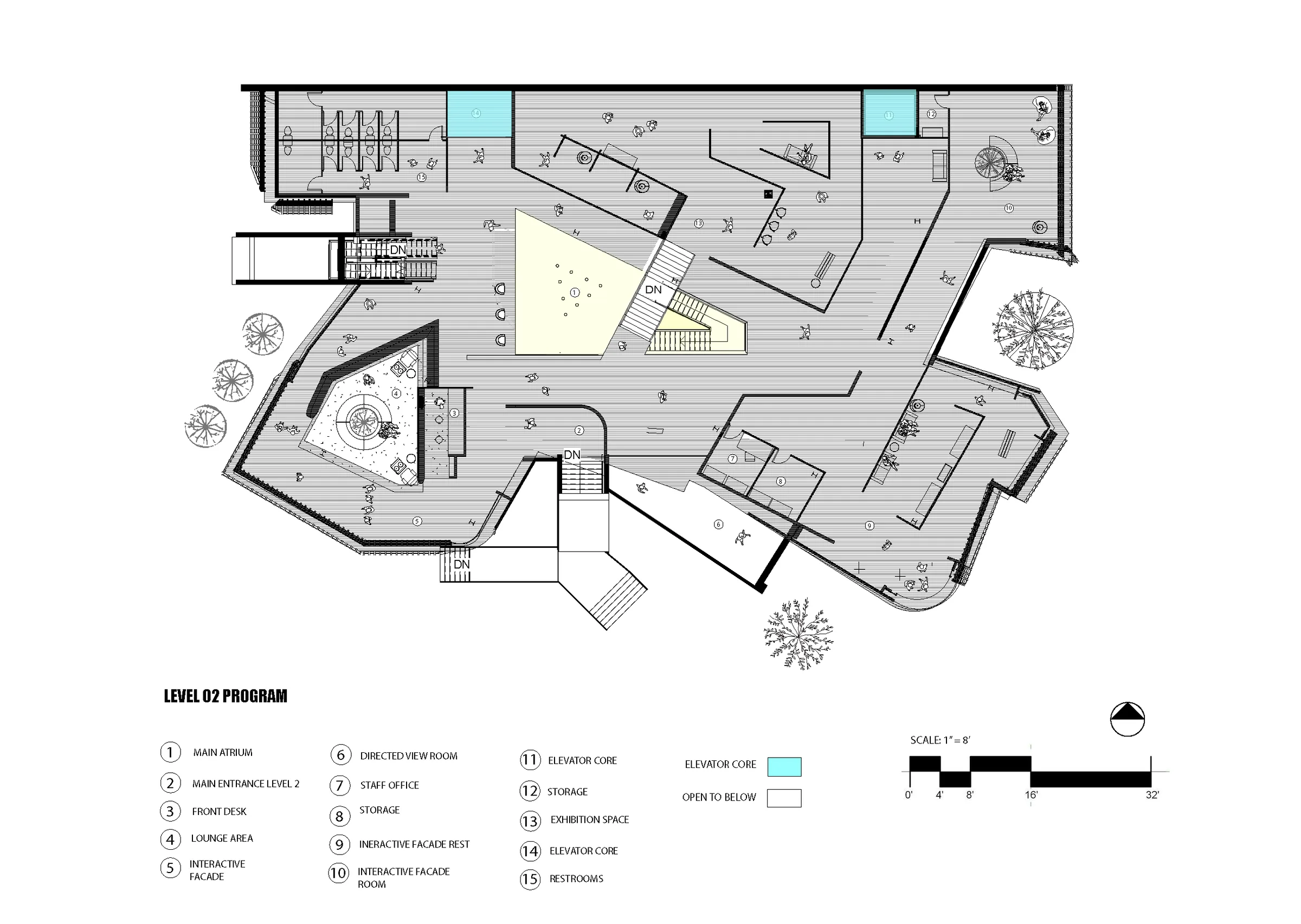
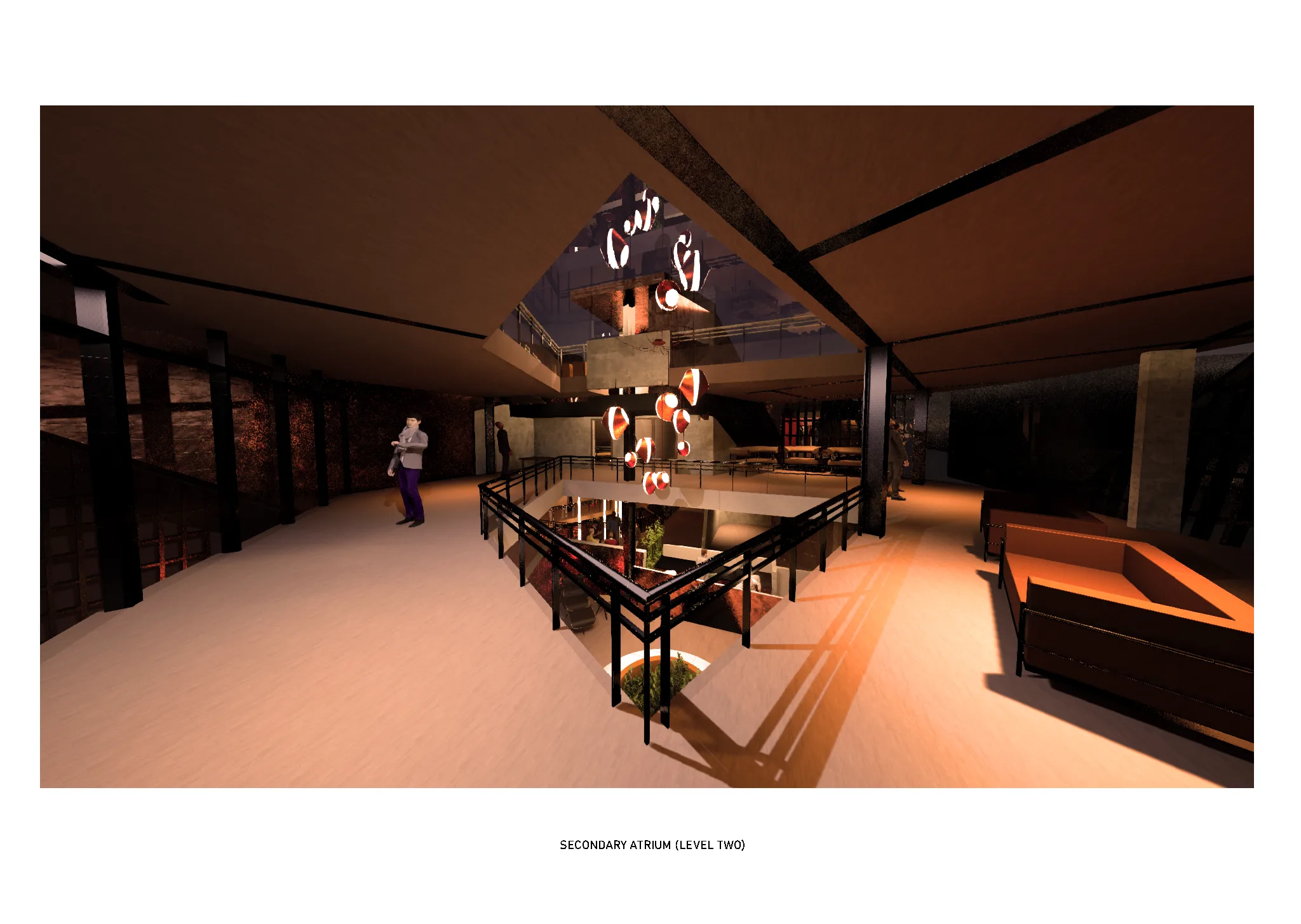
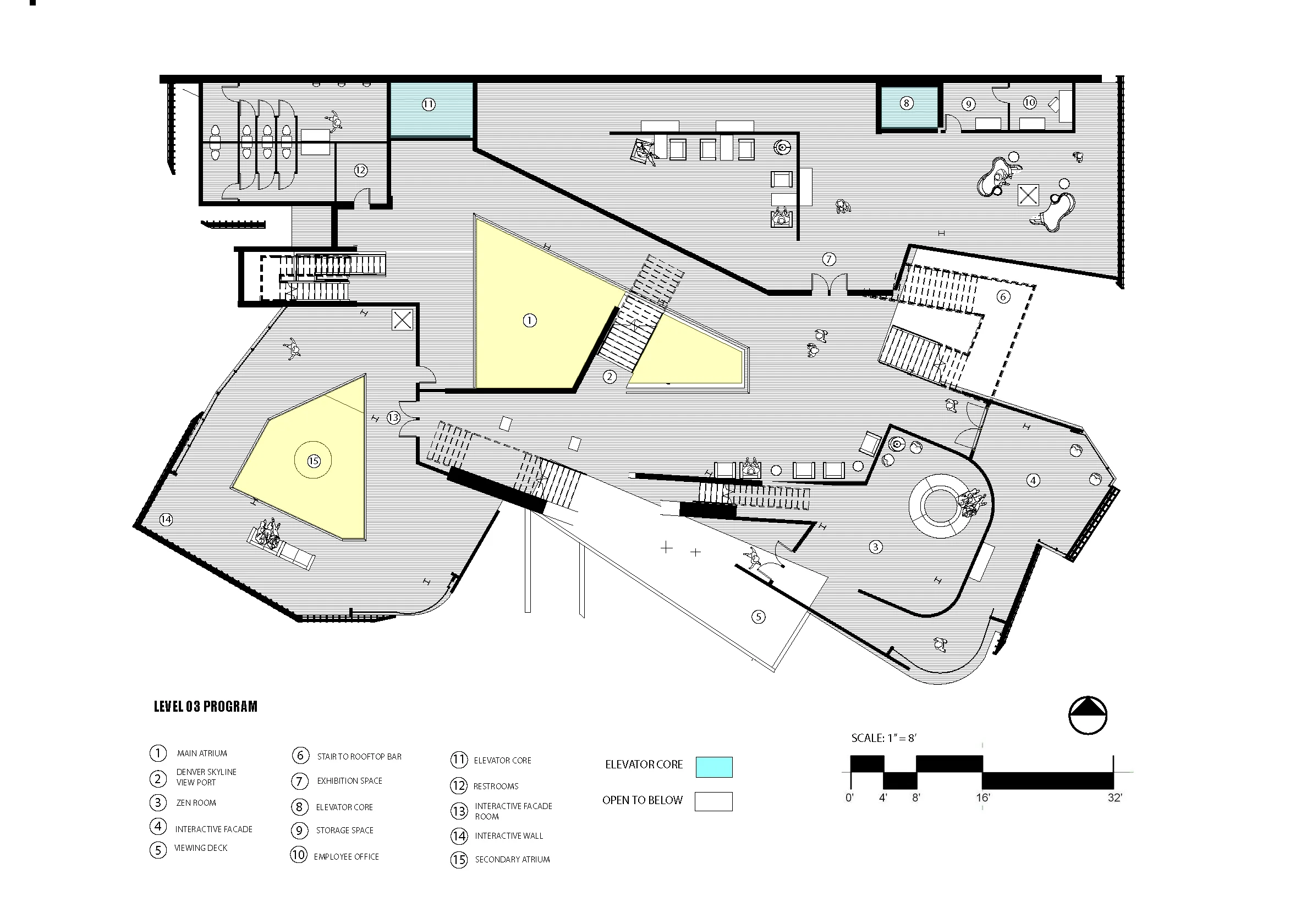
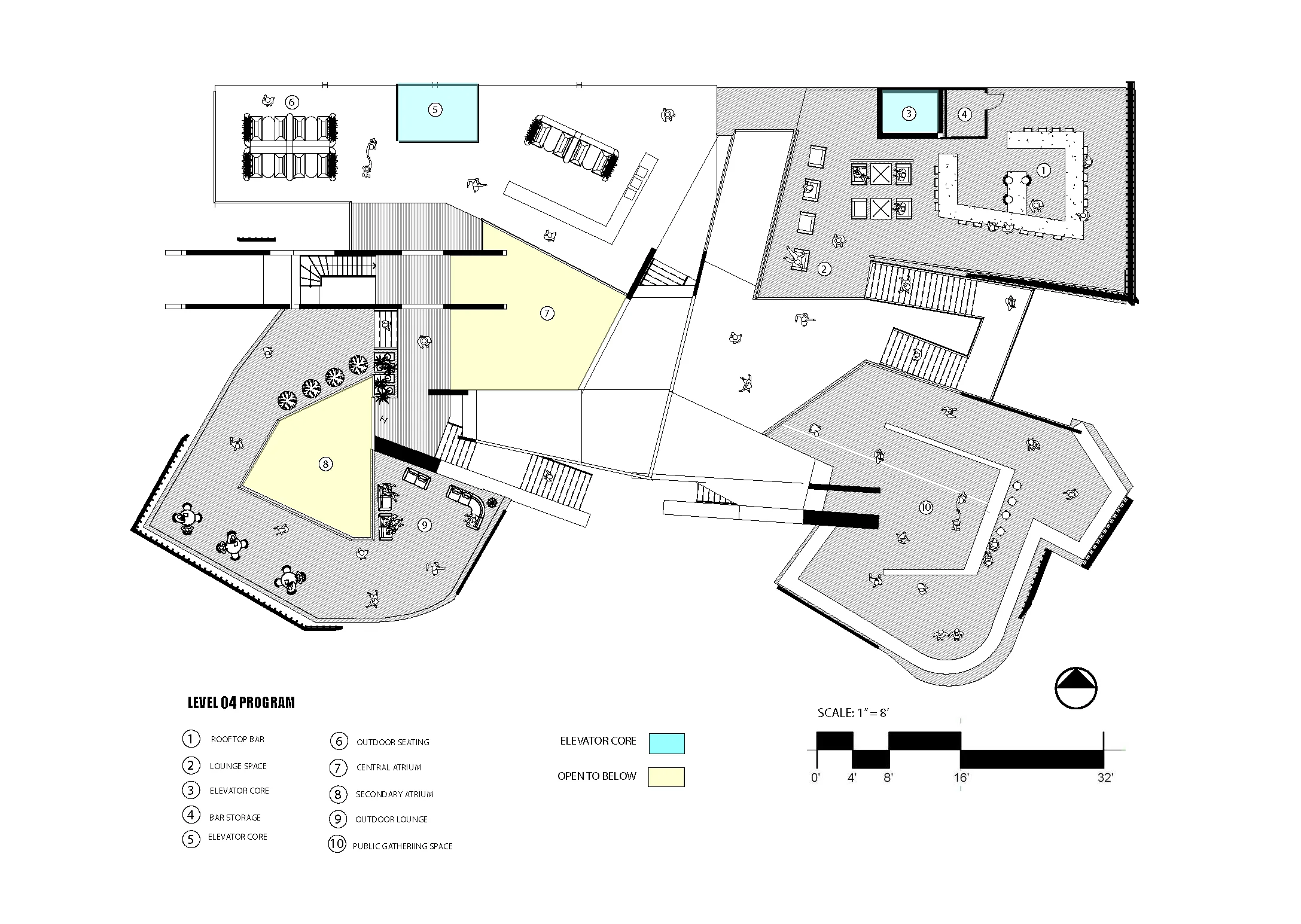
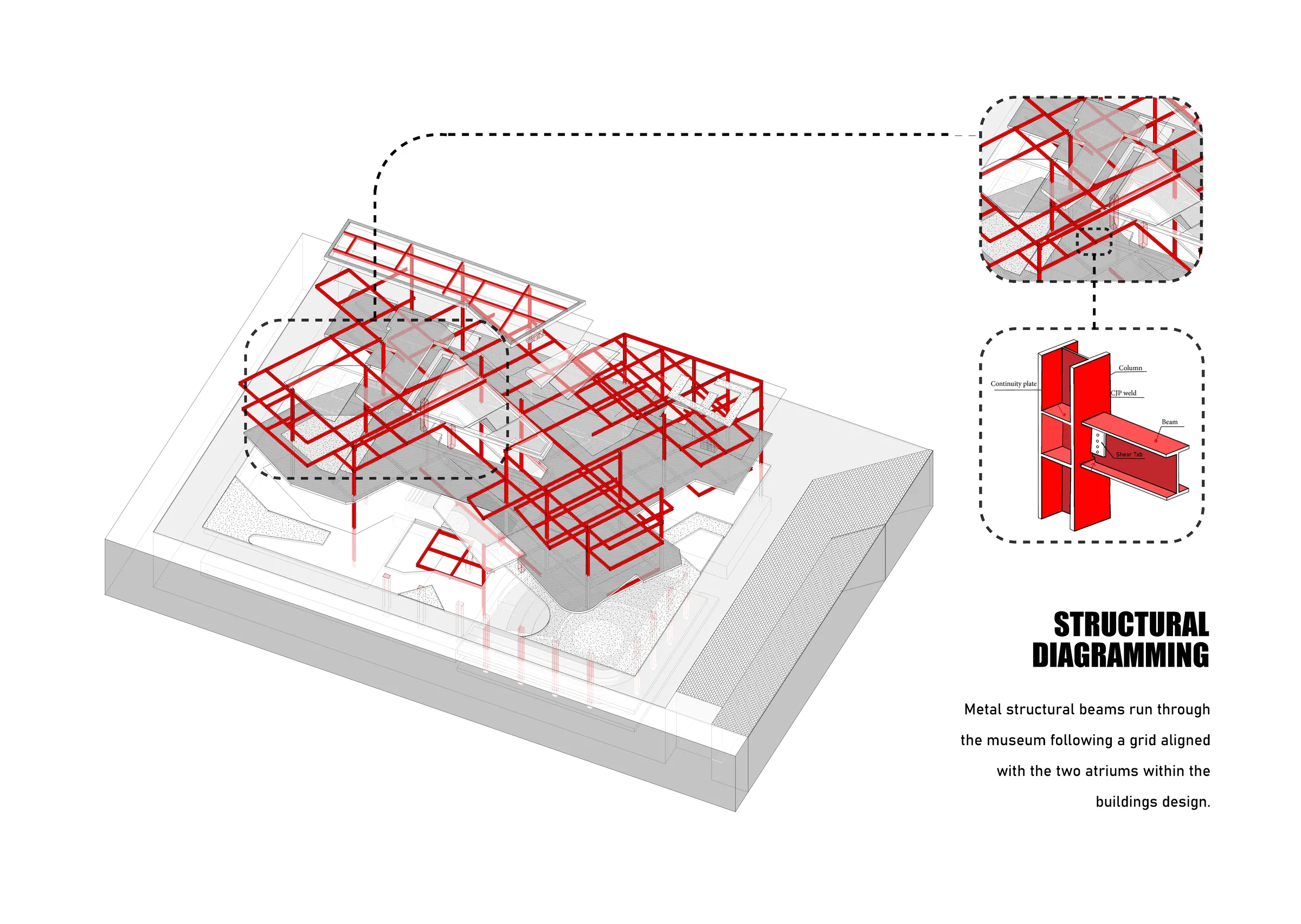
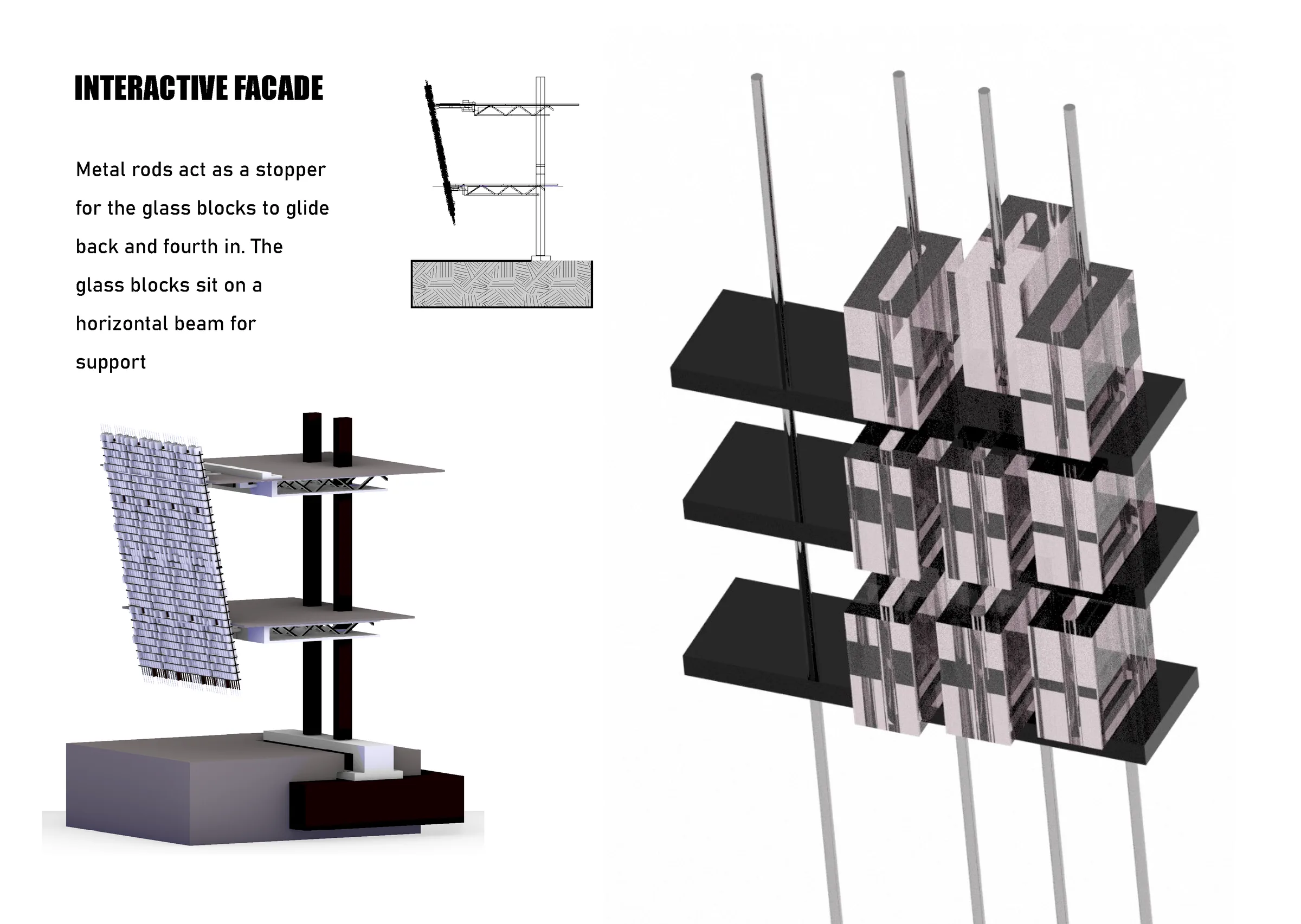
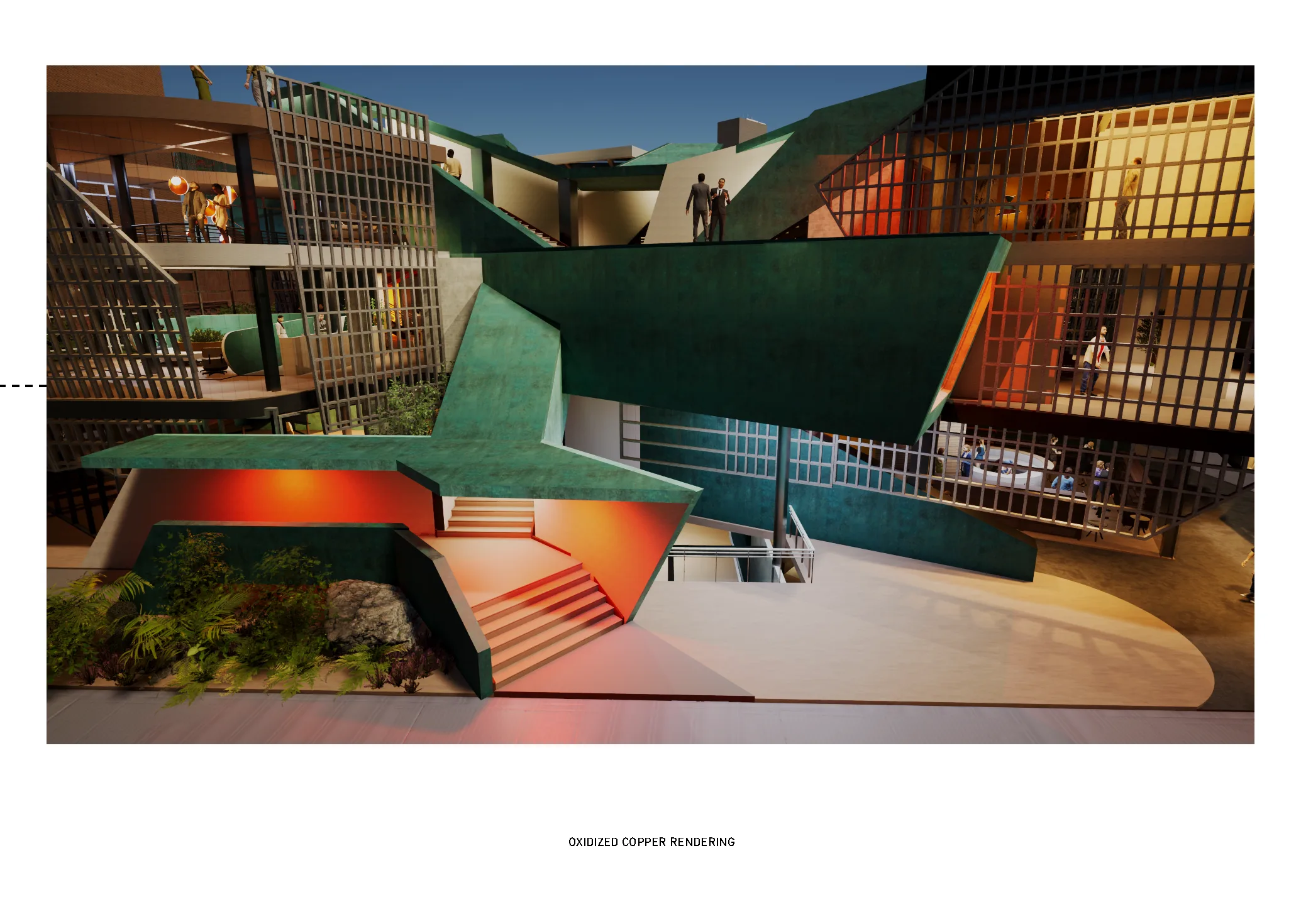
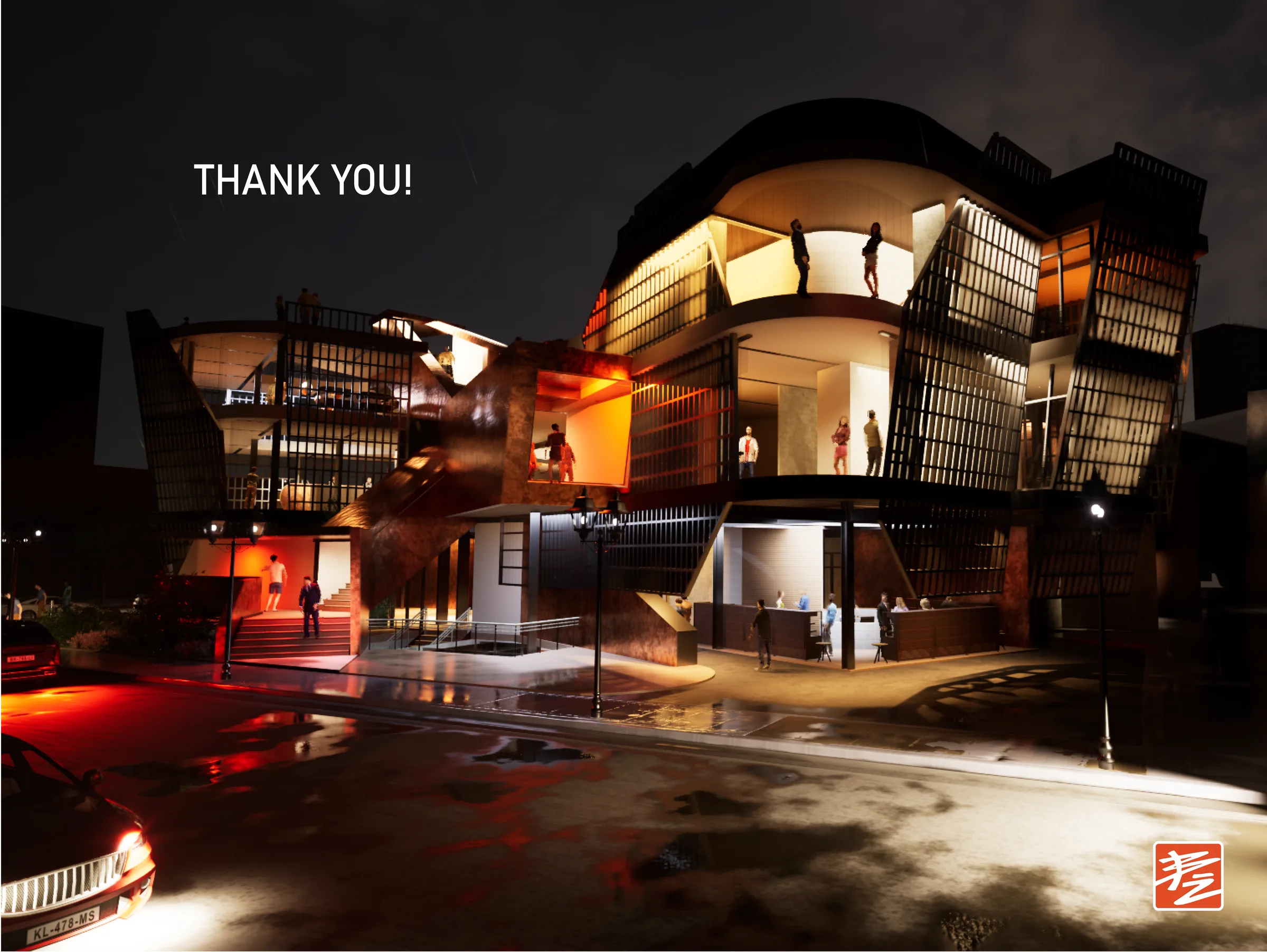
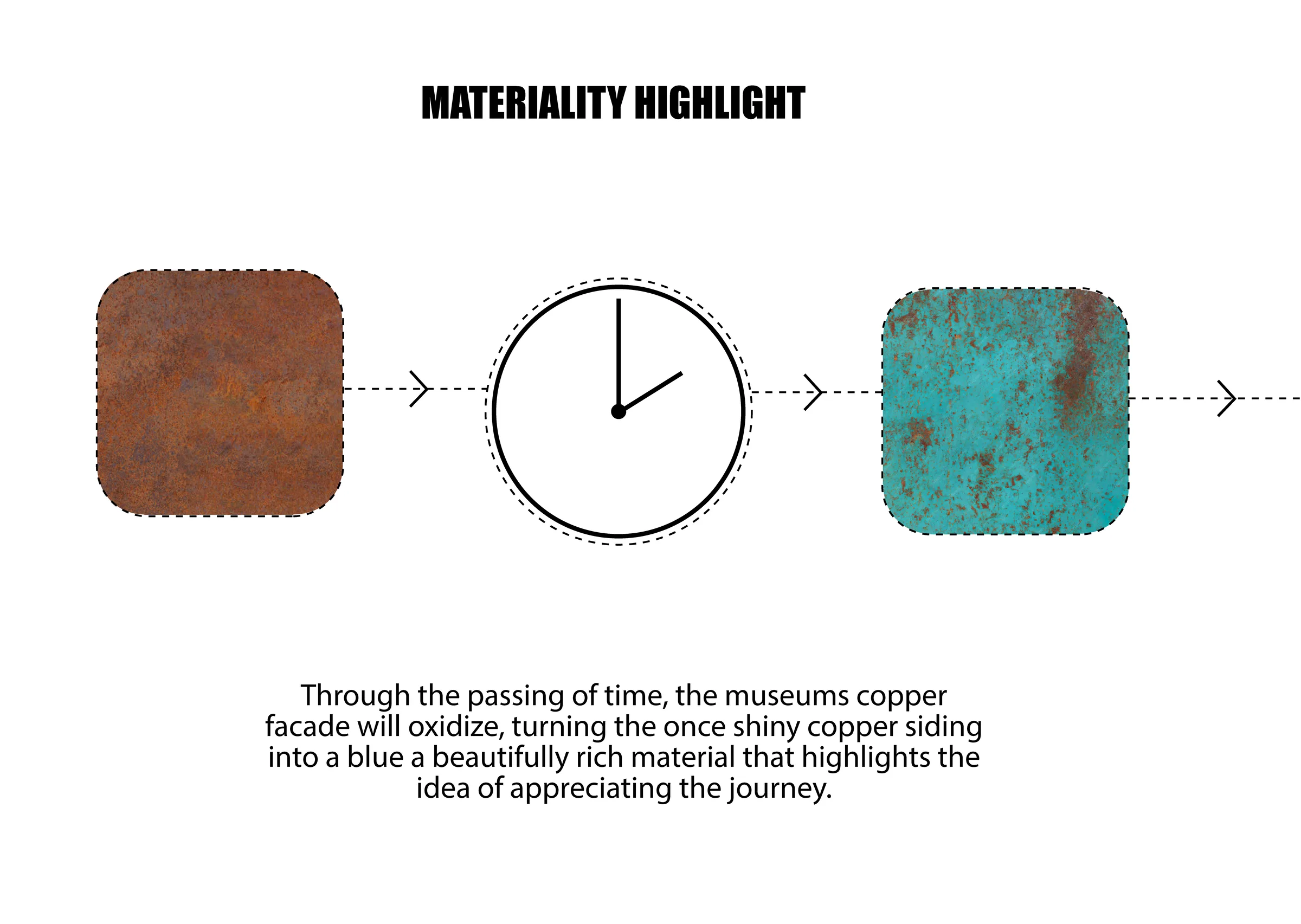
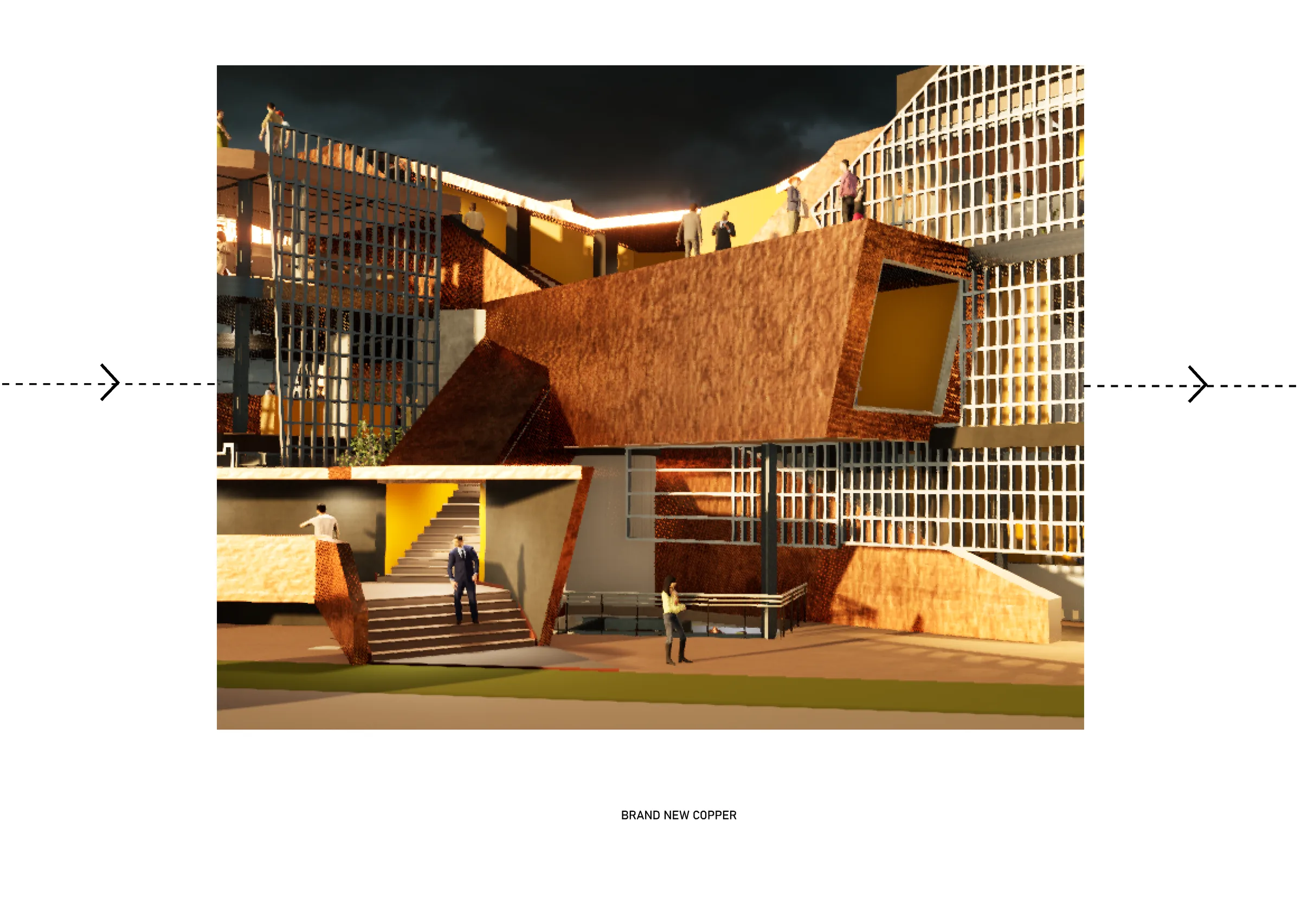
The Journey treats circulation as the museum's central exhibit. Ramps, stairs, atriums, bridges, and exterior passages connect spaces for craft, fabrication, performance, gathering, and reflection. An interactive copper facade extends that idea through time: its surface is designed to change through weathering and use, allowing the building to register transformation rather than present itself as a fixed object.
Studio Proposal 03
Museum of Analog Experiences
Watch animated walkthrough
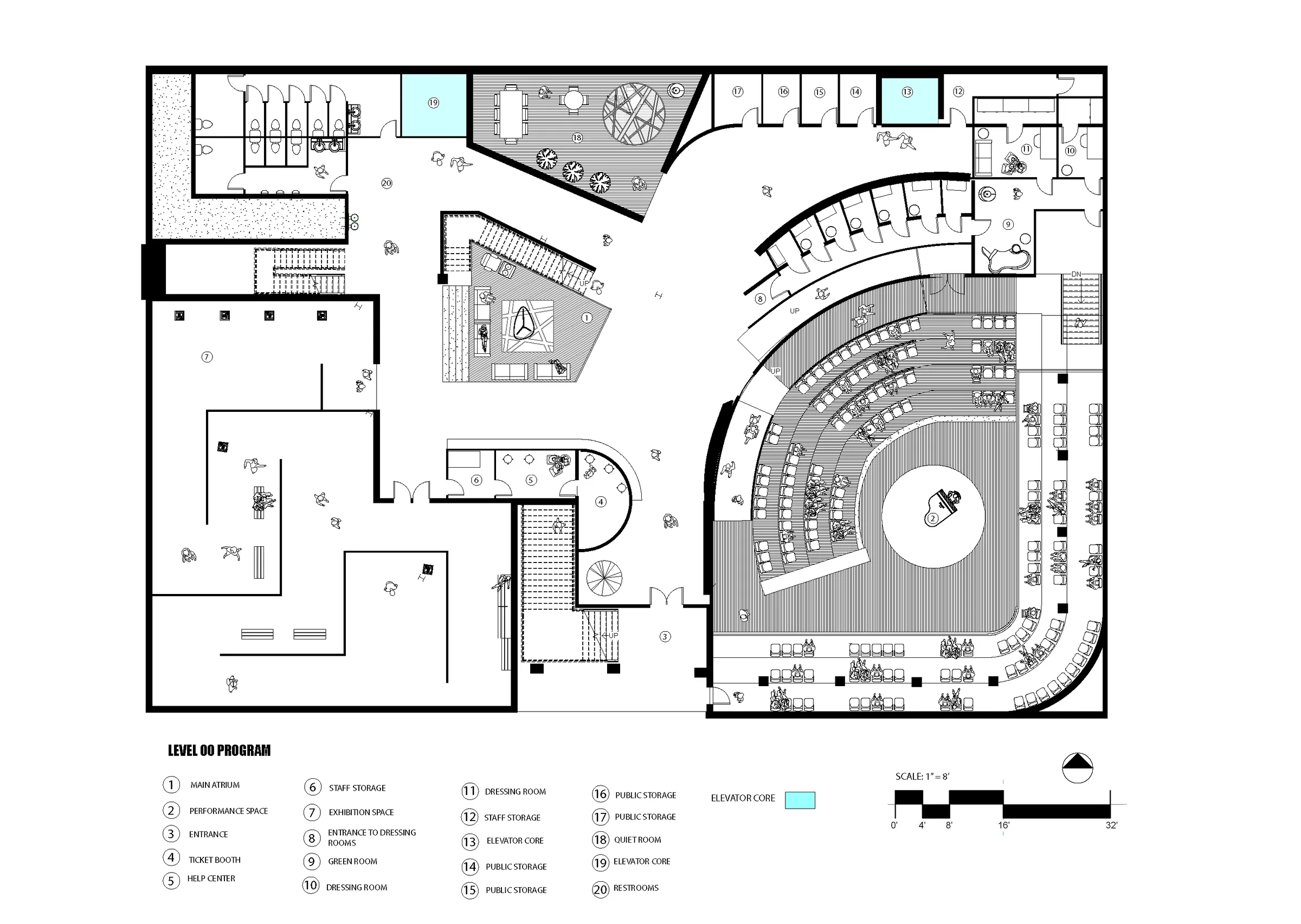
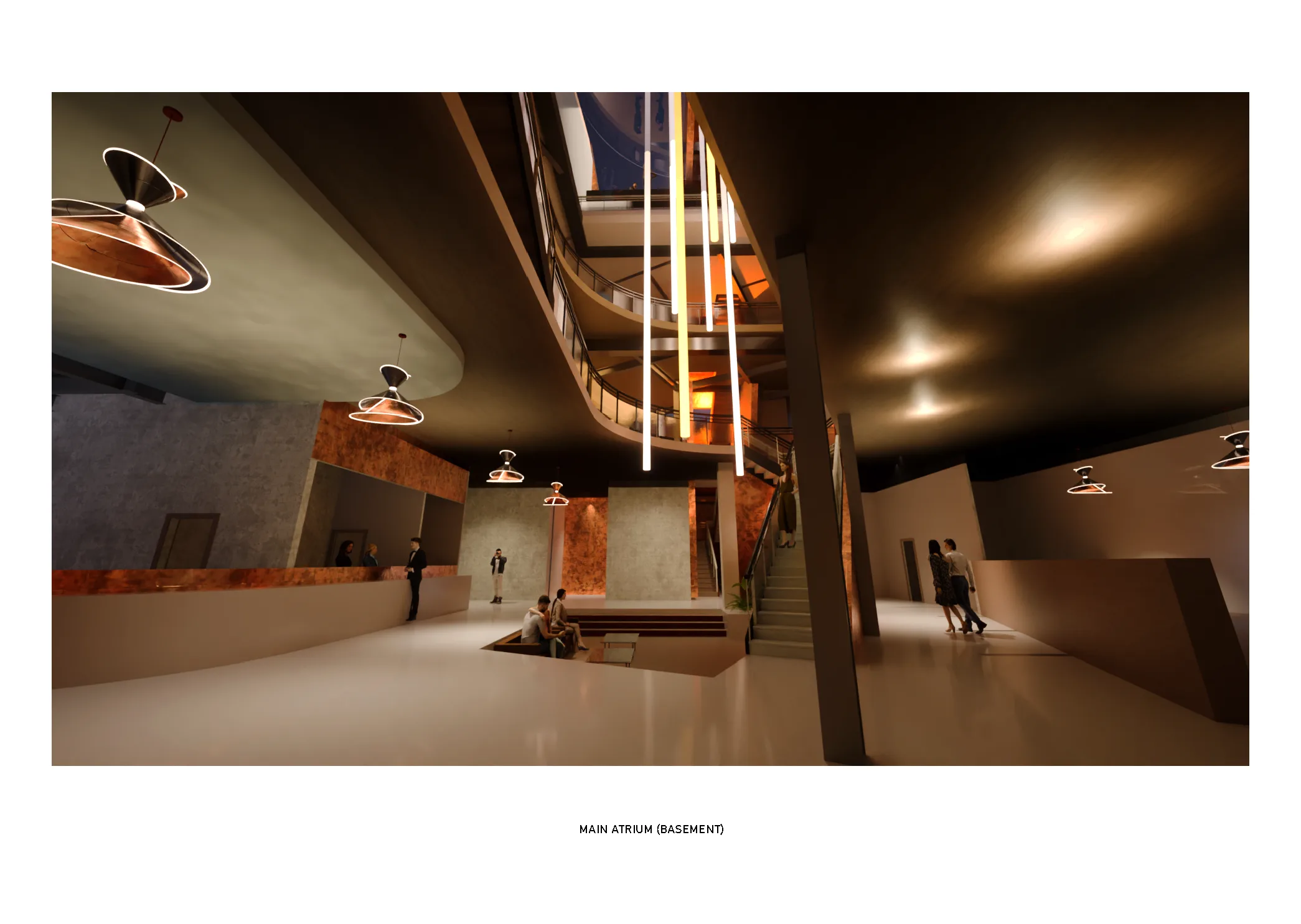
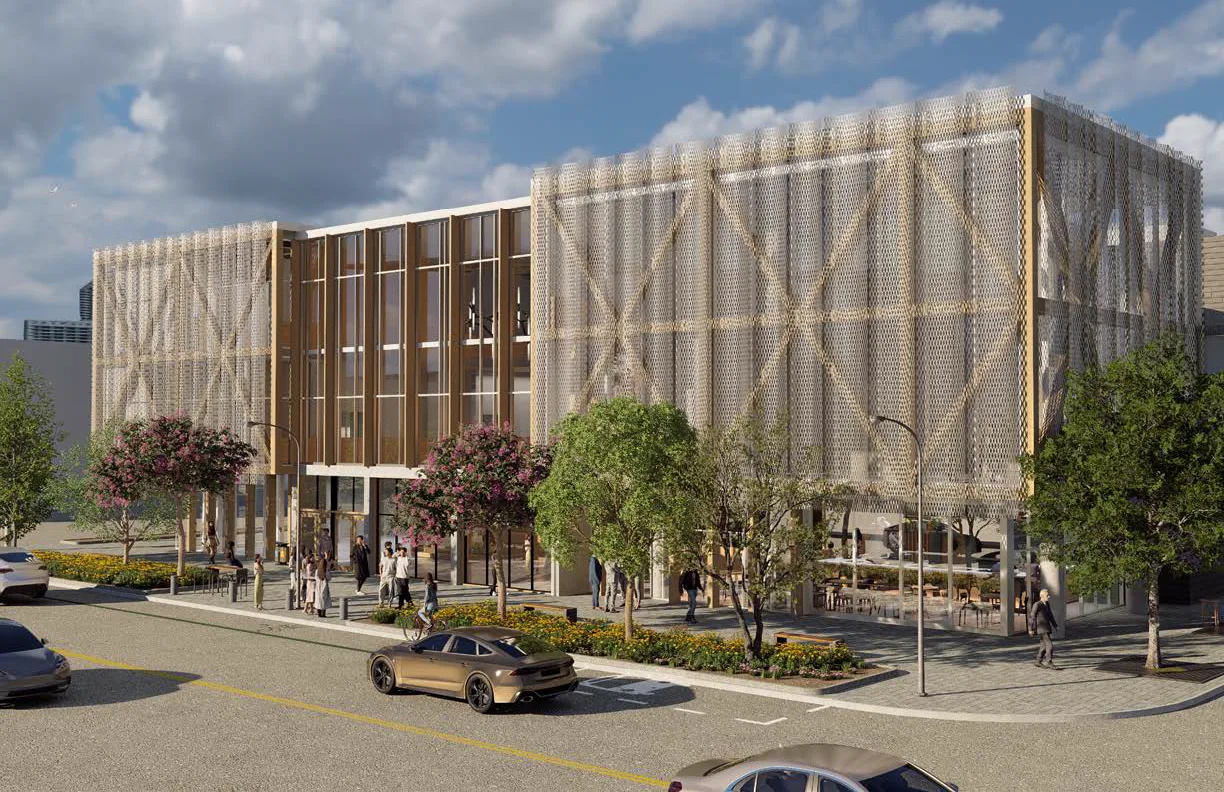
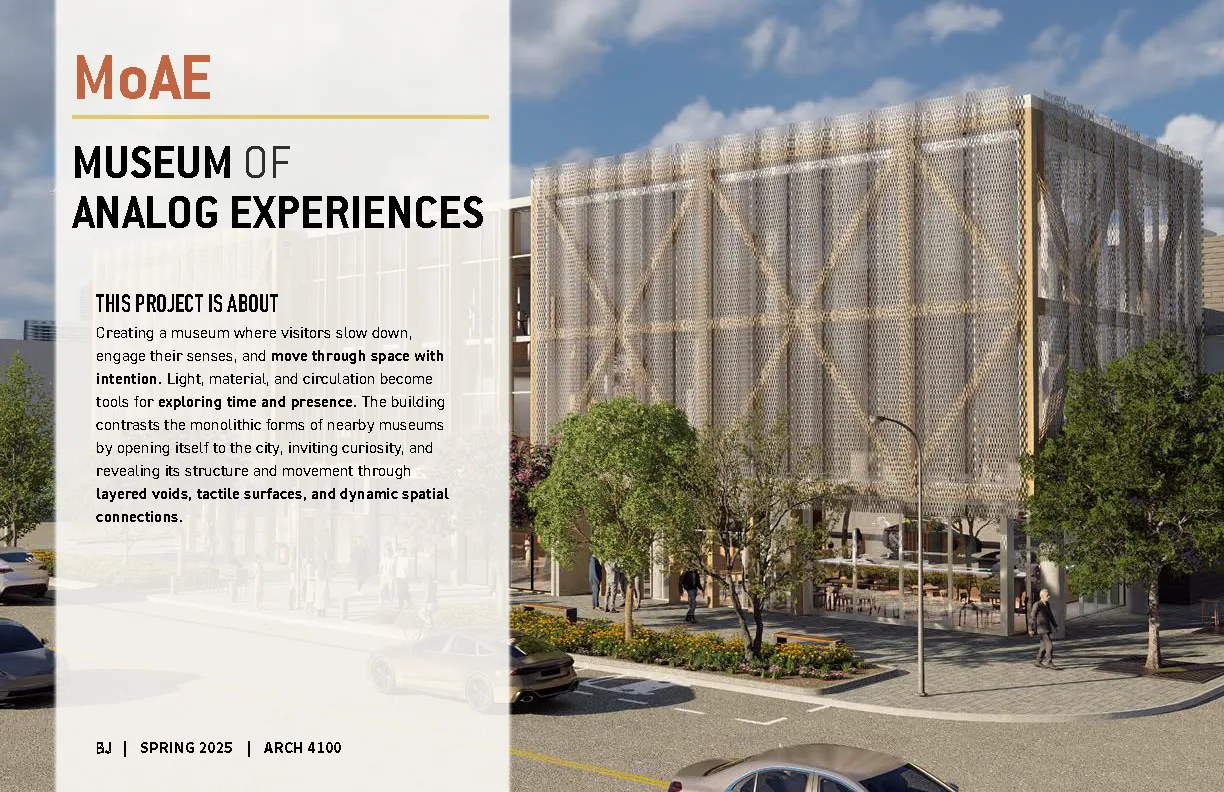
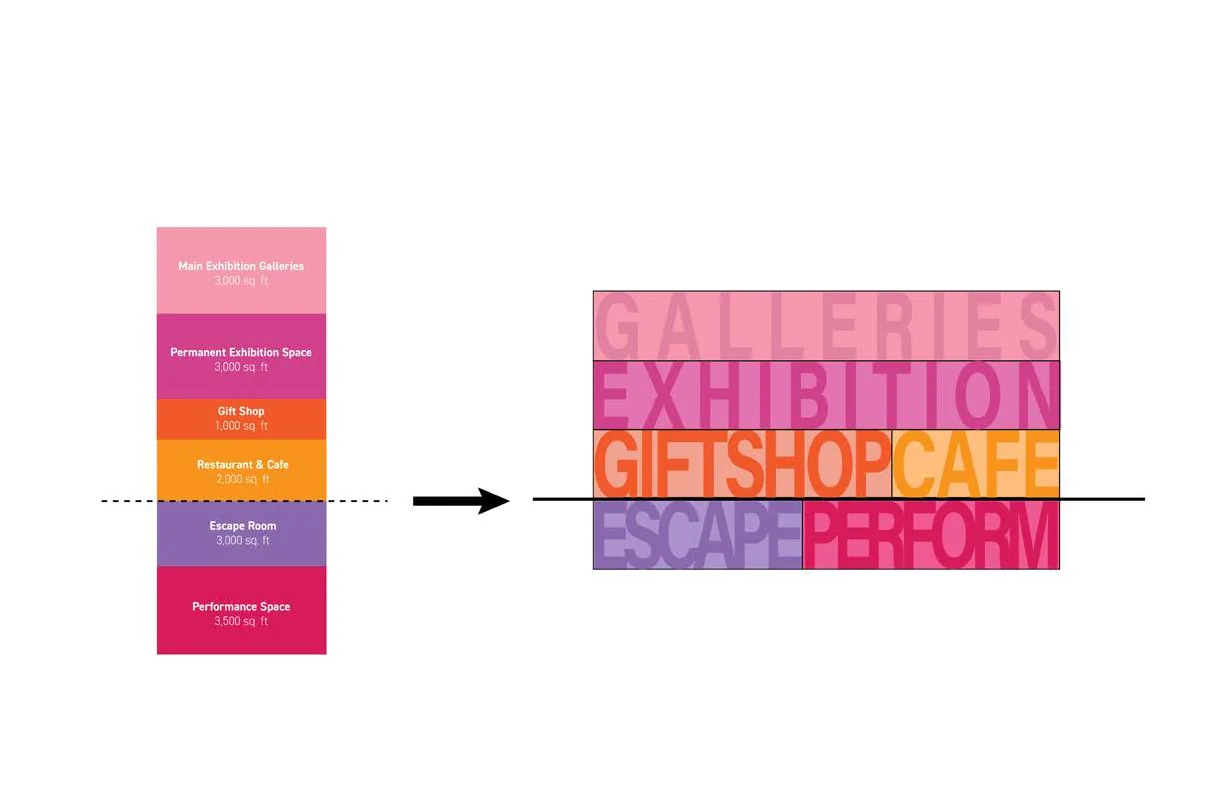
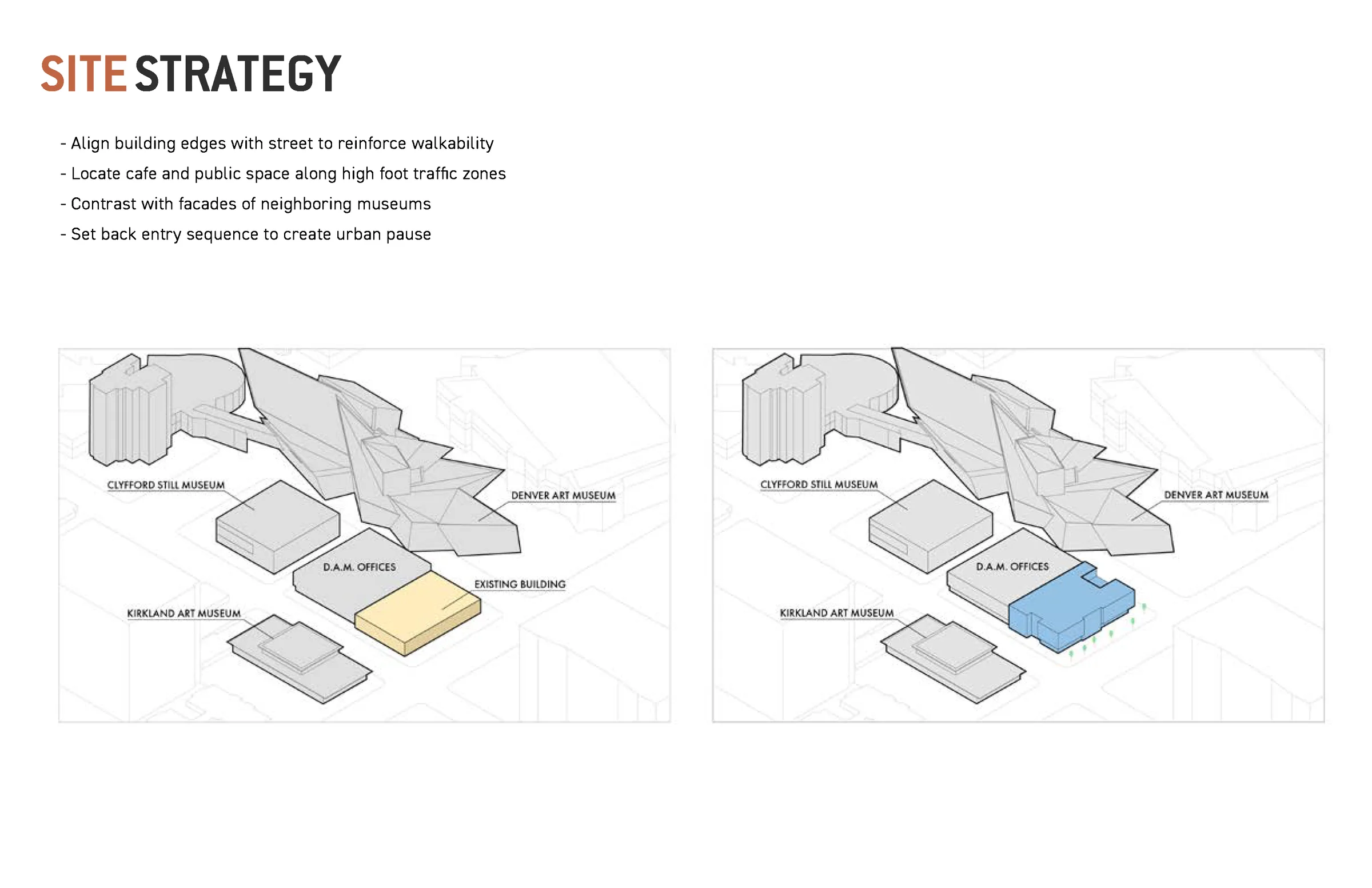
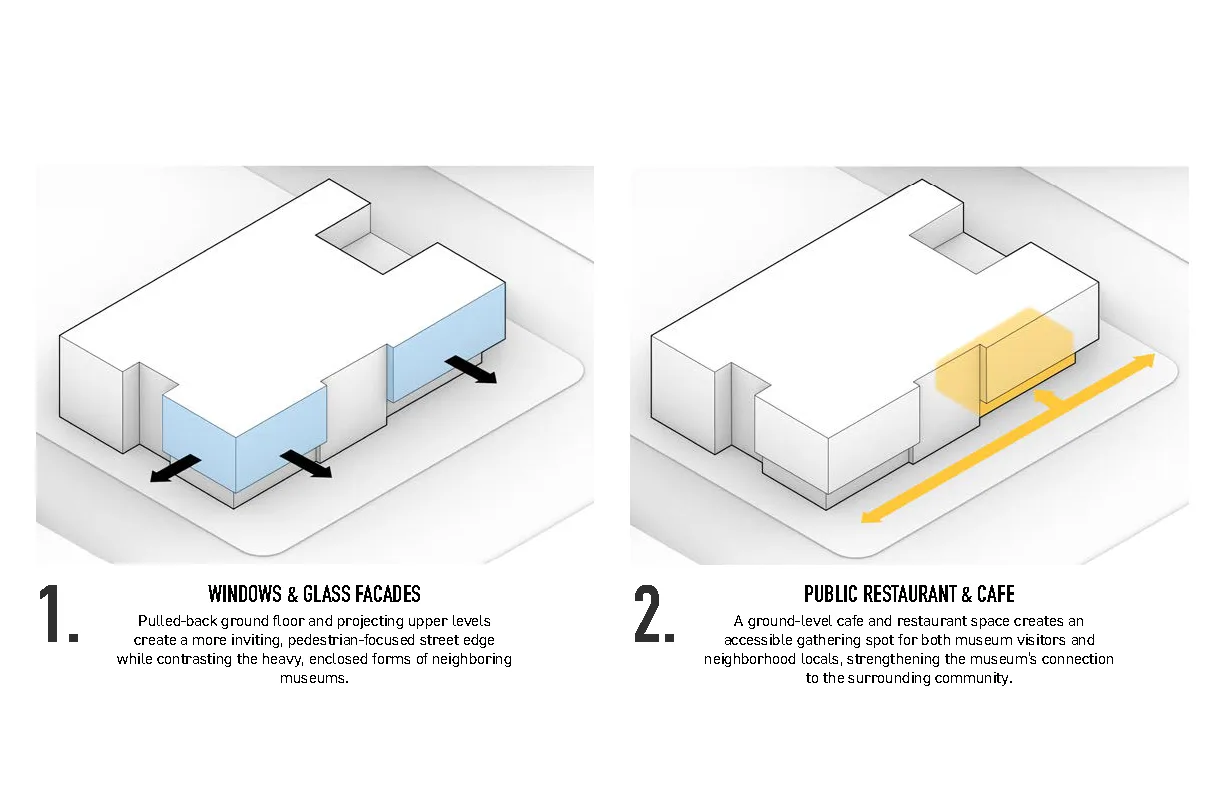
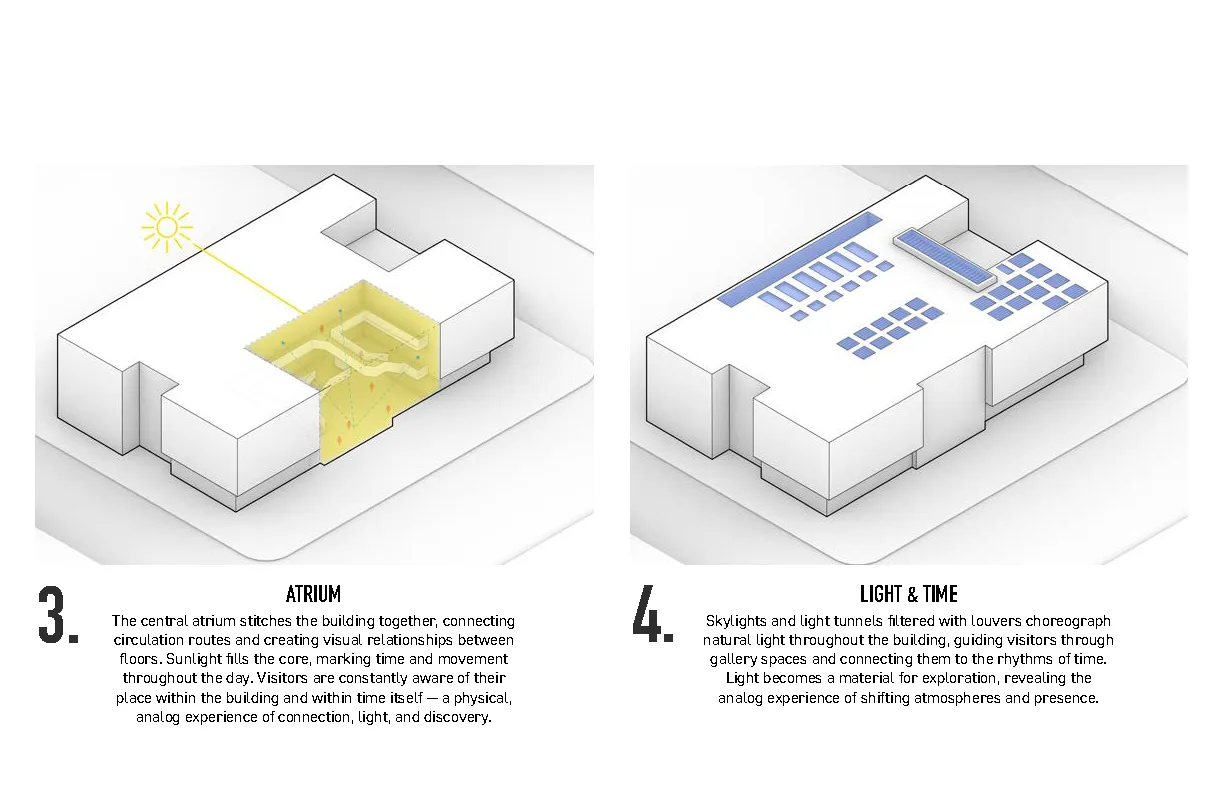
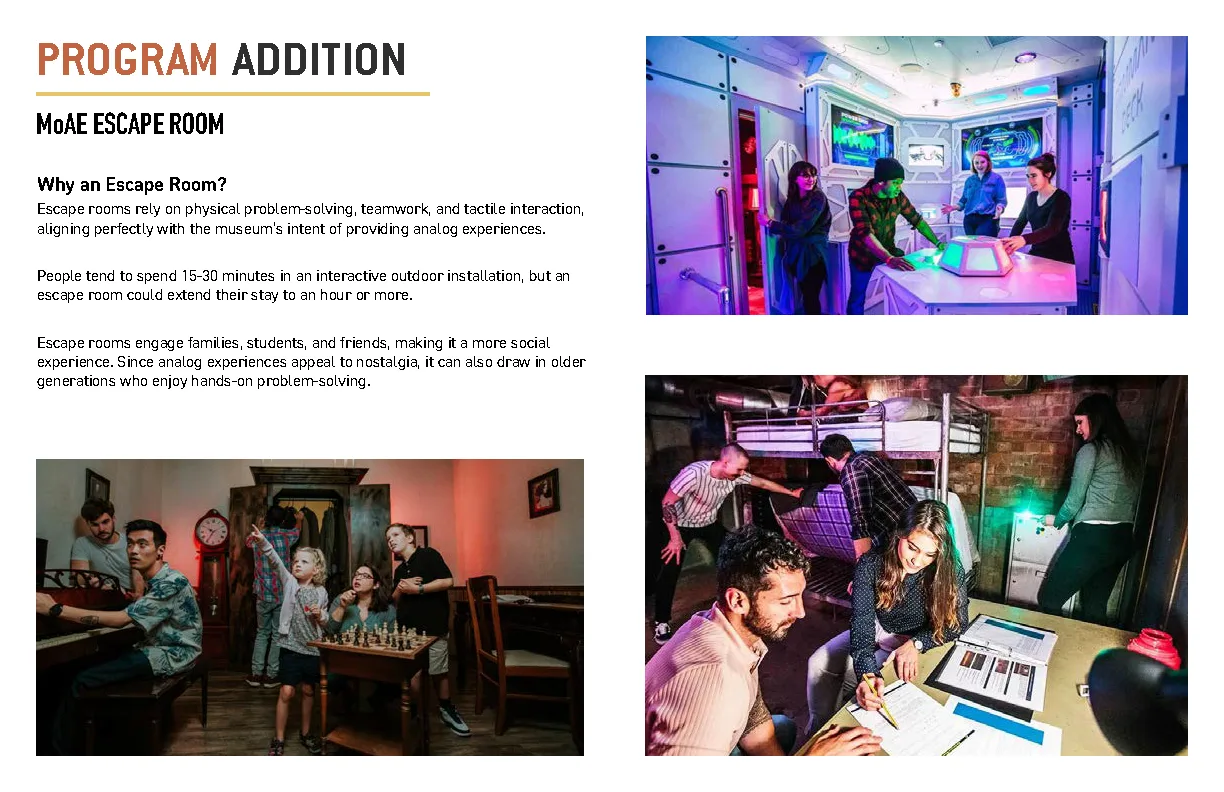
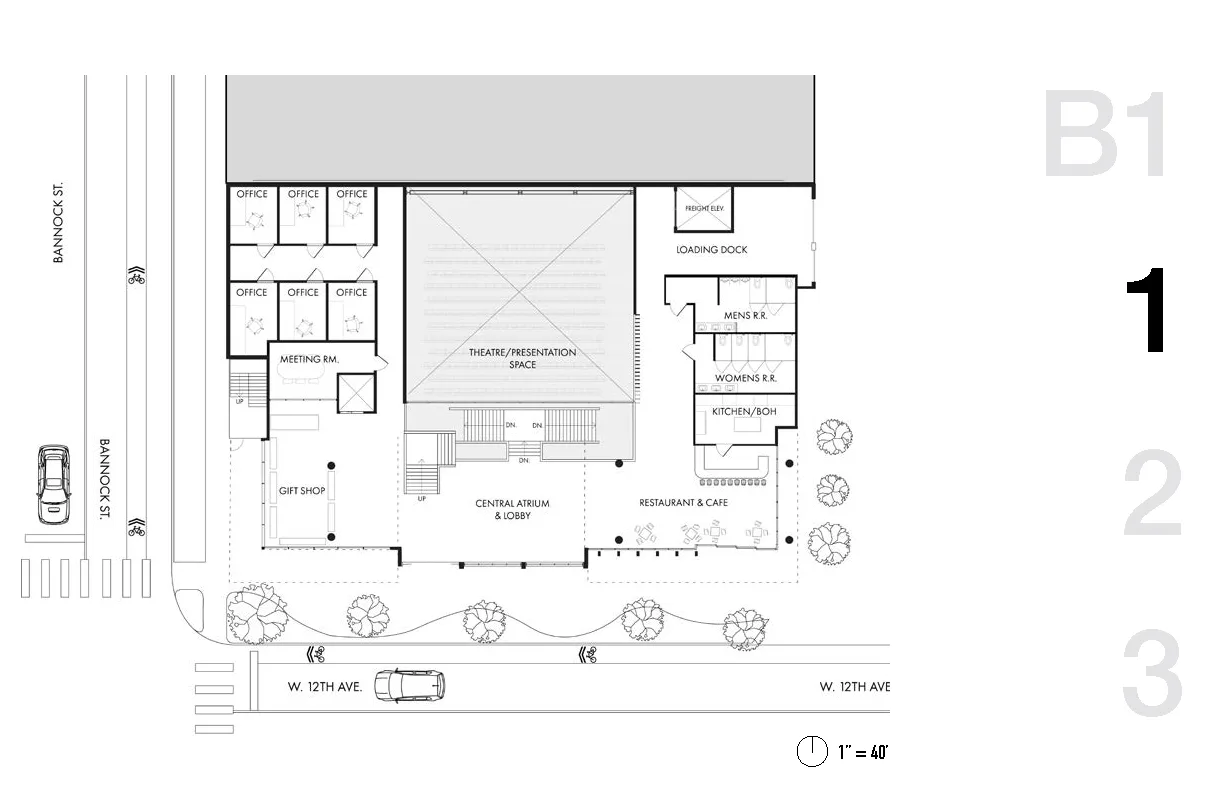
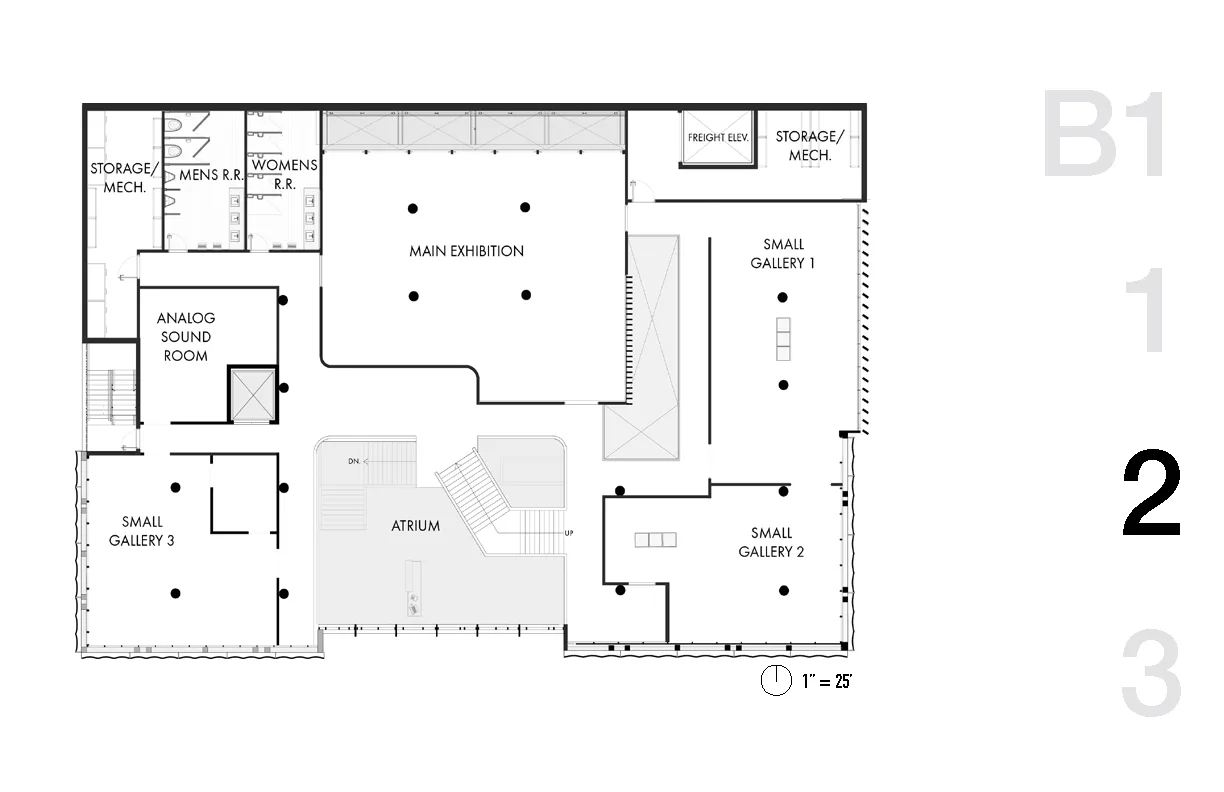
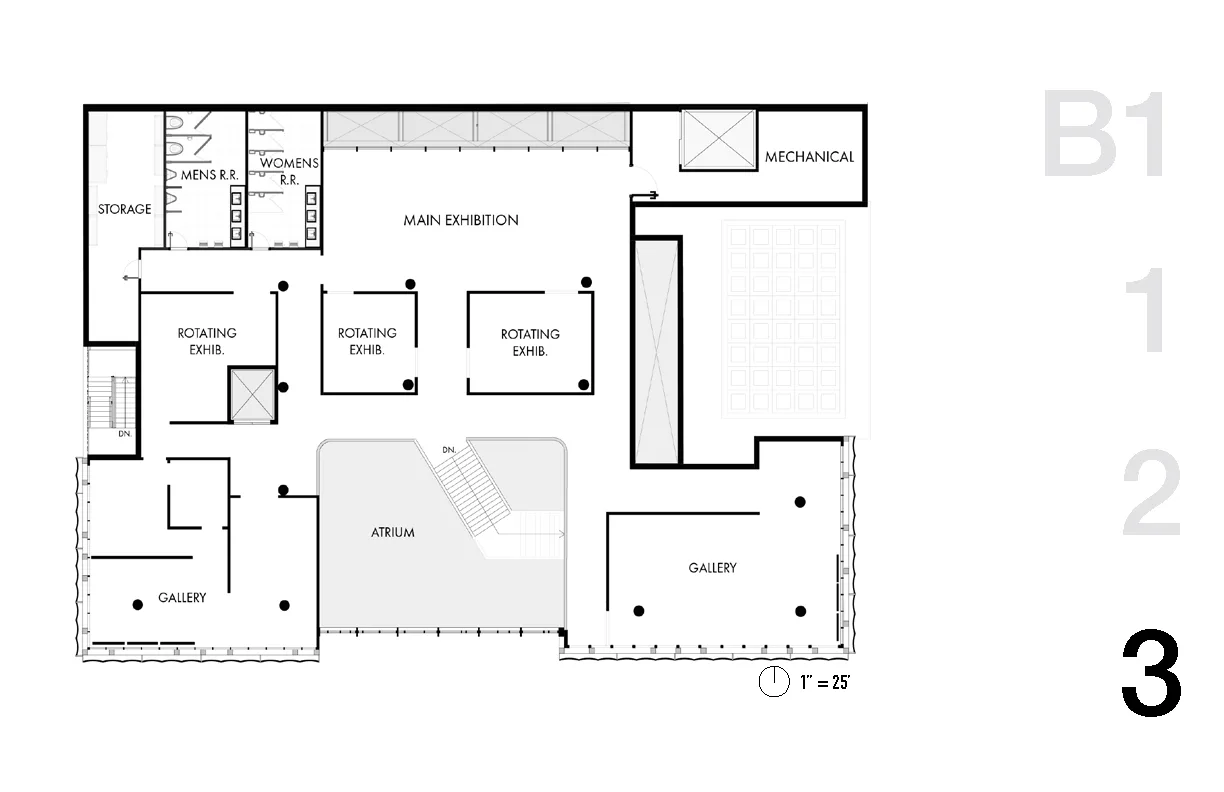
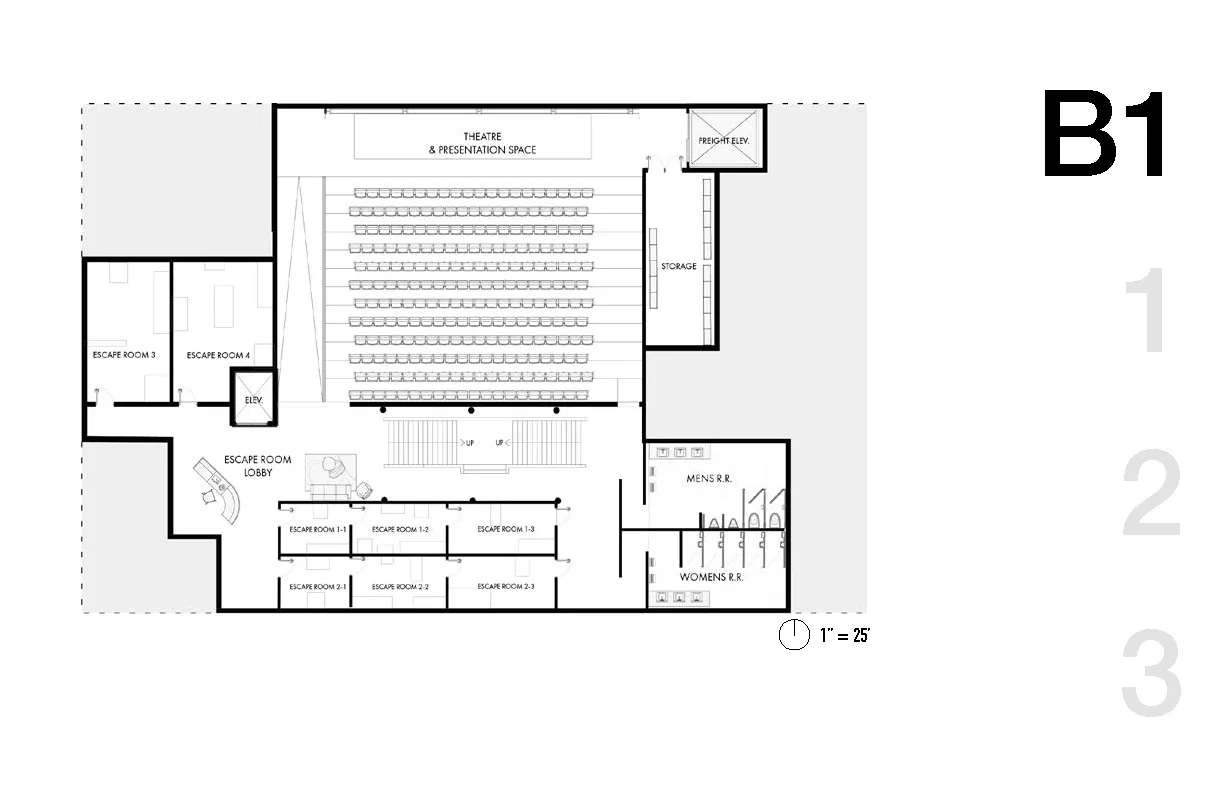
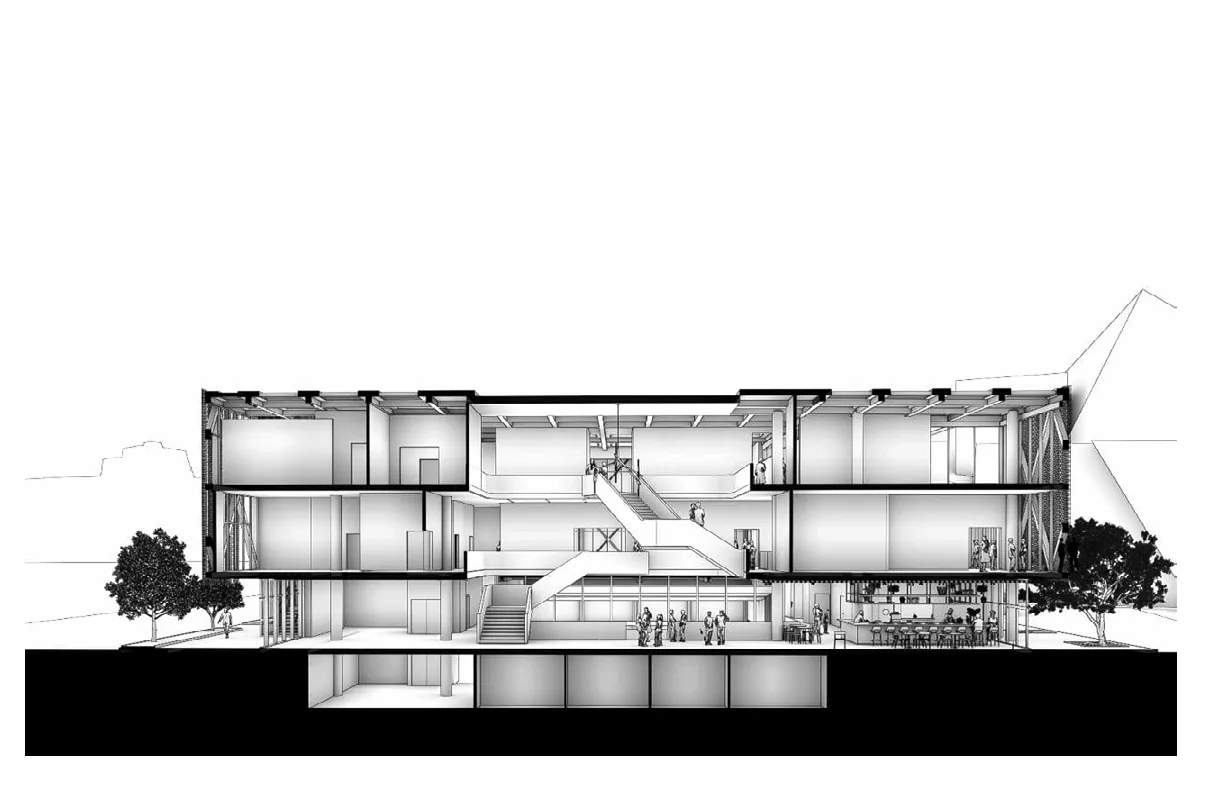
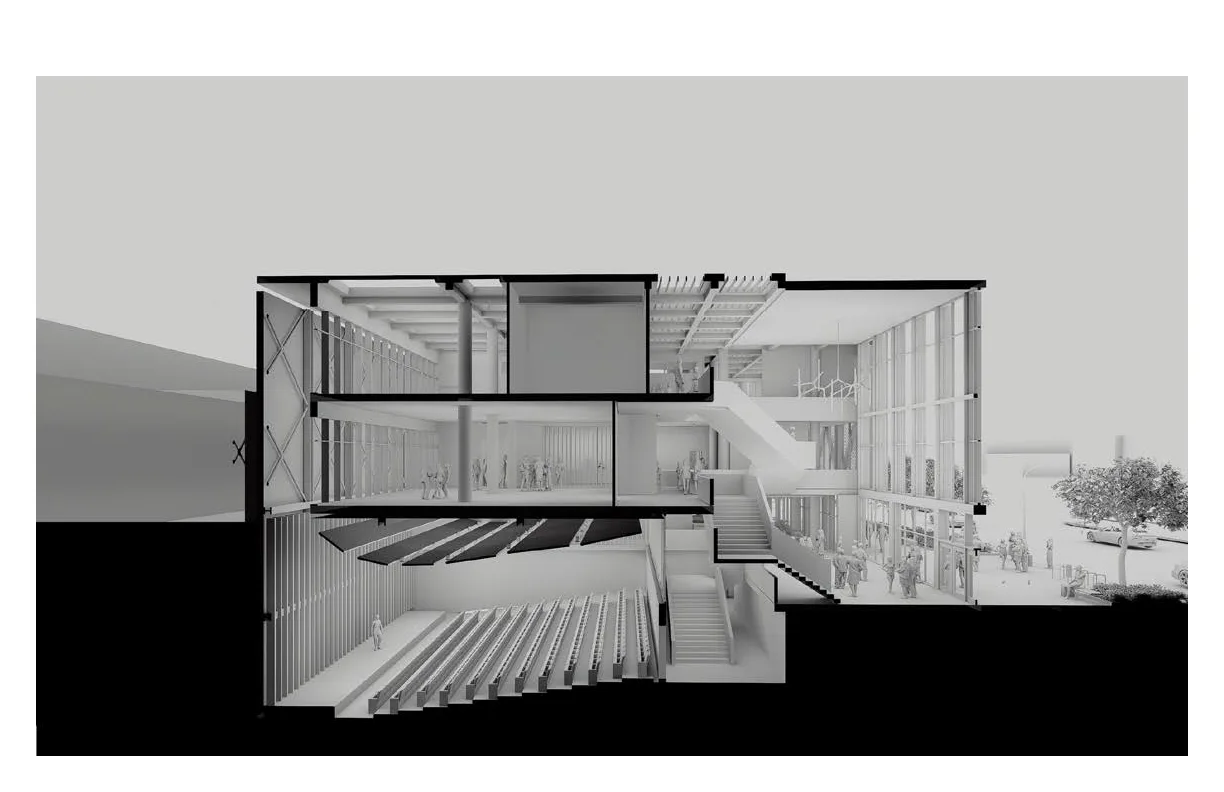
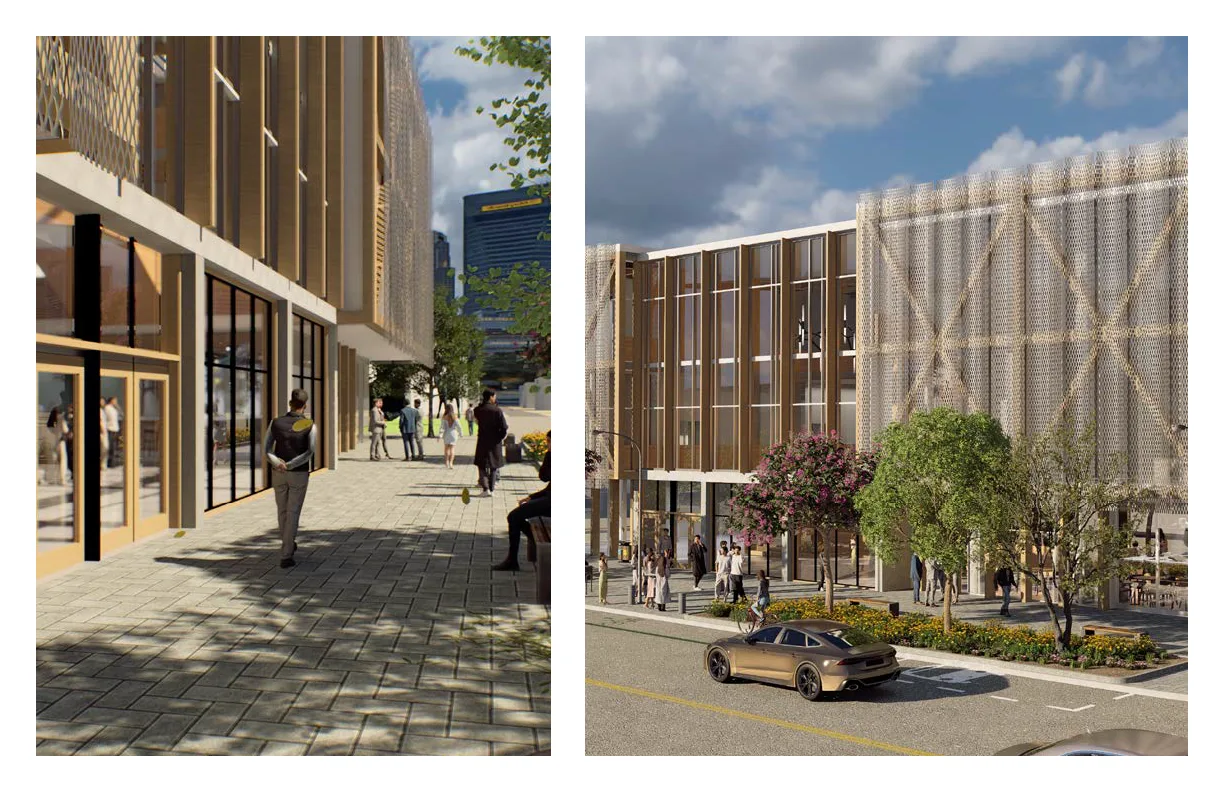
This proposal creates an open civic institution organized around a central atrium. Galleries, performance space, an escape room, food, making, and informal gathering are linked through visible circulation and shared daylight. A screened facade mediates between interior activity and the Golden Triangle, filtering light and opening at street level to support curiosity and access.
Student Experience
“I really appreciated such a devoted teacher and clear plans of what was expected of us in each class period. ... I really admire the hard work put into this class from Jeremy because that isn't always the case when the professor expects a lot of work without doing a lot of work themselves to help motivate and push the students.”
Museum of Analog Experience | Spring 2025 course evaluation