Seminar / Special Topics

Graphic Design and Portfolio

ENVD 4052-001|Spring 2025|University of Colorado Boulder
Professional identity as a design problem.

Graphic Design and Portfolio connected foundational visual communication to a practical outcome with lasting value: a coherent professional identity expressed through a PDF portfolio, resume, cover letter, website, and professional network.

The course began with typography, color, composition, hierarchy, image, and visual analysis. Short exercises and poster projects gave students a shared vocabulary for critique and helped them see graphic design as more than surface styling. Those principles were then applied to a longer process of editing, sequencing, clarifying, and presenting work developed across architecture, landscape architecture, planning, and environmental product design studios.

Generative AI was introduced as an editing and development tool, not a substitute for design intention. Students could use AI to clarify writing, test visual directions, or strengthen existing project material, but they were expected to explain how it was used and remain responsible for originality, accuracy, copyright, and the final quality of the work.

My Approach
The Portfolio as a Design Project
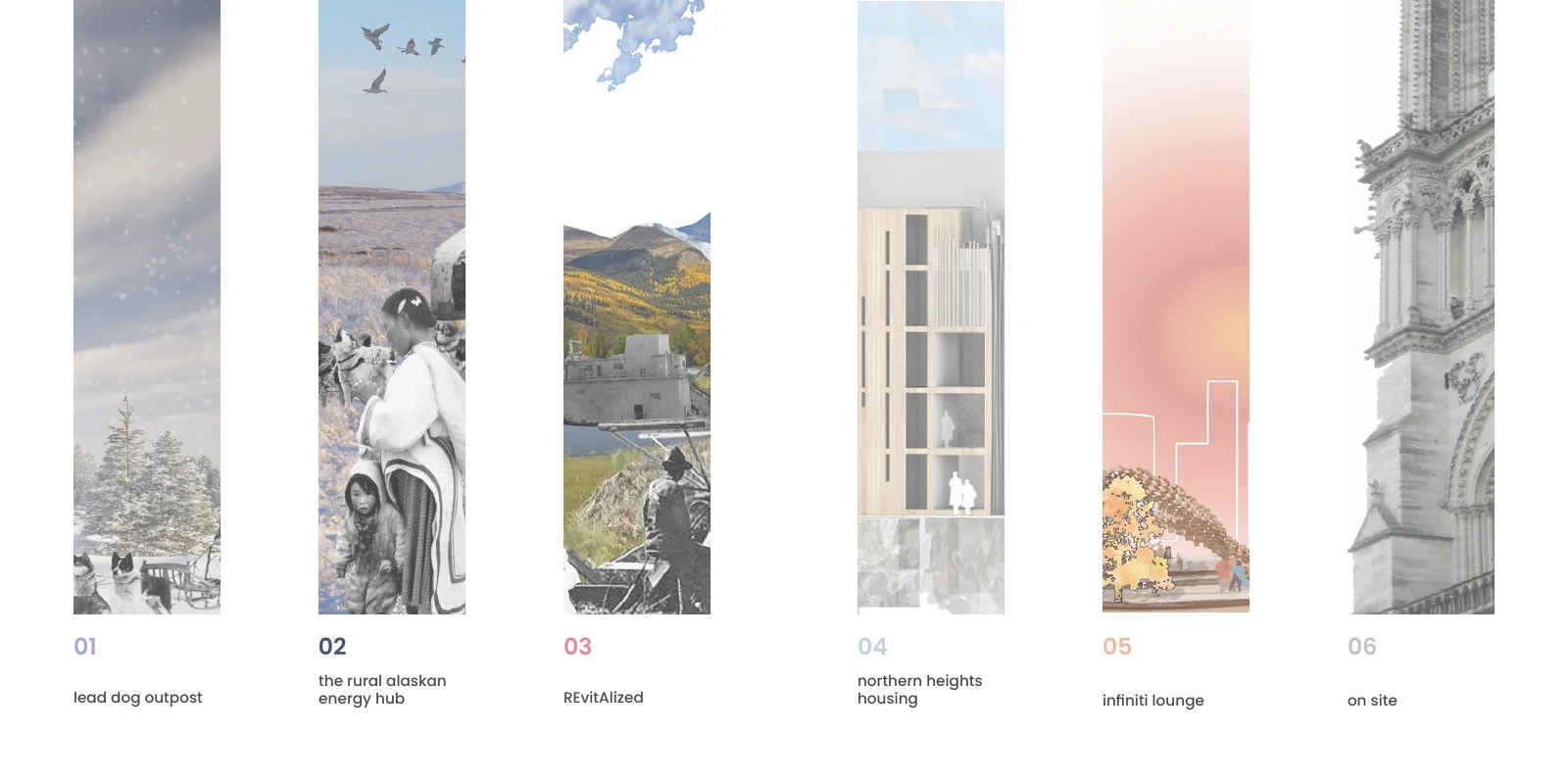
I approach the portfolio as a design project in its own right, not simply a container for work completed elsewhere. It asks students to identify an audience, make judgments about what matters, establish hierarchy, write clearly, sequence evidence, and create a visual system that supports the work without overwhelming it. That process is often more revealing than students expect: a portfolio makes gaps visible, showing where a project needs a better diagram, a cleaner image, or a more honest account of the student's contribution.
The graphic-design exercises established a common language before students turned toward their own identities. Poster design was especially useful because it demanded immediate communication and disciplined editing. A viewer must understand that something matters before deciding to look longer, and the same principle applies to a portfolio page, a project opening, and the portfolio as a whole.
The final professional review was the most important test. Practitioners responded not only to graphic quality but to clarity, relevance, confidence, and the student's ability to discuss the work. The portfolio became a bridge between school and the next opportunity, and students left with both a finished artifact and a more precise understanding of how they wanted to be seen.
01 | Outcomes
Portfolio Outcomes
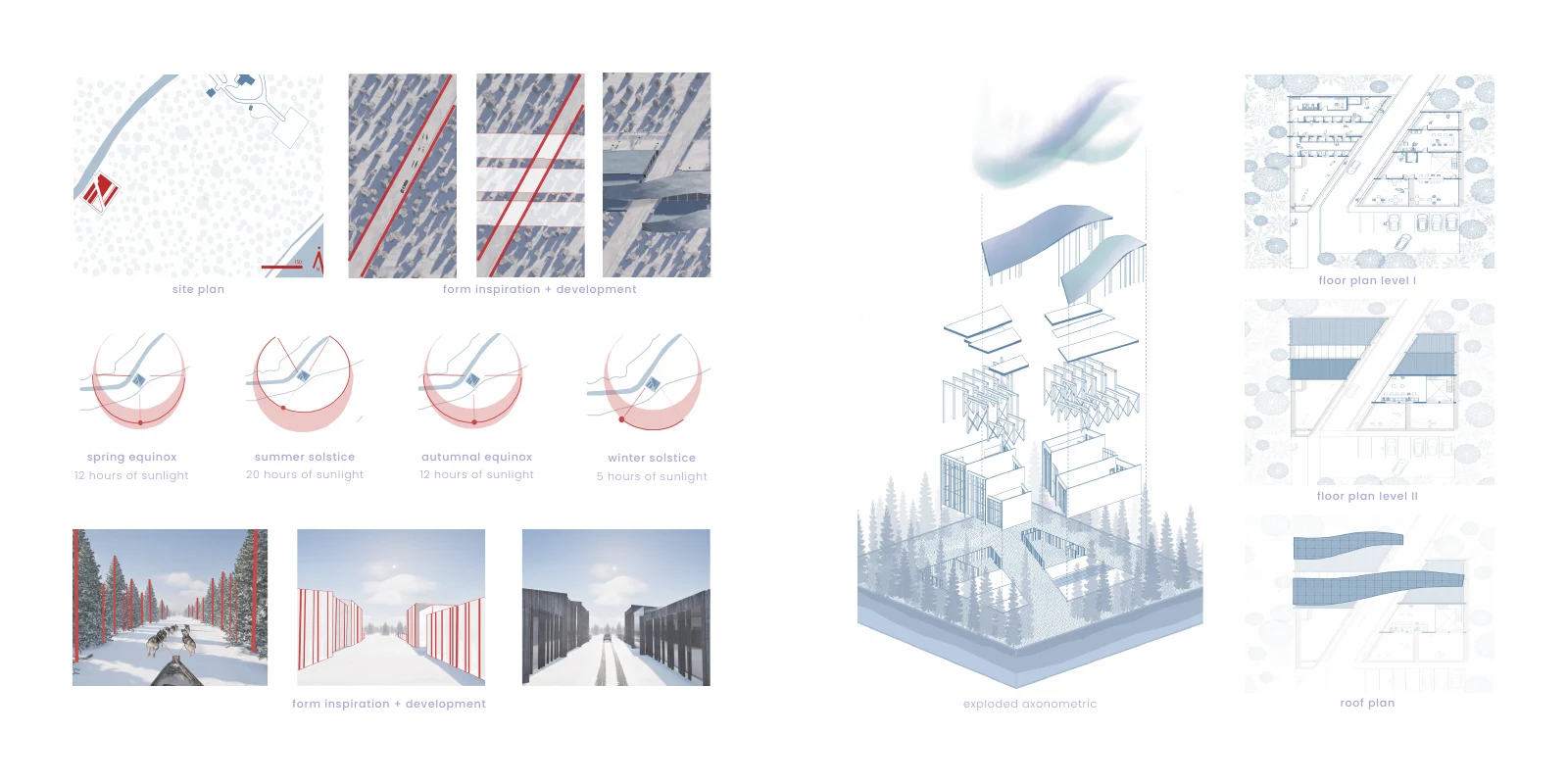
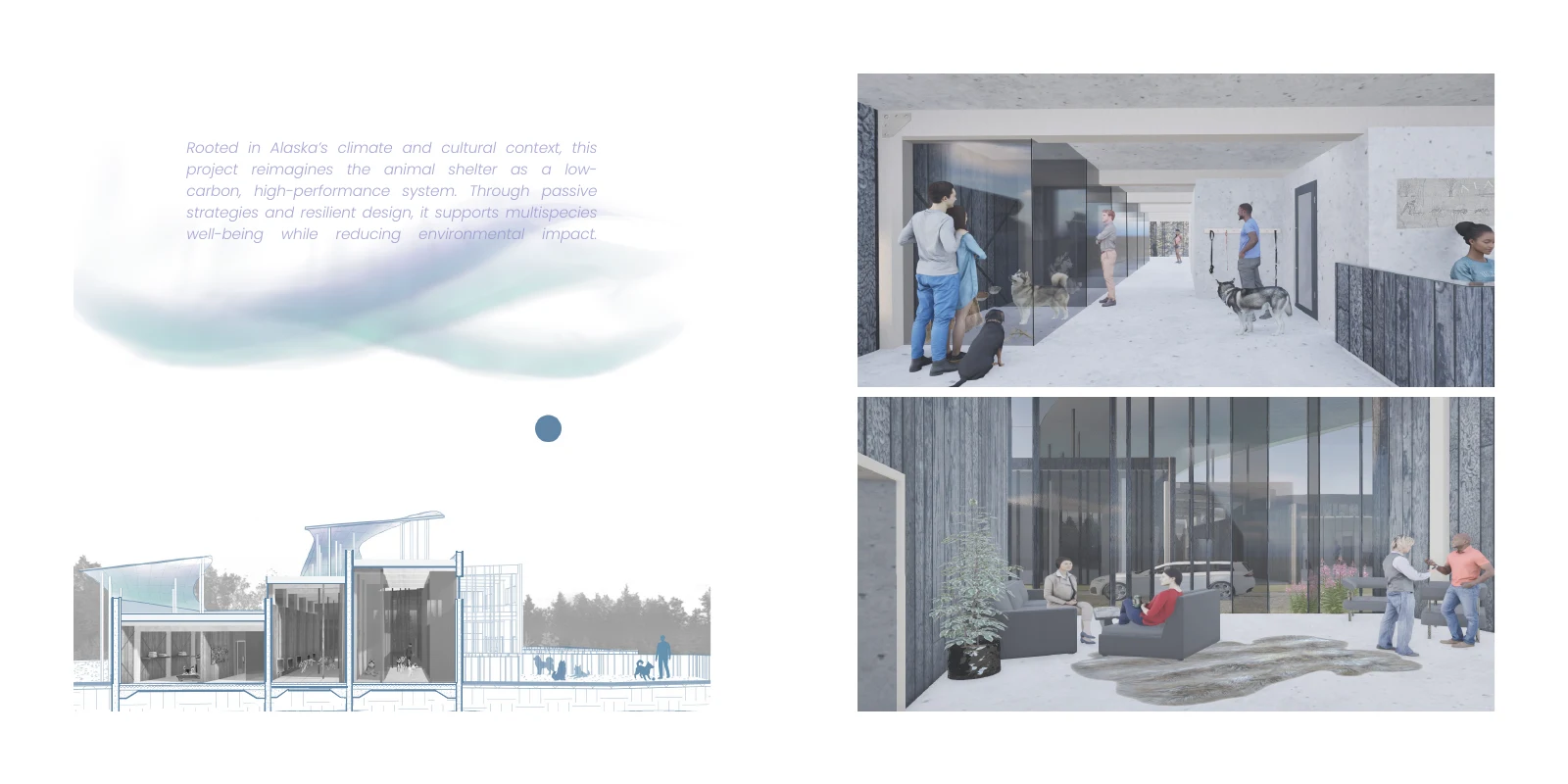
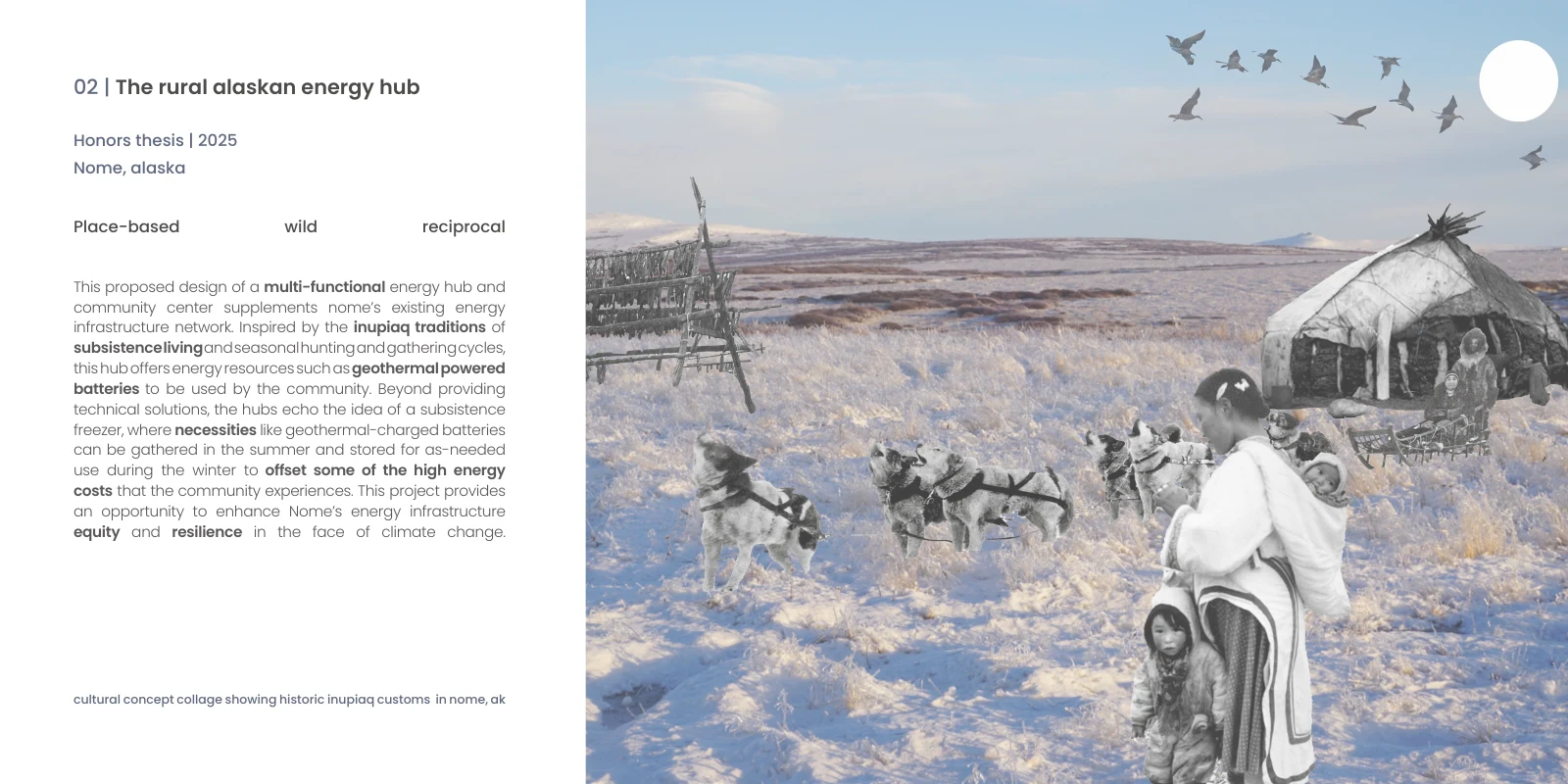
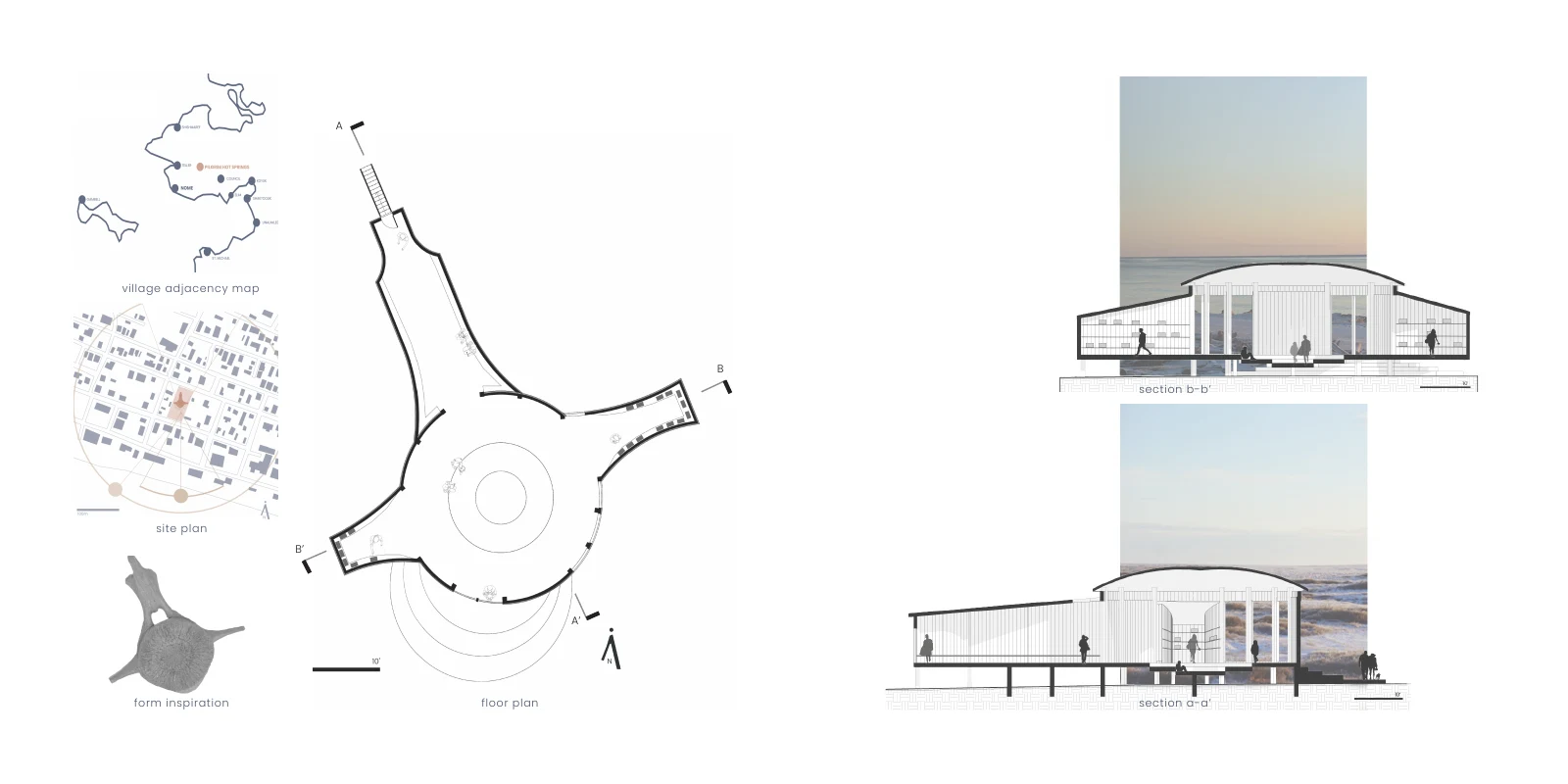
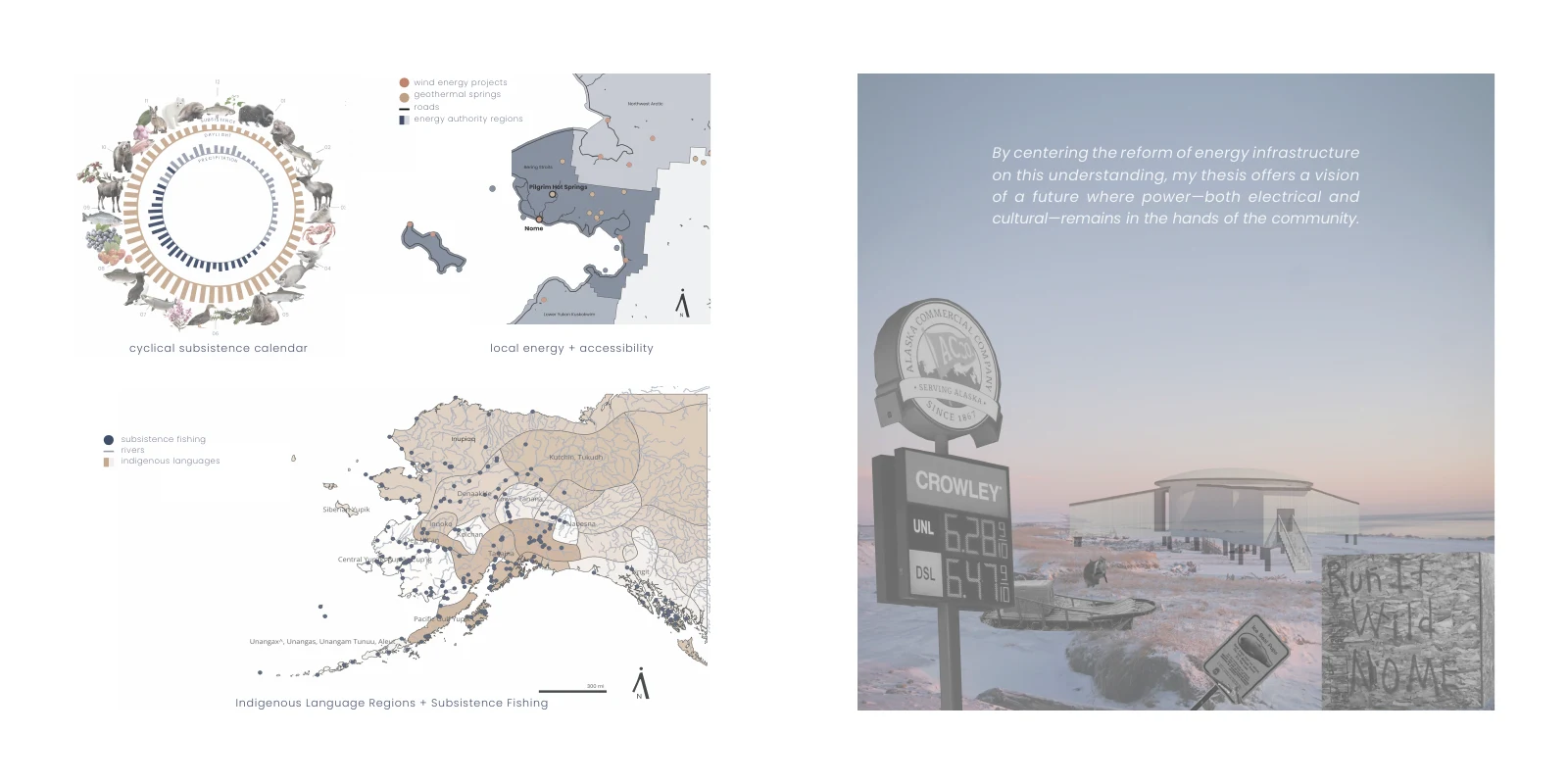
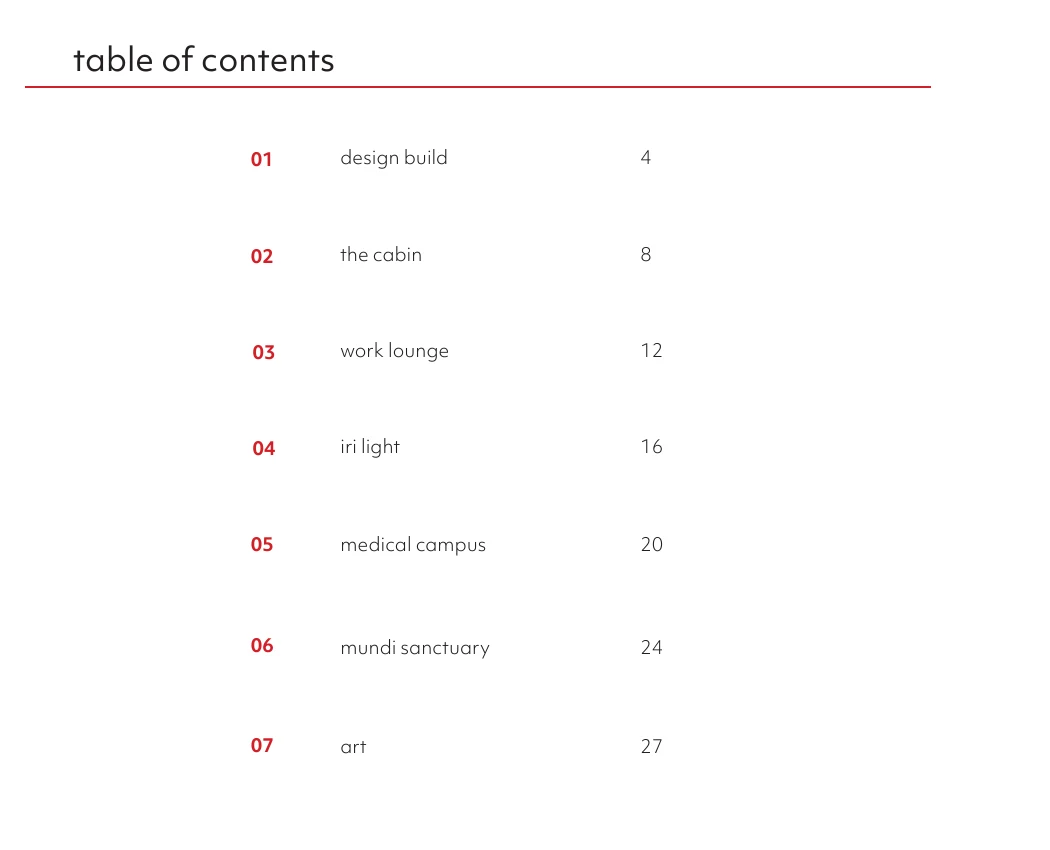
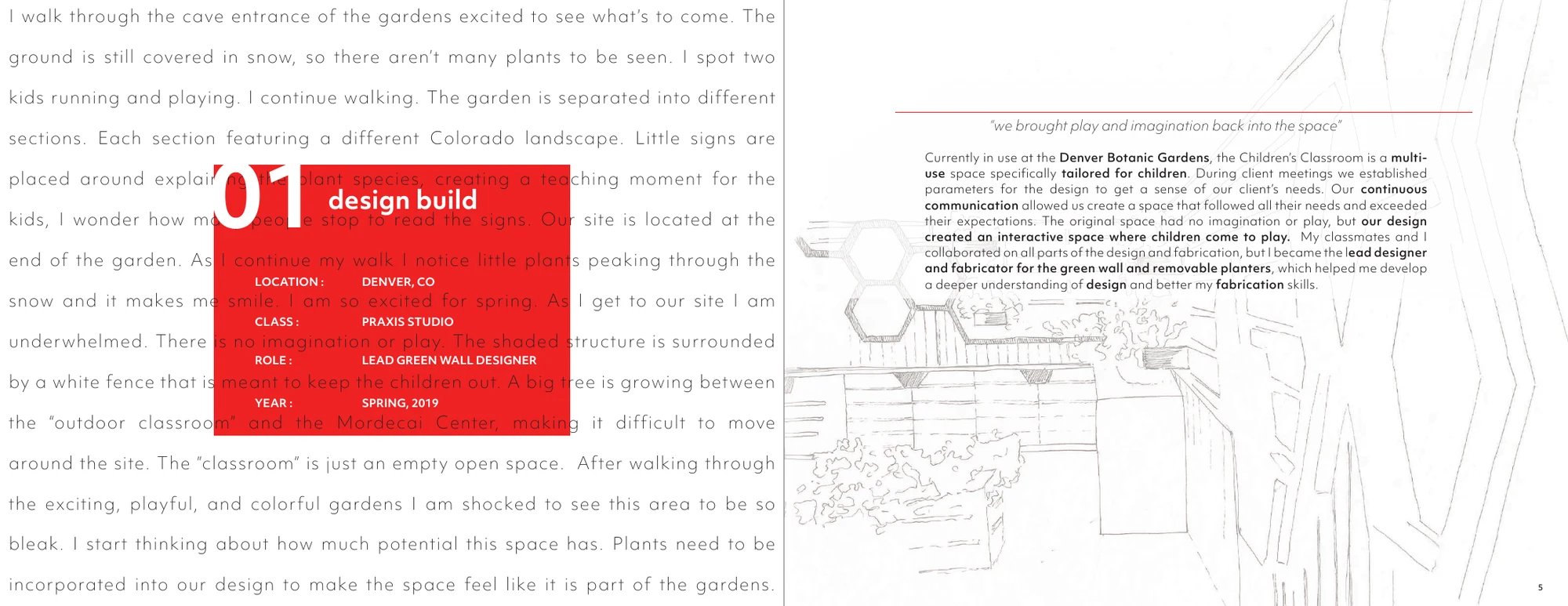
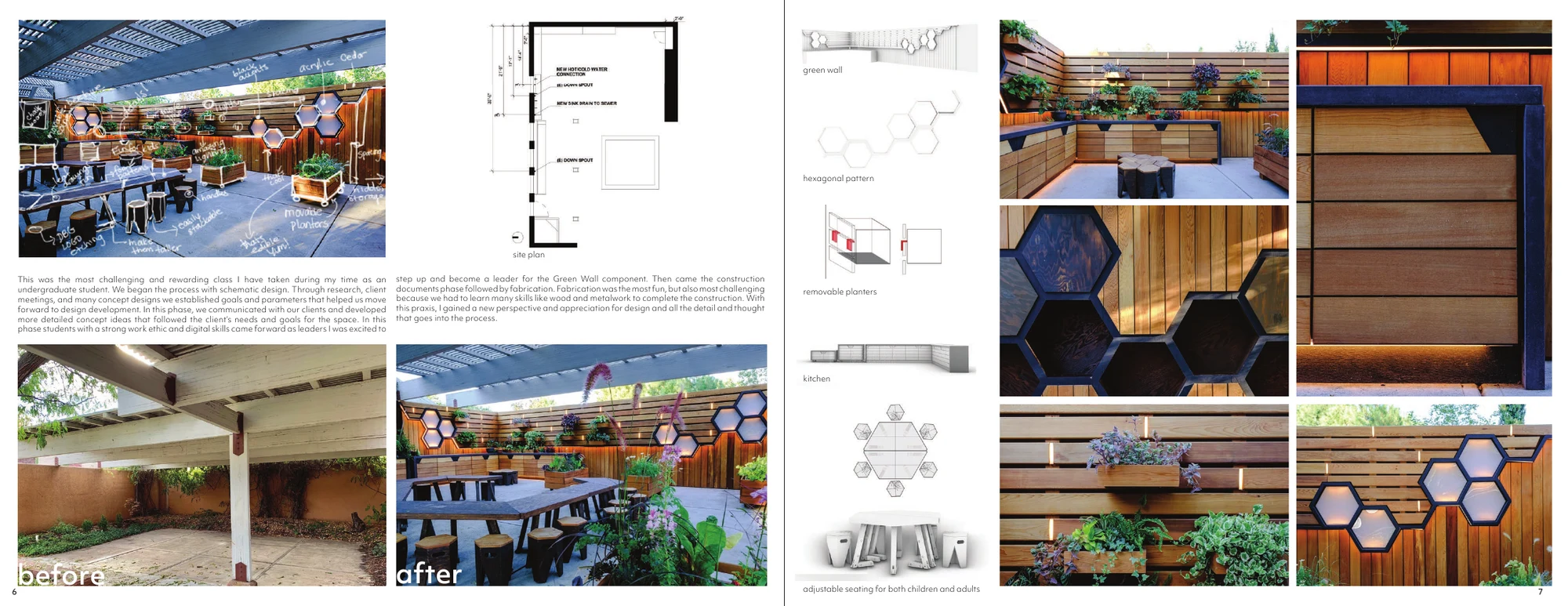
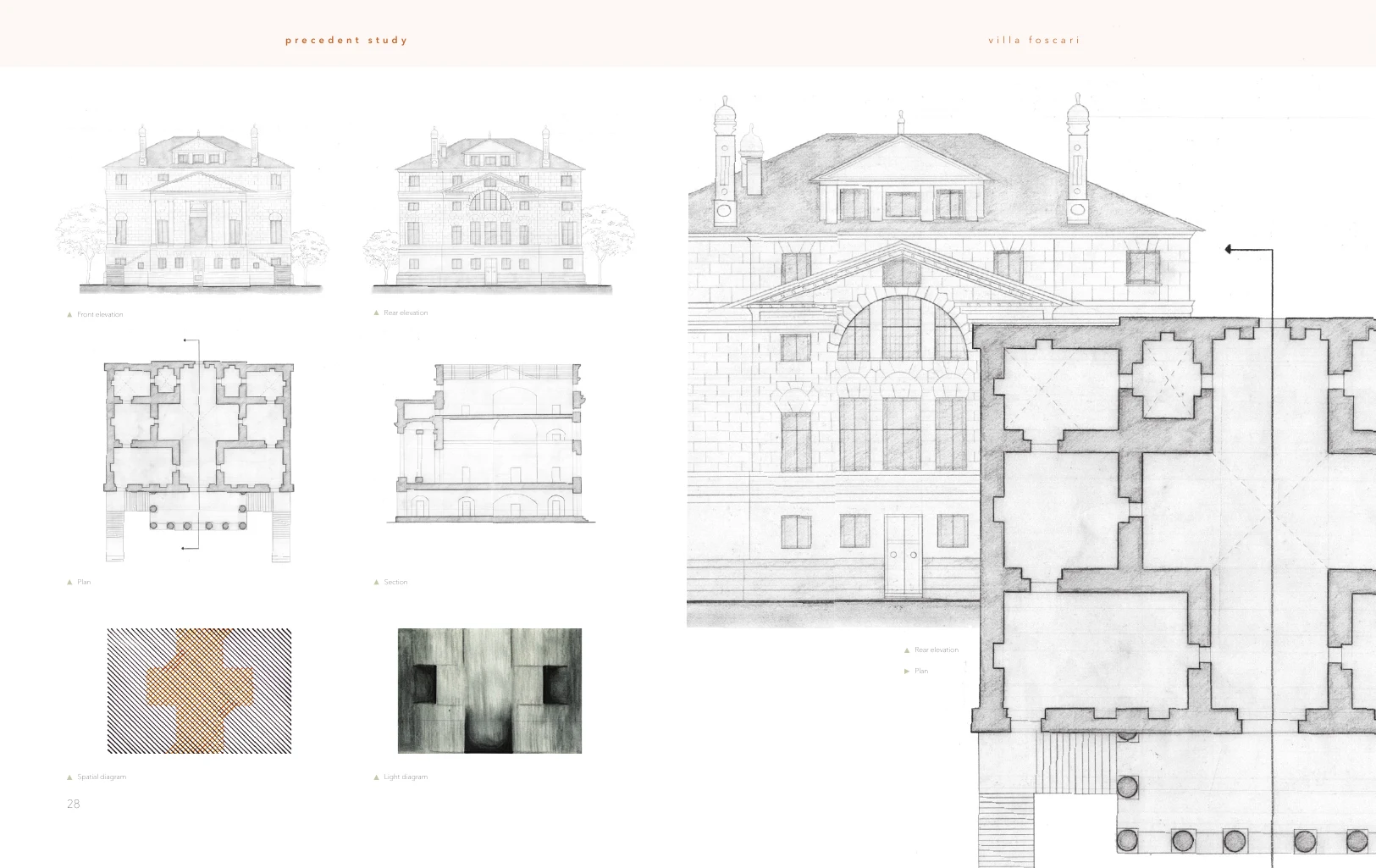
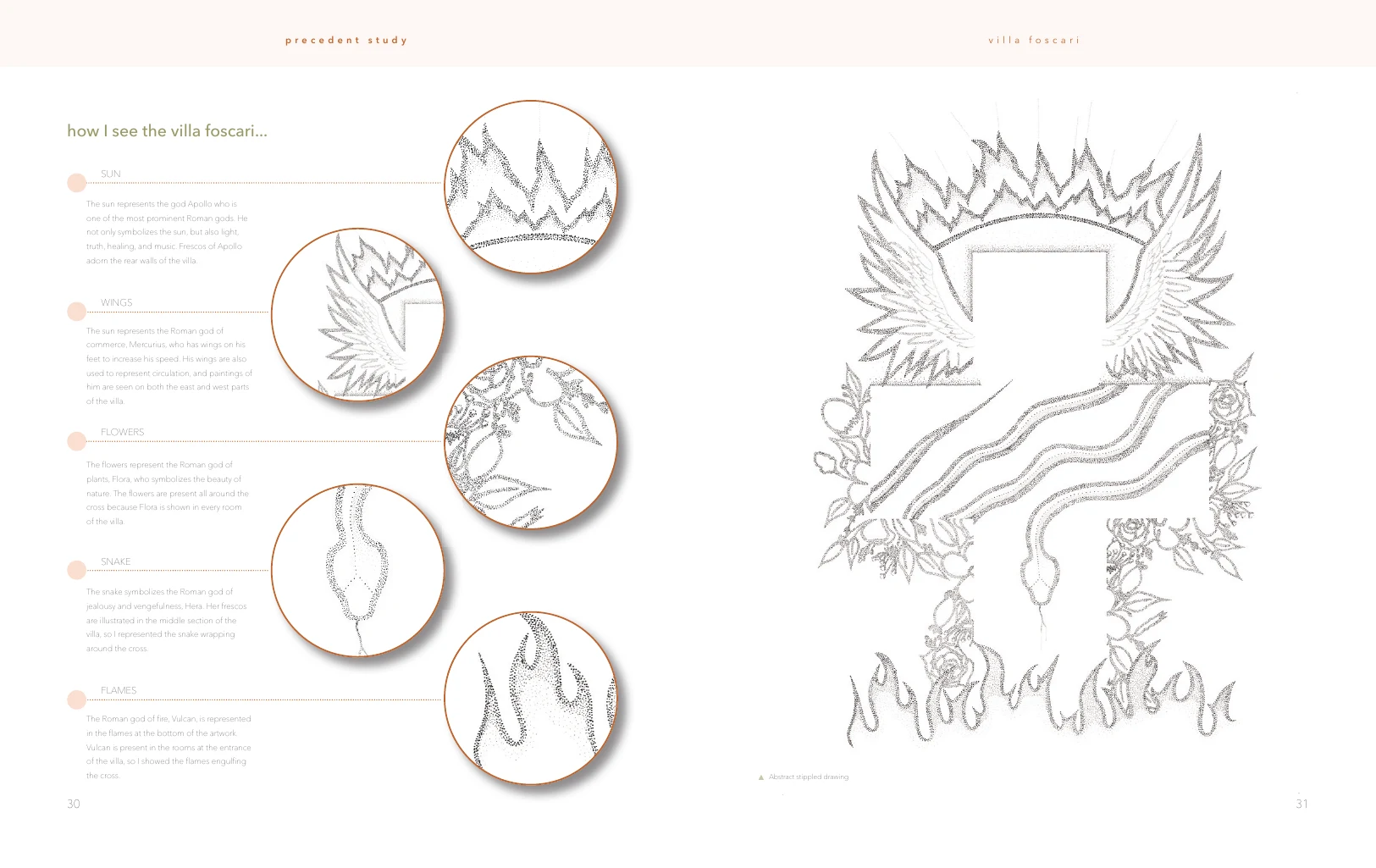
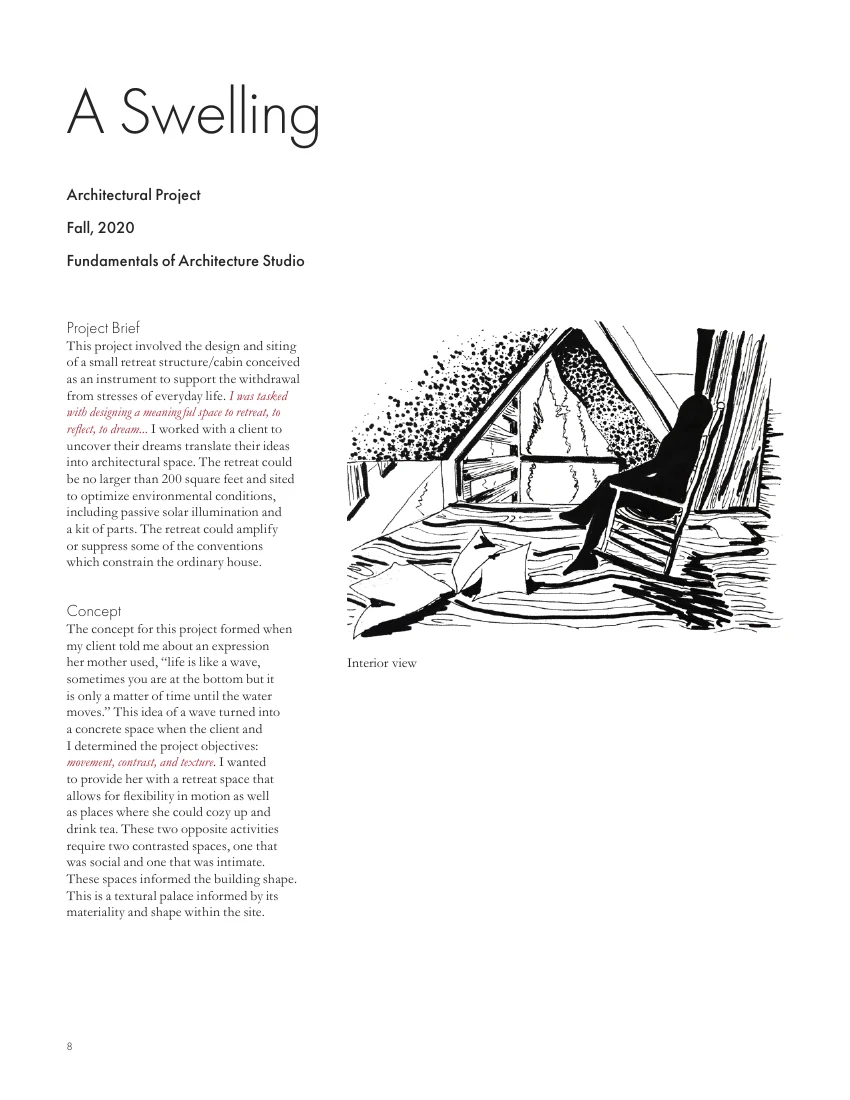
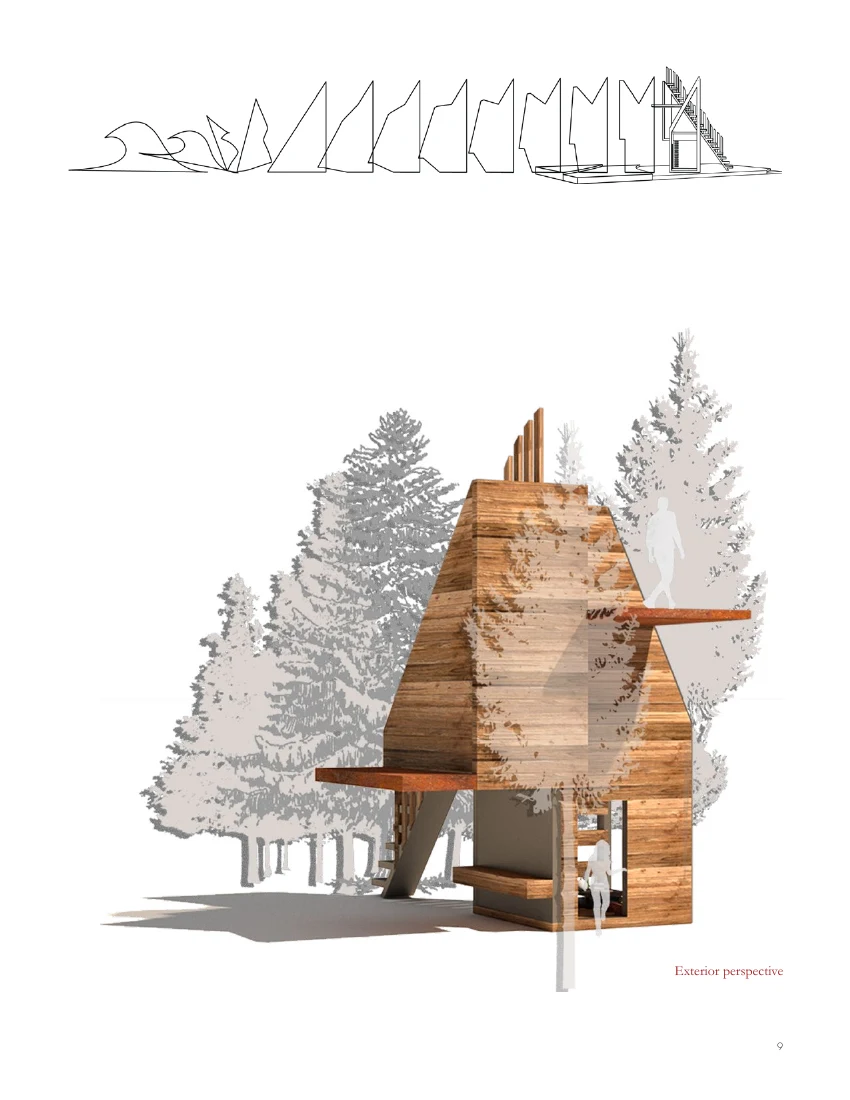
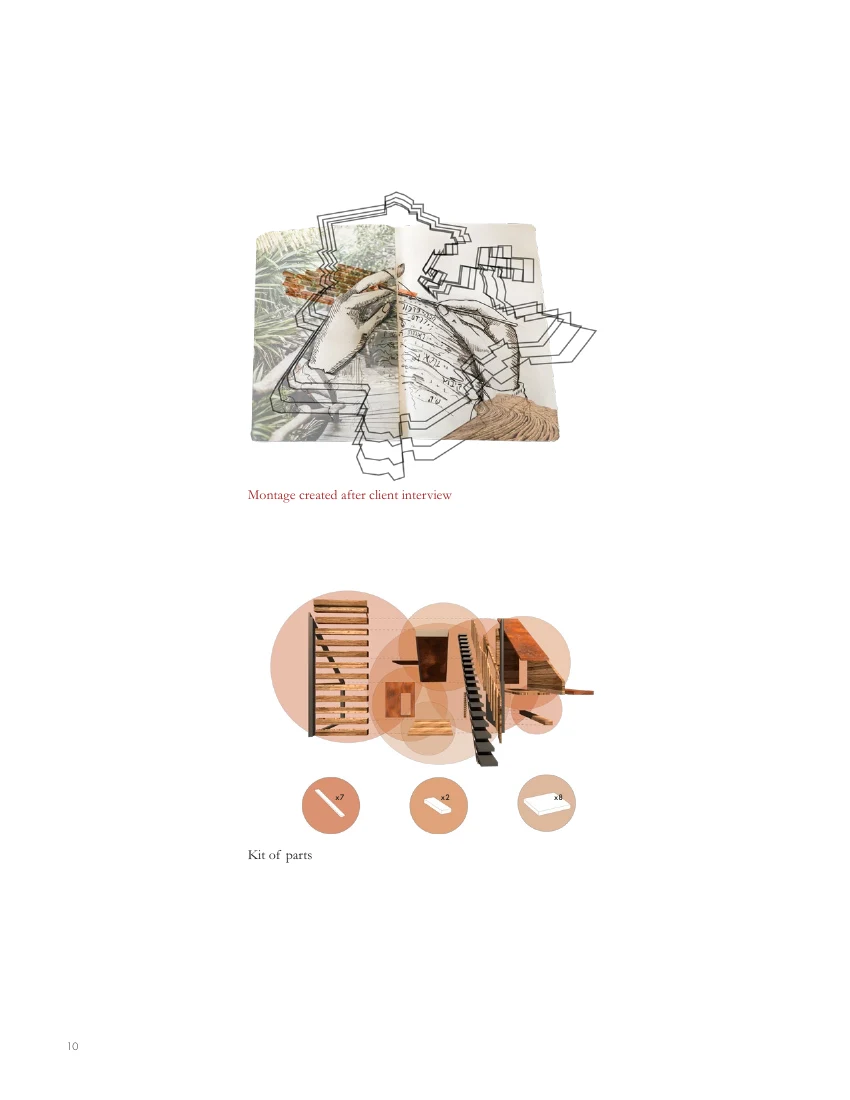
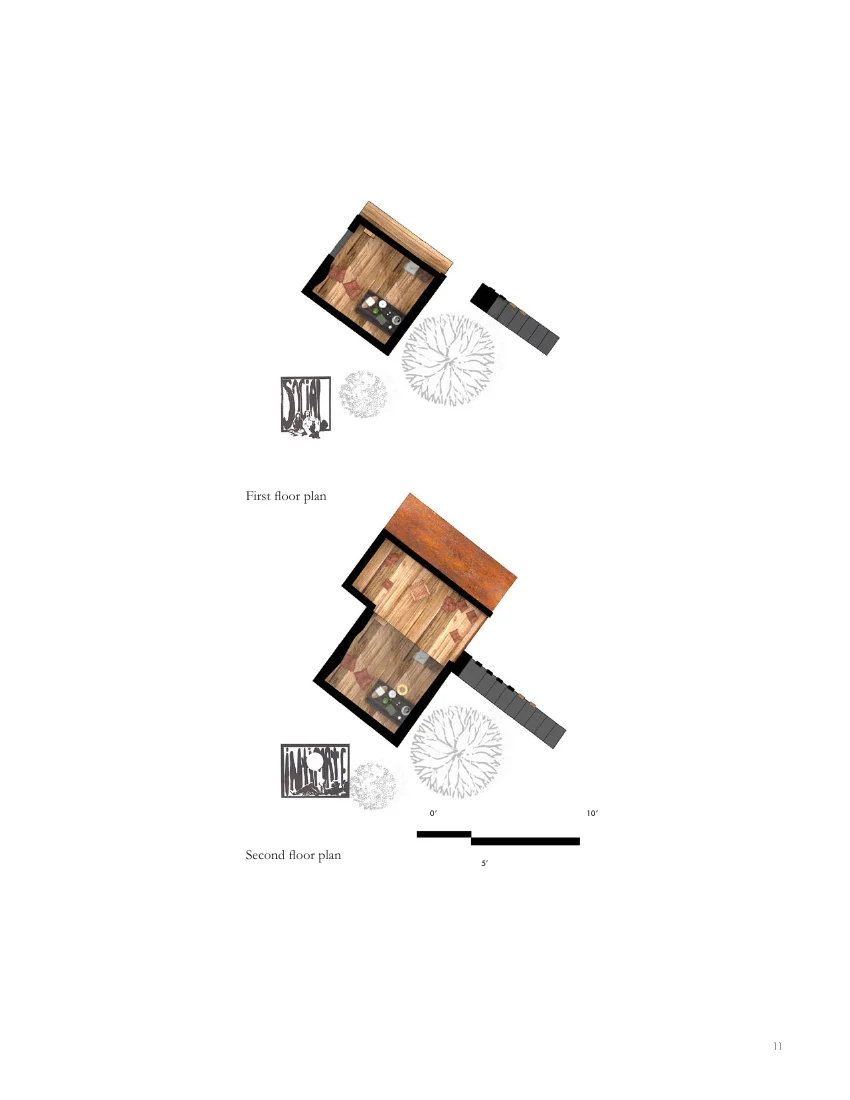
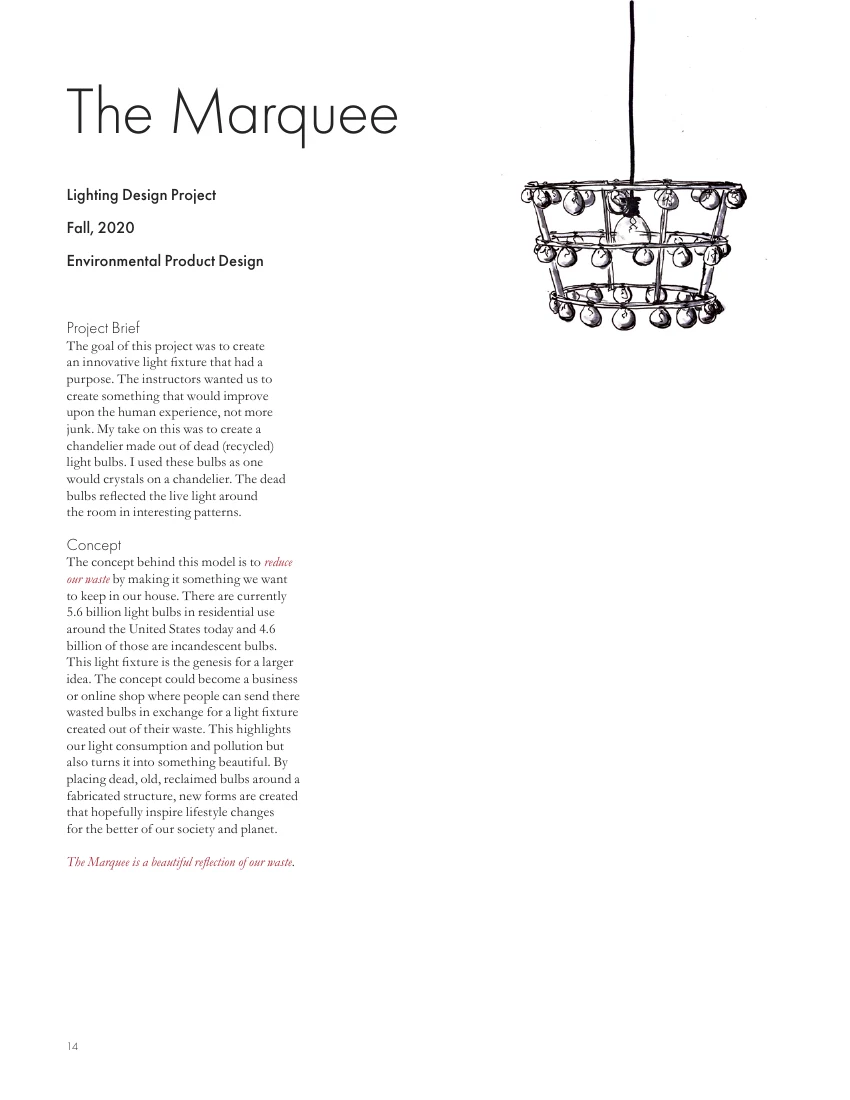
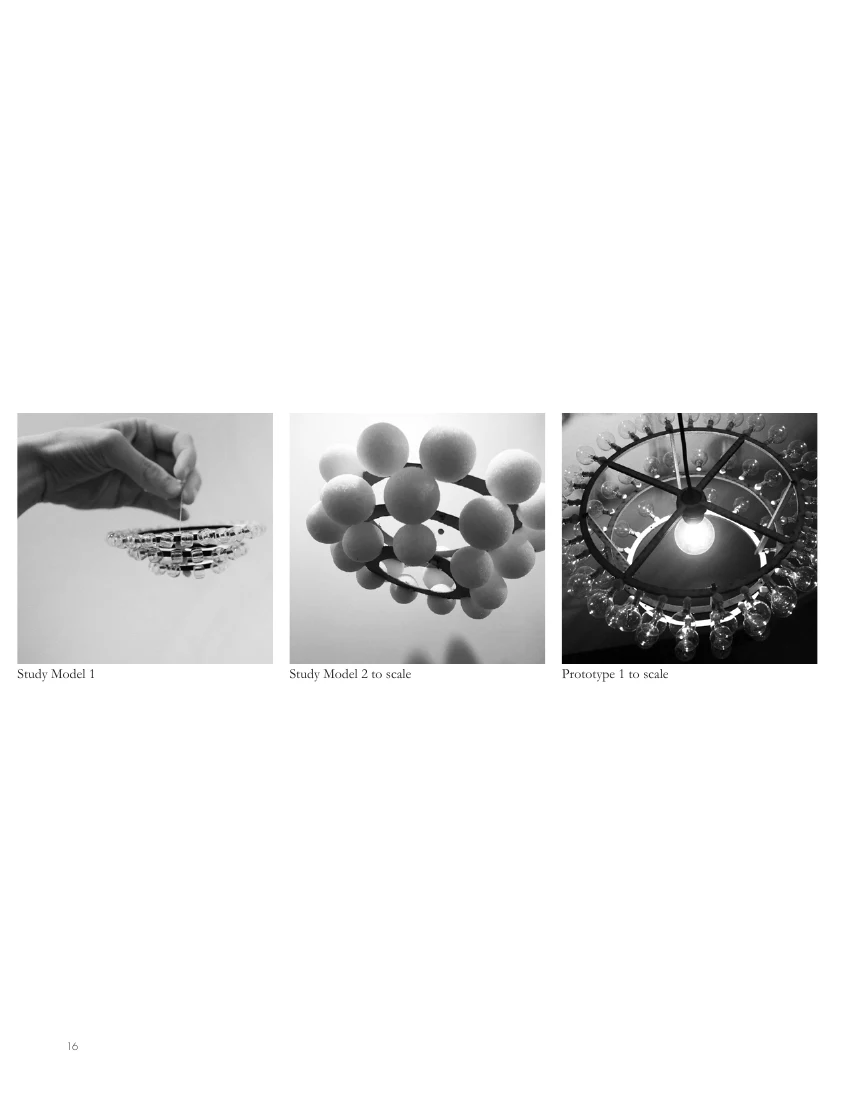
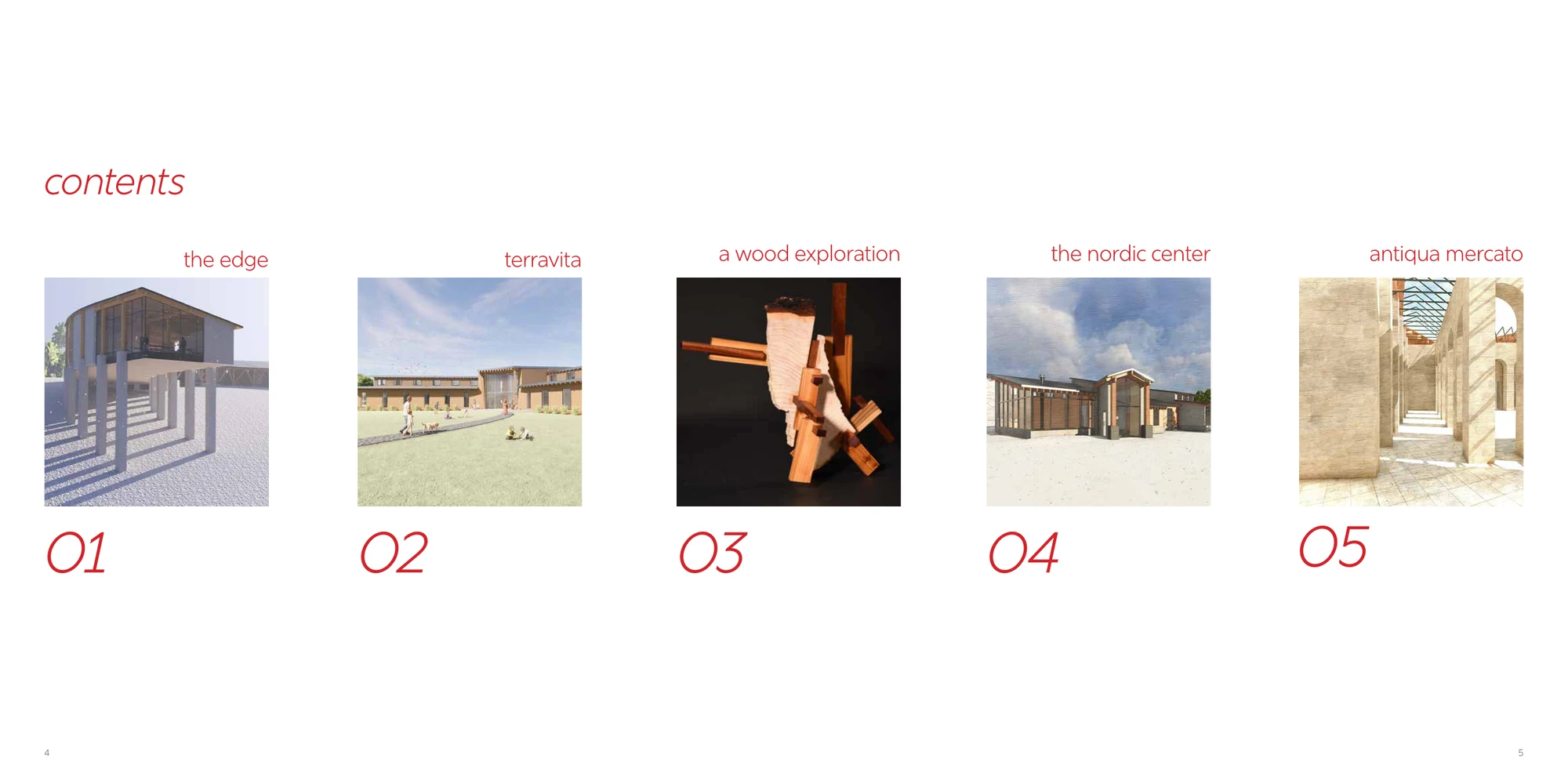
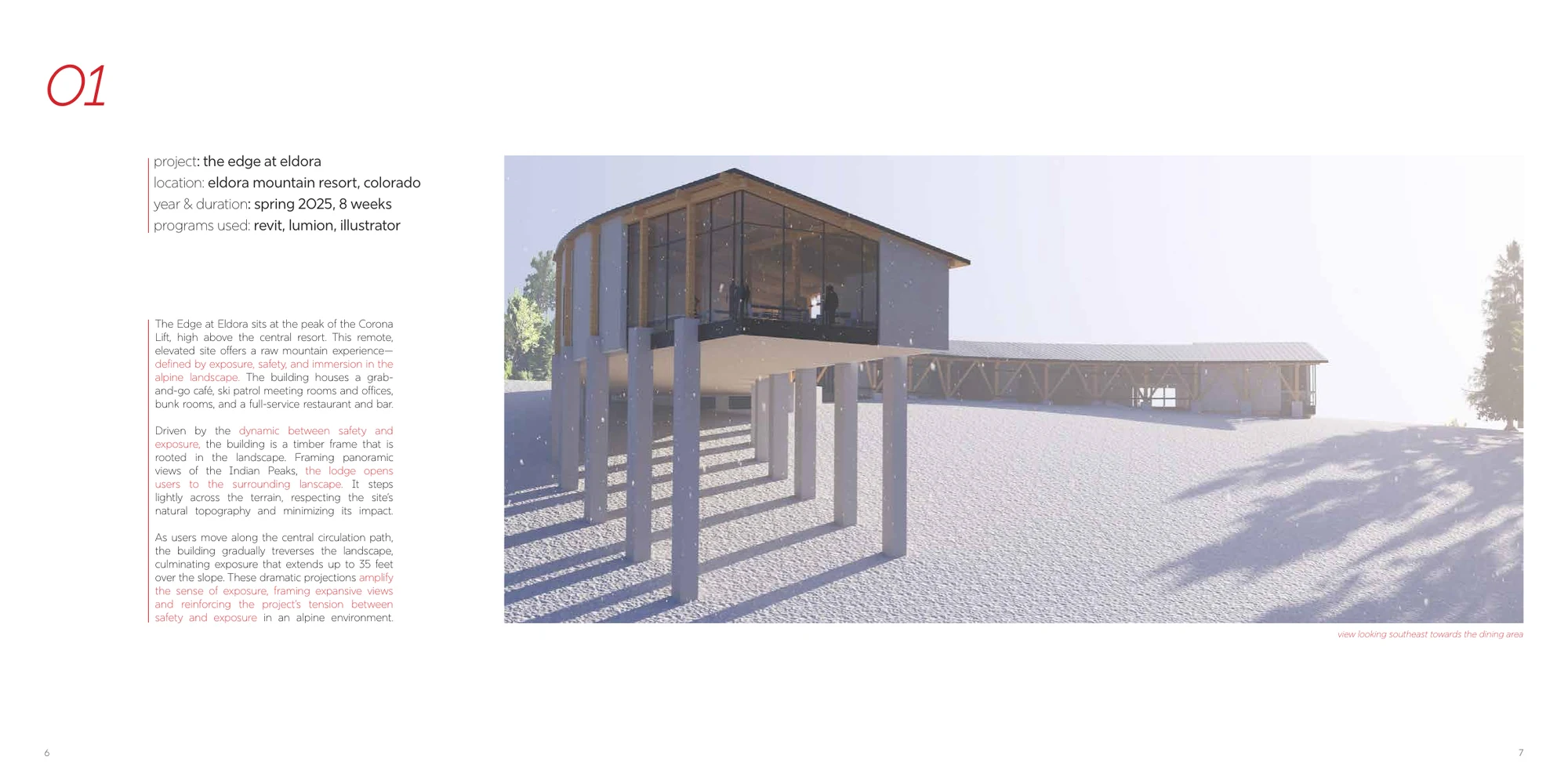
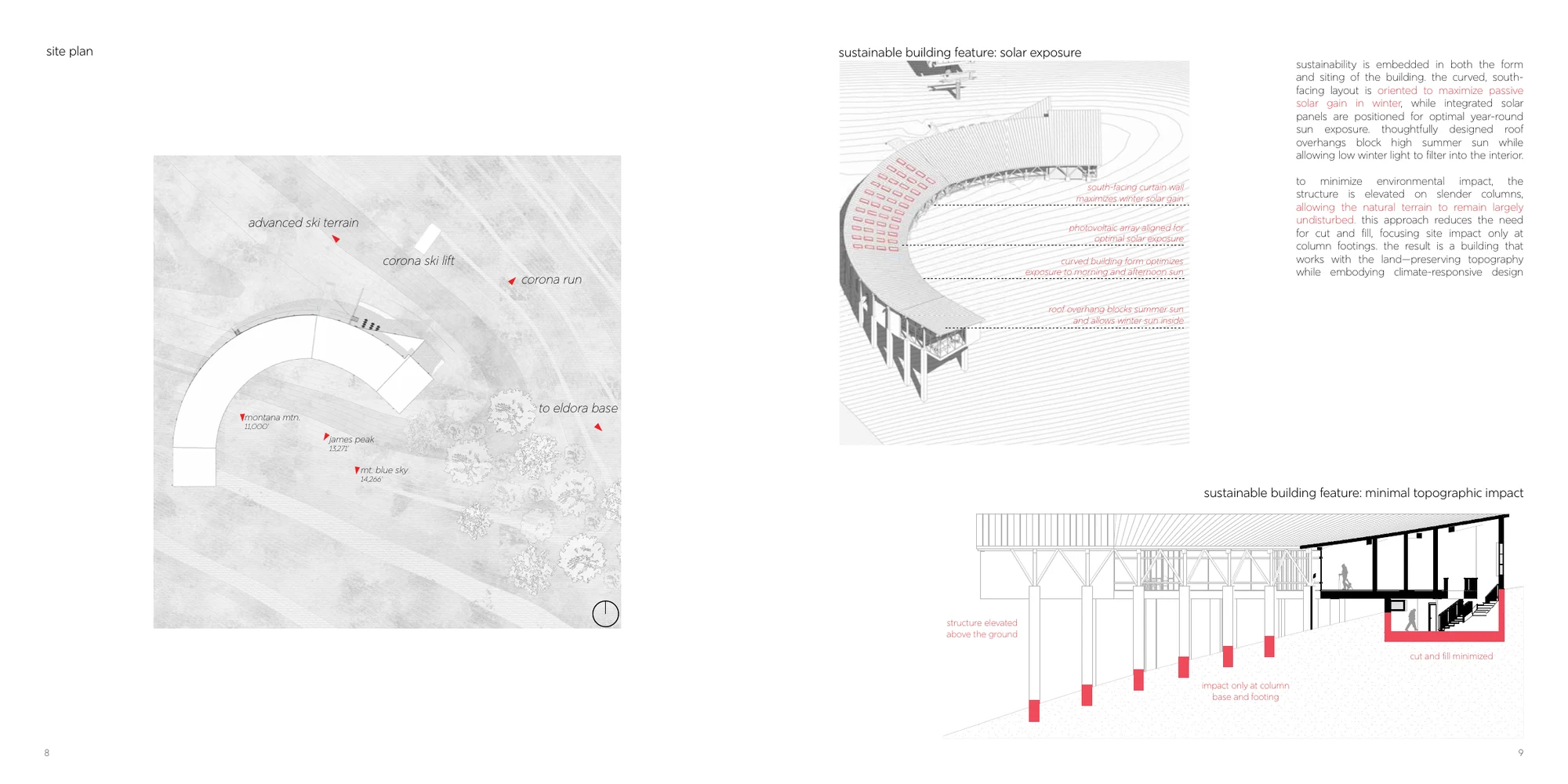
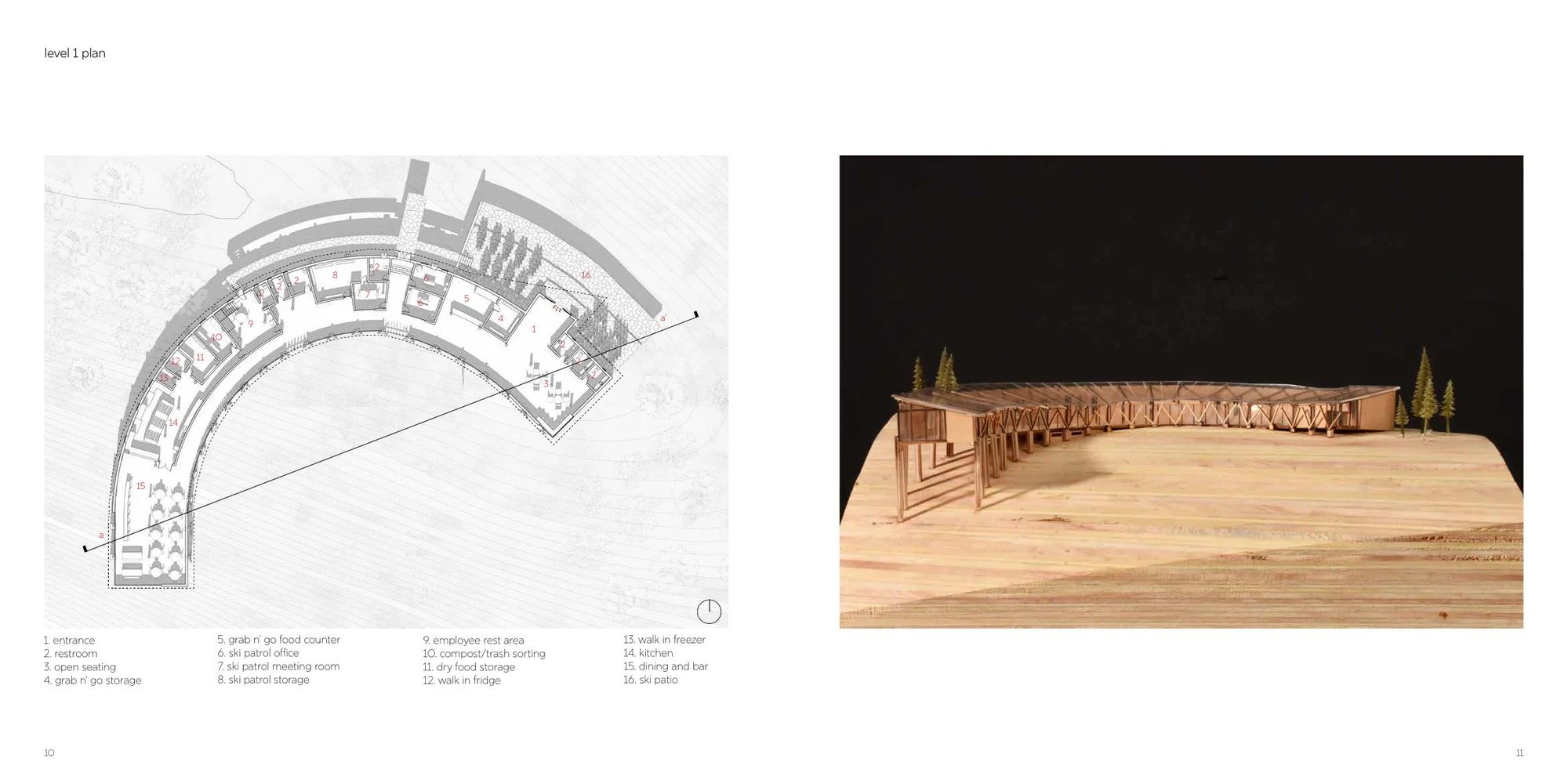
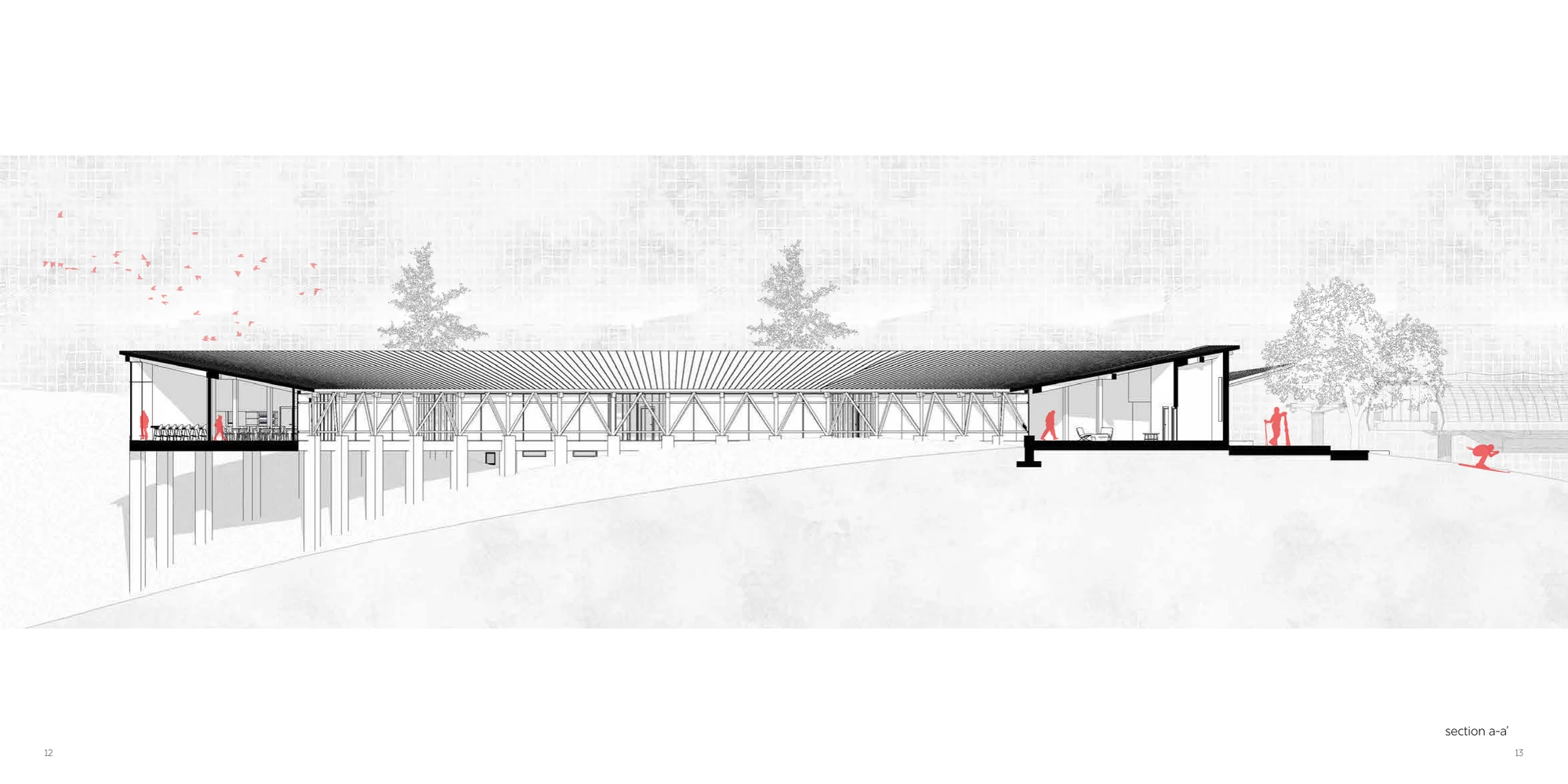
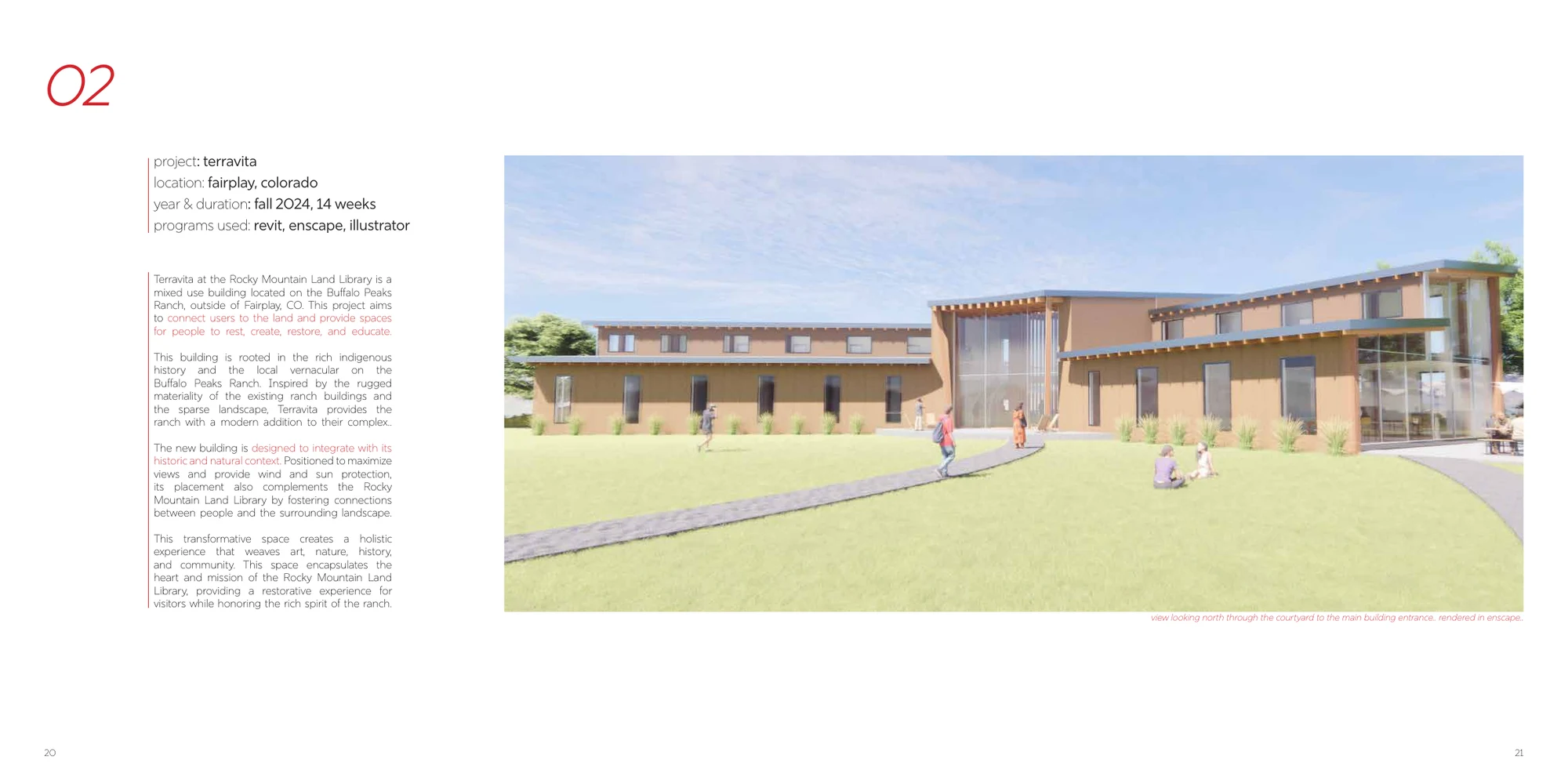
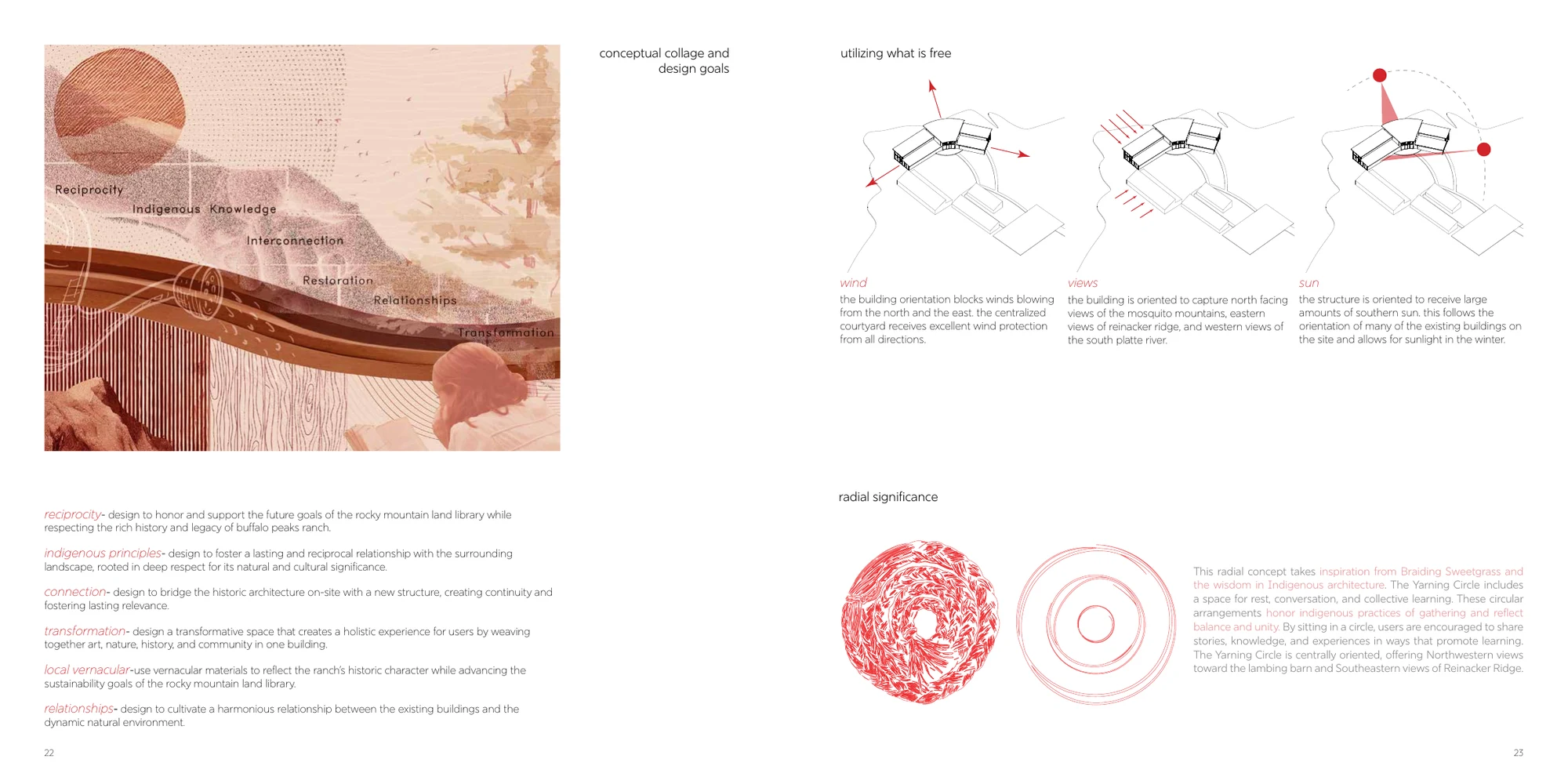
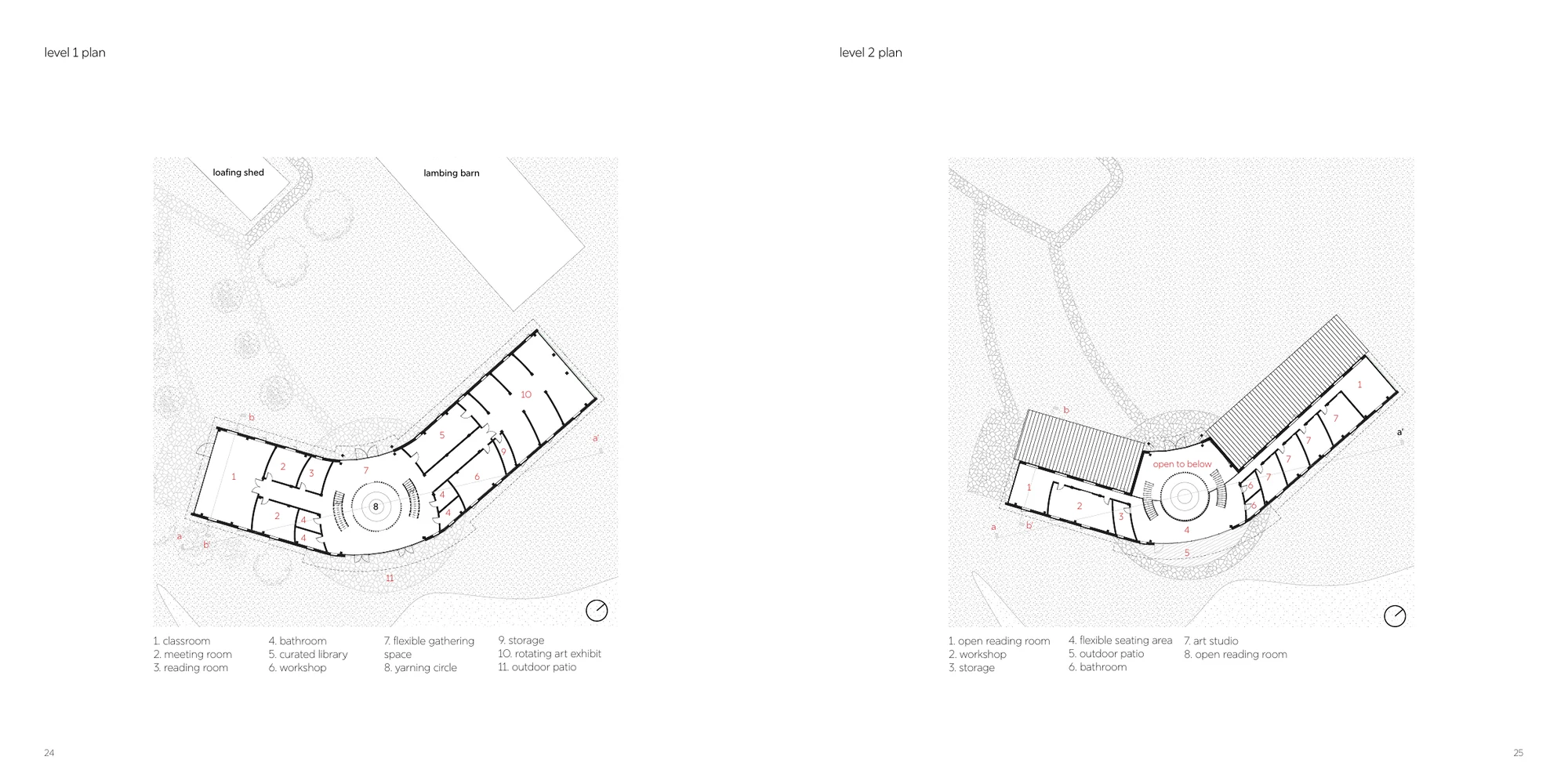
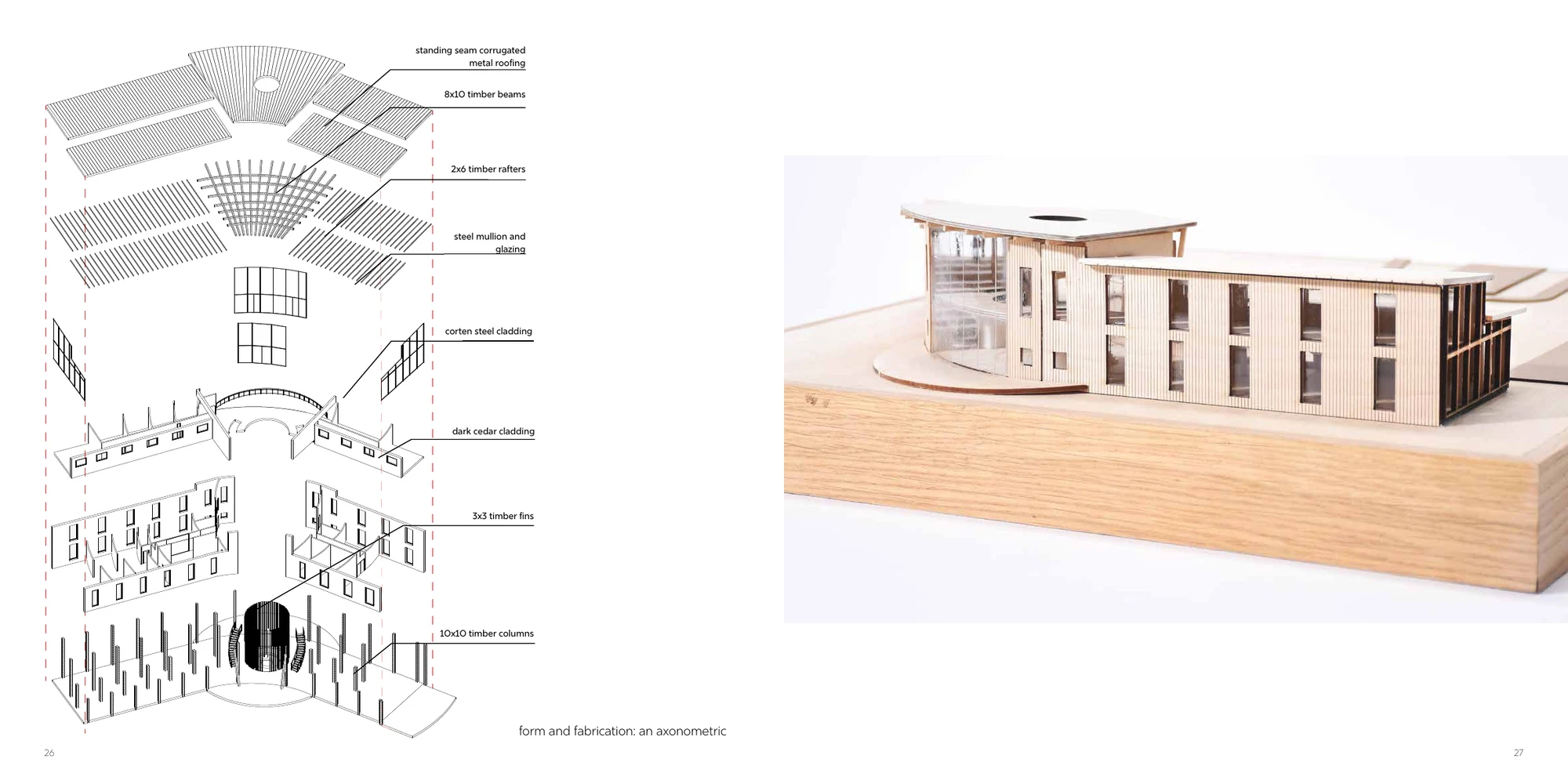
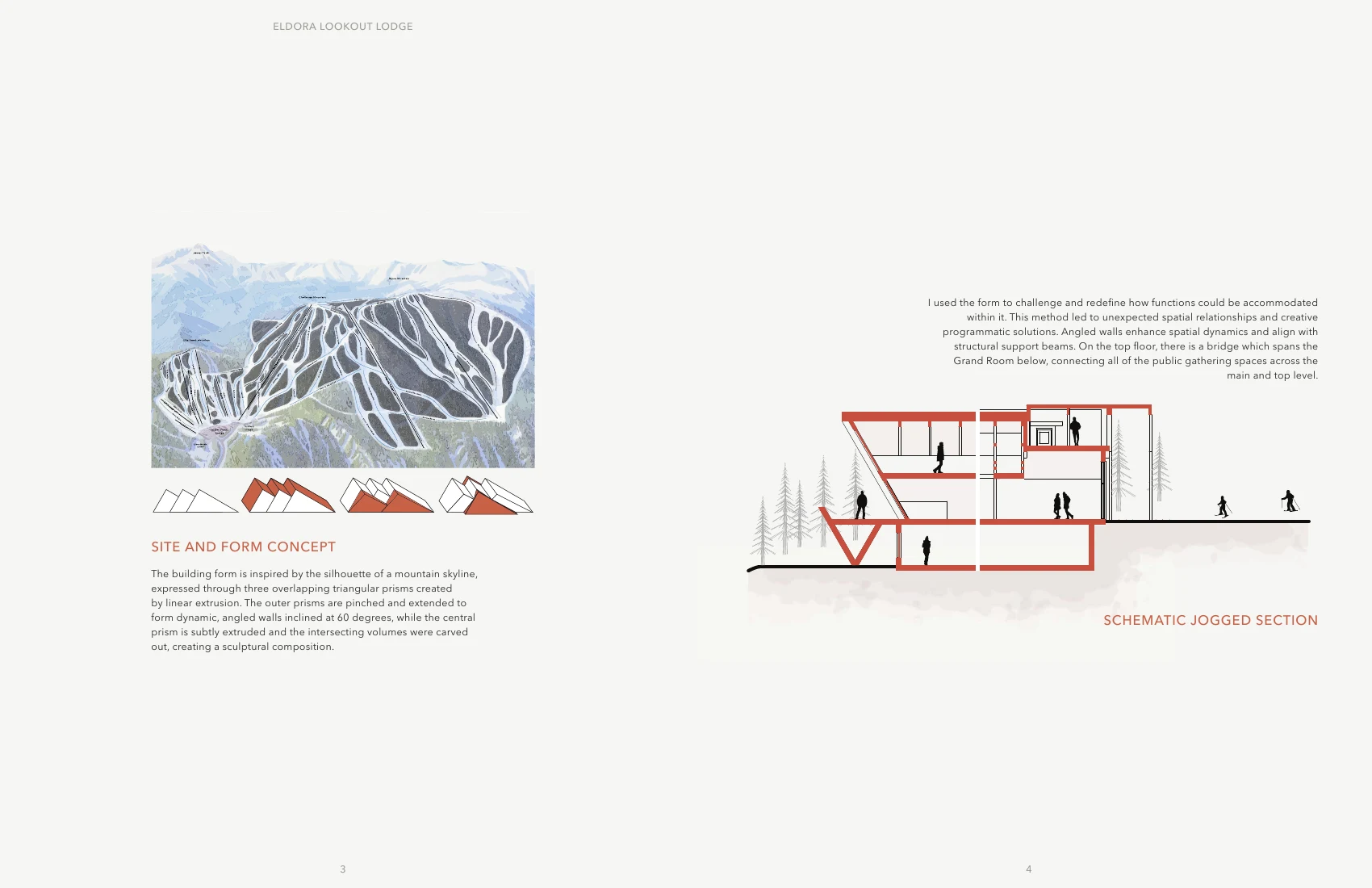
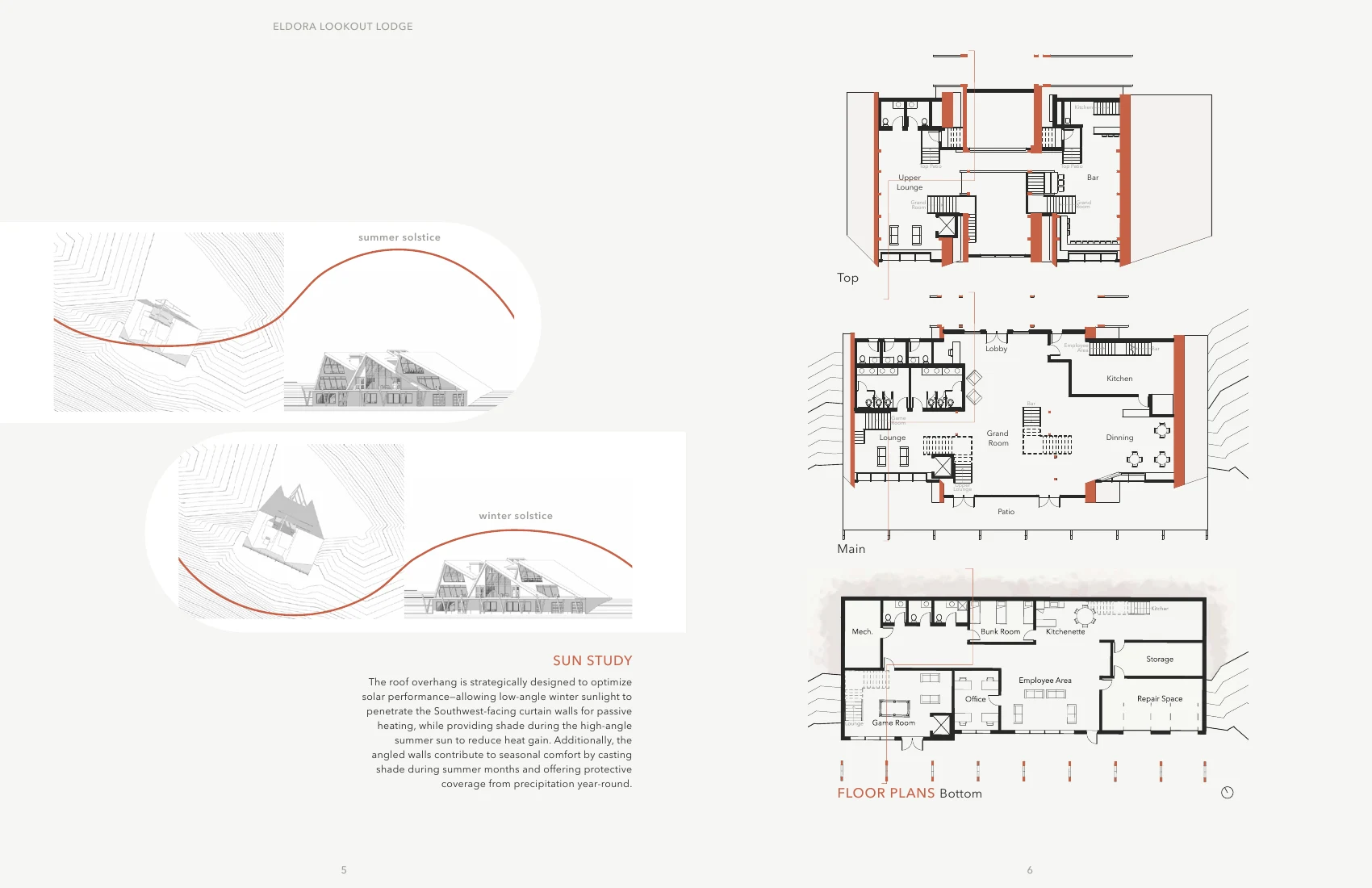
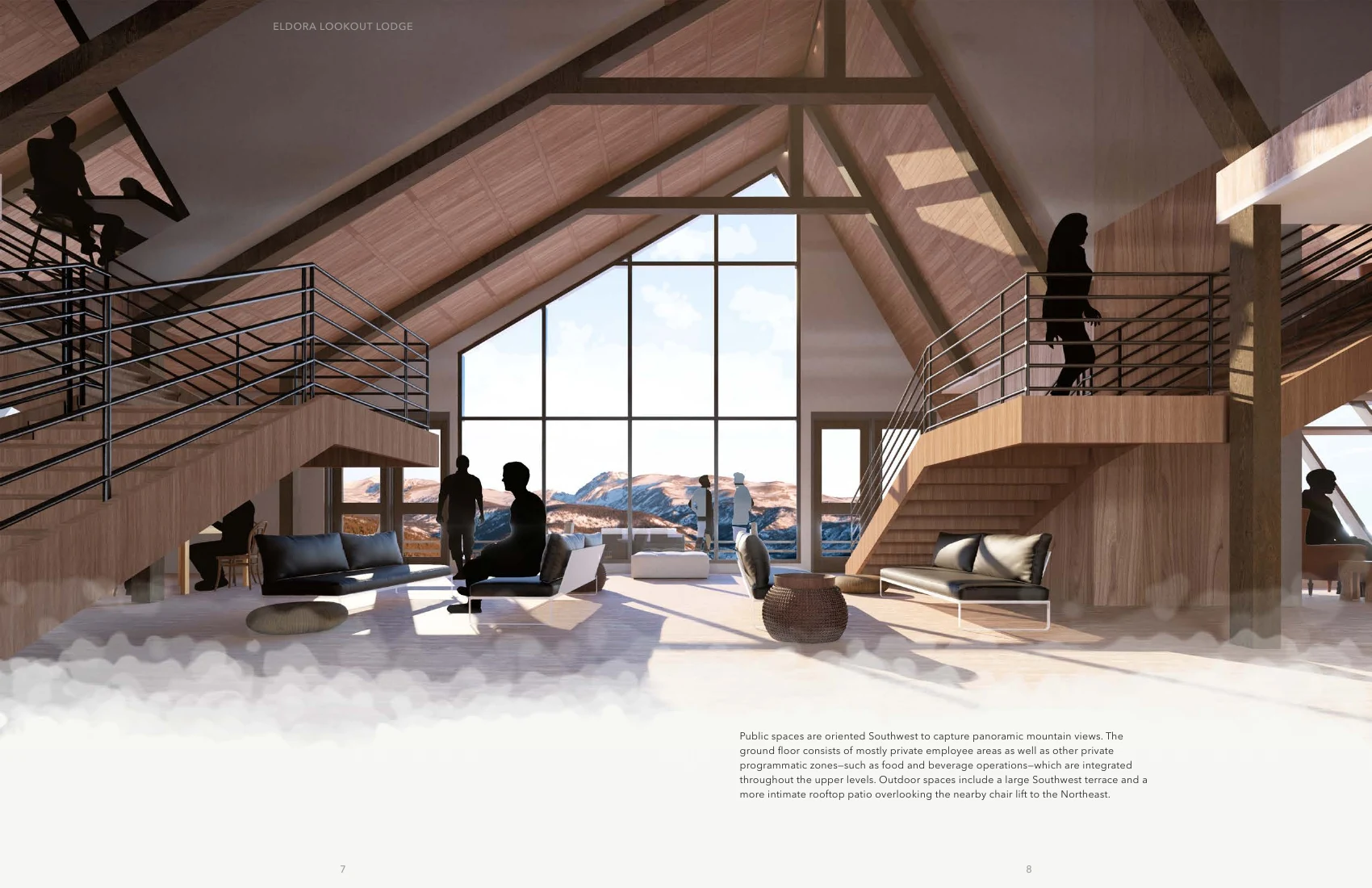
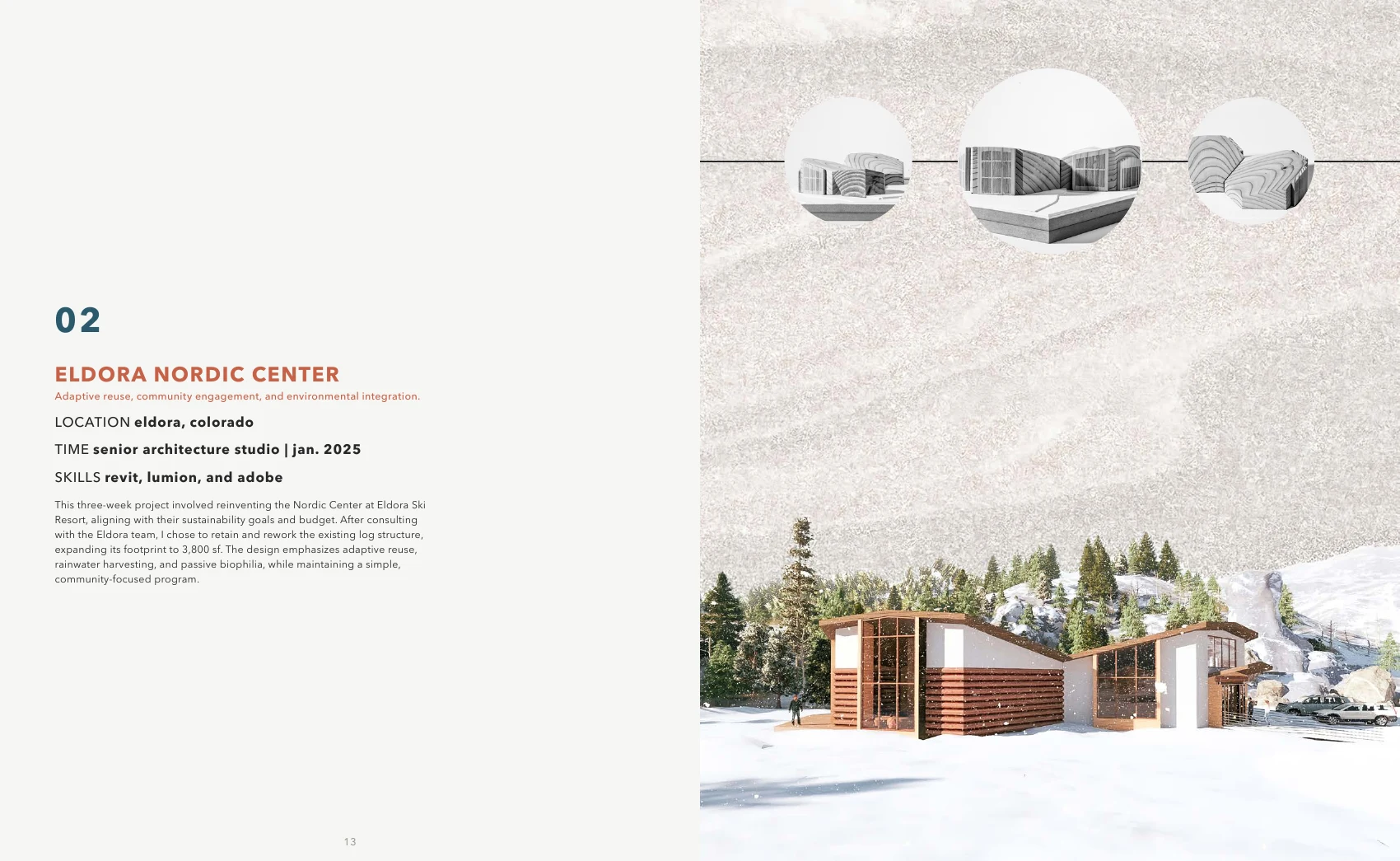
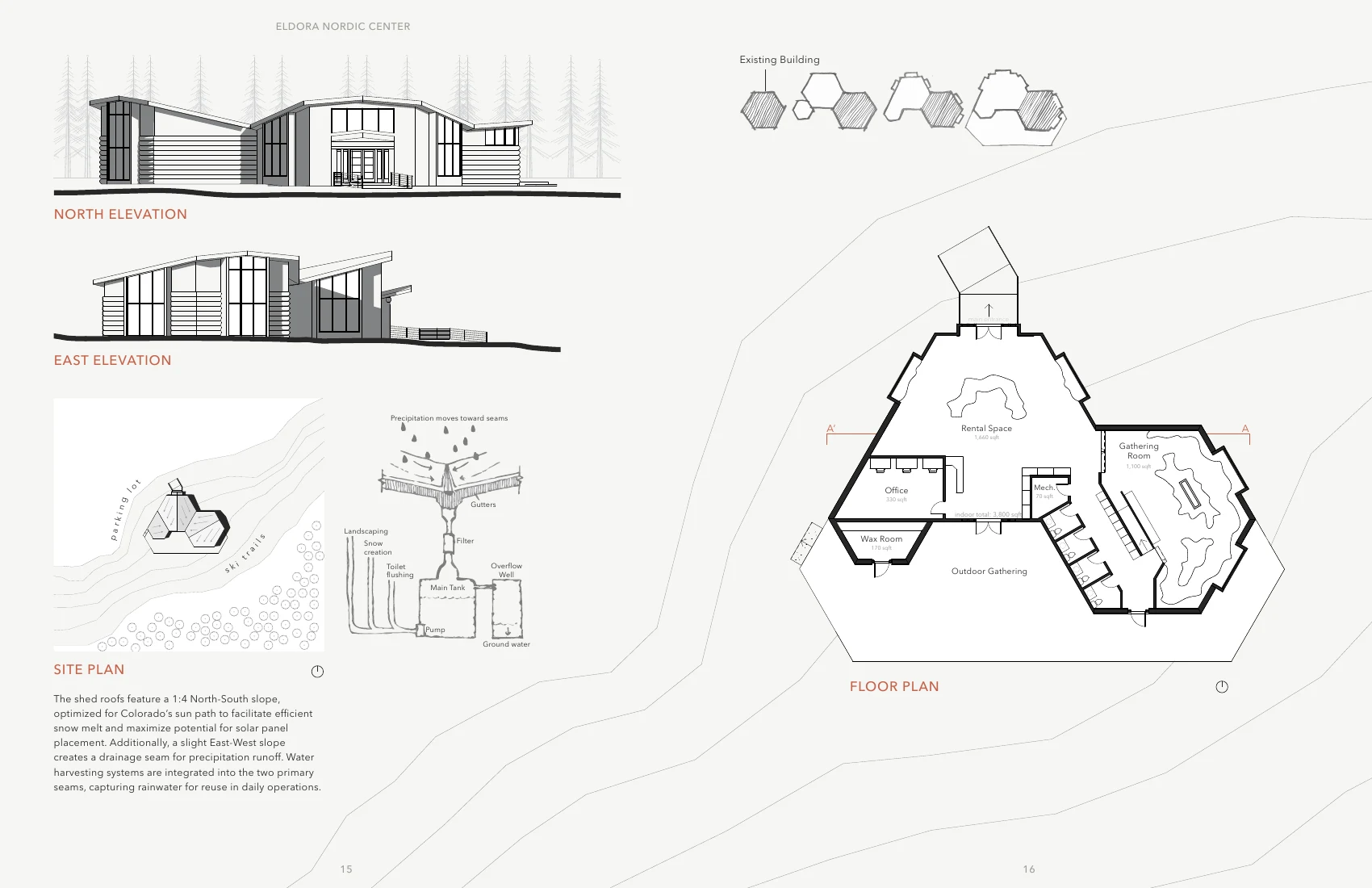
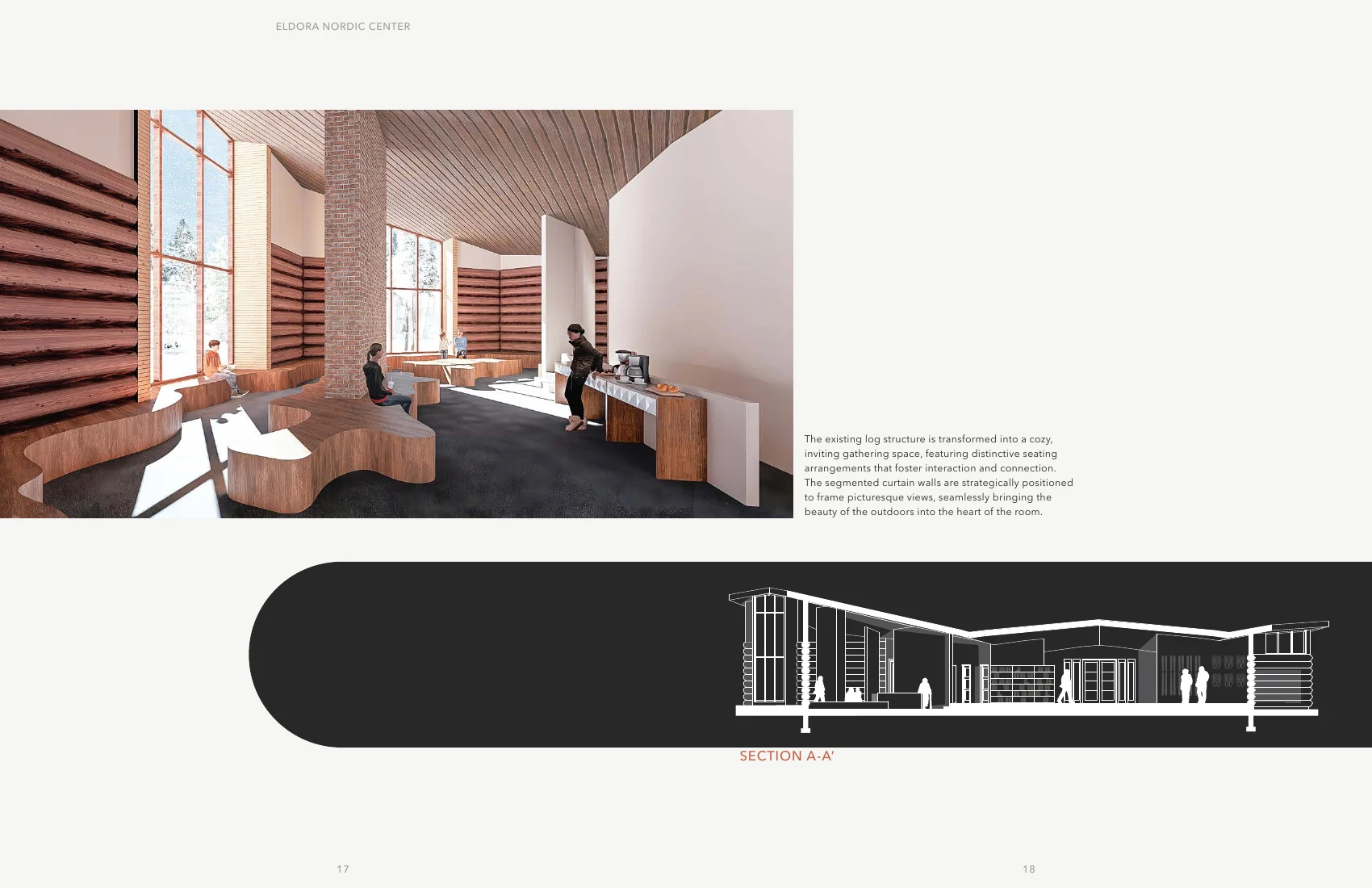
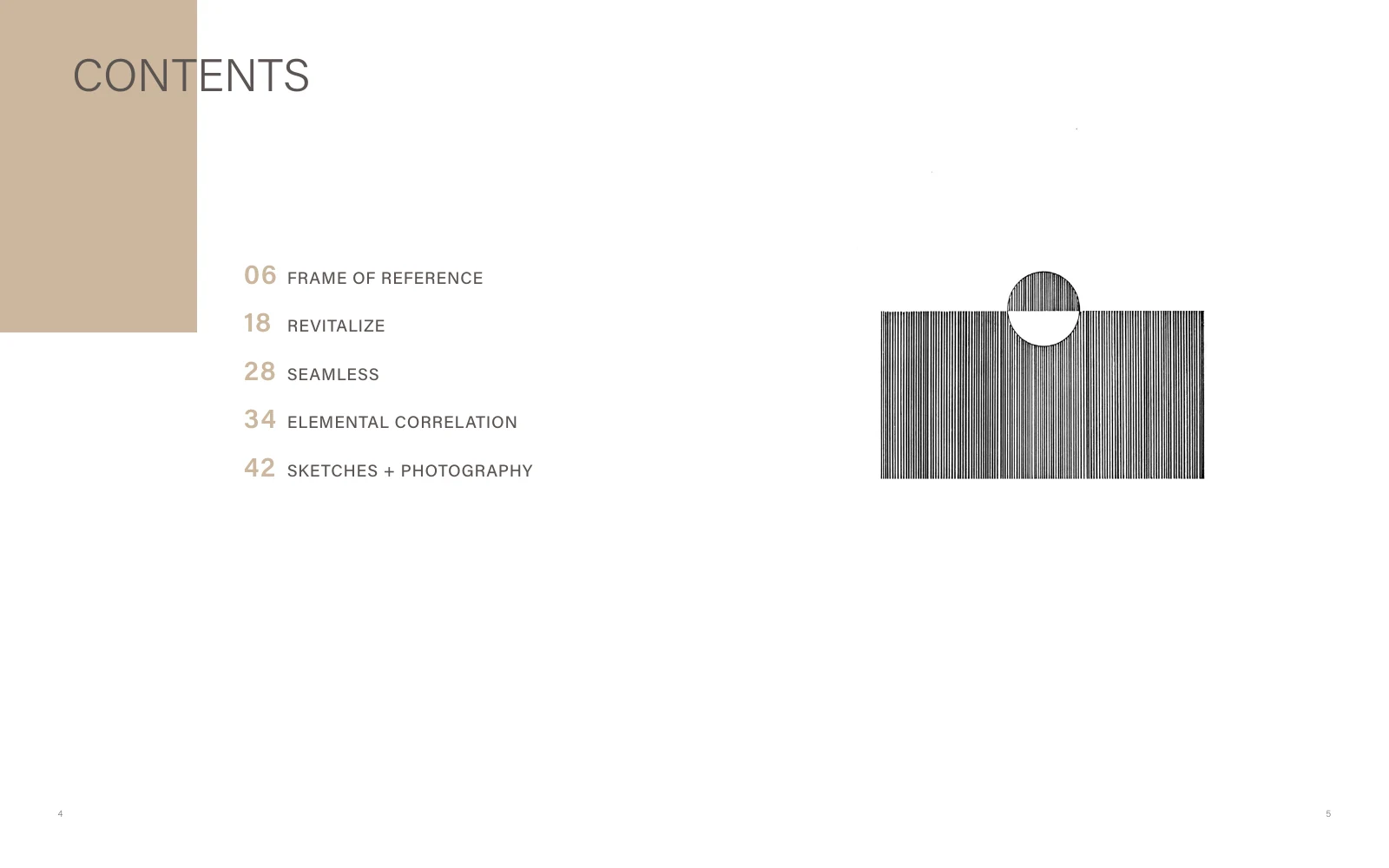
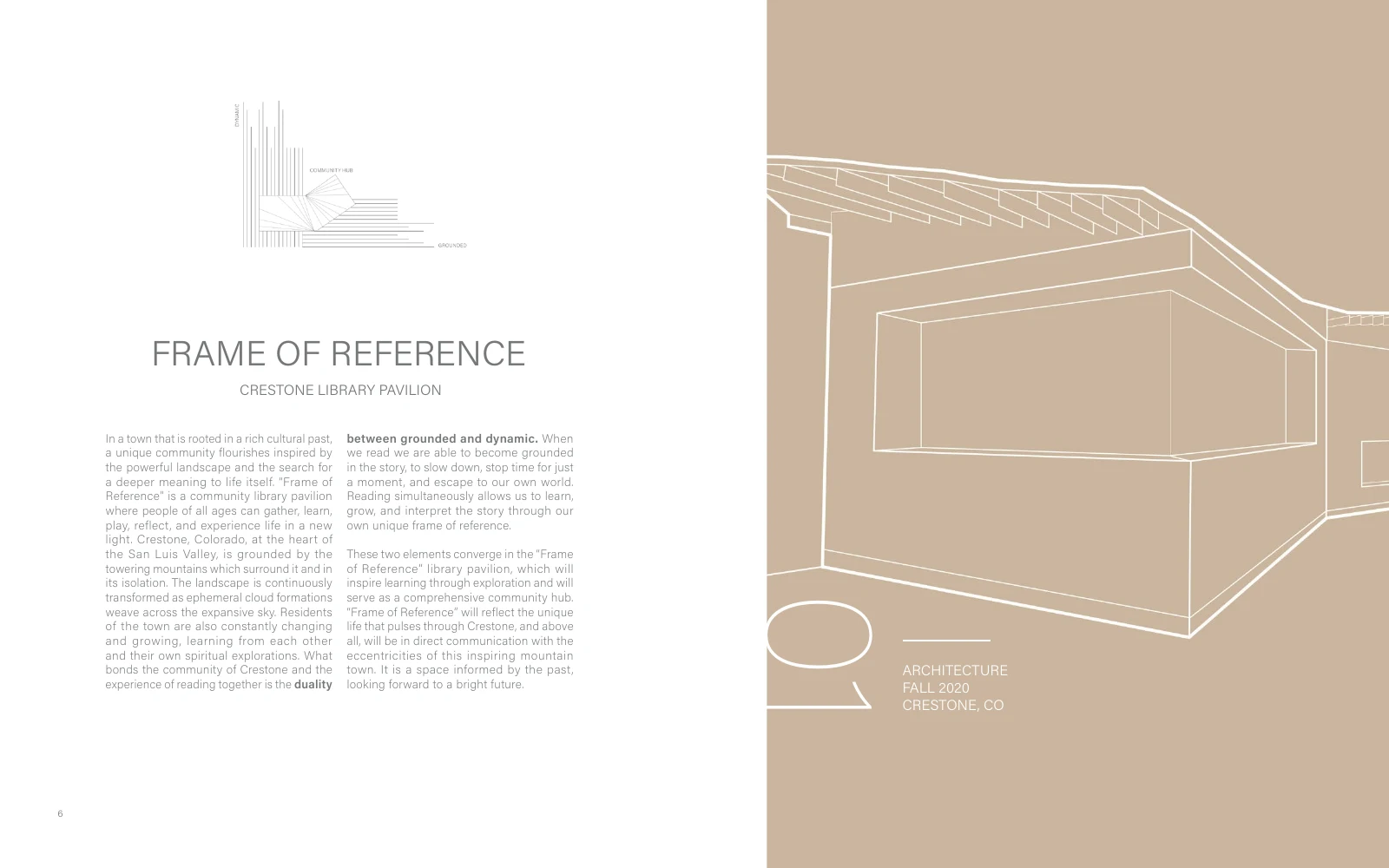
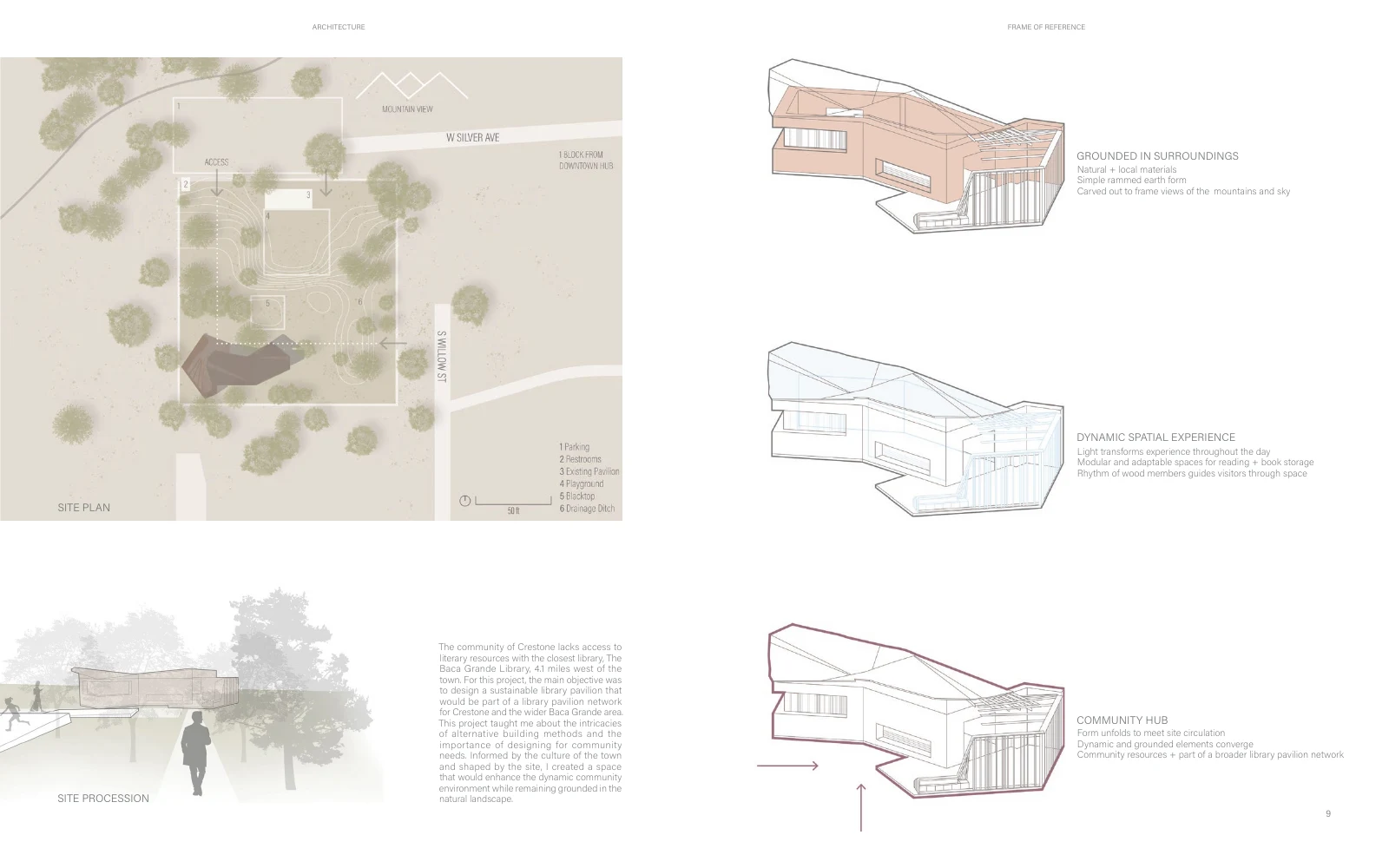
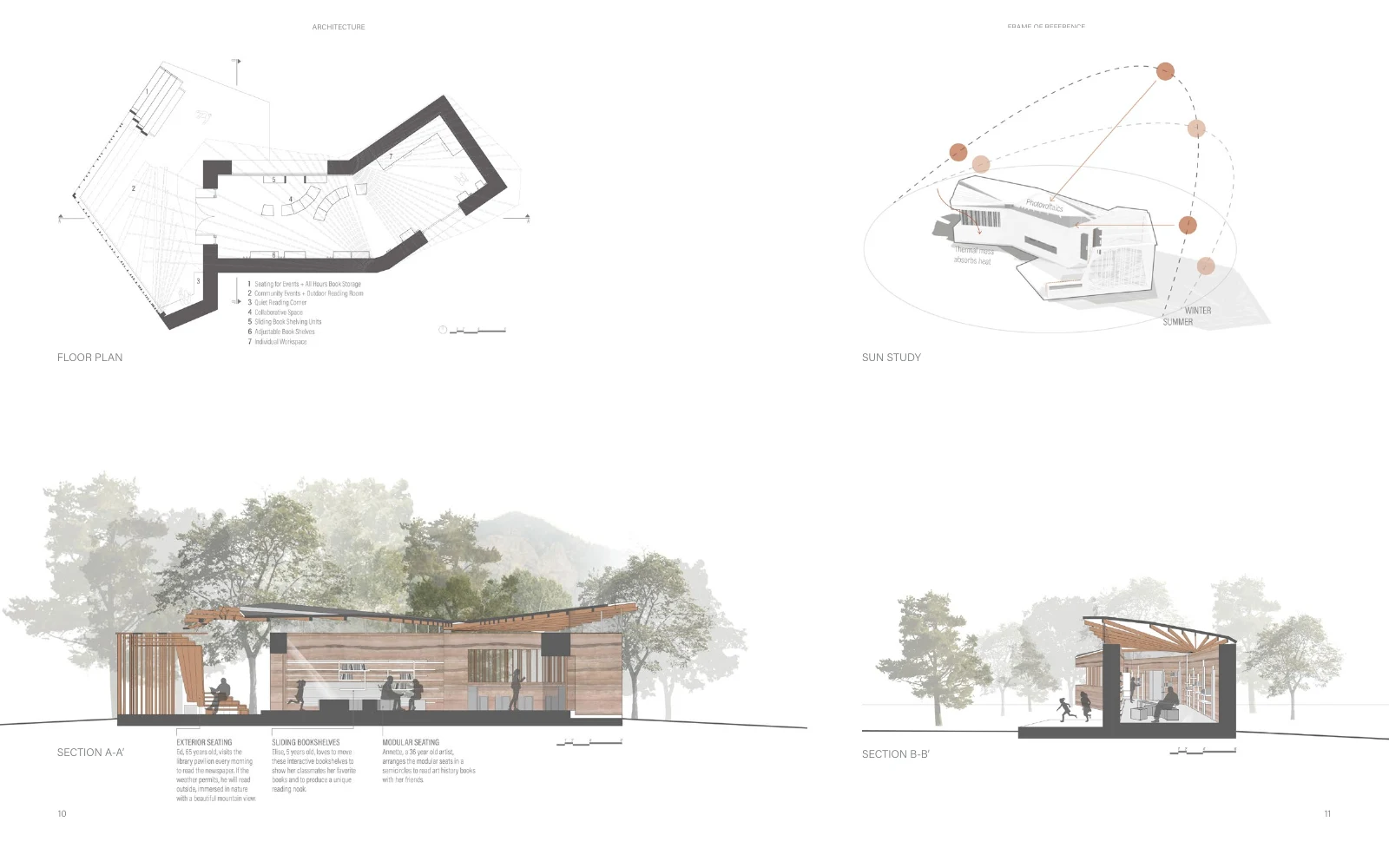
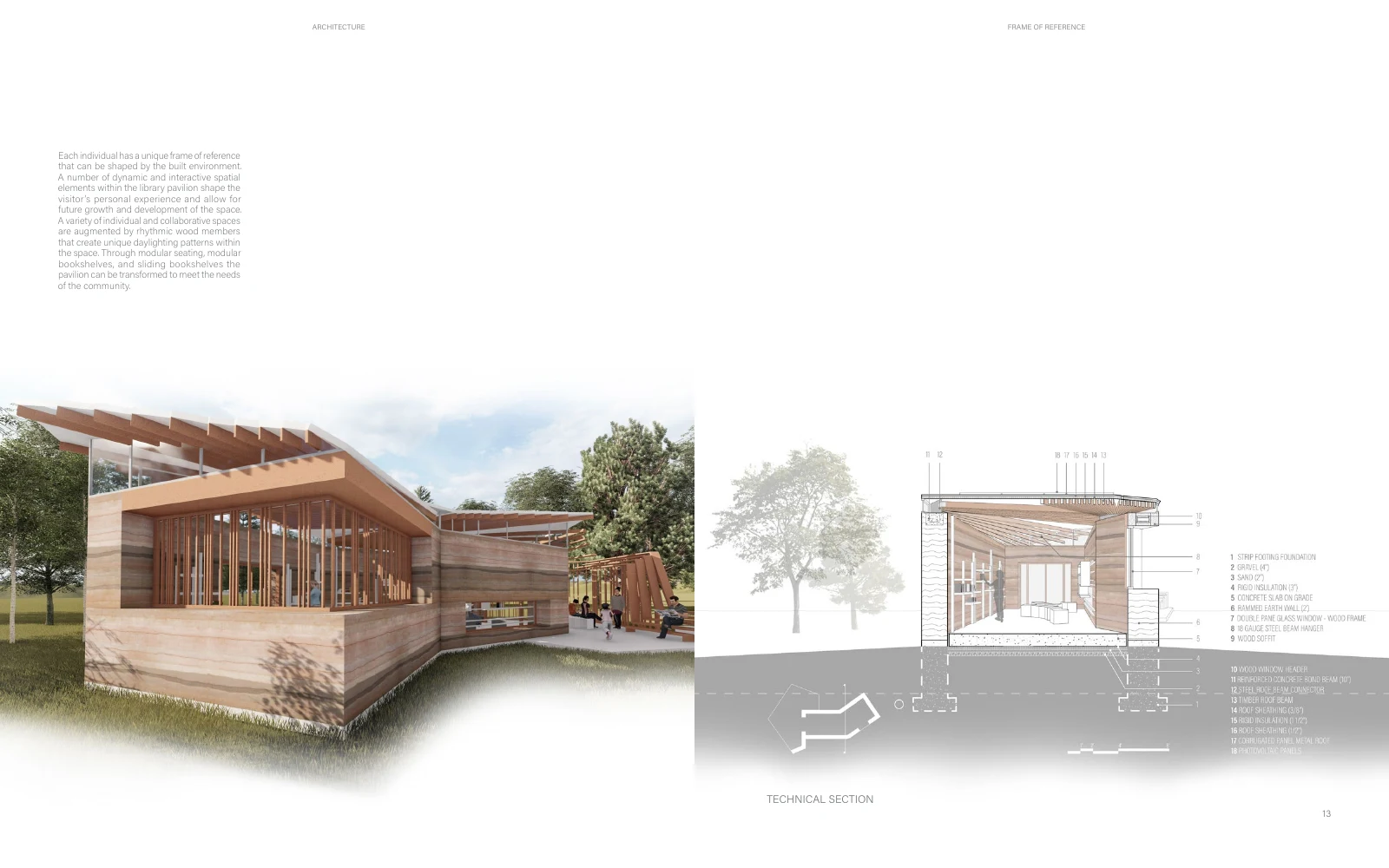
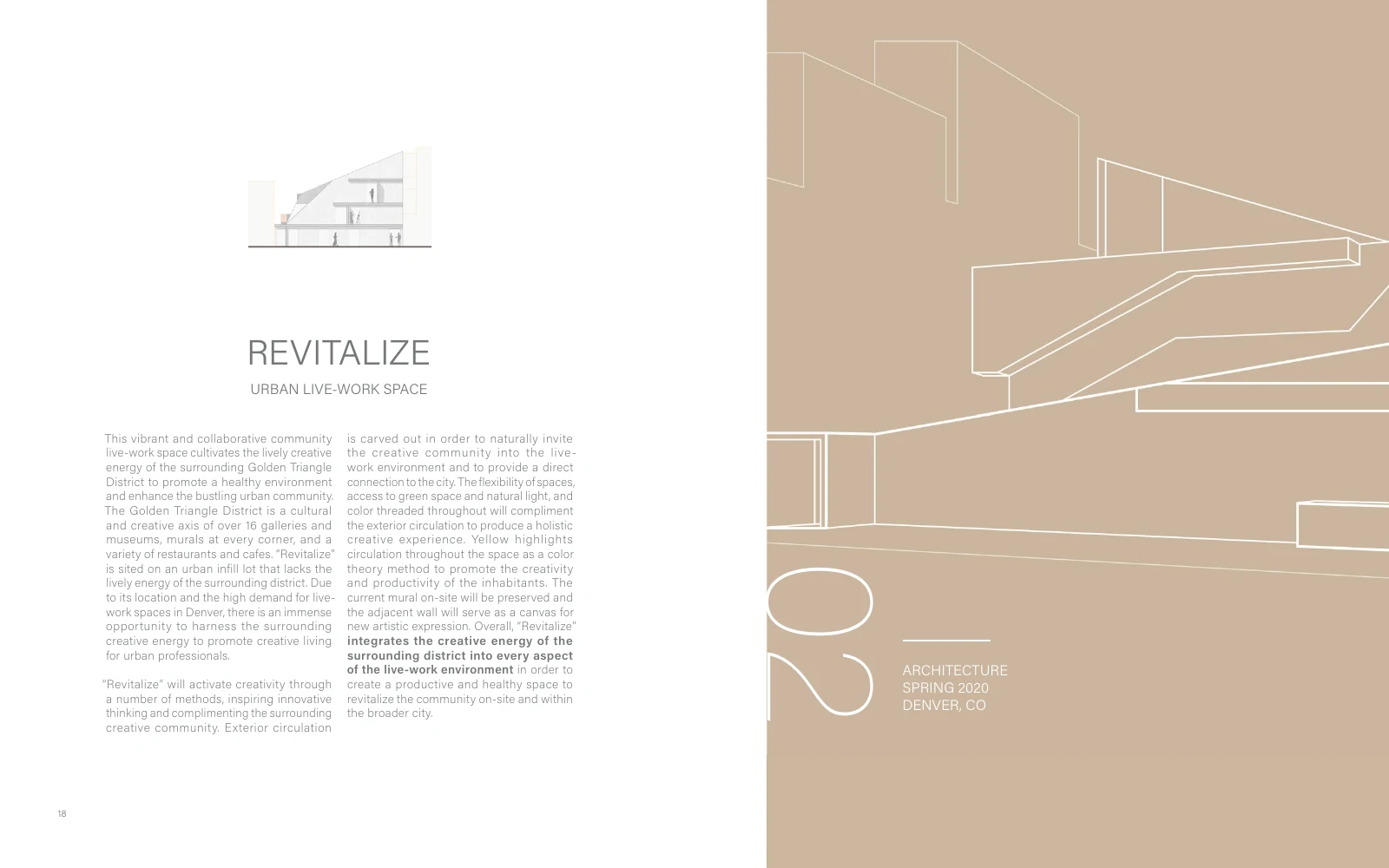
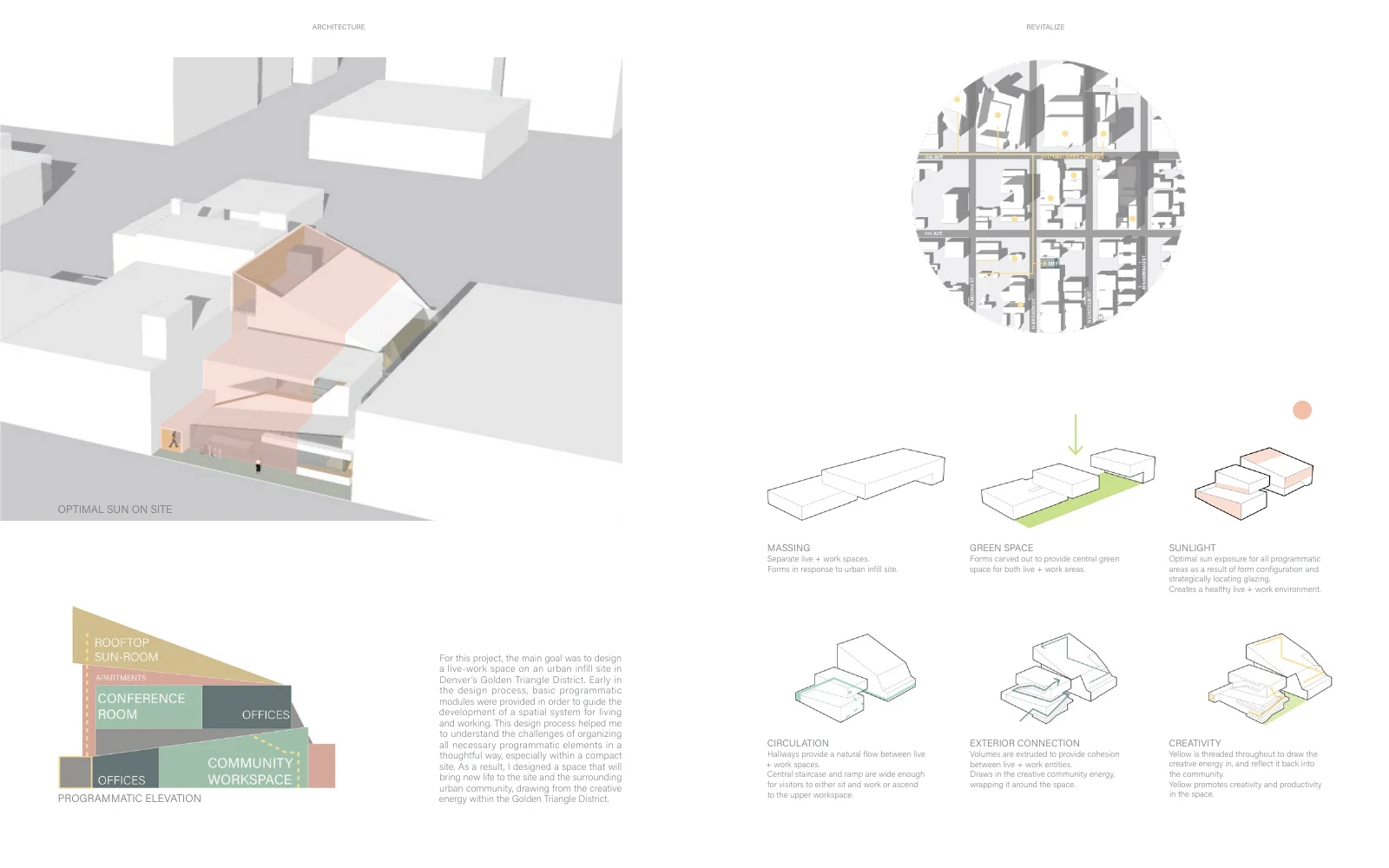
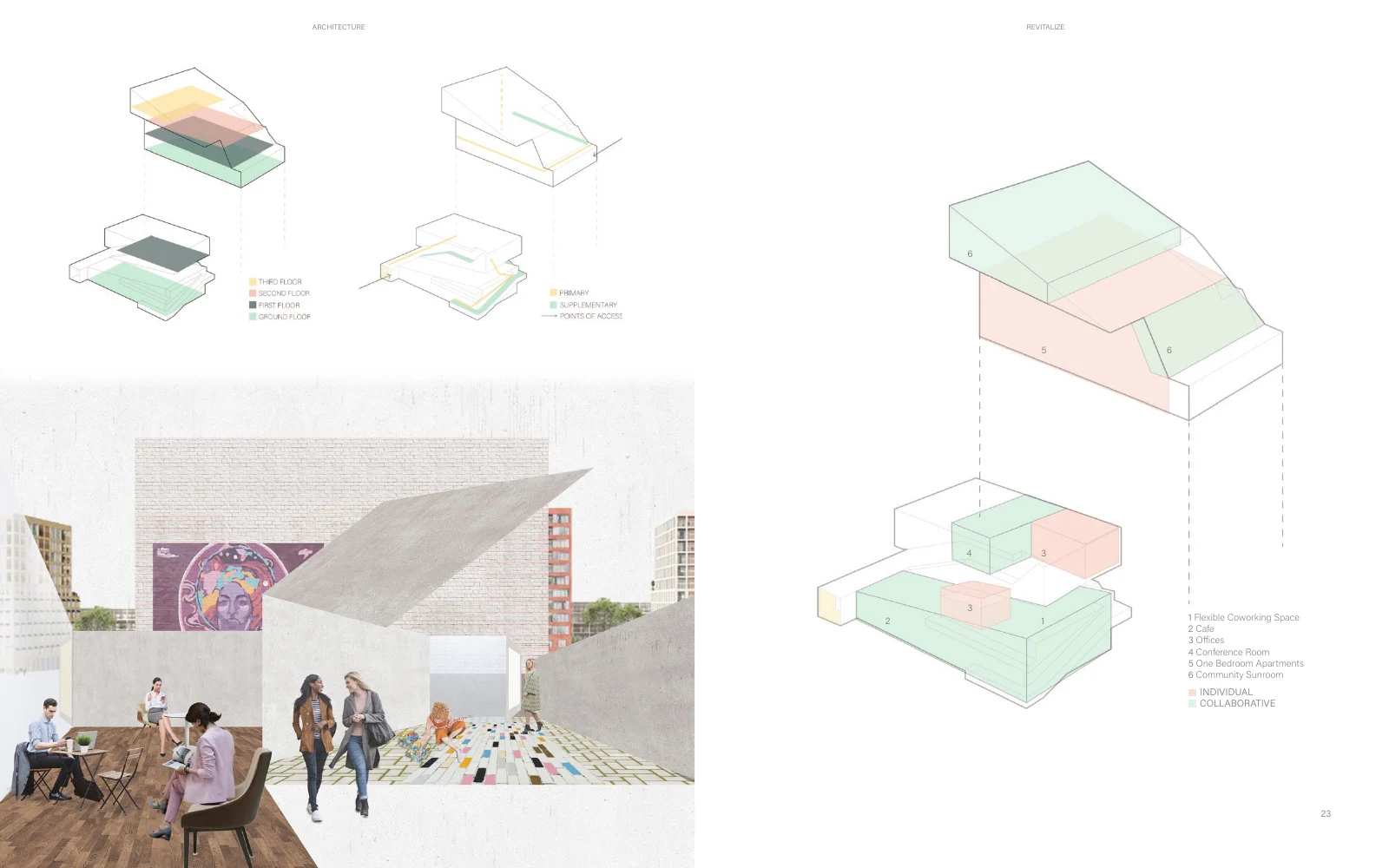
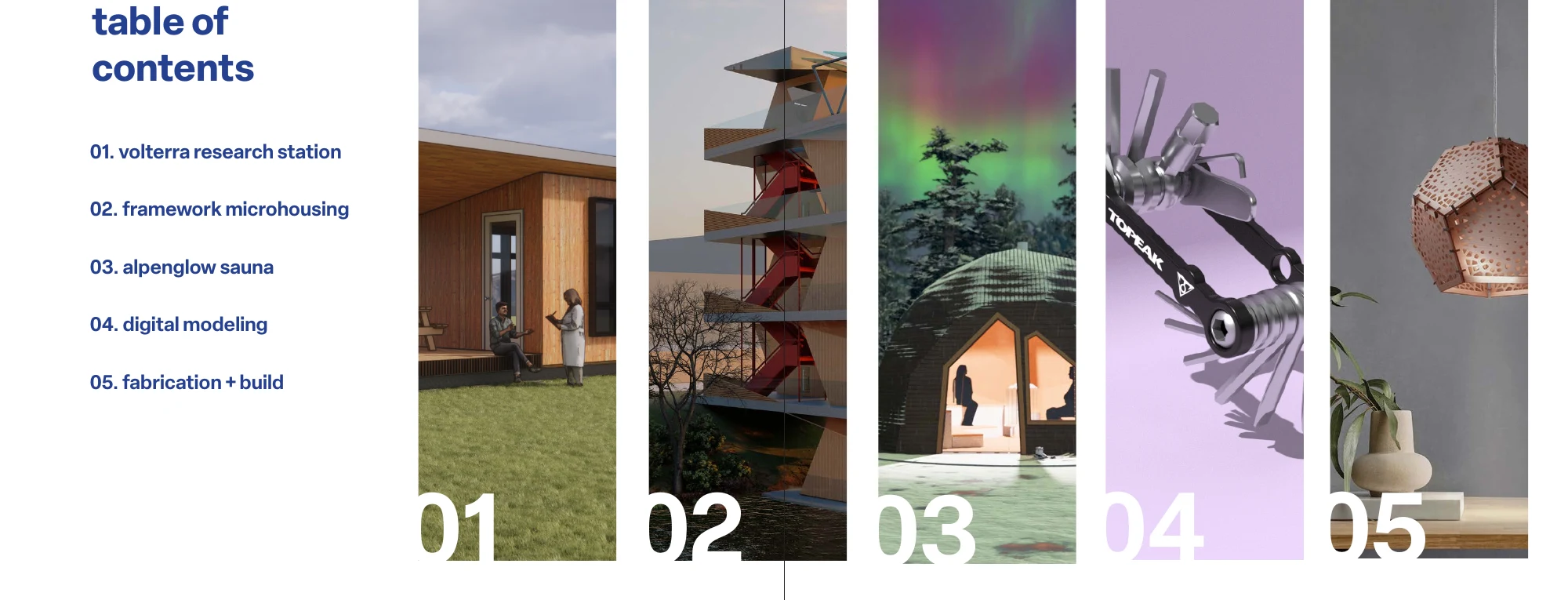
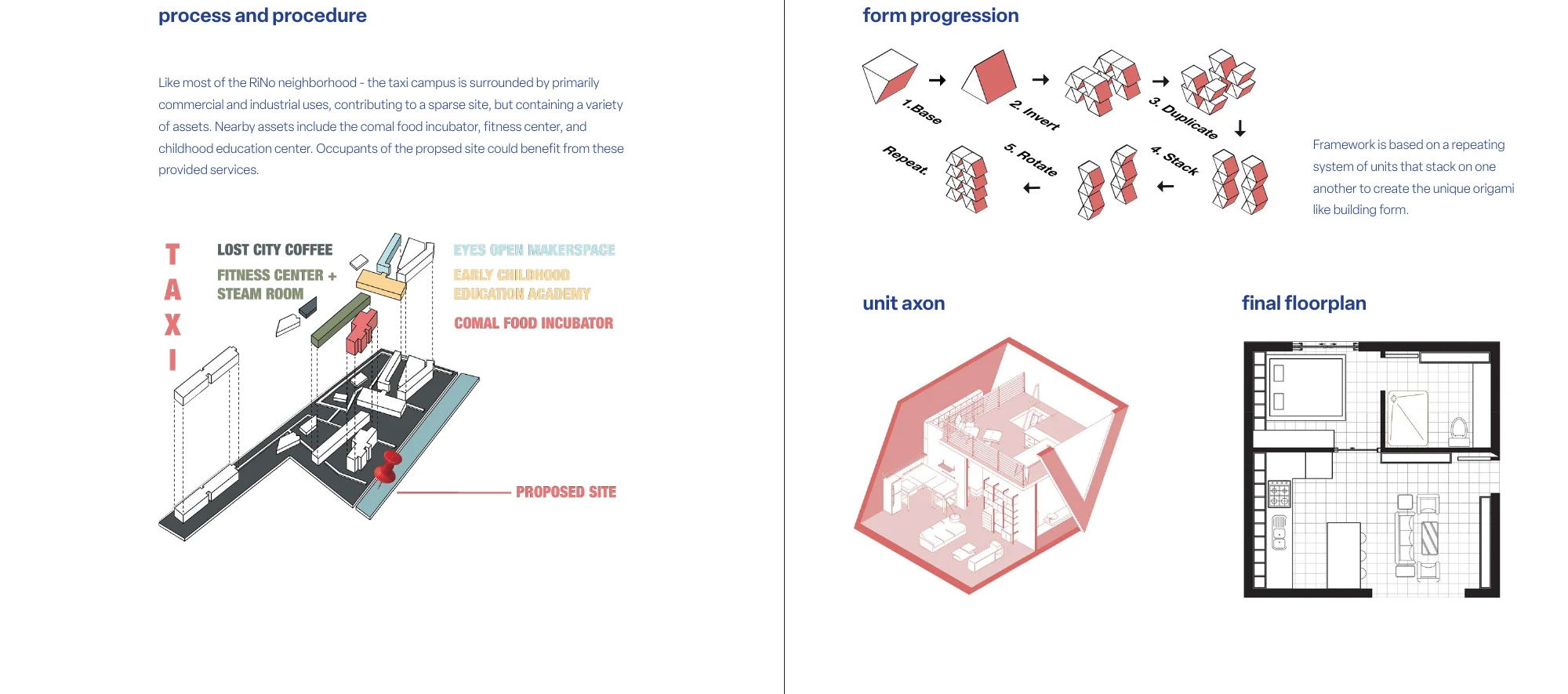
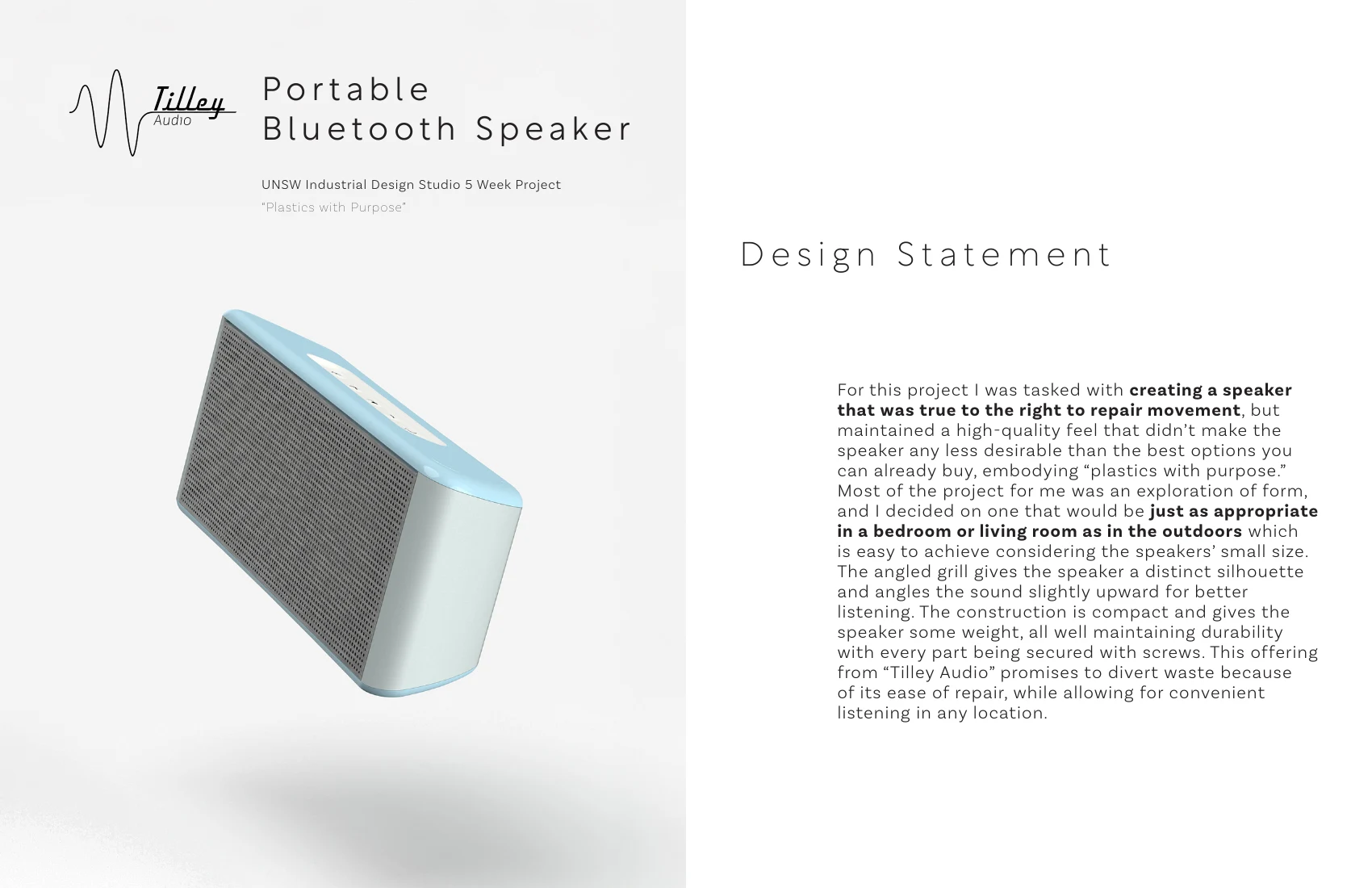
Nine anonymous portfolios, each represented by a generic tile. Click any tile to page through that portfolio's table of contents and its first two projects.
02 | Exercises
Graphic Design Exercises
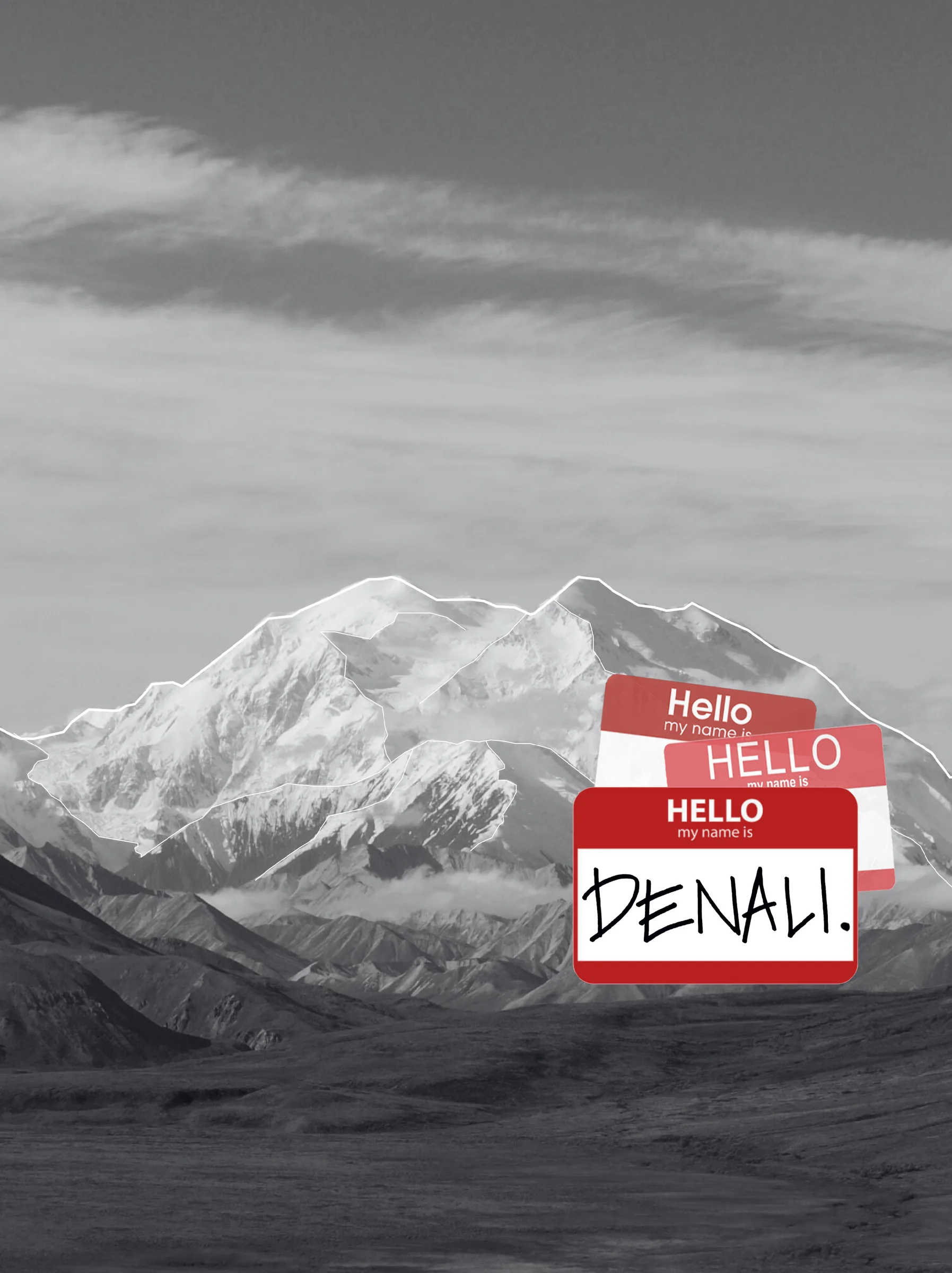
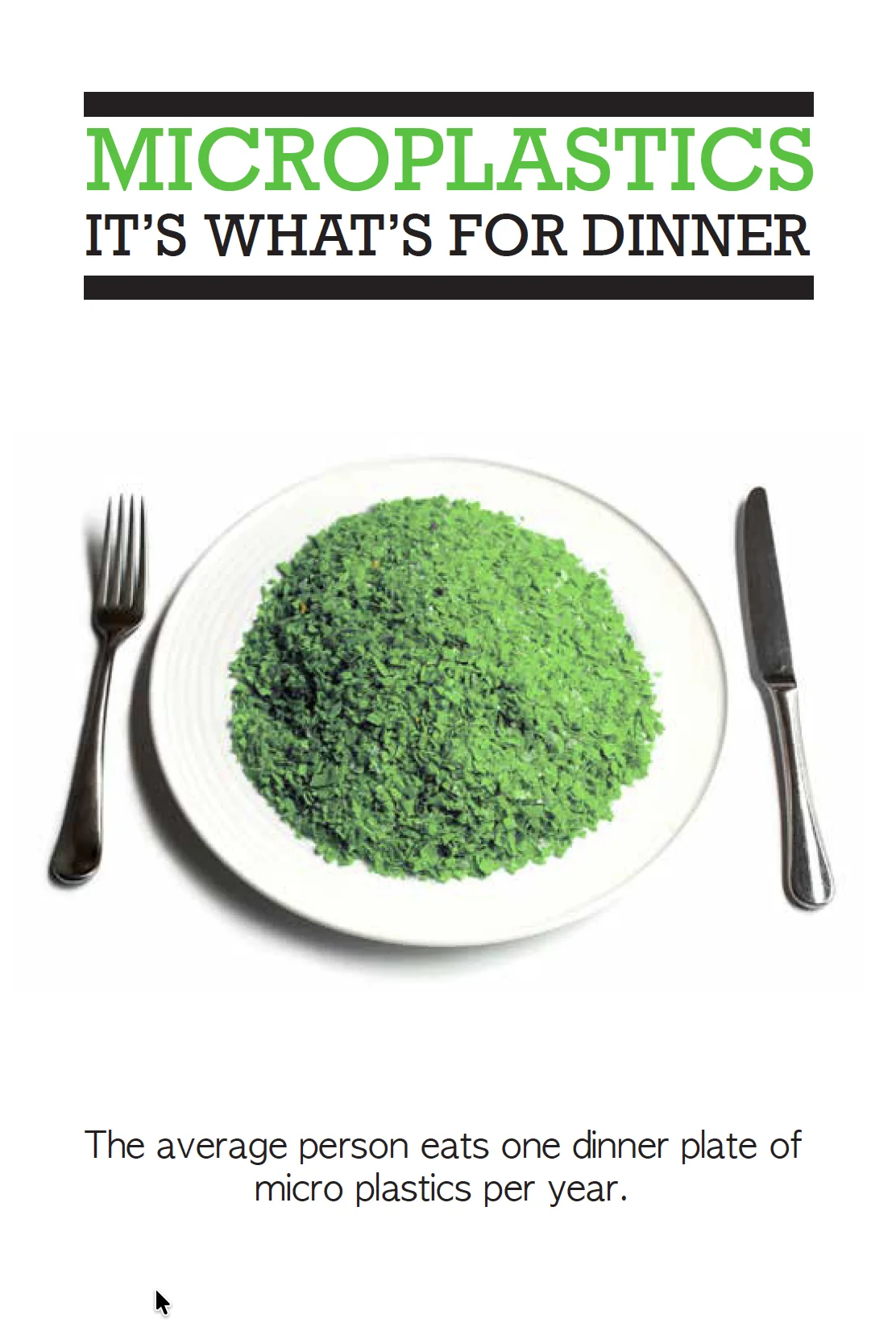
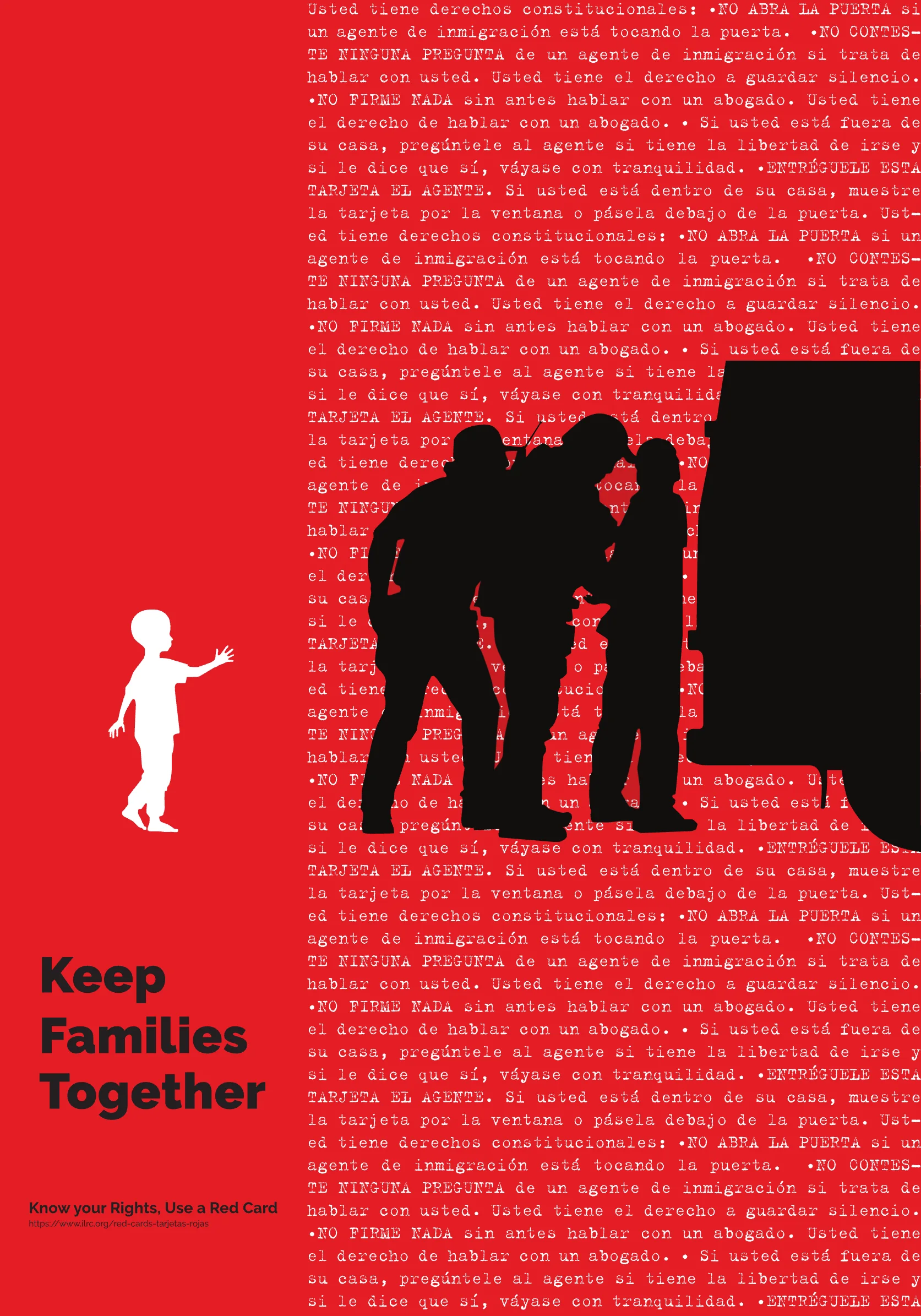
Poster projects built a shared vocabulary of type, color, composition, and message before students turned toward their own professional identities.
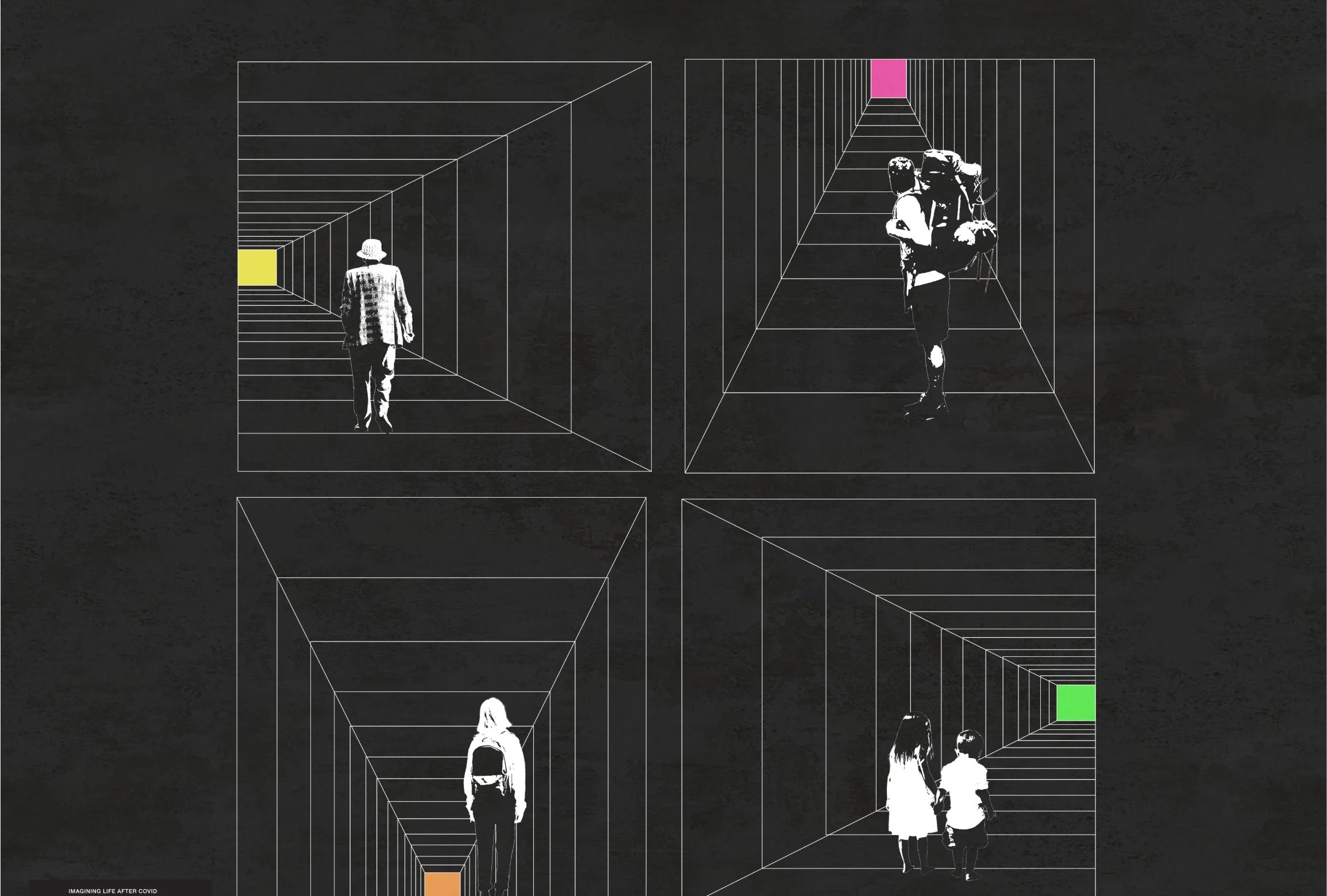
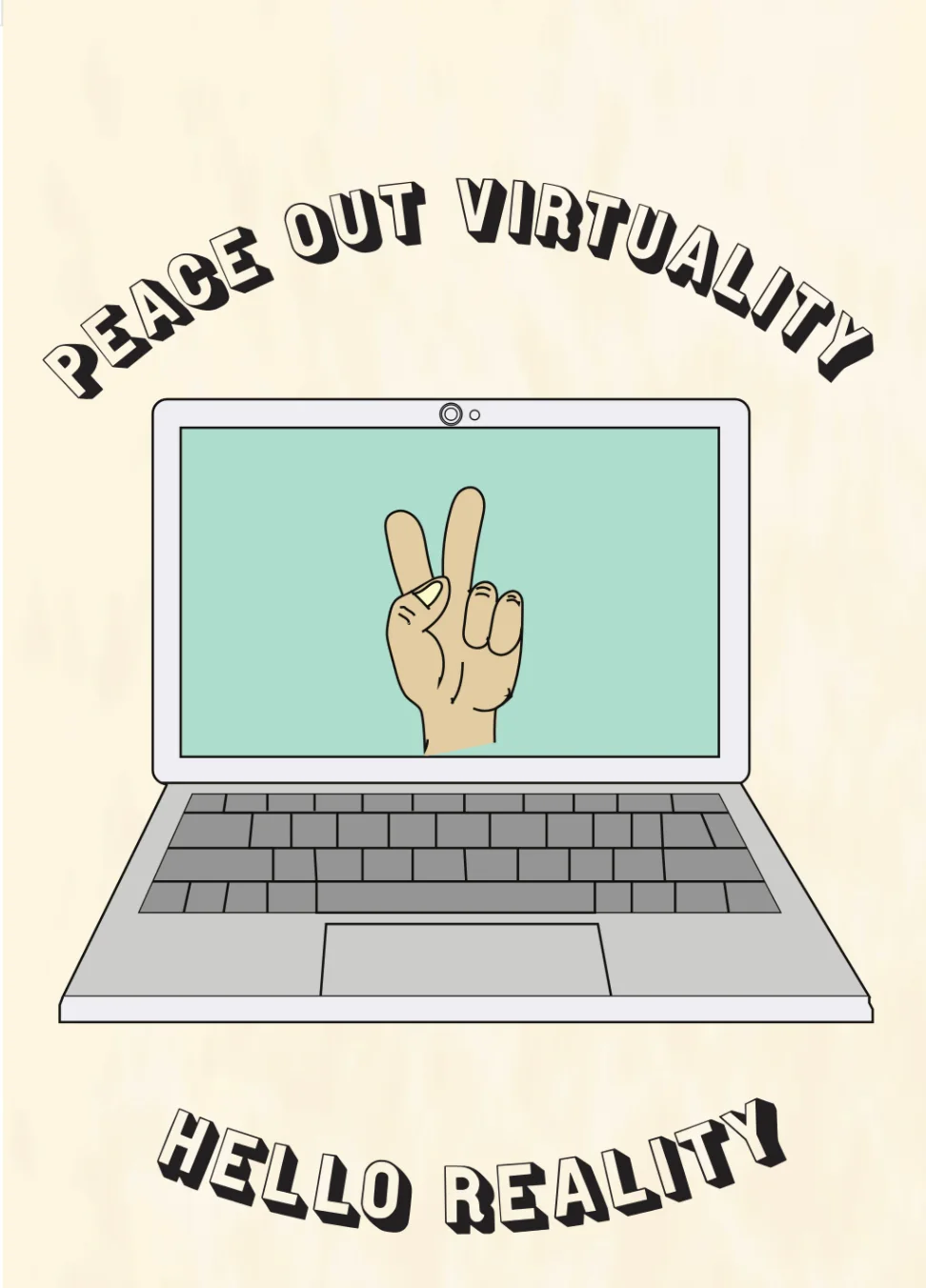
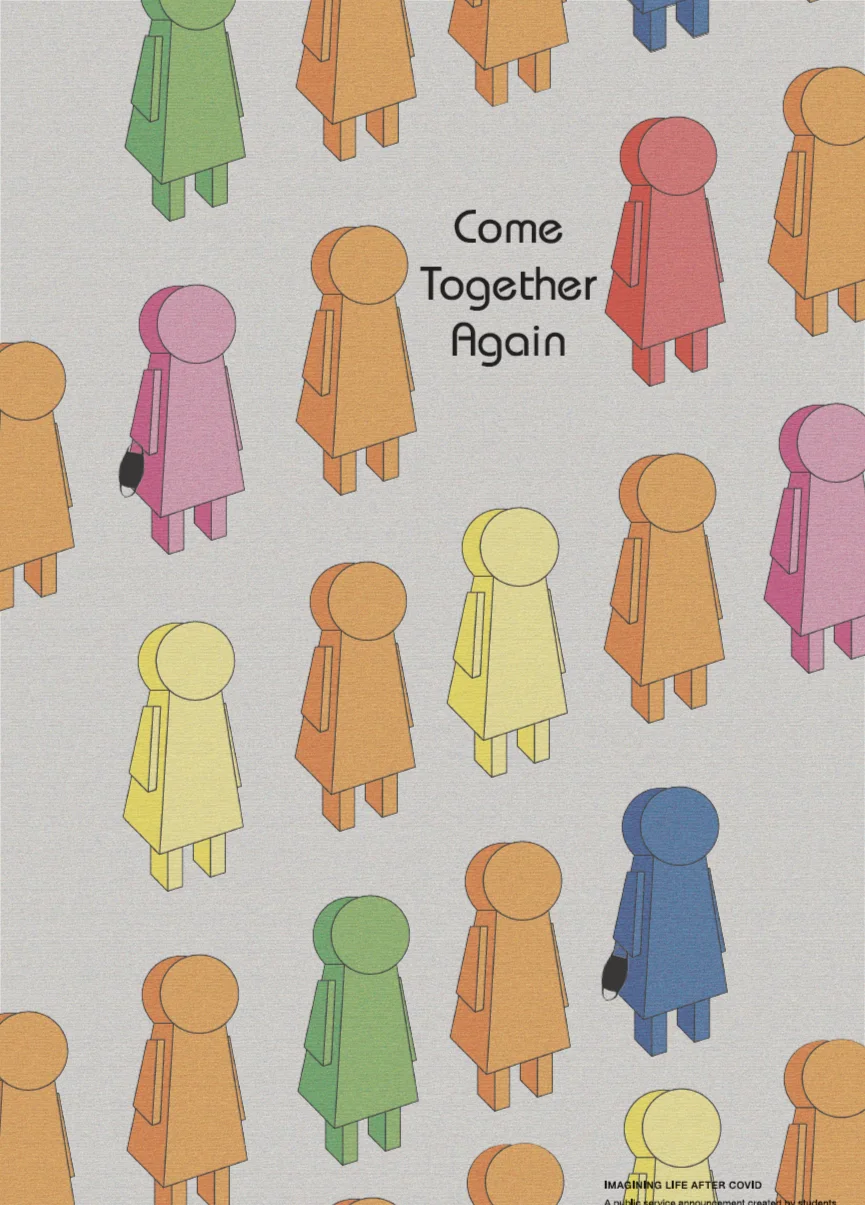
Post-COVID Public Service Announcements
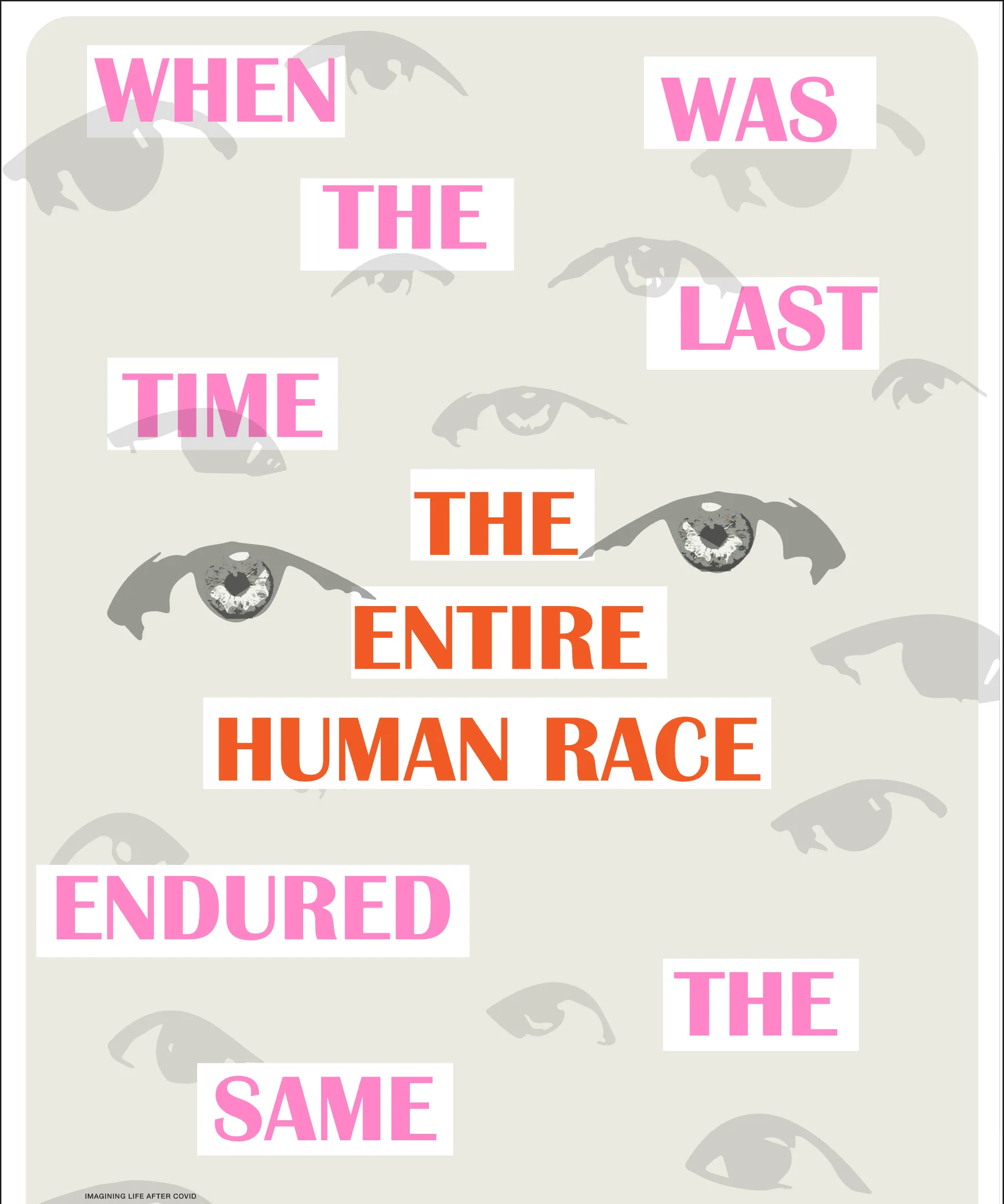
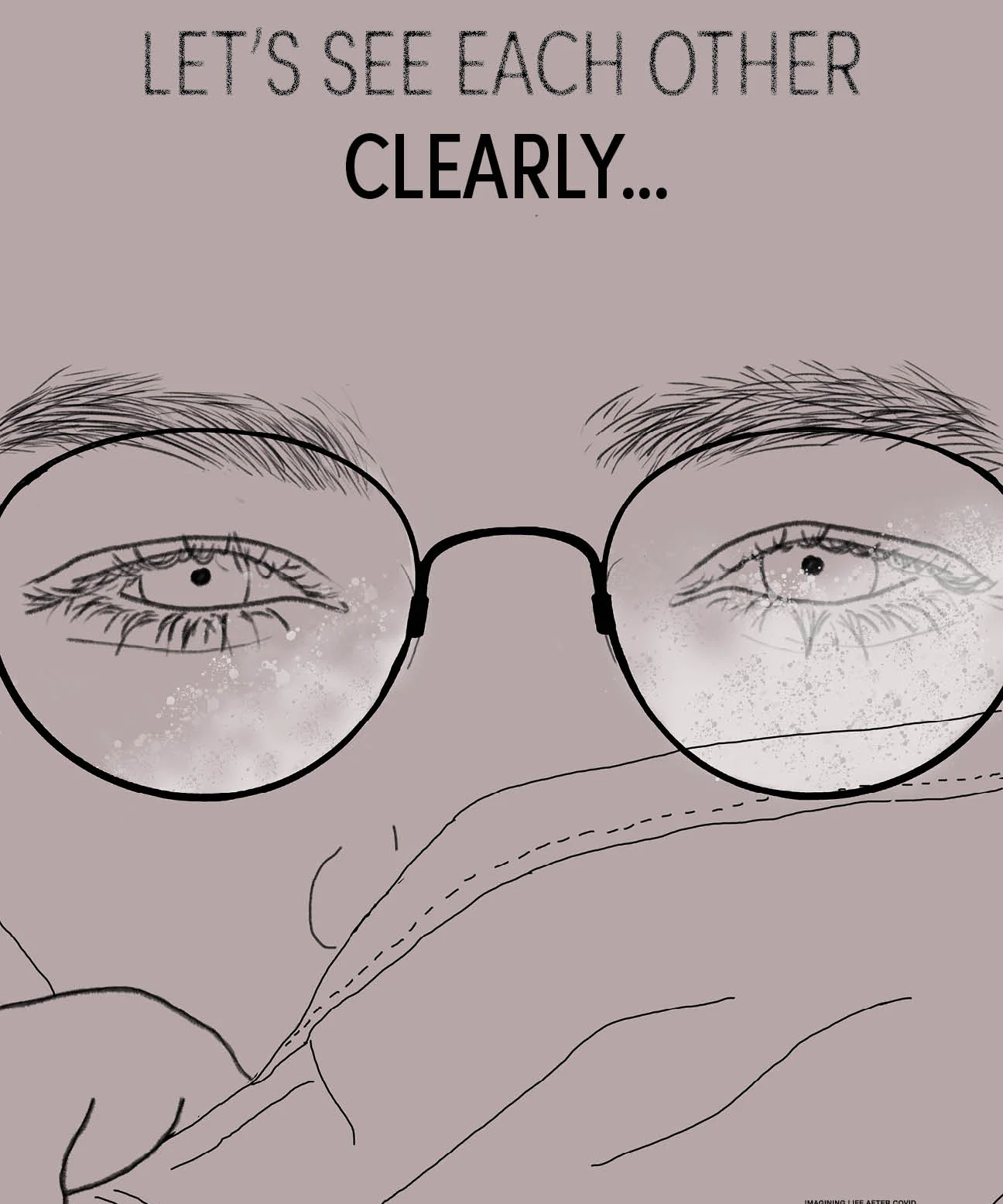
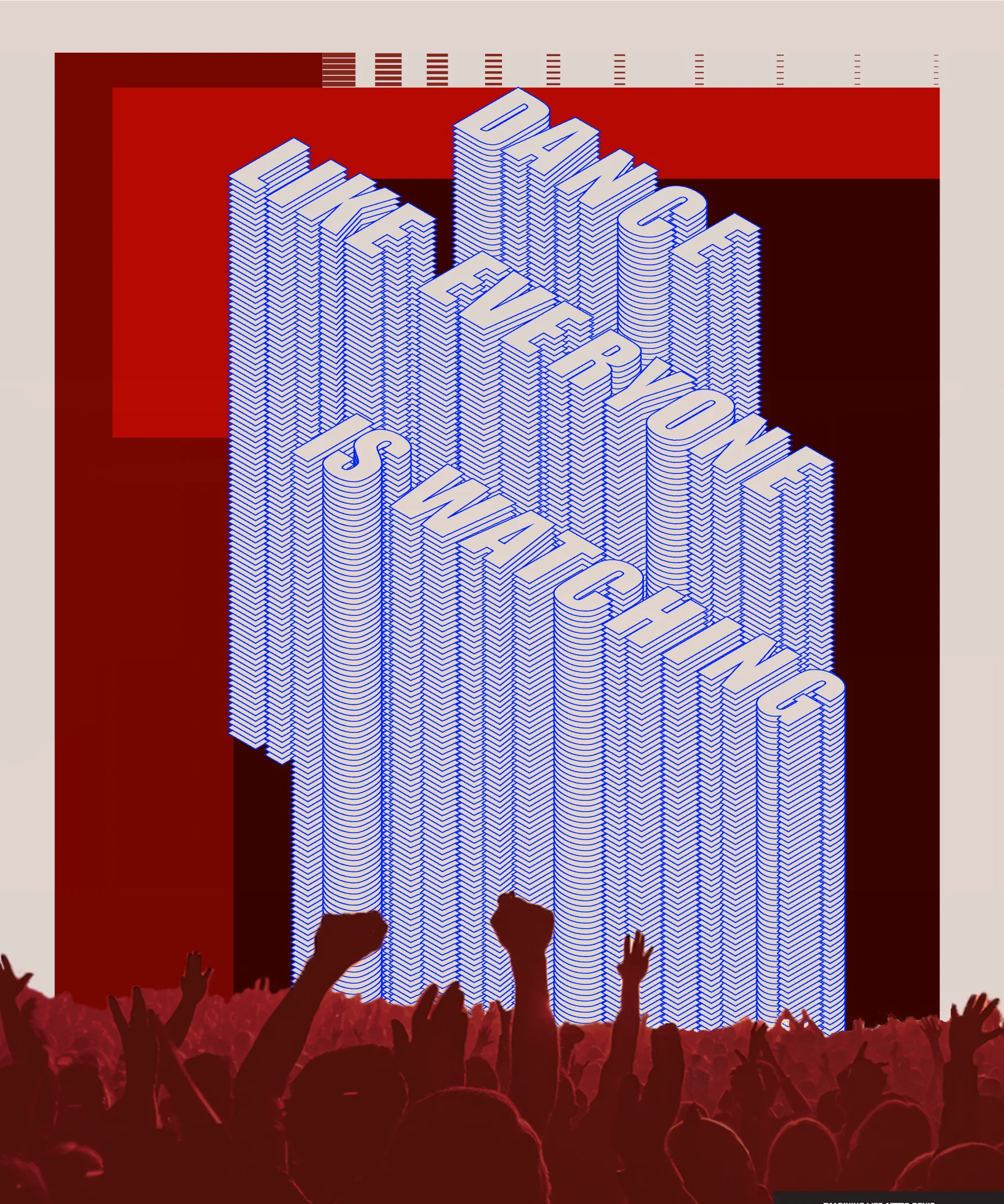
Students created speculative public-service posters imagining life after widespread COVID immunity. In response to the fear-based imagery that dominated the pandemic's public realm, the exercise used type, color, image, and concise language to communicate anticipation, renewed visibility, collective gathering, and the transition from virtual to physical experience.
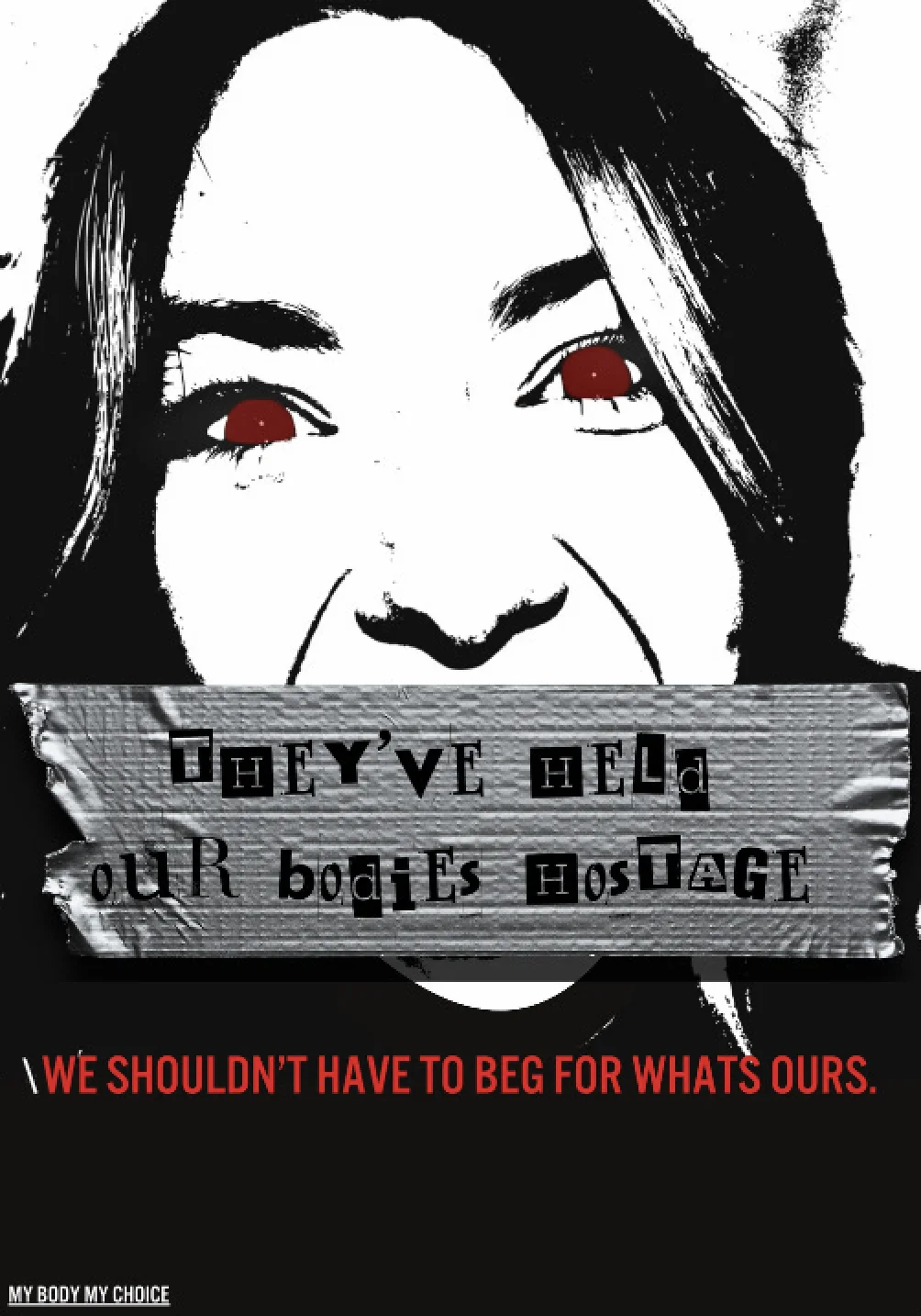
International Poster Competition
Created for the 2025 United States International Poster Biennial, these entries addressed social, cultural, and national-park themes. Students worked with visual economy, contrast, image, typography, and rhetorical framing to create posters capable of communicating quickly while retaining enough depth to invite sustained attention.
Student Experience
“Wow, I was blown away by this class. I honestly dreaded it for the longest time, as a portfolio can be a daunting task. Jeremy and Brielle lifted that stress and approached this class so well. Because of them, I 100% know I grew as a designer. ... Jeremy is an incredible instructor. His feedback is not dead. It's active and alive and pushes his students to develop a stronger sense and agency in a design. It's amazing to see a teacher that cares about his students' wellbeing and passions as well.”
Graphic Design and Portfolio | Fall 2022 course evaluation