Seminar / Special Topics

Generative Design with AI

ENVD 4365-002|Spring 2026|University of Colorado Boulder|historically titled "Lassoing the Robots"
Generative AI changes more than design output. It changes how designers research, think, make, and communicate.

Generative Design with AI is an advanced environmental design seminar for students in architecture, environmental product design, landscape architecture, and related disciplines. The course combines practical experimentation with sustained questions about authorship, taste, labor, environmental cost, and creative responsibility.

The premise of the course is that generative AI differs from earlier technological shifts in design. These systems do more than increase efficiency or replace physical labor, they participate in cognition, creativity, and decision-making. Learning to use them therefore requires more than technical proficiency. It requires judgment about how, when, and why they should be used.

The course was structured as a journey into territory that was still changing beneath us. The schedule remained intentionally flexible so that new tools, unexpected results, and student curiosity could redirect the work. My role was that of guide and co-navigator: to offer challenges, prompts, technical knowledge, critique, and encouragement while asking students to bring their own disciplines, interests, and skepticism into the room. The goal was not to produce a single approved position on AI, but to build a learning environment in which informed enthusiasm and informed resistance could coexist.
My Approach
Learning Through Workflows
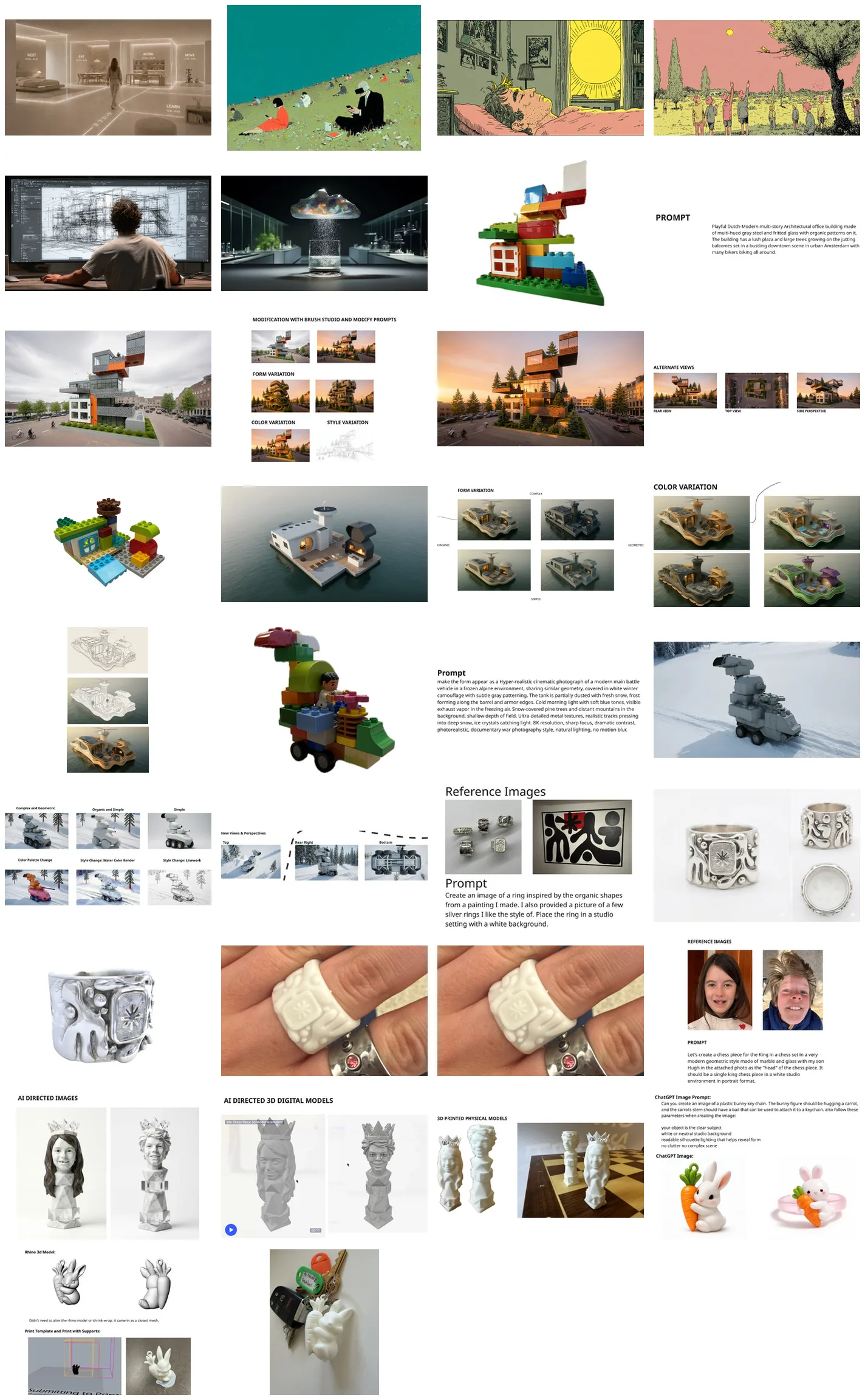
The semester began with foundational AI literacy and prompt craft before moving through research, image generation, visualization, video, multimodal tools, and AI-assisted coding. Rather than teaching these platforms as isolated software demonstrations, I situated them within recognizable design workflows: analog models, sketches, prompts, generated imagery, digital geometry, fabrication, and moving images, all connected.
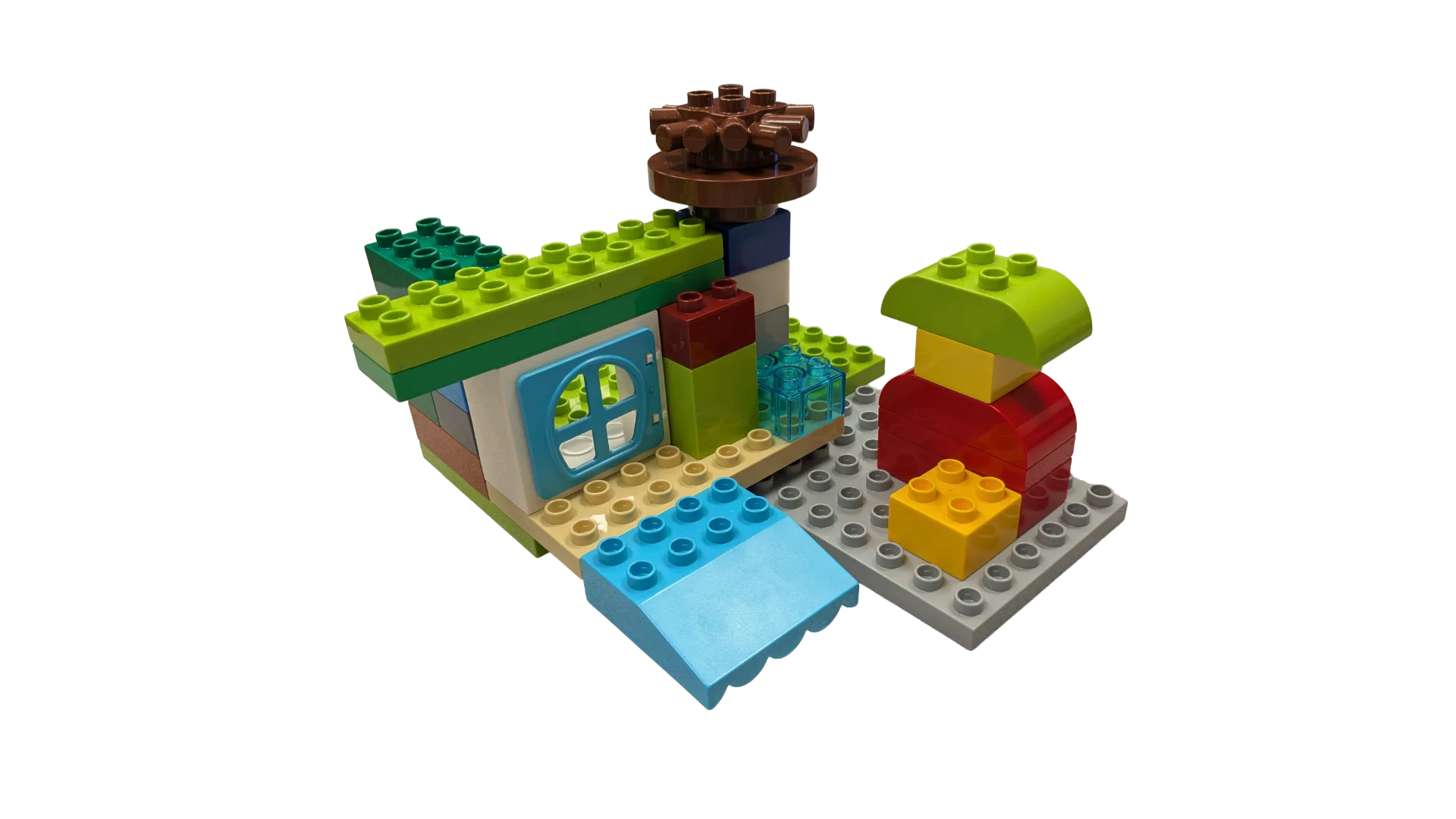
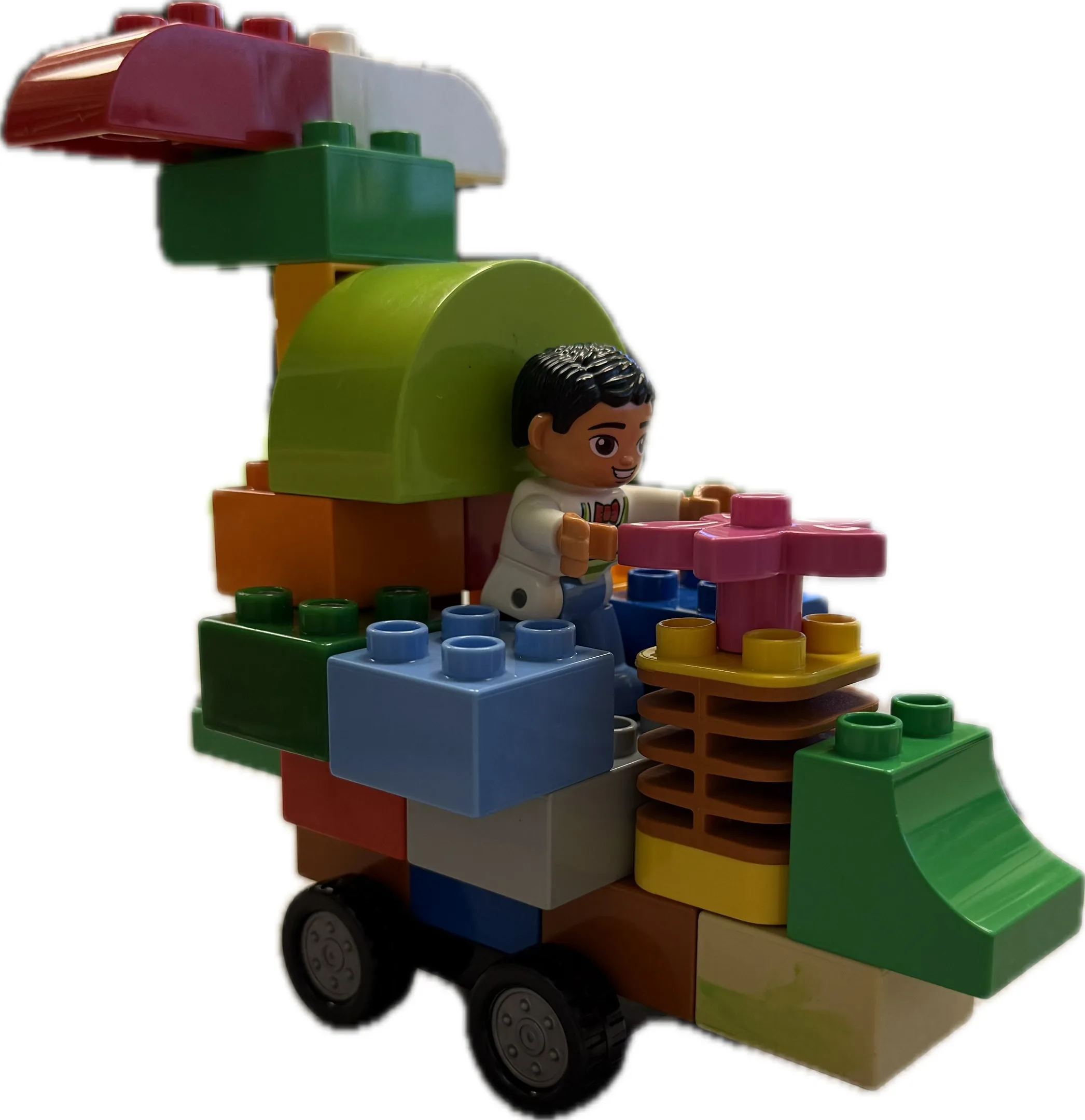
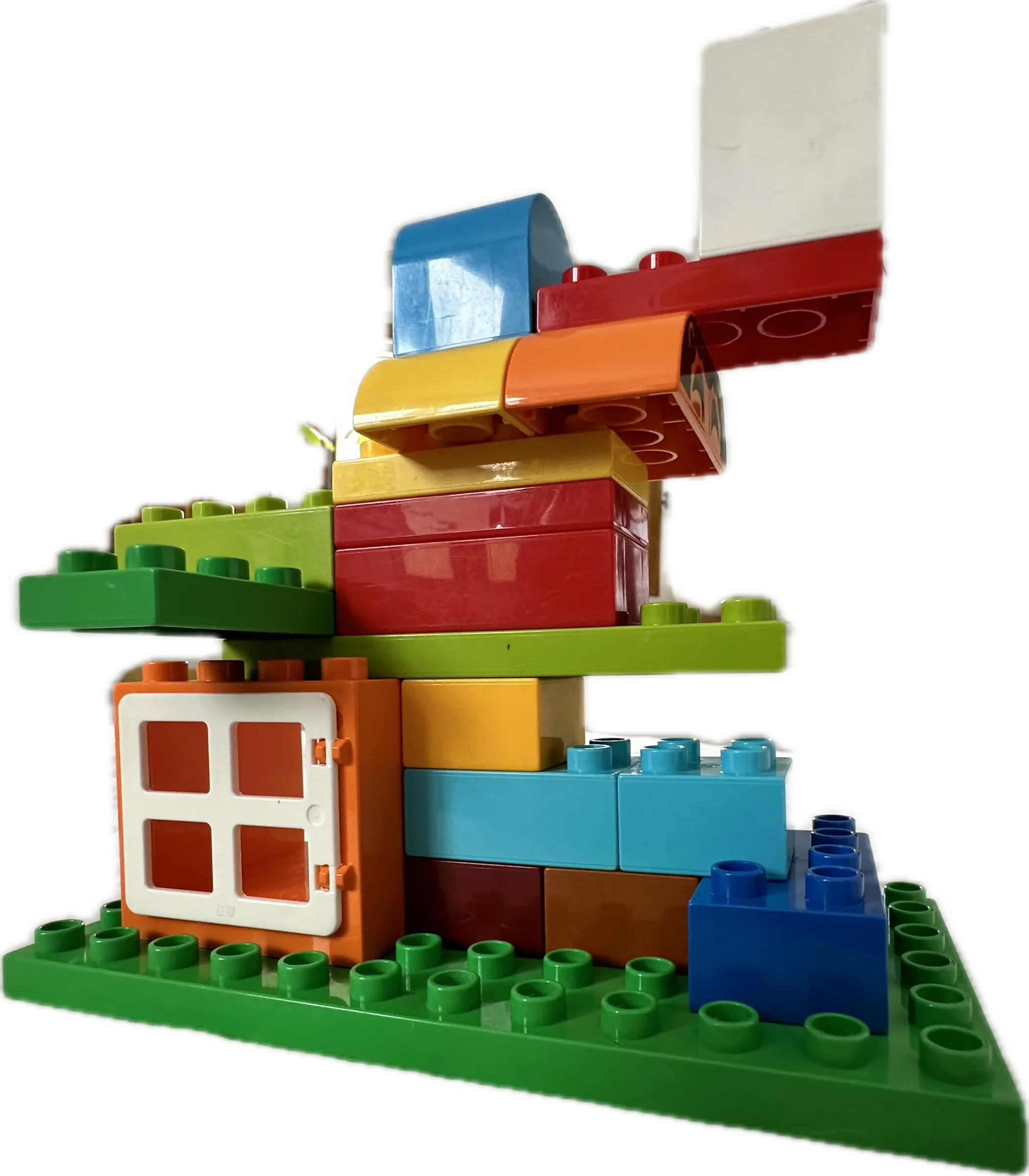
Many of the workflows began with something intentionally human and specific: a hand-built model, a visual reference, a disciplinary question, a speculative position. In the control-geometry exercise, students used Duplo constructions to establish form before generating imagery. In the image-to-object workflow, they moved from a directed concept to digital geometry and a physical print. These exercises made it possible to see AI as one participant in a longer process rather than as an automatic source of finished design.
Technical speed was never treated as the same thing as design quality. I asked students to compare outputs, identify generic or derivative results, recognize where a tool was weakening an idea, and remain responsible for the decisions that shaped the work. AI could accelerate exploration, but it could not replace the need for a clear point of view. That tension culminated in two complementary final assignments: speculative short films built with the full range of tools from the semester, and a personal reflection written with no generative assistance at all.
01 | Exercise
From Control Geometry to Exploration
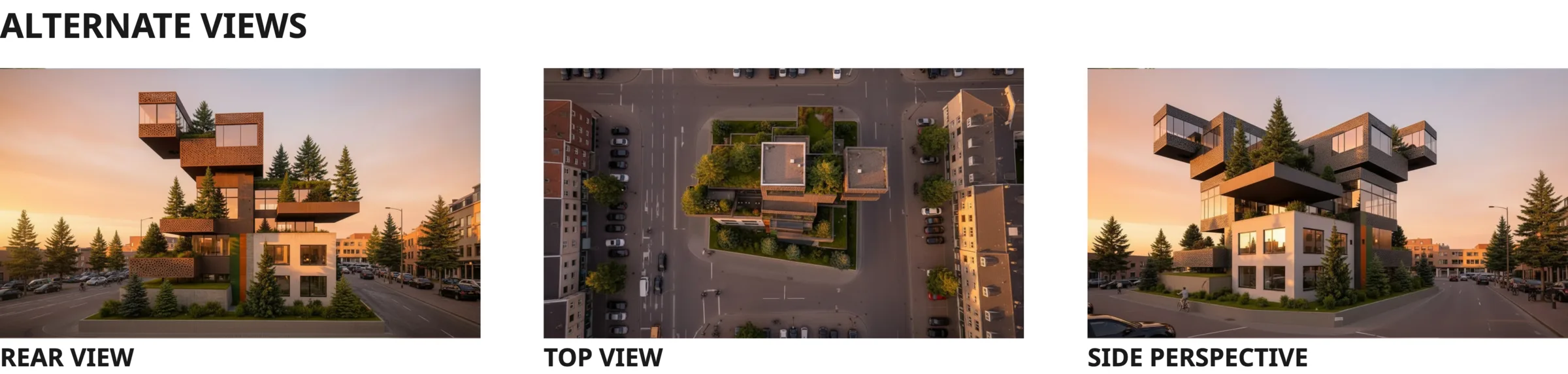
Analog models become intentional inputs for prompting, iteration, refinement, alternate views, and motion.
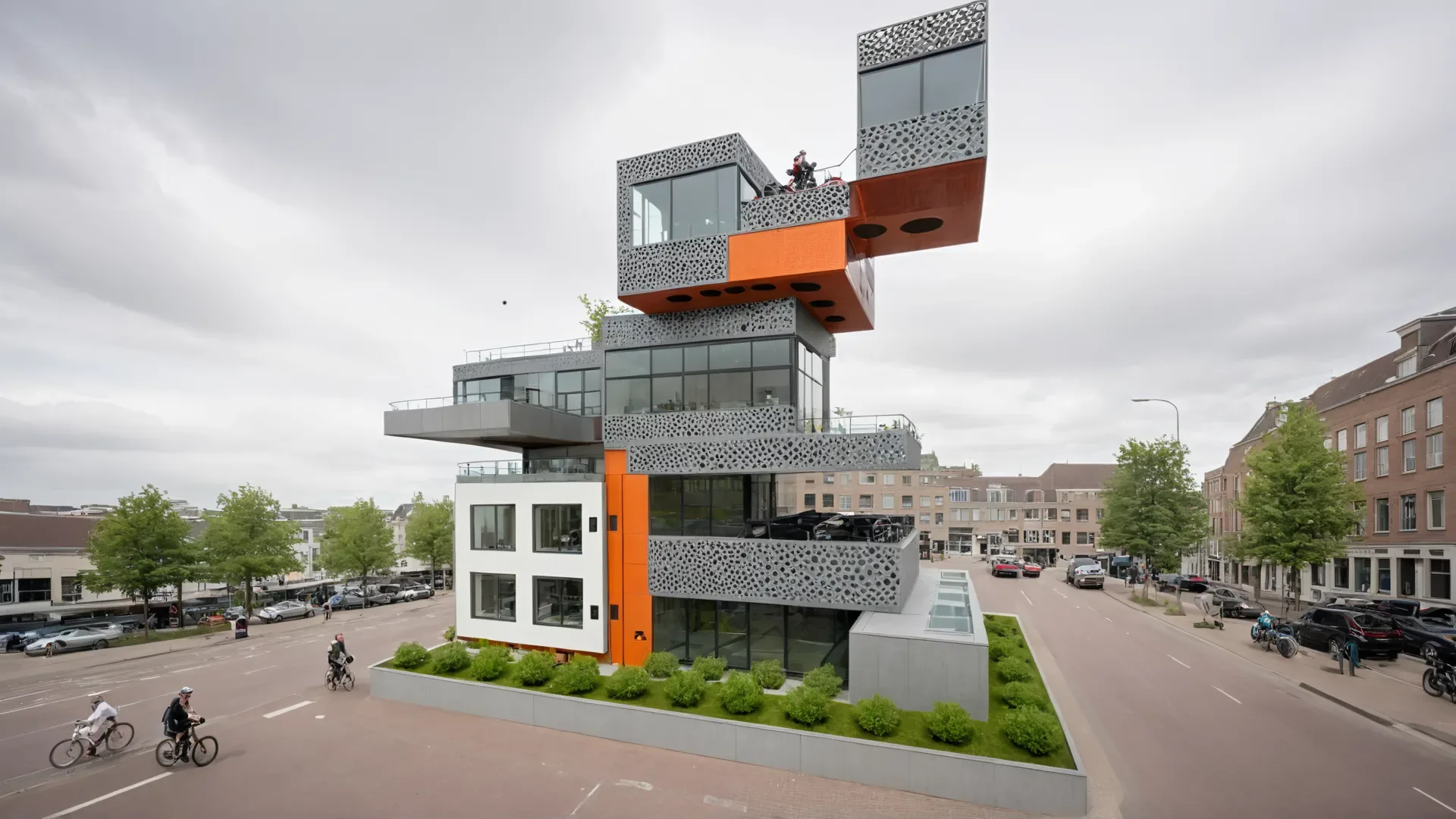
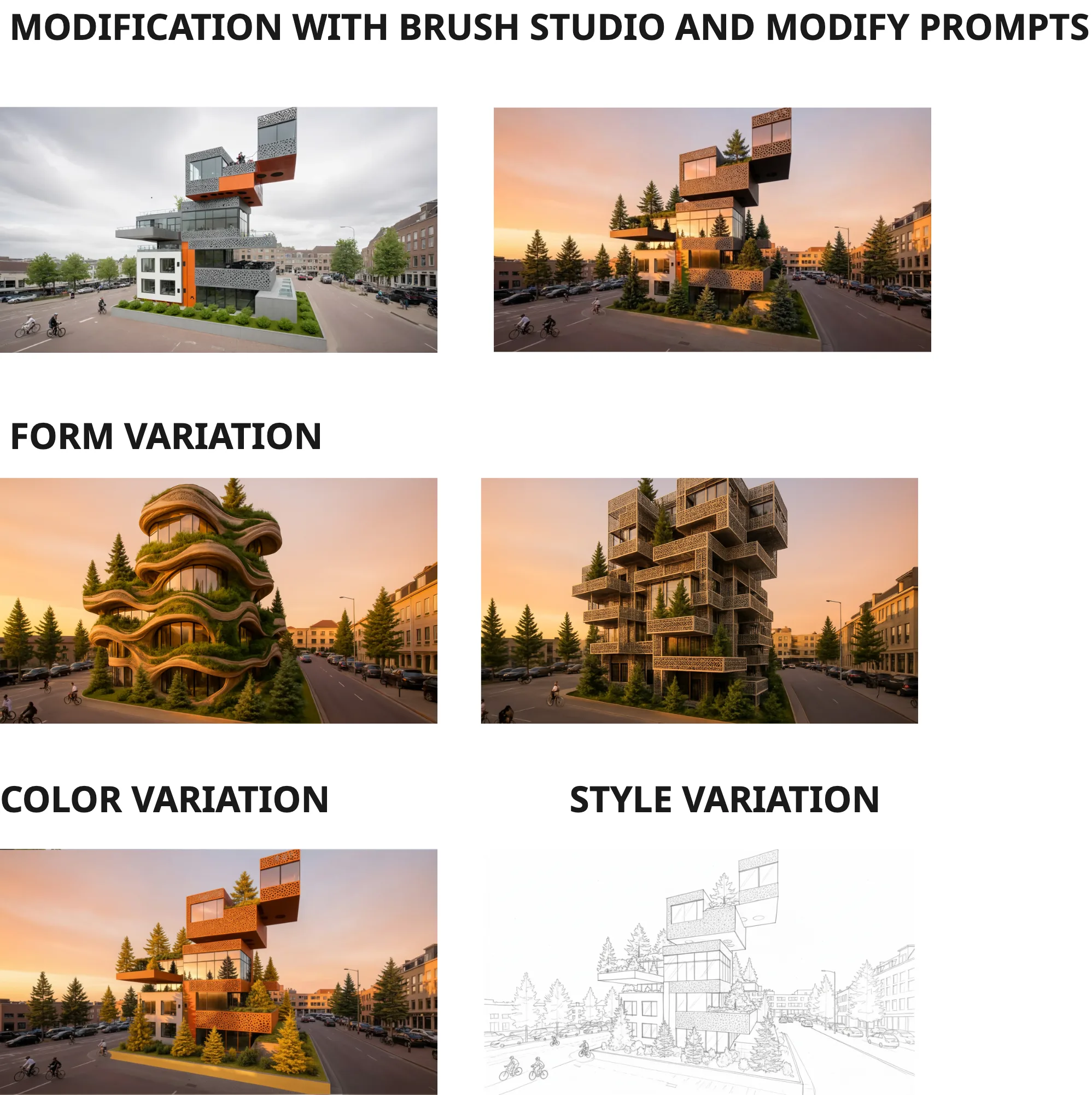
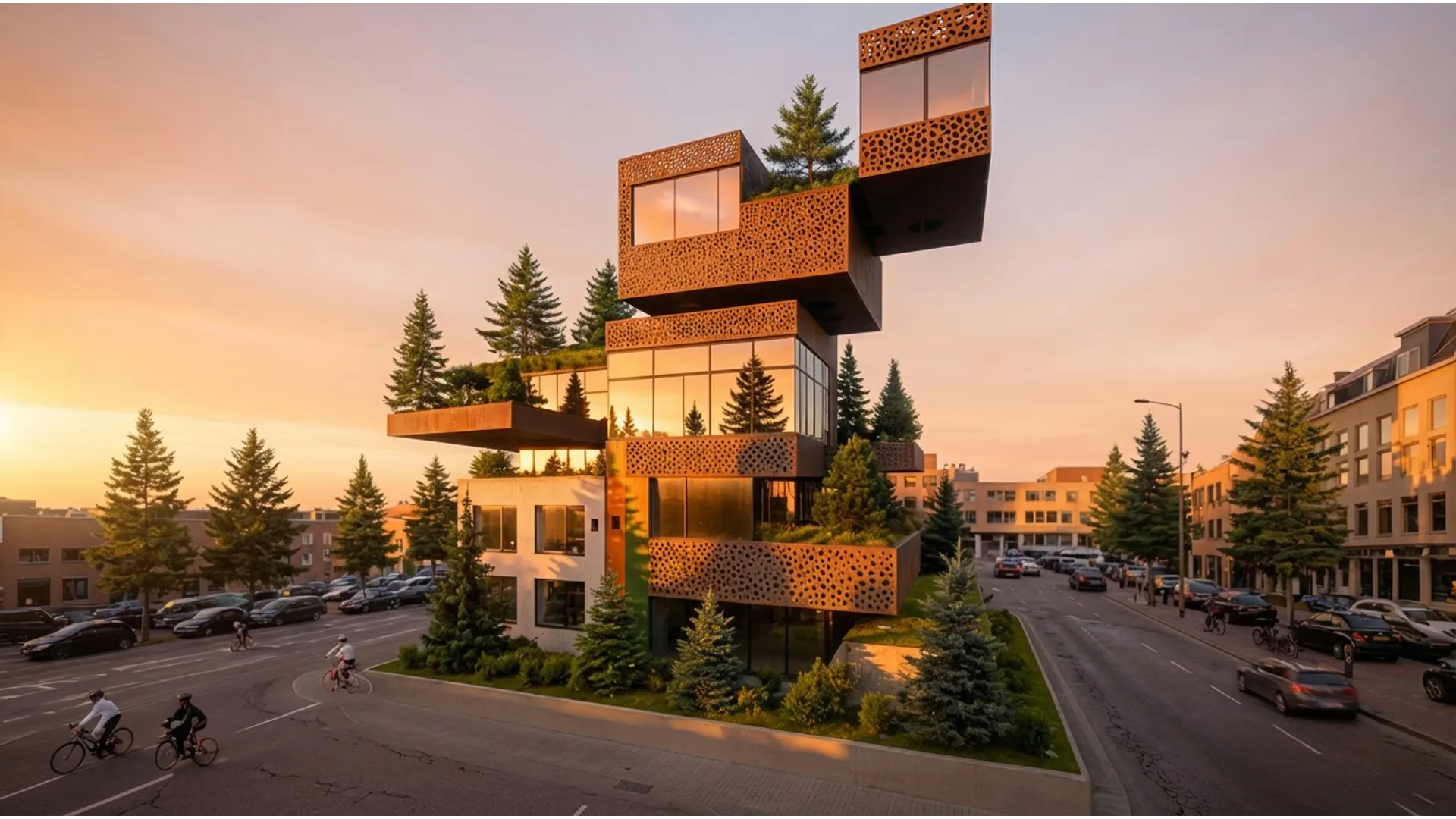
Multistory Building
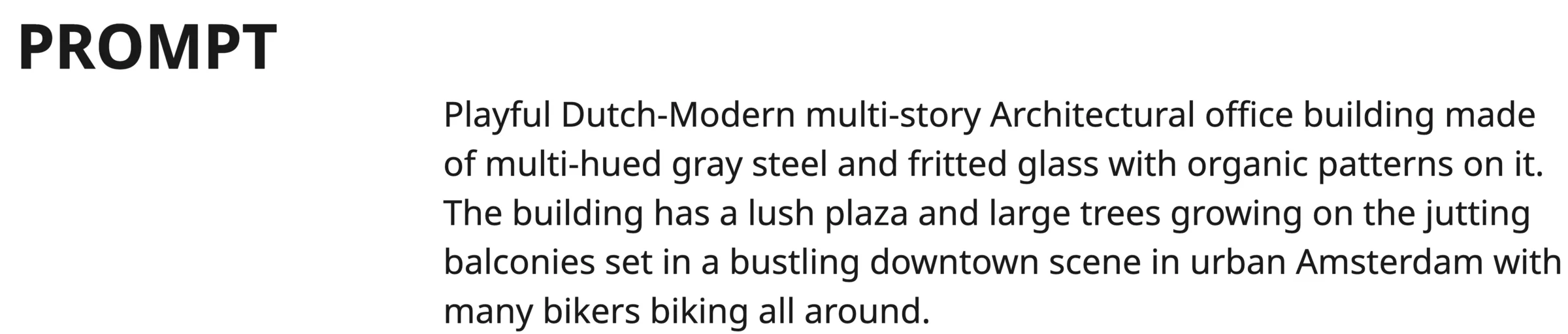
A Duplo model directs an architectural exploration across image generation, iteration, and animation.
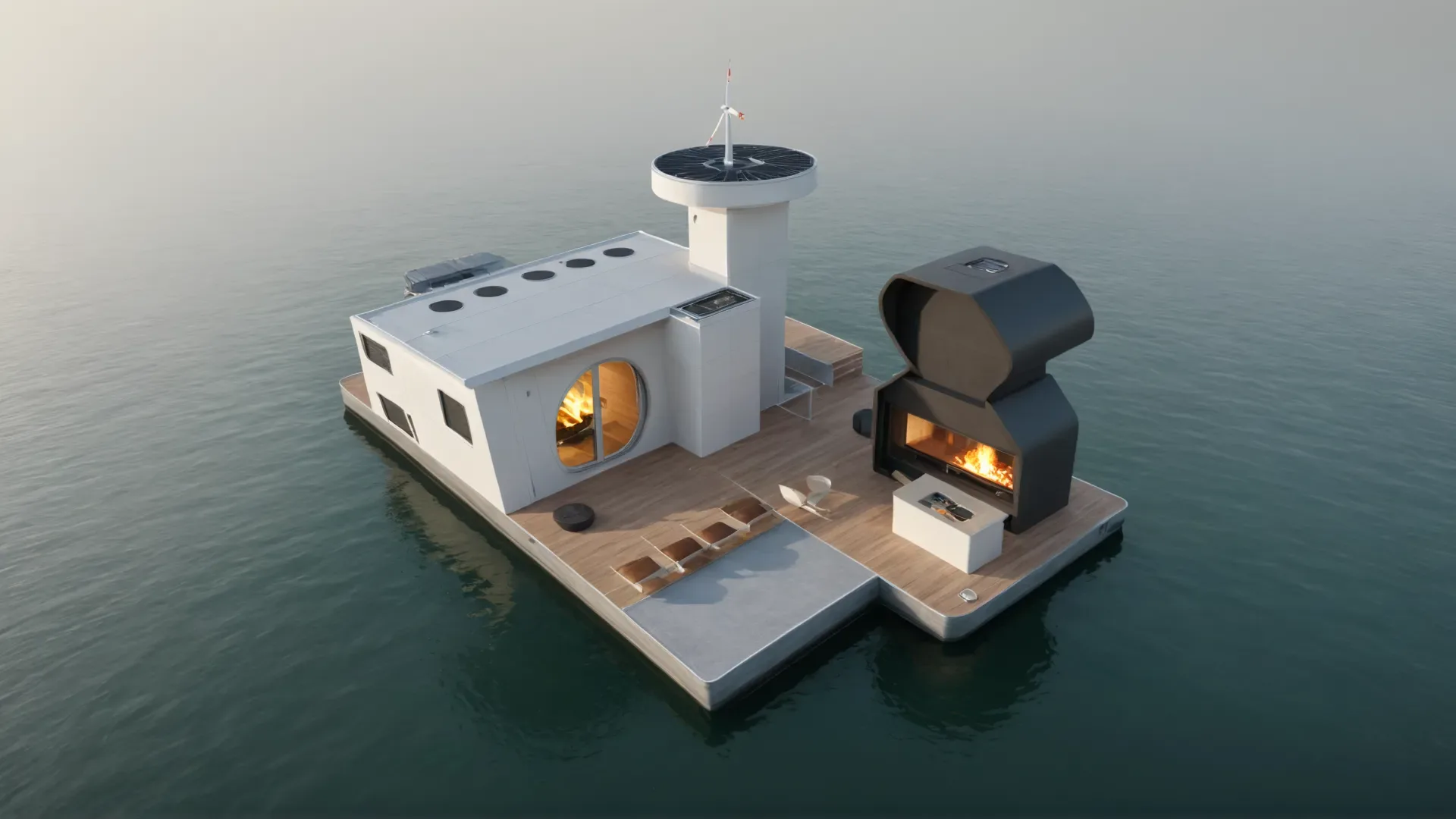
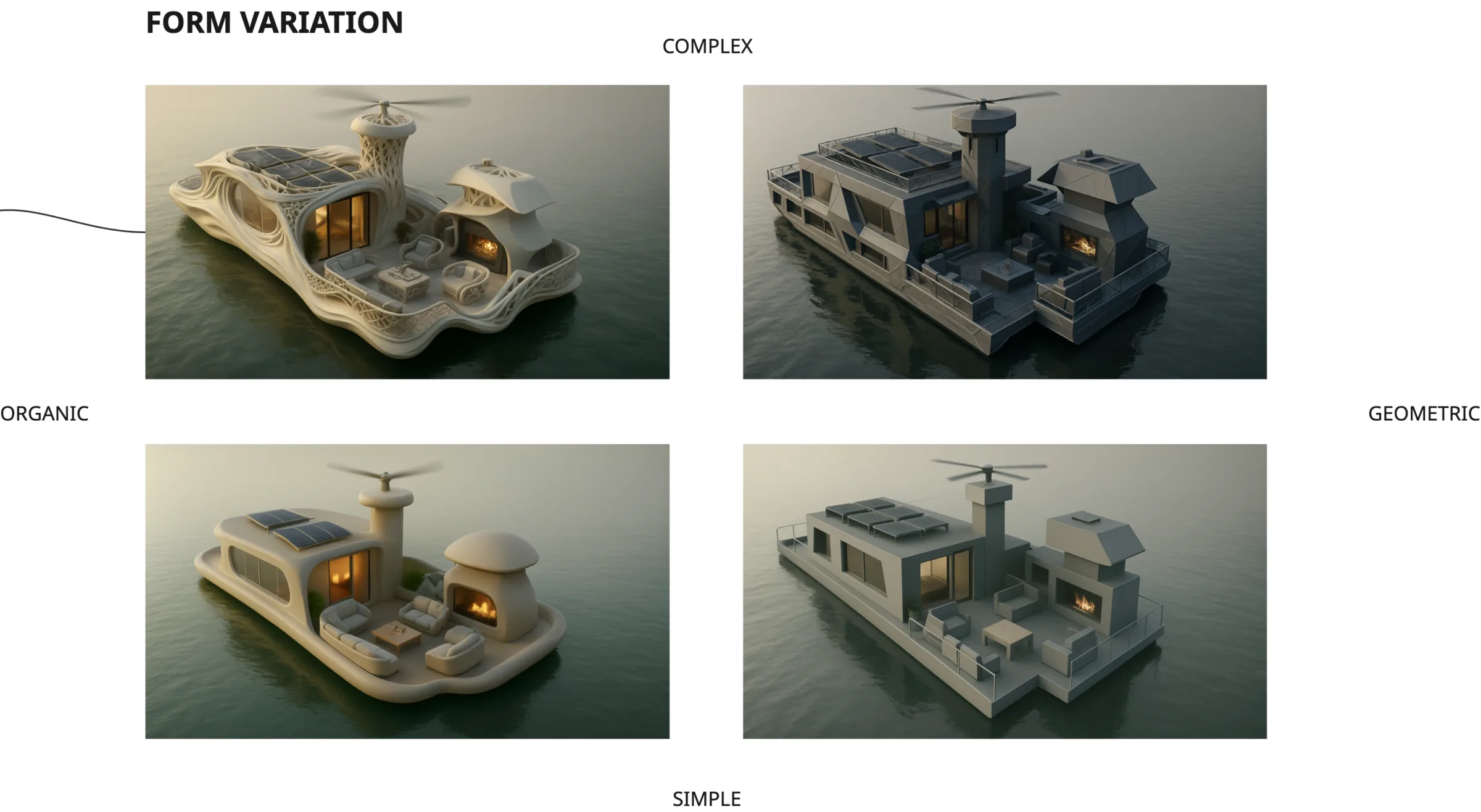
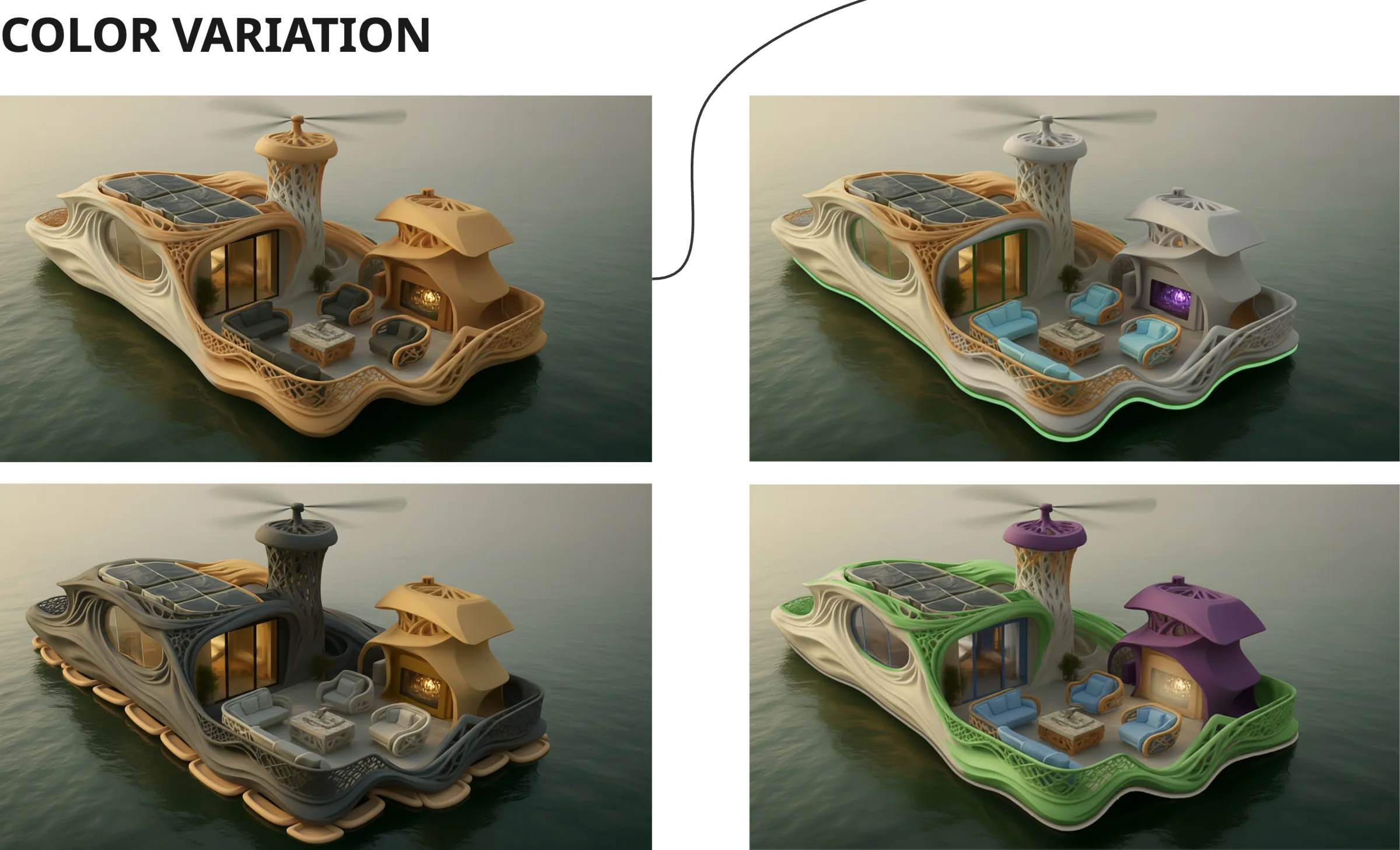
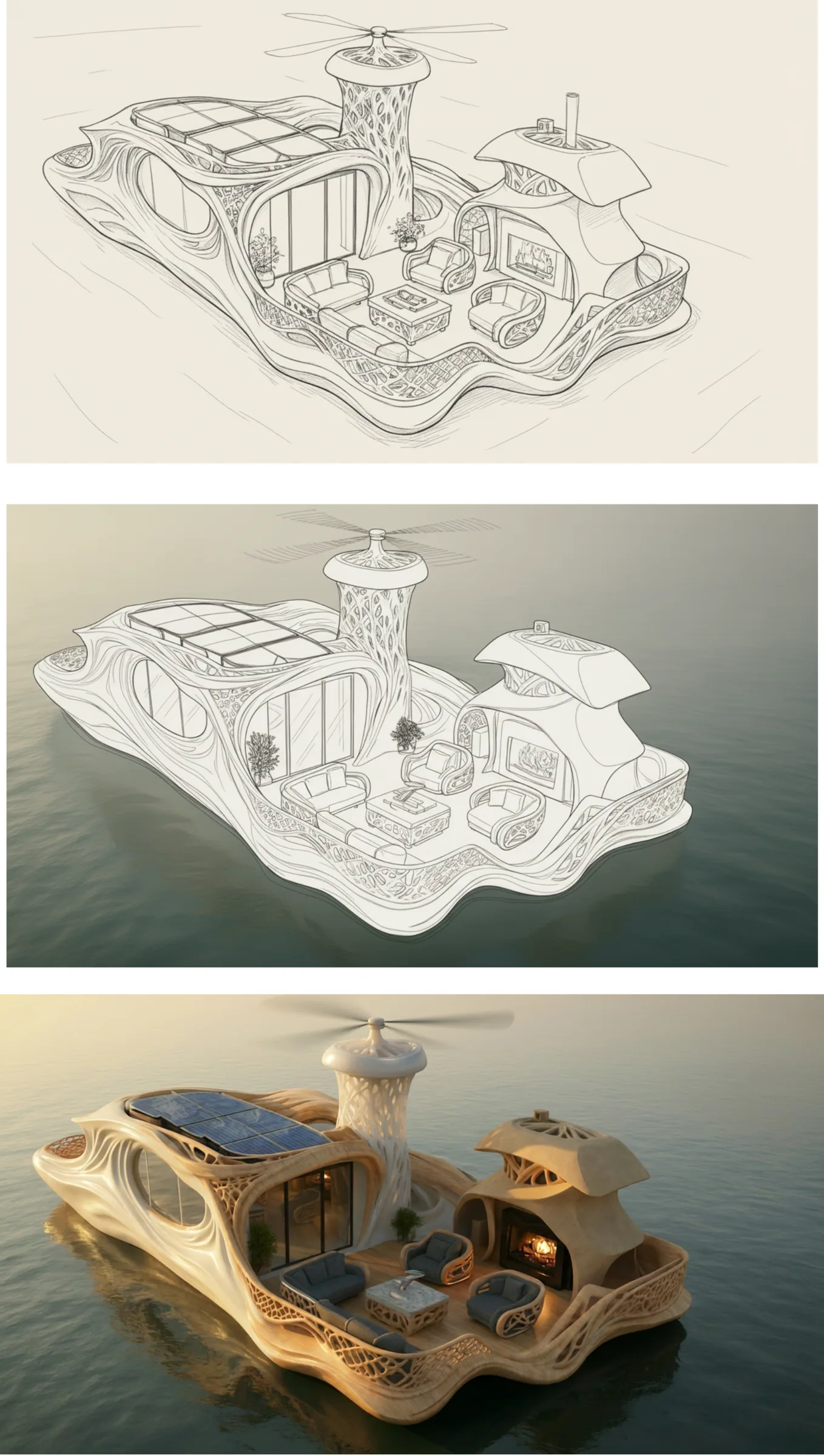
Yacht
A constrained block model becomes a test bed for formal, material, and stylistic variation.
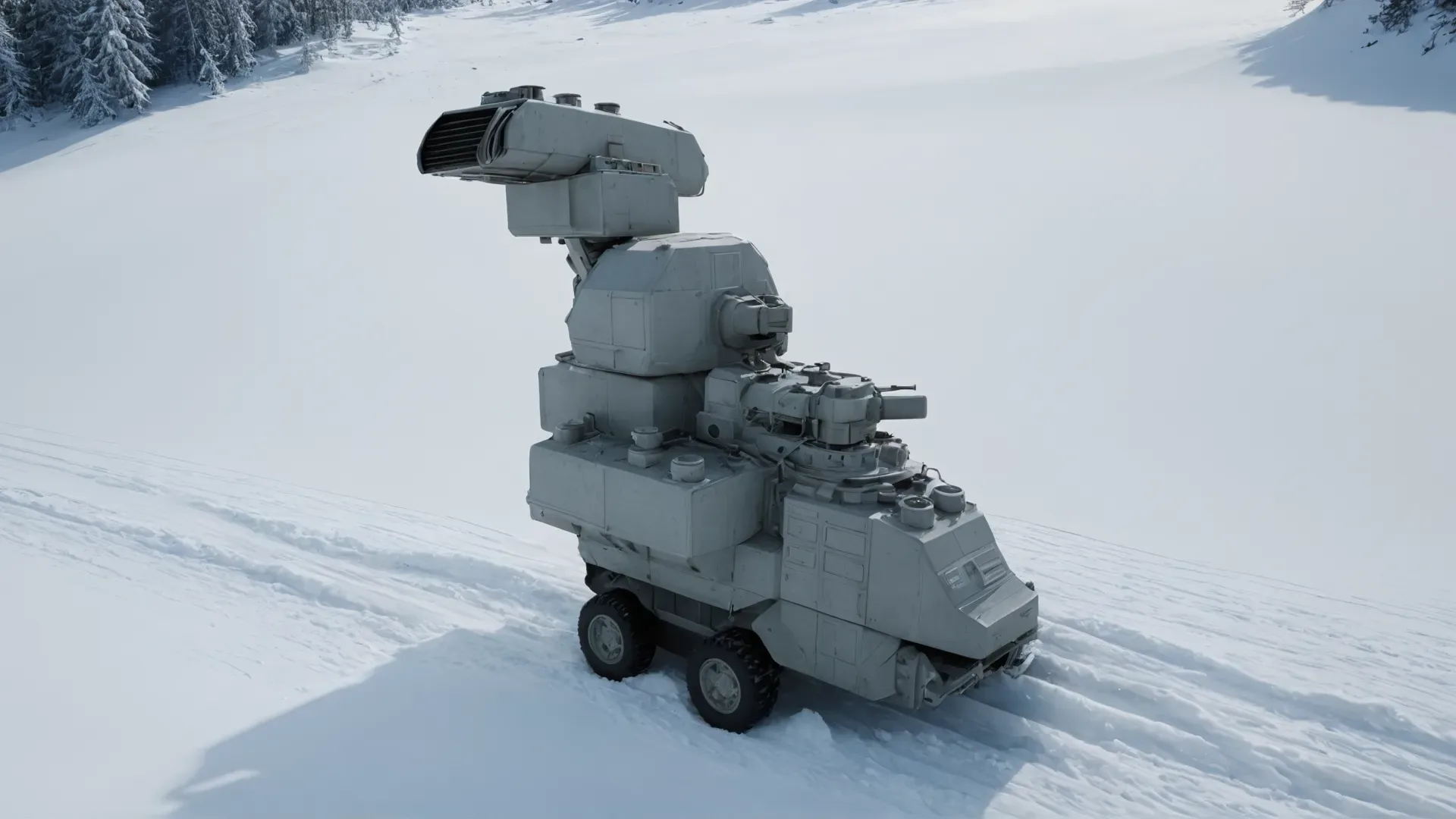
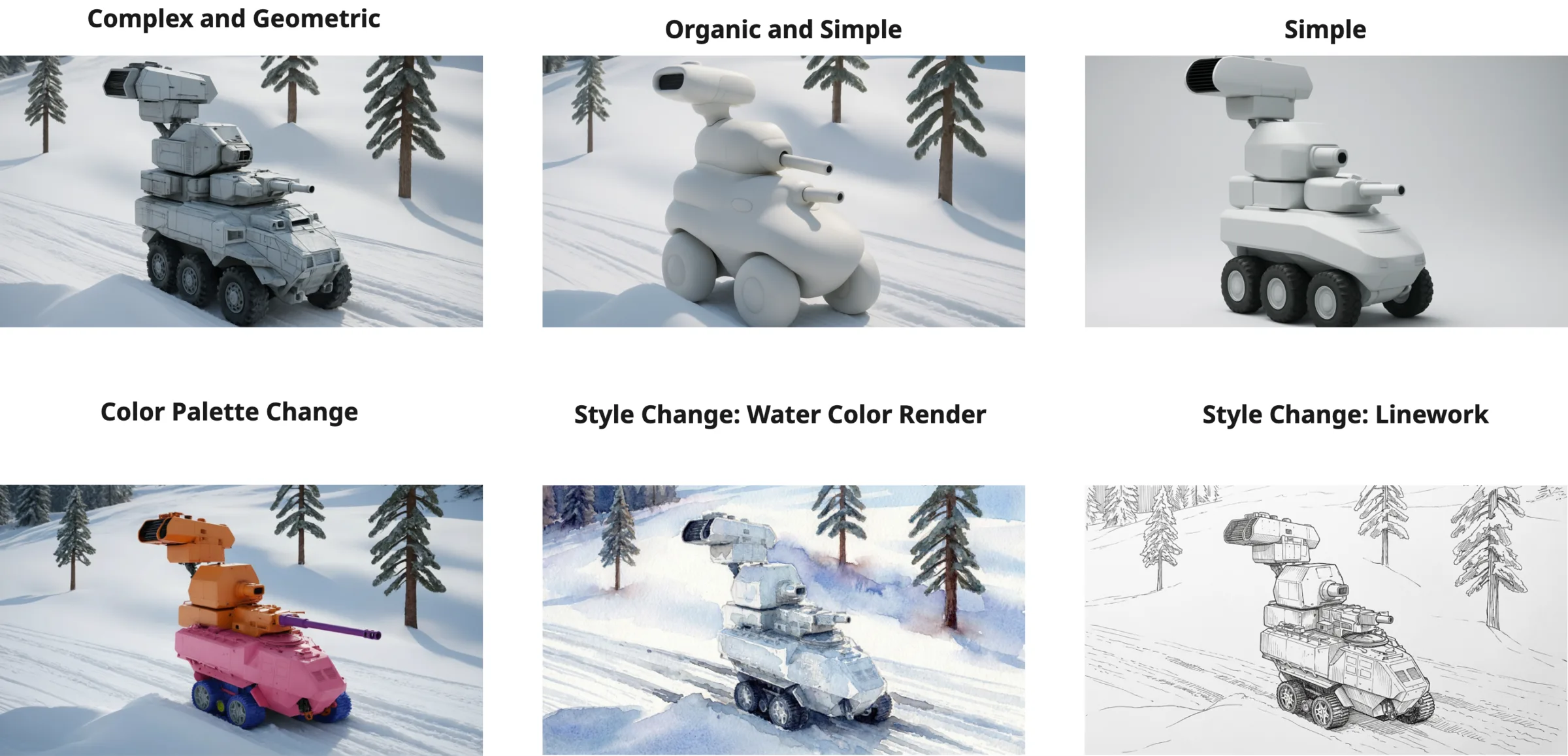
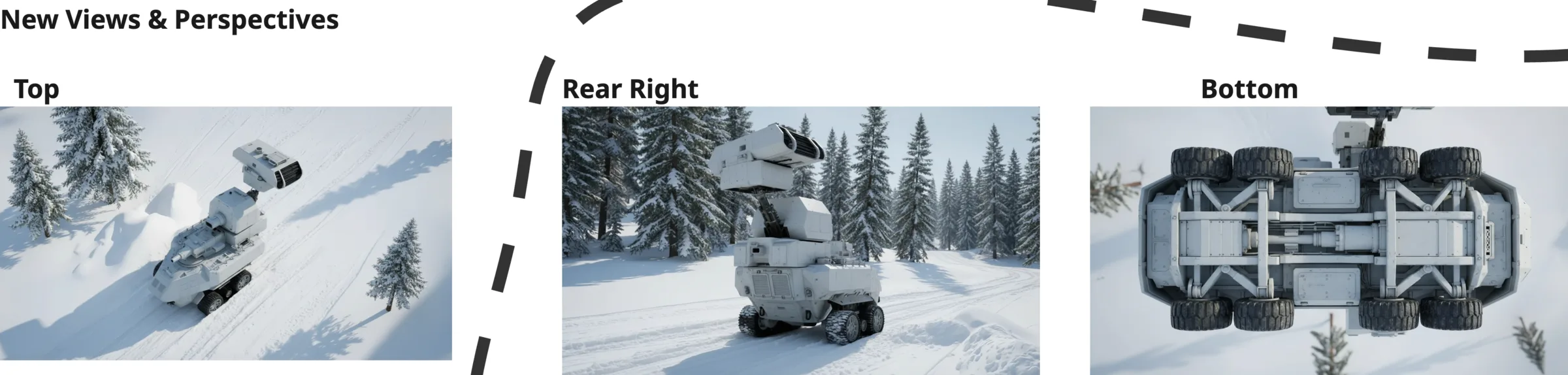
Snow Blaster
A physical control model guides the development of a speculative snow vehicle.
02 | Exercise
From Image to Physical Object
Students translate prompts and images into generated 3D geometry and tangible printed objects.
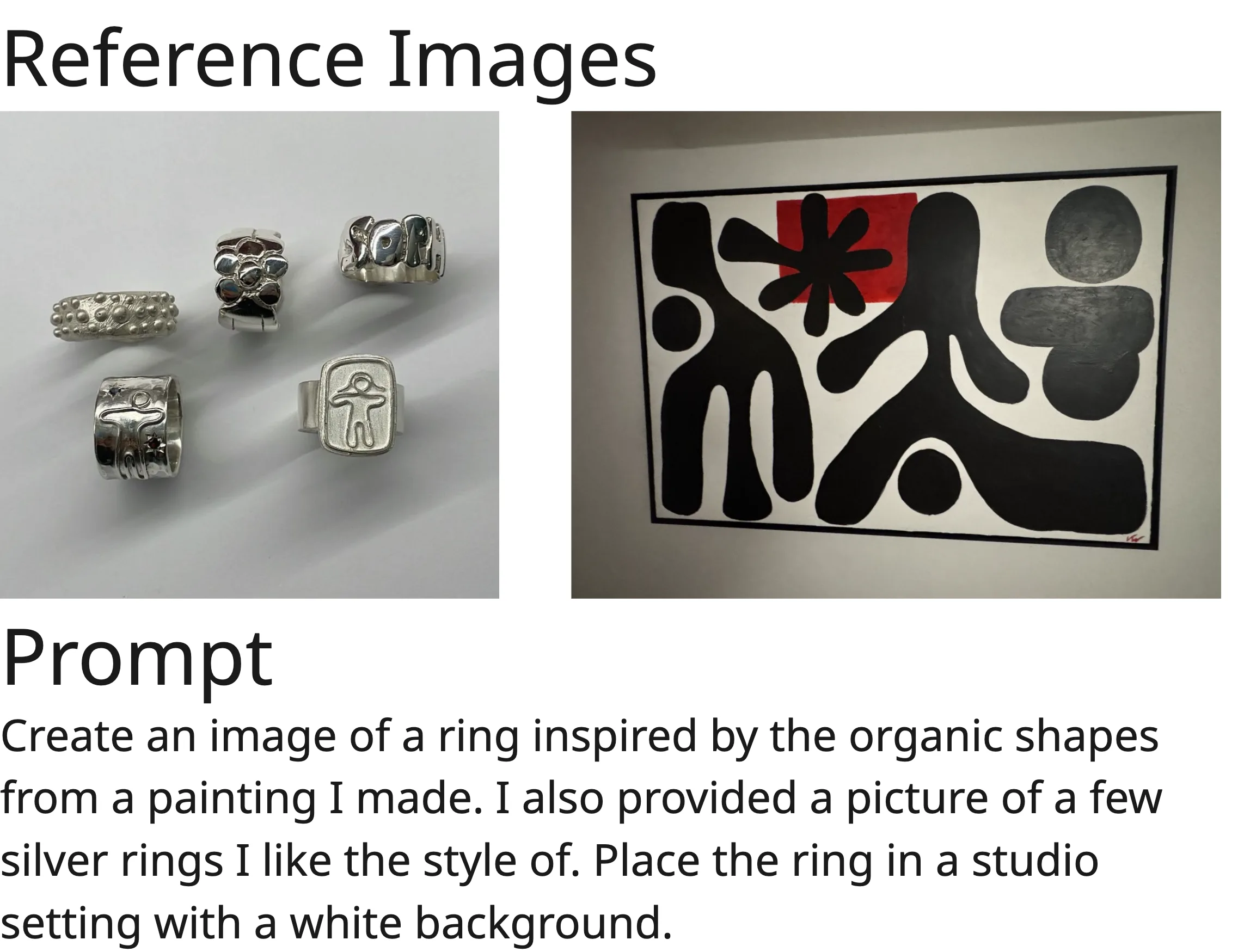
Art to Ring
A visual reference moves through prompting, image generation, digital modeling, and fabrication.
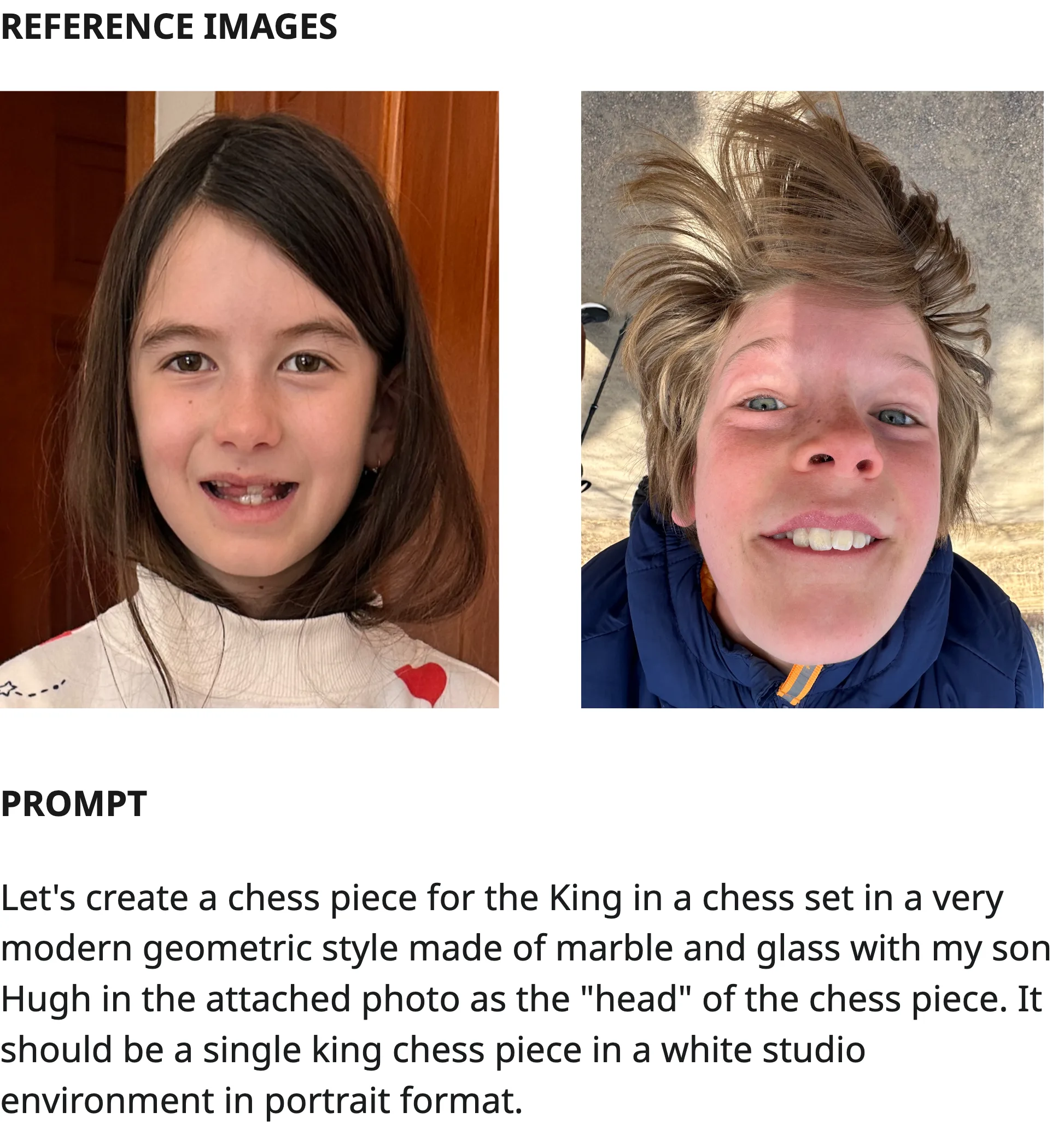
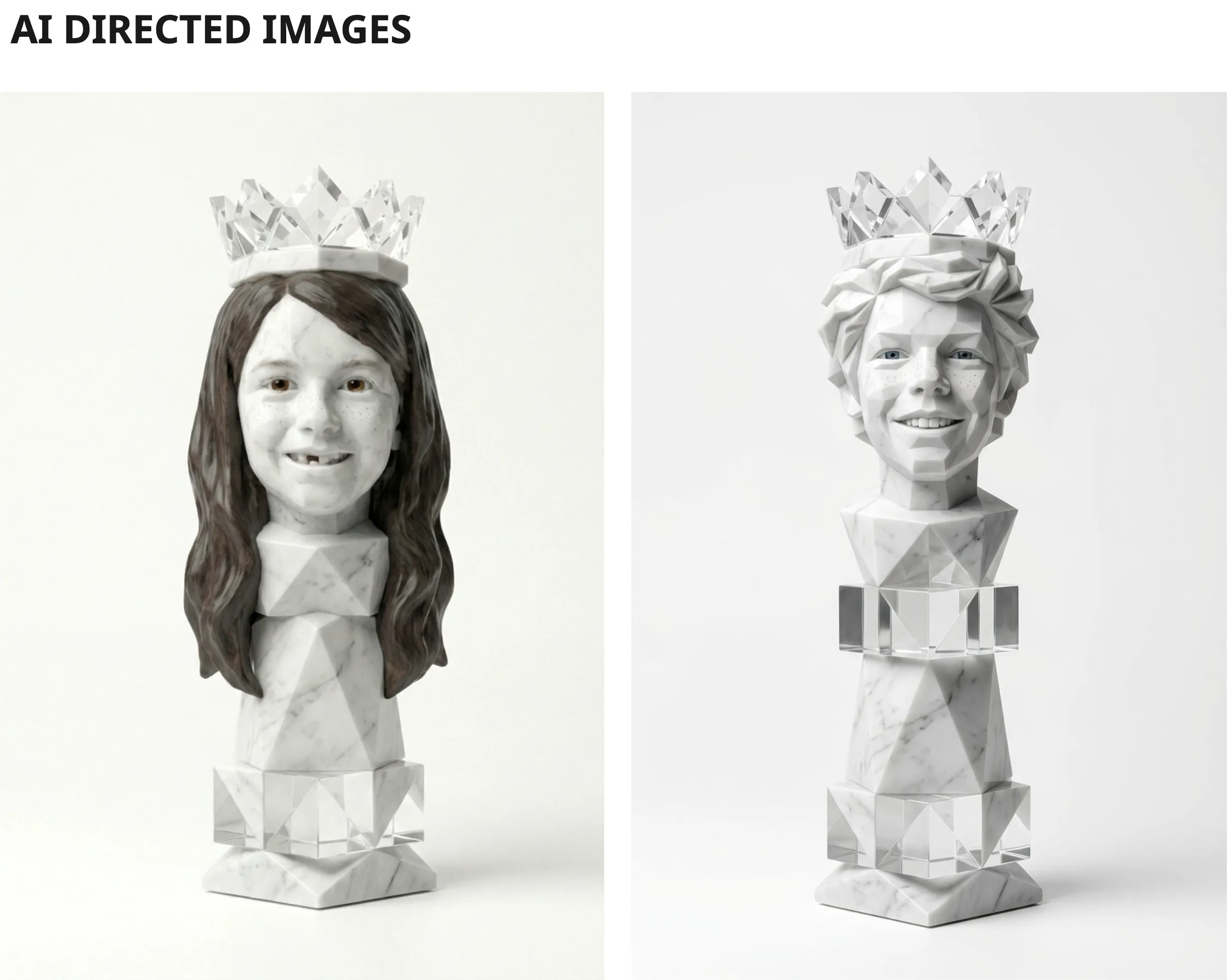
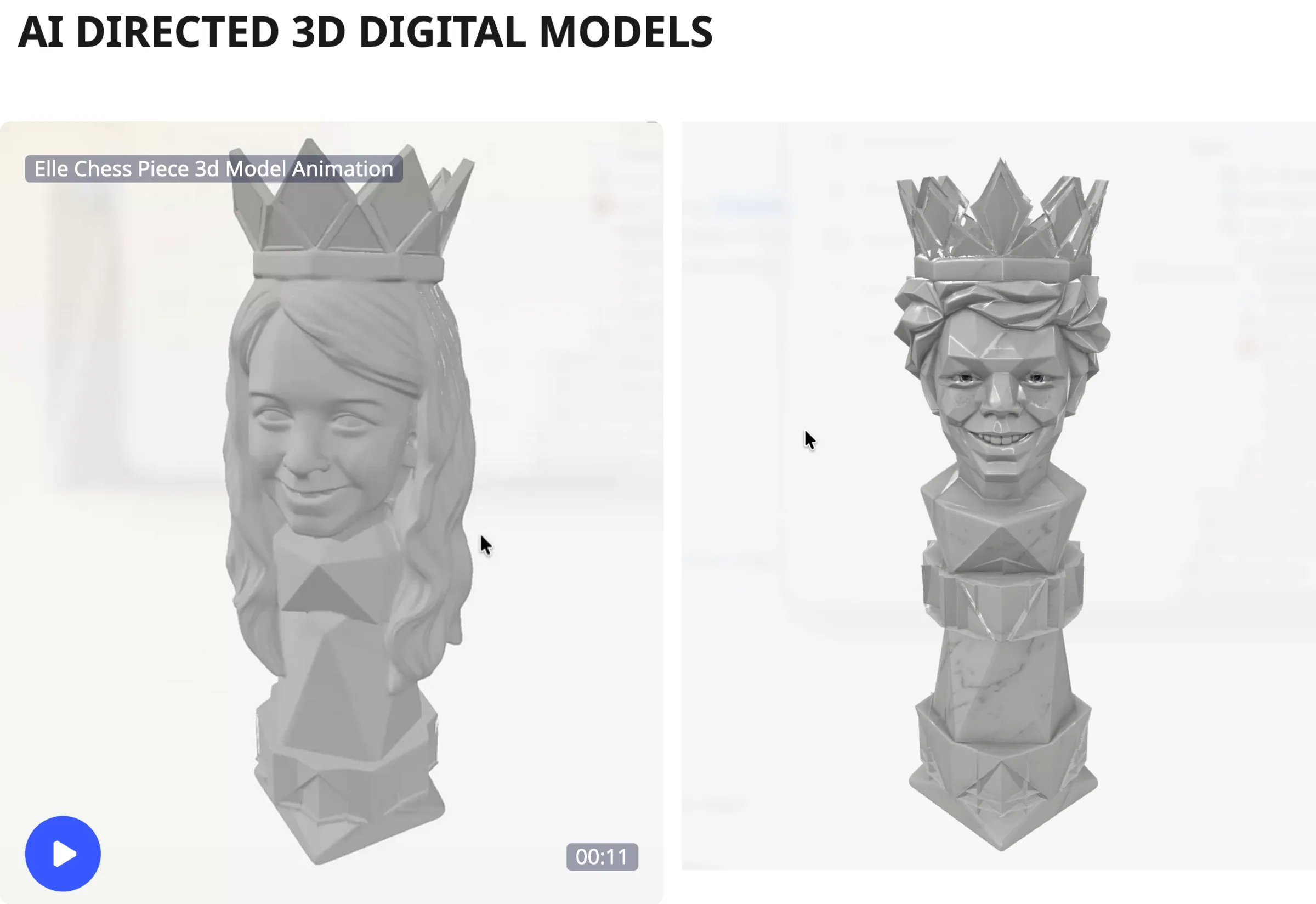
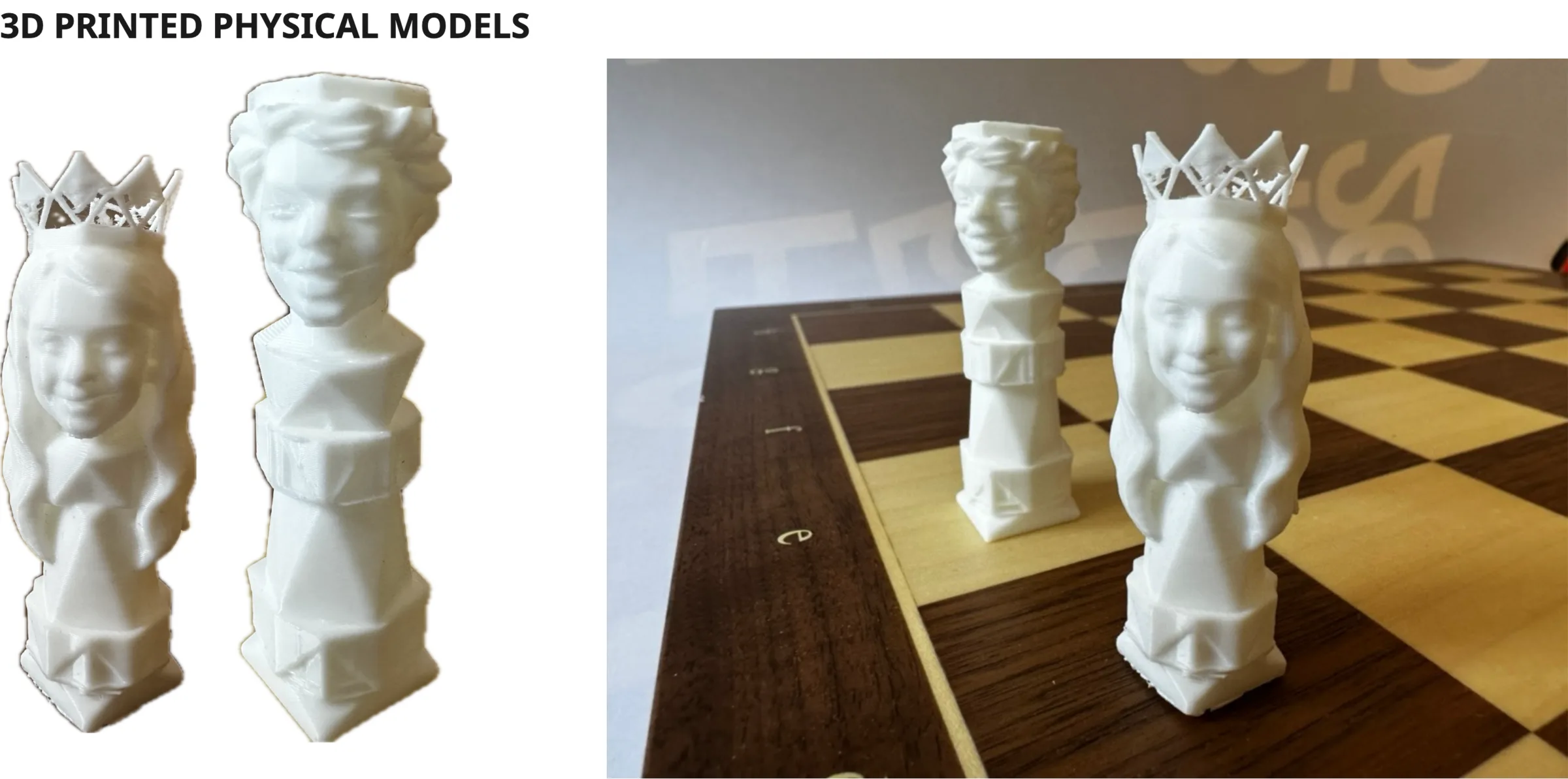
Portrait Chess Pieces
Portrait references become directed images, generated 3D models, and printed chess pieces.
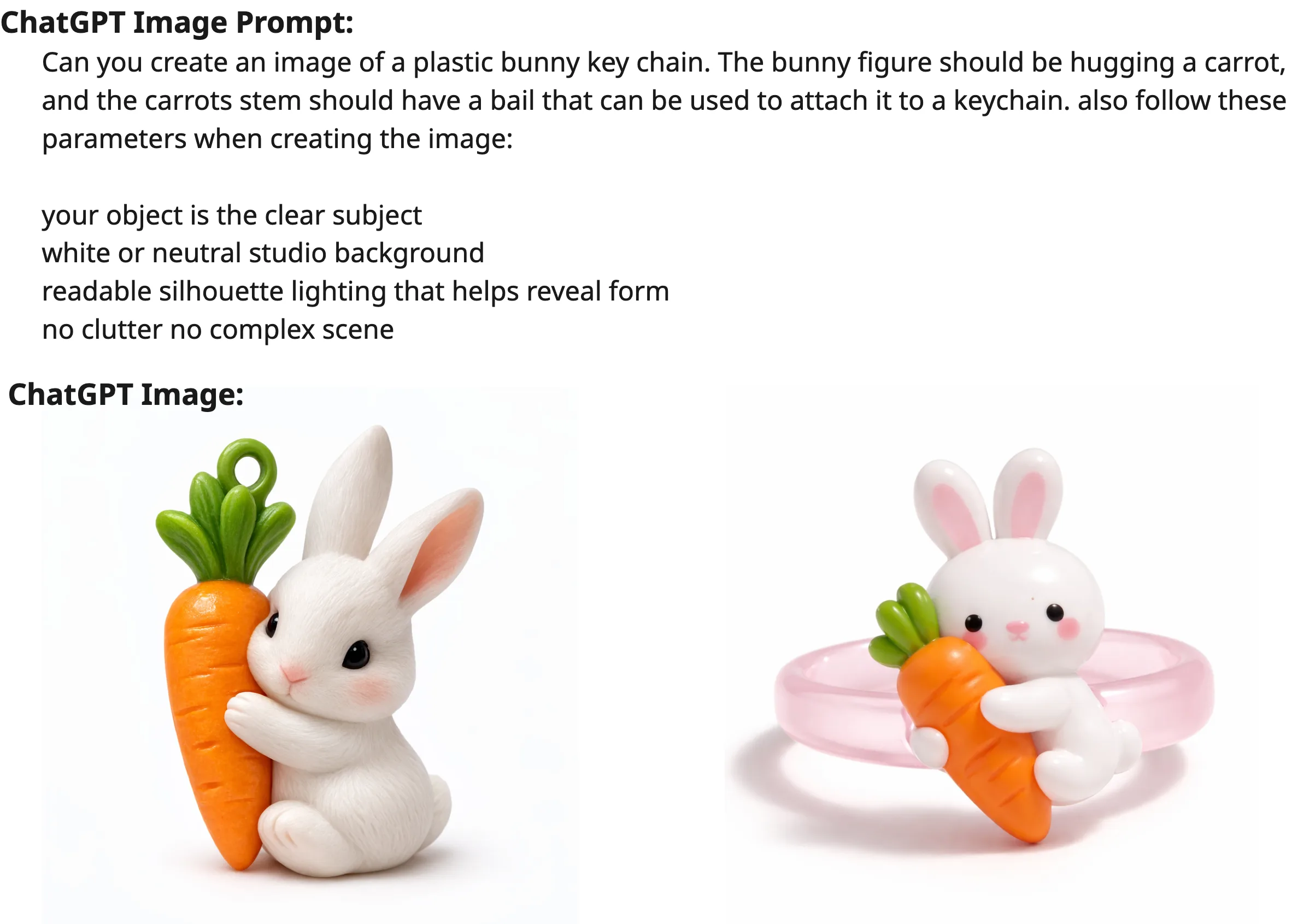
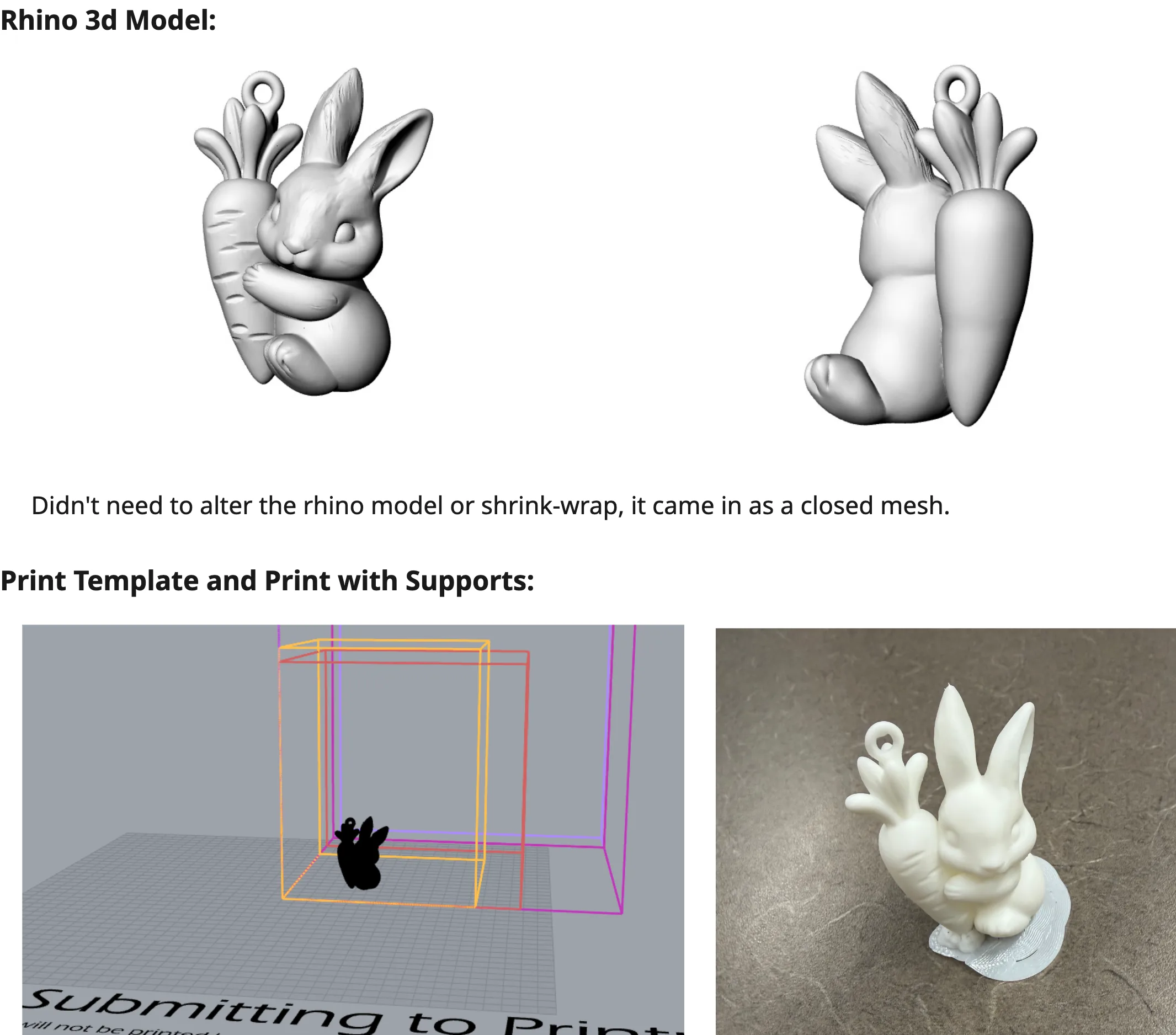
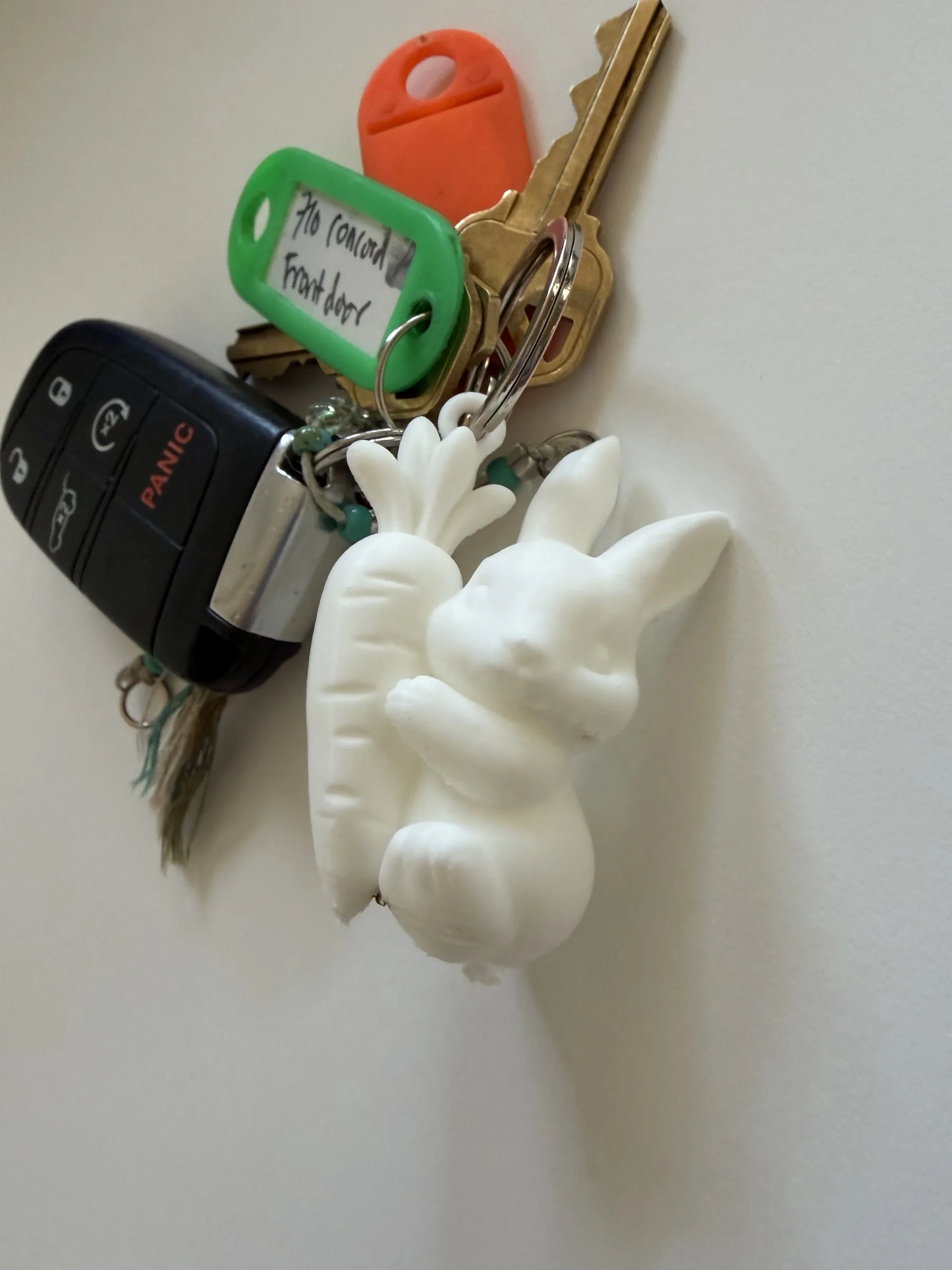
Bunny Key Ring
A photographed subject becomes an image prompt, digital model, and small printed object.
03 | Final Assignment
Speculative Design in 2051
Short films use generative media to take critical positions on AI, design practice, and daily life.
AI-Optimized Life
"What if time stopped feeling real because AI optimized every moment of your life?"
Attention and Boredom
"What if, by 2051, AI-driven overstimulation destroyed humanity's ability to tolerate boredom, triggering a stimulant epidemic that collapsed society?"
Life Beyond Mandatory Work
"What if by 2051, work is no longer mandatory and people are free to choose how they spend their time, shaping their lives around play, creativity, and personal fulfillment?"
Architecture After AI Failure
"What if by 2051 architecture became so dependent on AI that when the systems failed, the profession had to rediscover drawing, building, and human knowledge from the ground up?"
Vapor Cloud Infrastructure
"What if in 2051 AI-powered atmospheric hydration clouds replaced plumbing, transforming water from an invisible public utility into a visible guided service that reshaped domestic ritual, urban life, and access to survival itself?"
Student work, including the speculative films above, was exhibited in the ENVD Gallery alongside the AIA traveling exhibition "Architecture After AI," connecting the course's experiments and ethical questions to a broader disciplinary conversation about design after generative systems.
Critical Reflections, Written Without AI Assistance
After a semester of working intensively with generative tools, students completed one assignment without AI-assisted drafting or editing. They were asked to state an honest personal position on authorship, creative agency, professional change, environmental cost, and the value of making.
"It will be crucial to stay in the driver seat of your train of thought."
"The water consumption it took to create my video, honestly, made me feel greedy."
"Without the process of creating and thinking for myself, the meaning of the work feels hollow."
"But could a life with AI be too efficient?"
Anonymous student reflections, Spring 2026. Excerpts represent differing individual positions rather than a single course viewpoint.
Student Experience
5.00 / 5
Instructor availability and assistance
5.00 / 5
Effective use of technology to enhance learning
4.67 / 5
Reflection on learning
75%
Response rate, Spring 2026 course questionnaire
“Jeremy is one of my favorite ENVD professors. He encourages, listens, and understands design in a unique way. After four semesters in ENVD, this course was by far the most applicable ENVD-specific elective I have taken. ... Jeremy tried incredibly hard to stay on top of all the emerging software, which is difficult to do. I can recommend this course to anyone. Best ENVD course!”
Generative Design with AI | Spring 2024 course evaluation