01 | Group
Products
Physical products addressing accessibility, protection, mobility, and daily use, developed through iterative full-scale prototyping.
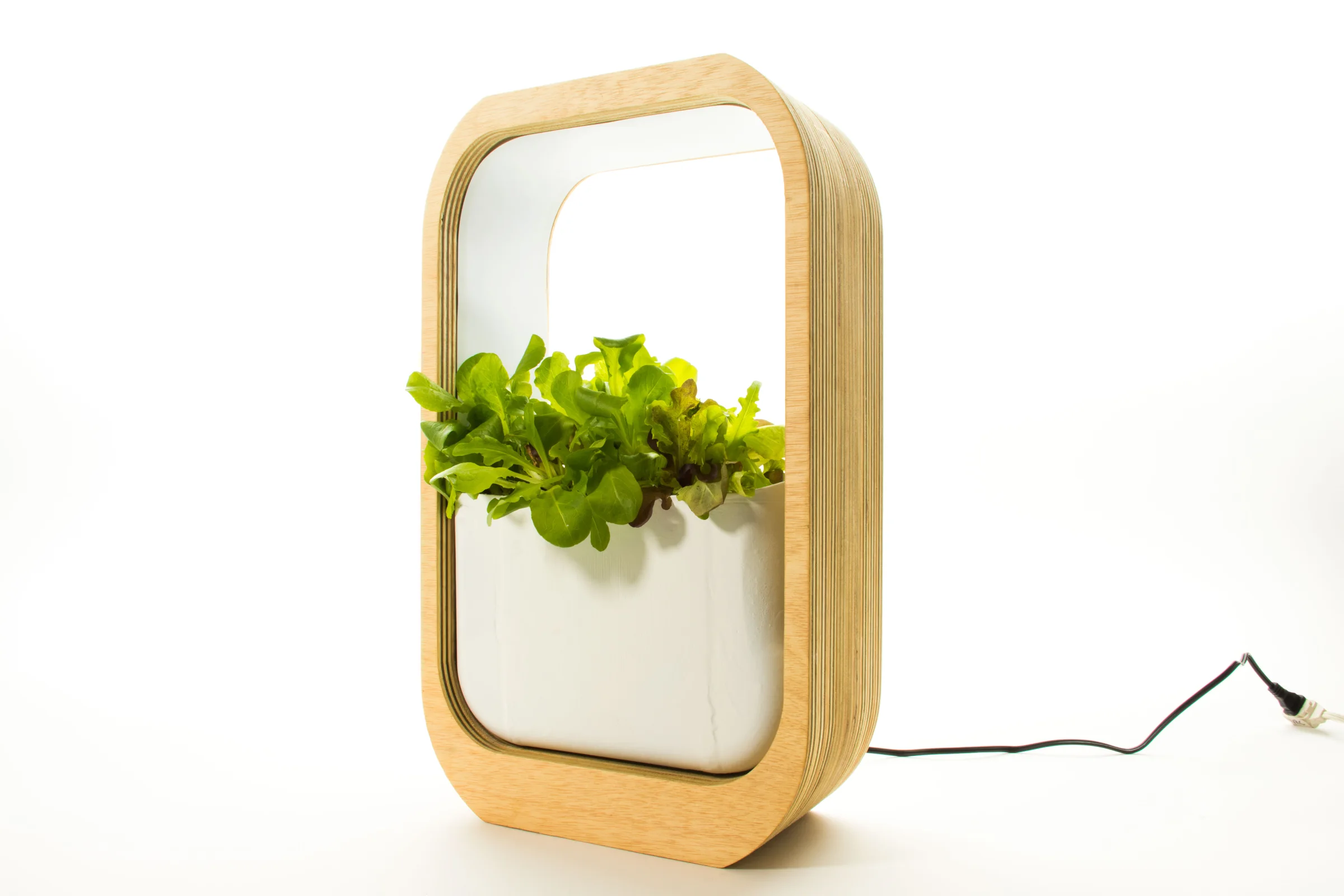
Vegi
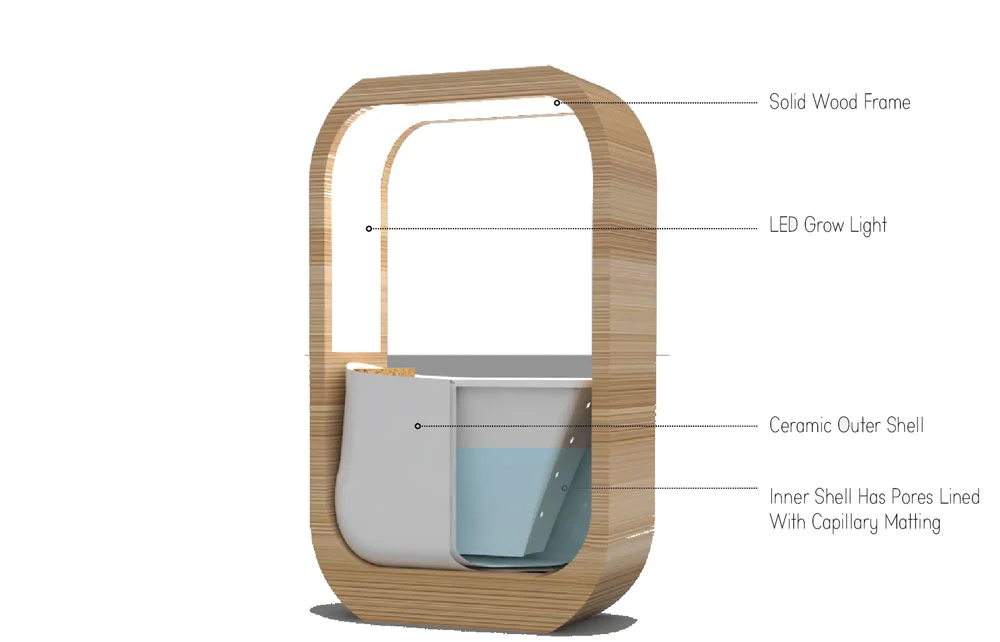
A modular indoor garden designed to make growing edible plants more accessible in apartments and other spaces without adequate daylight. A self-watering planter supports approximately ten days of autonomy, while an integrated timed grow light allows the unit to operate away from a window.
Click any image to view full size
Gobe
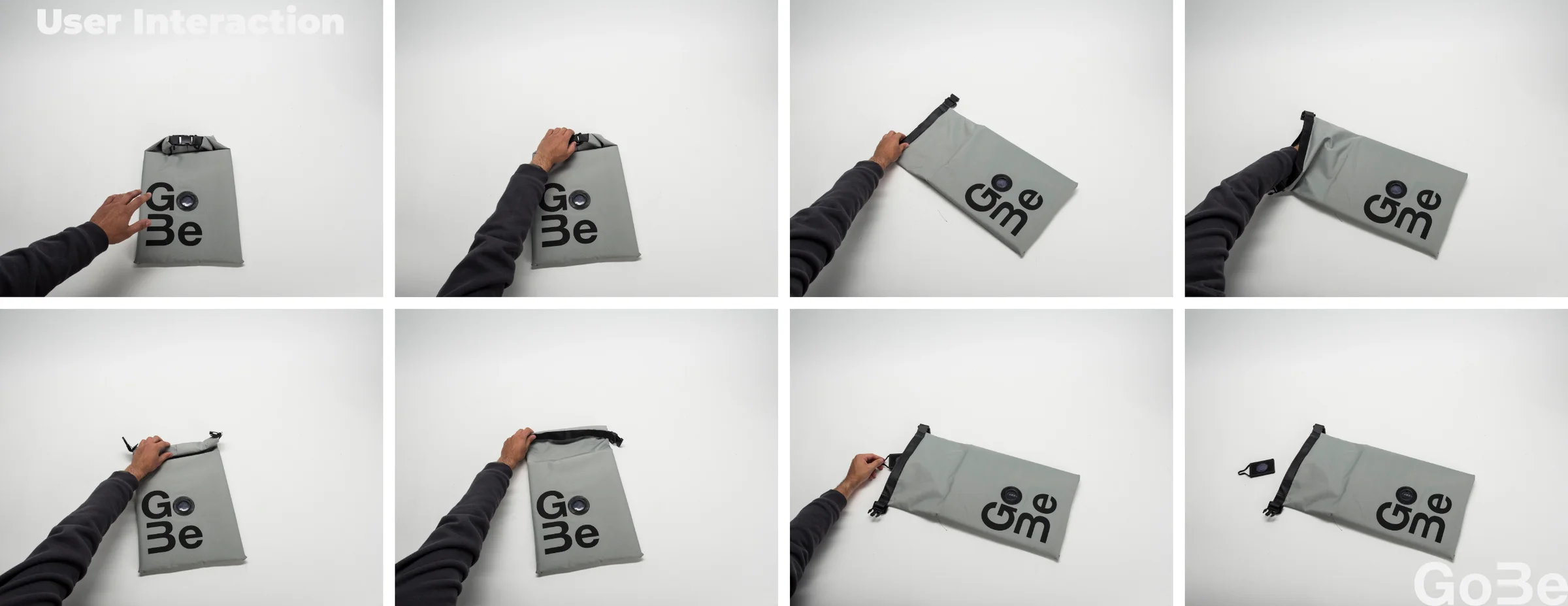
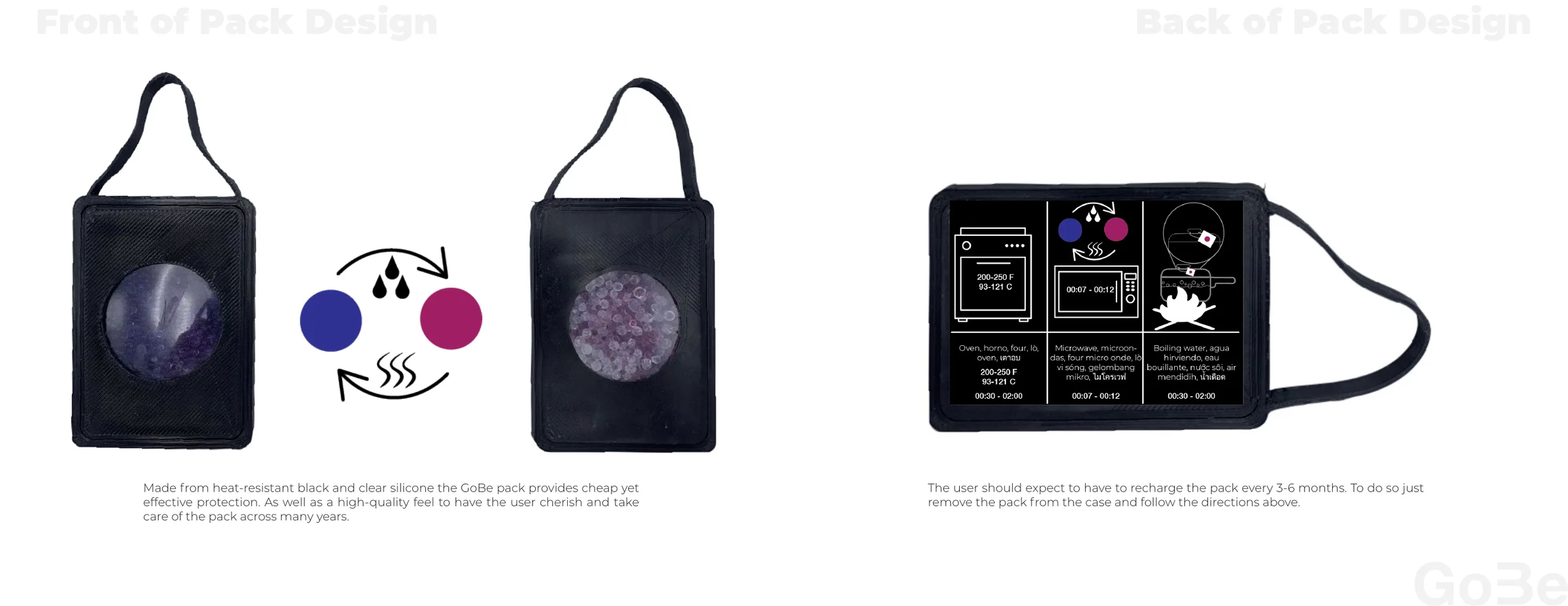
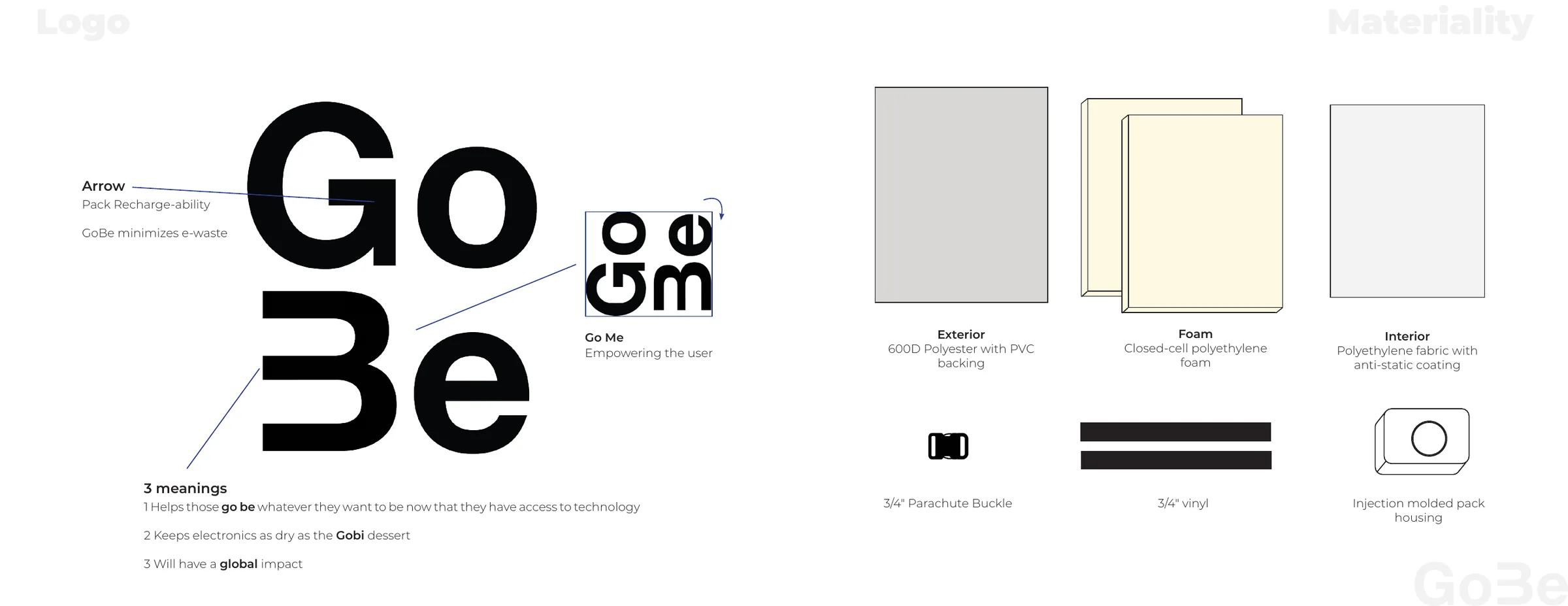
A line of moisture-controlled bags designed to protect electronics in humid environments where climate-controlled storage is uncommon. Rechargeable silica packs absorb moisture, change color when saturated, and can be restored through accessible heat sources, prioritizing affordability and durability for users whose access to education or the internet depends on a working laptop.
Click any image to view full size
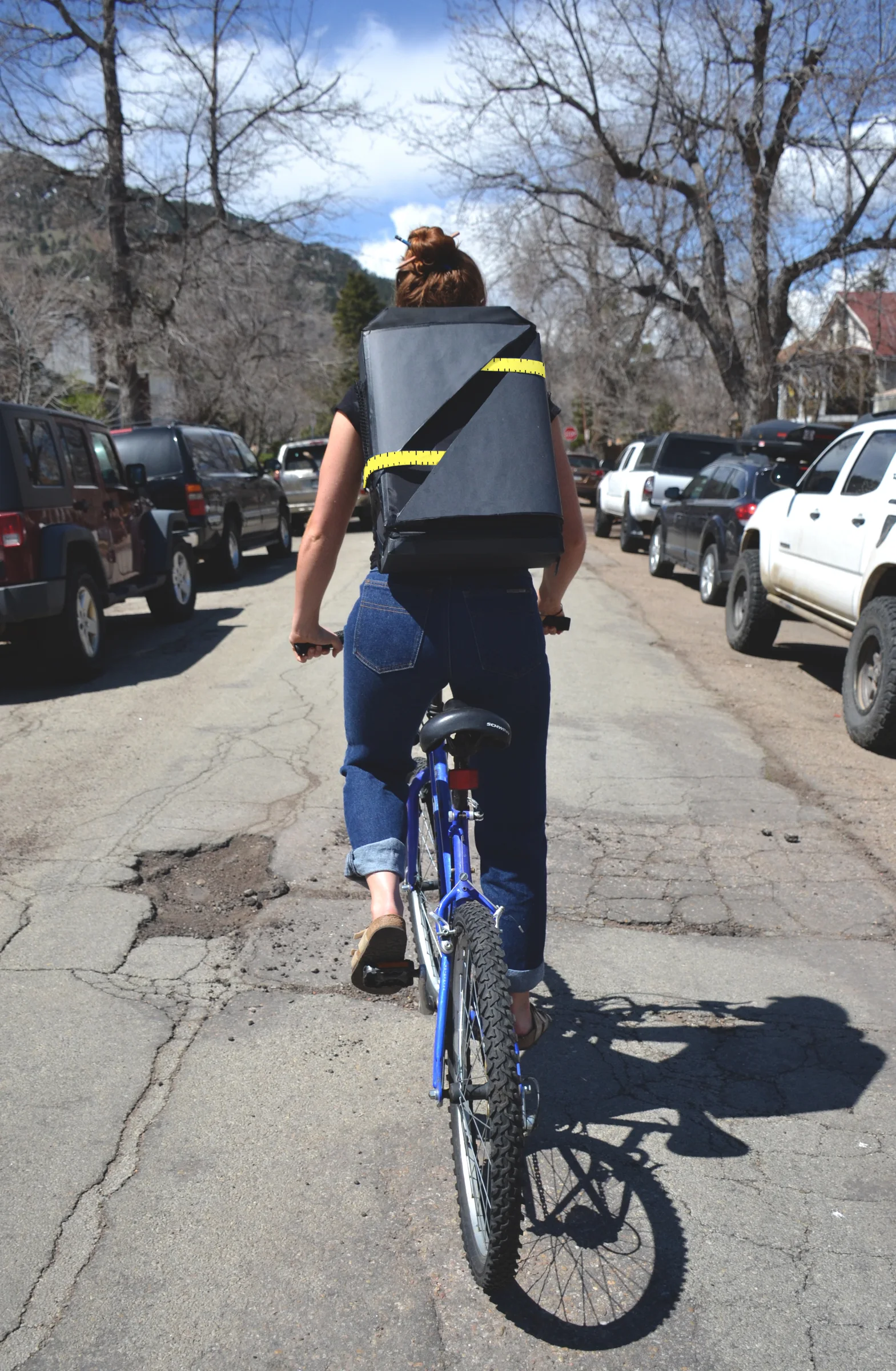
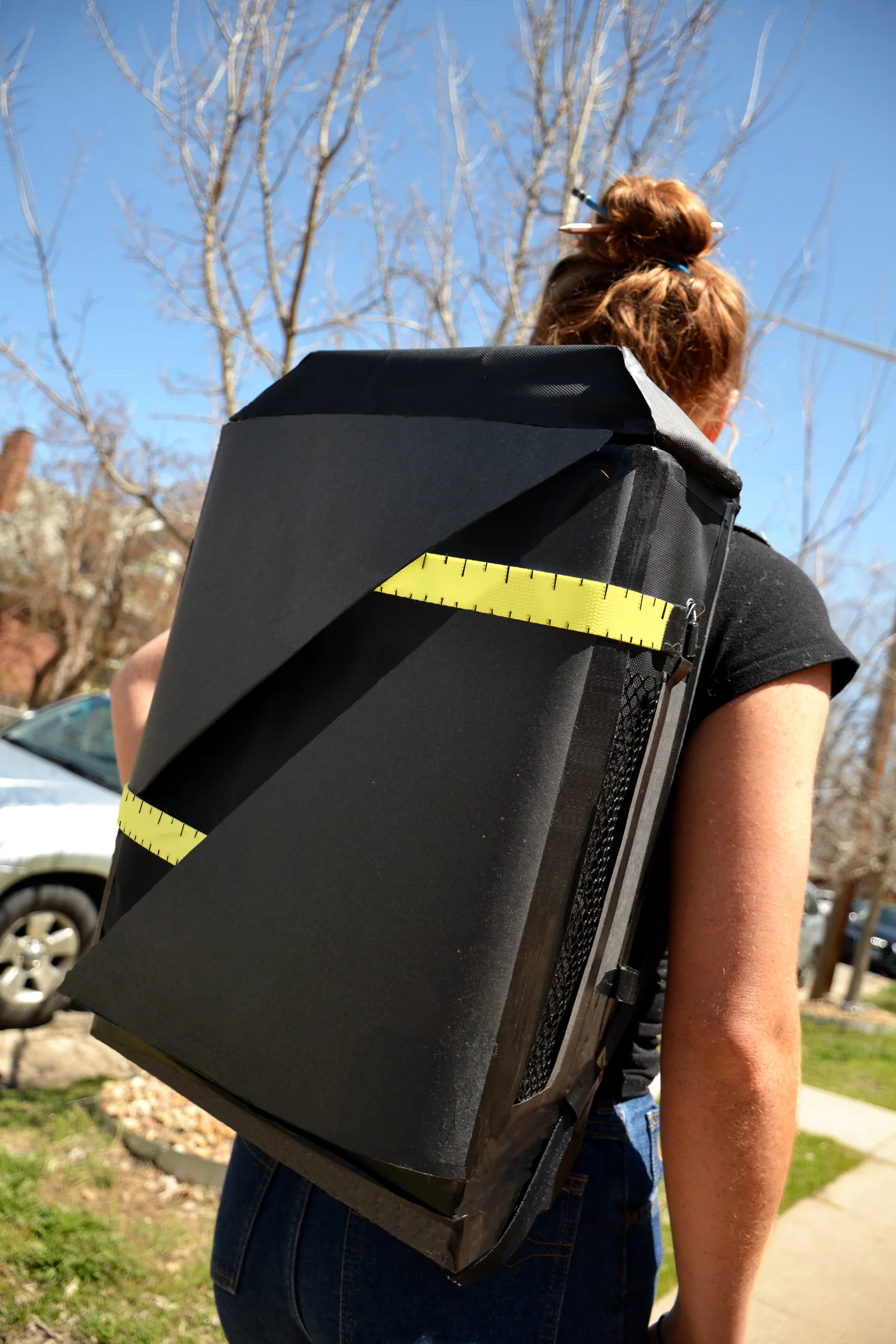
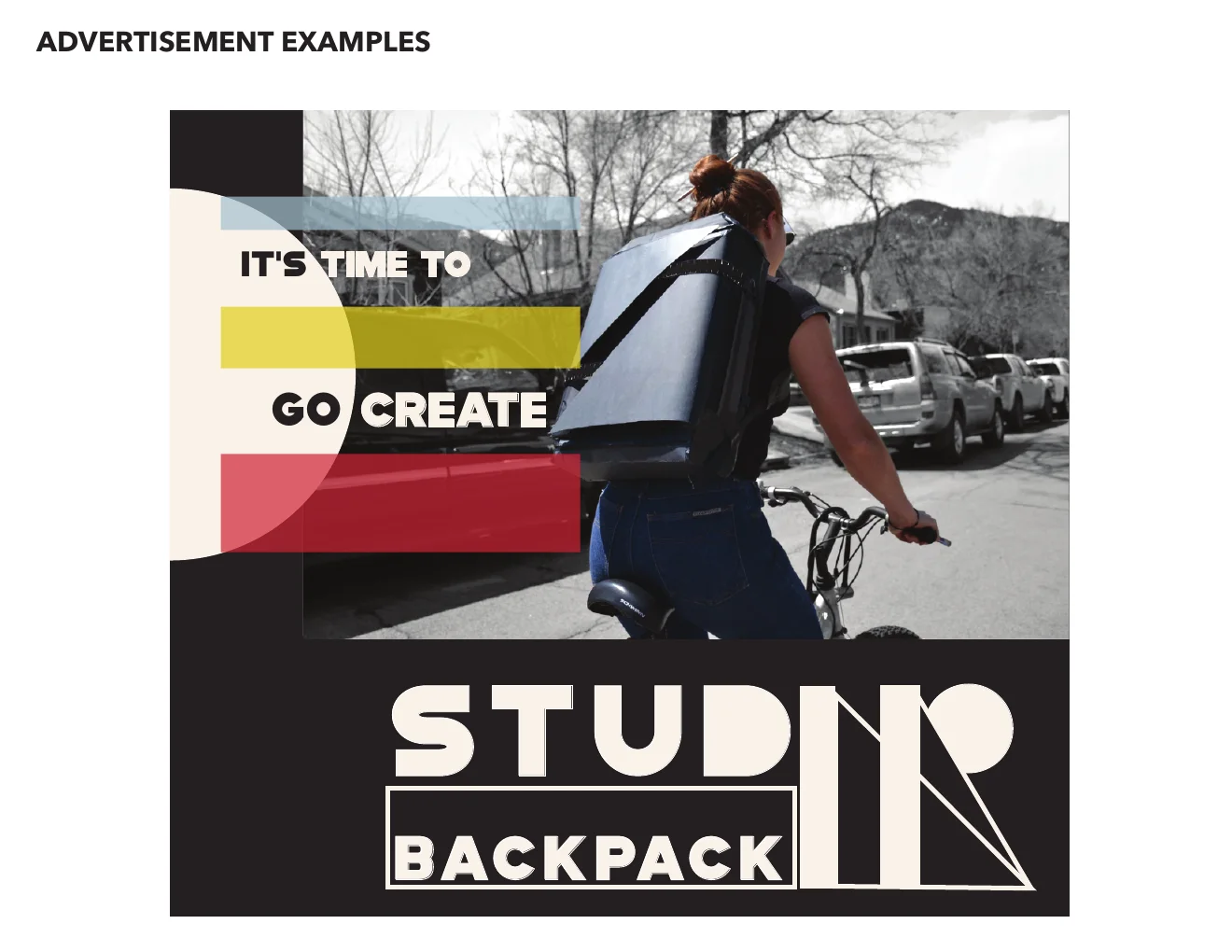
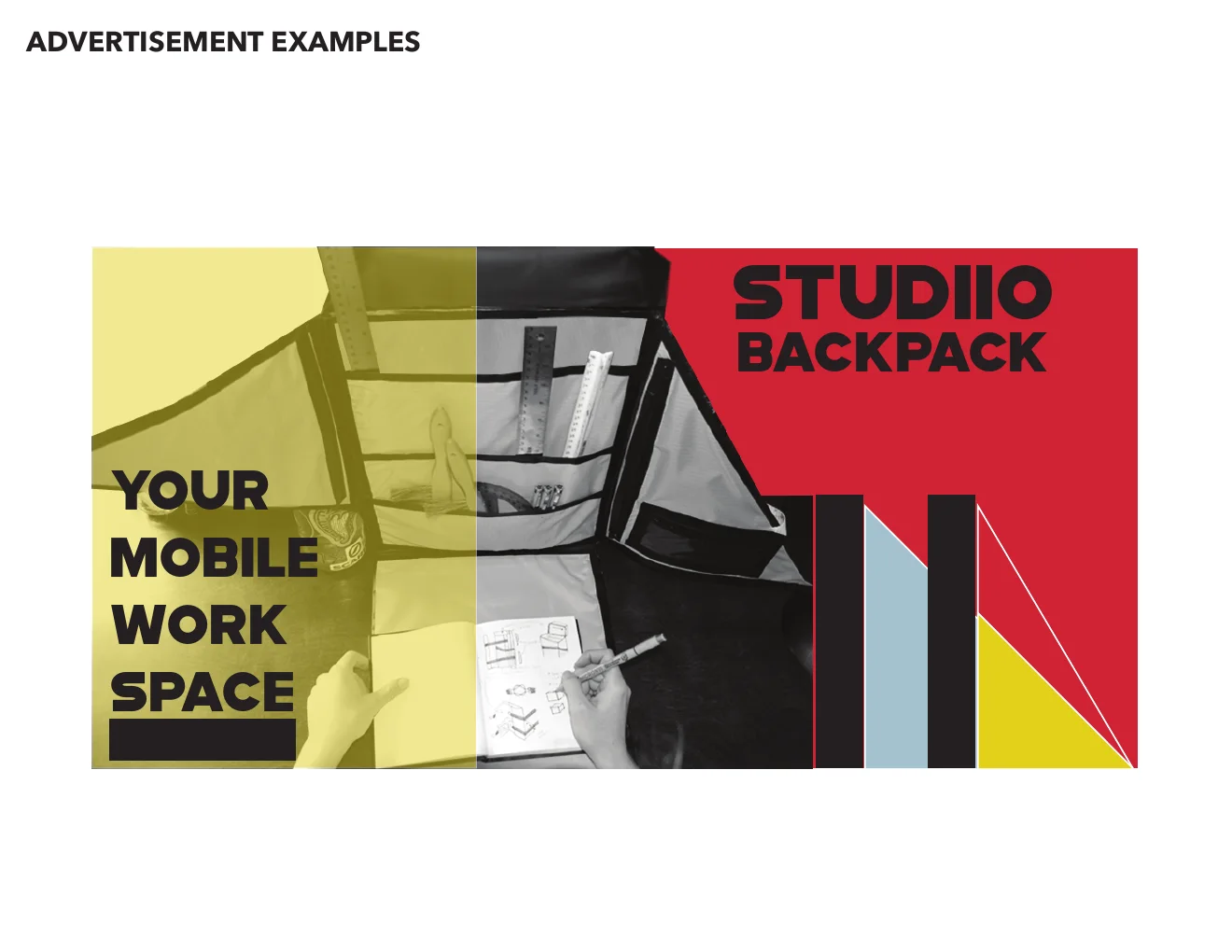
A mobile work system for artists, designers, and craftspeople. The backpack organizes tools and materials so that a creative practice can move between home, school, studio, and field conditions, paired with a campaign that presents the bag as a portable studio rather than a conventional laptop bag.
Click any image to view full size
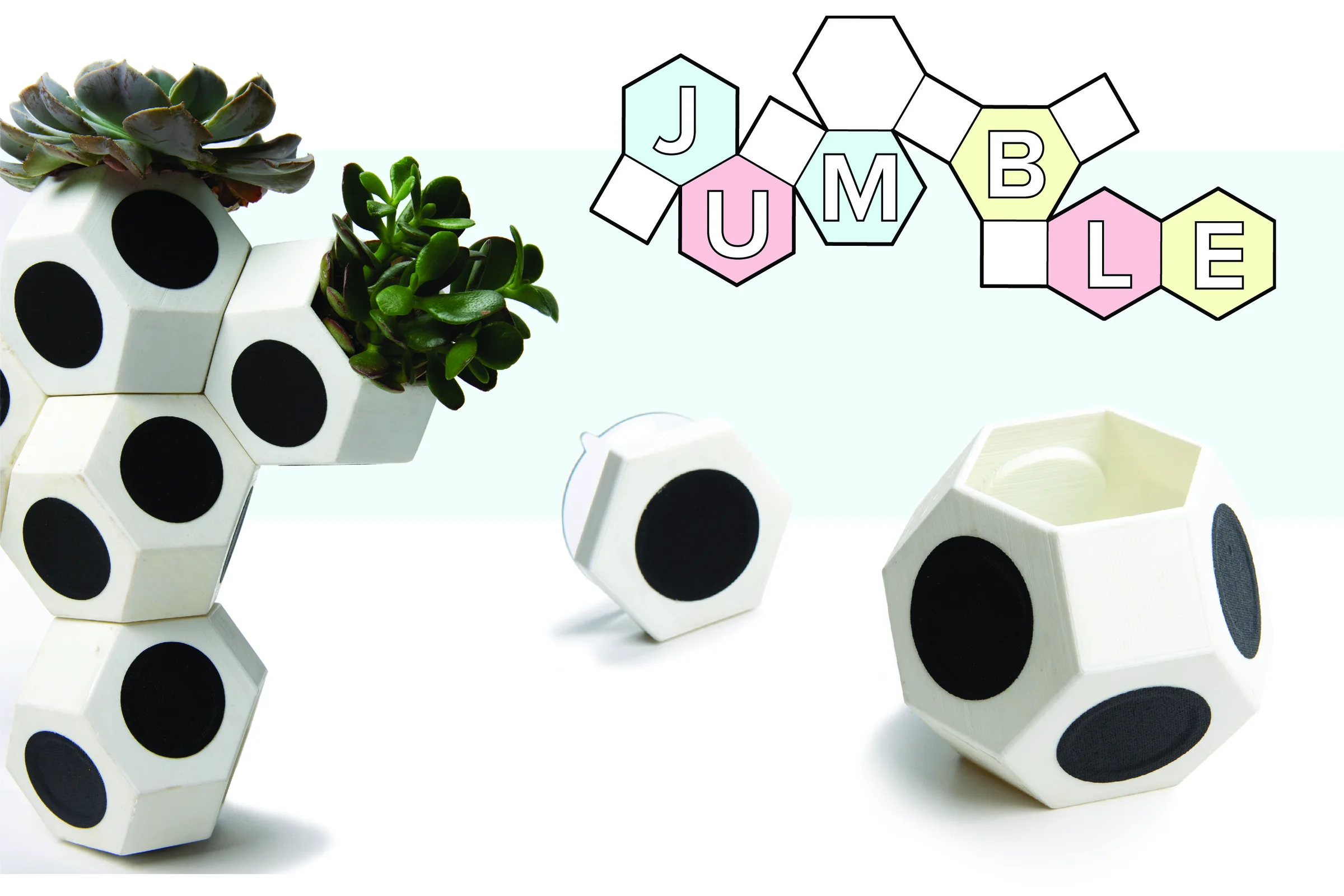
Jumble
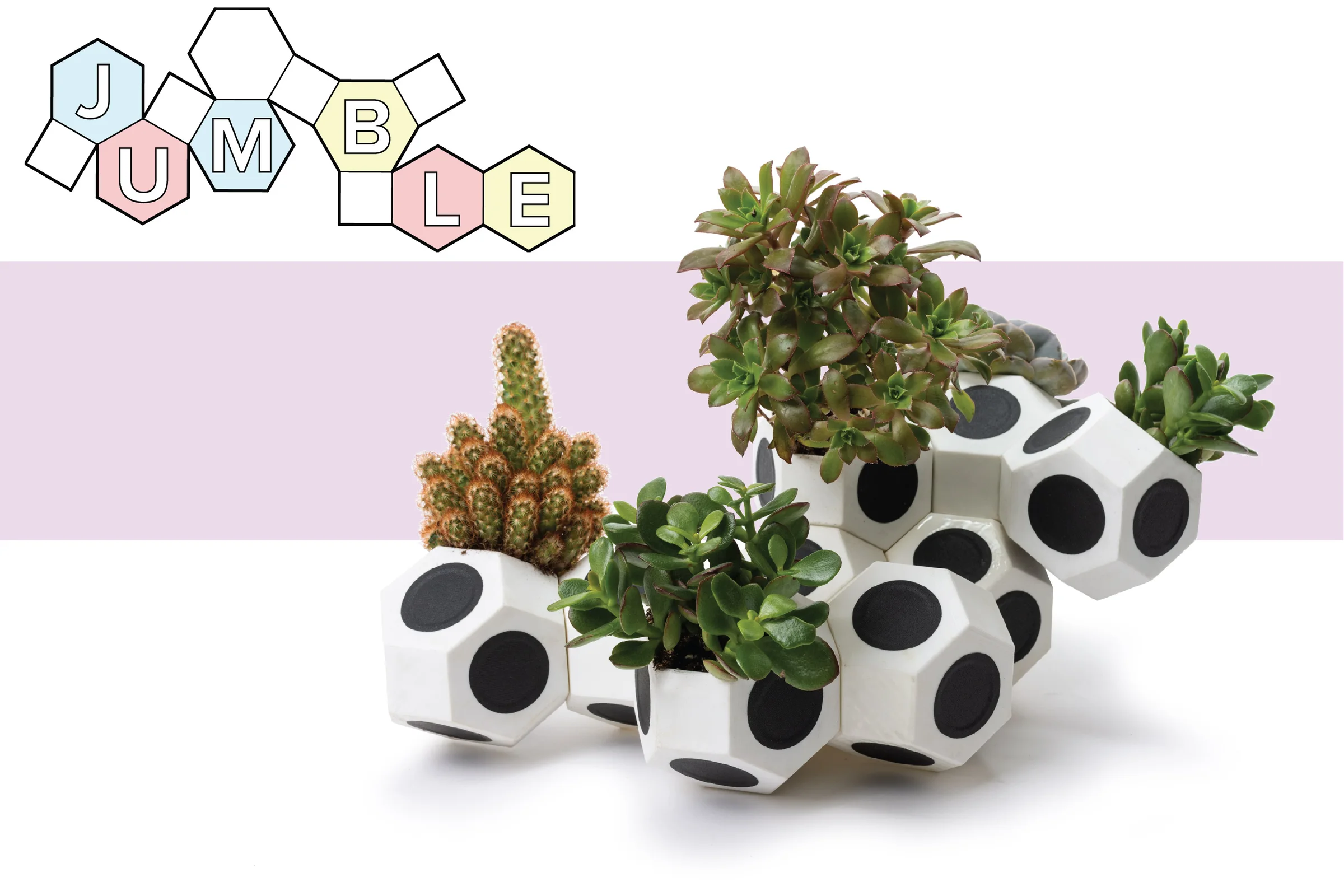
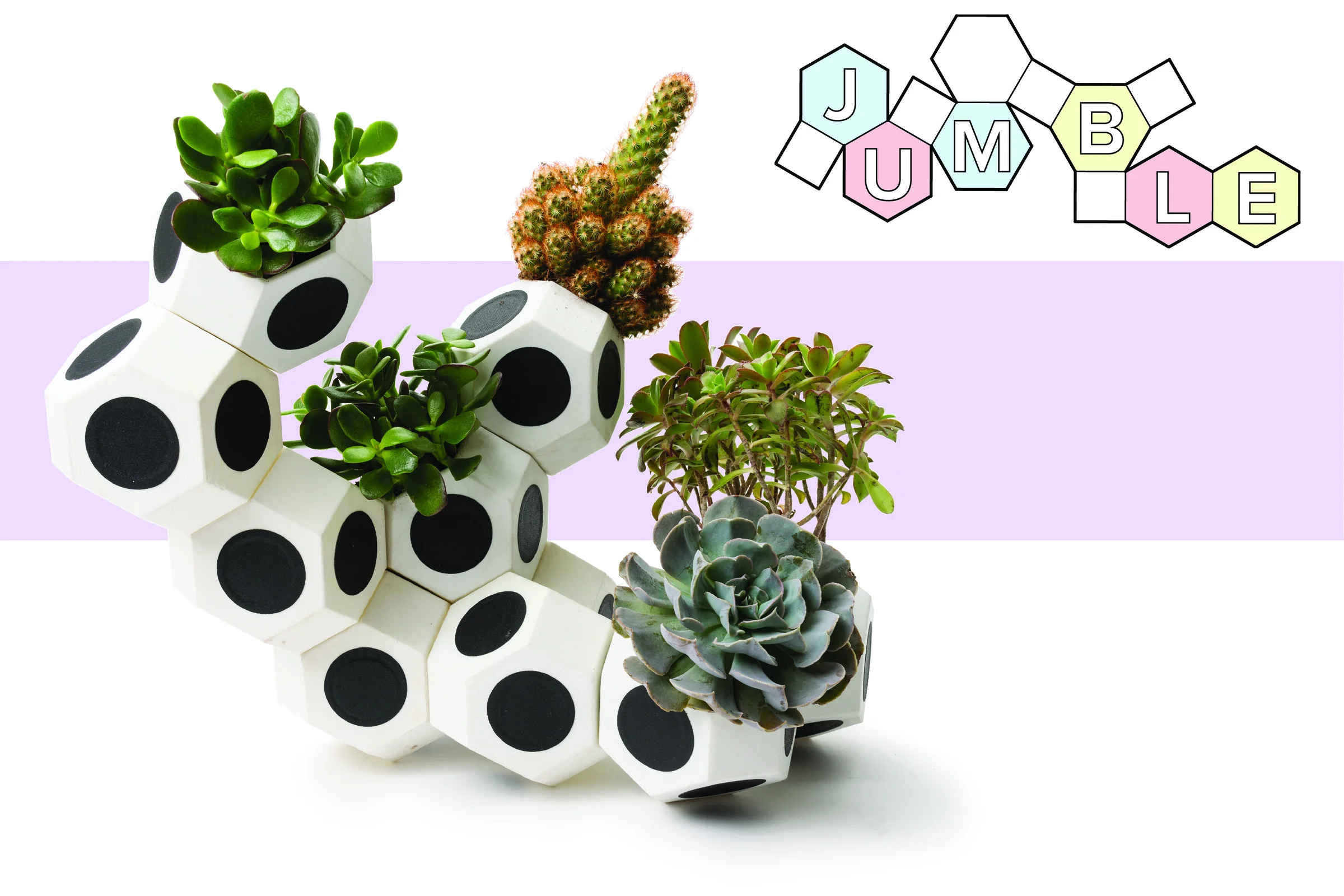
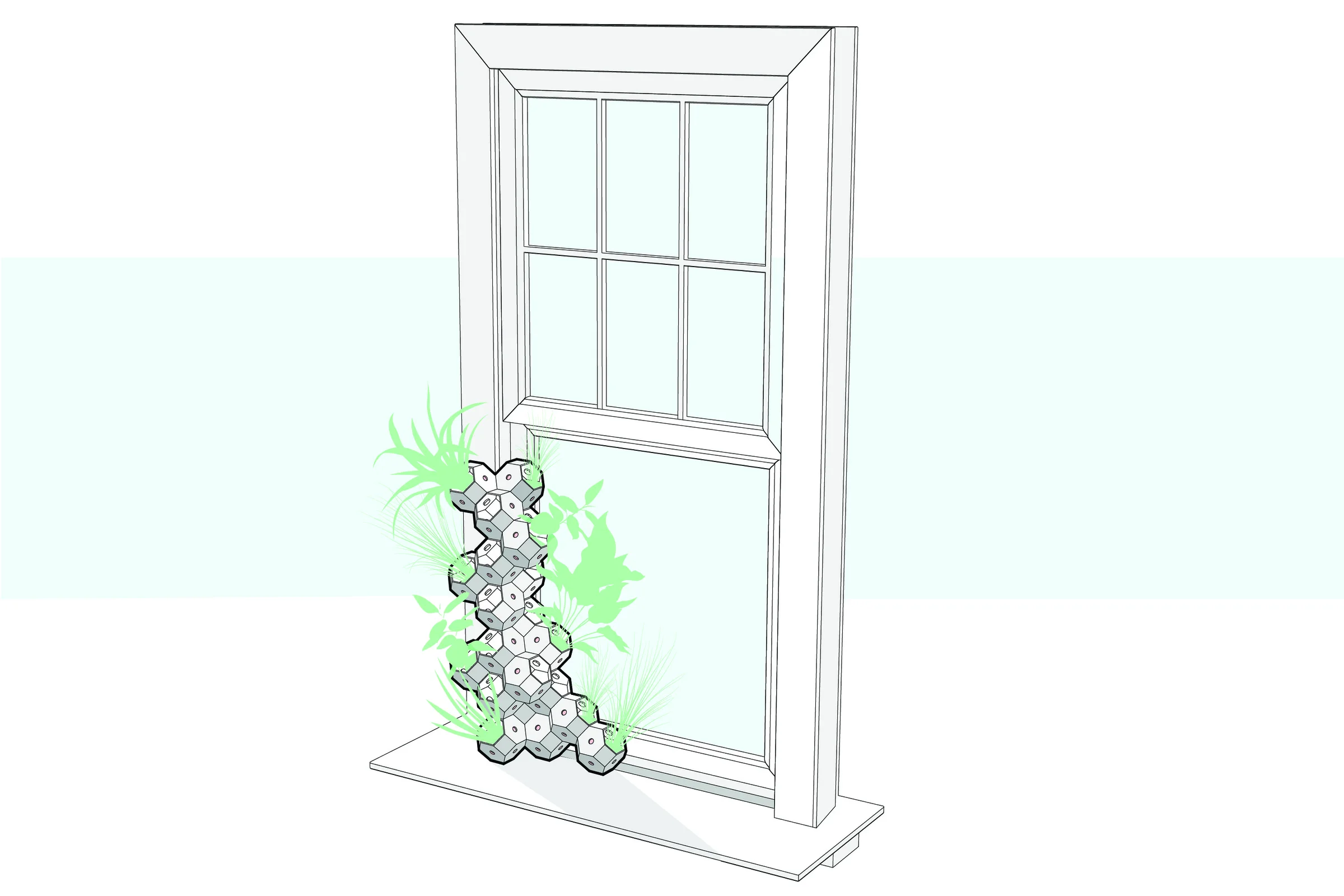
A modular indoor planting system built from truncated-octahedron pods connected through an alternating magnetic pattern. Users assemble the units intuitively into playful, expandable arrangements, developed through failed structures, greenhouse testing, and growing-medium experiments.
Click any image to view full size
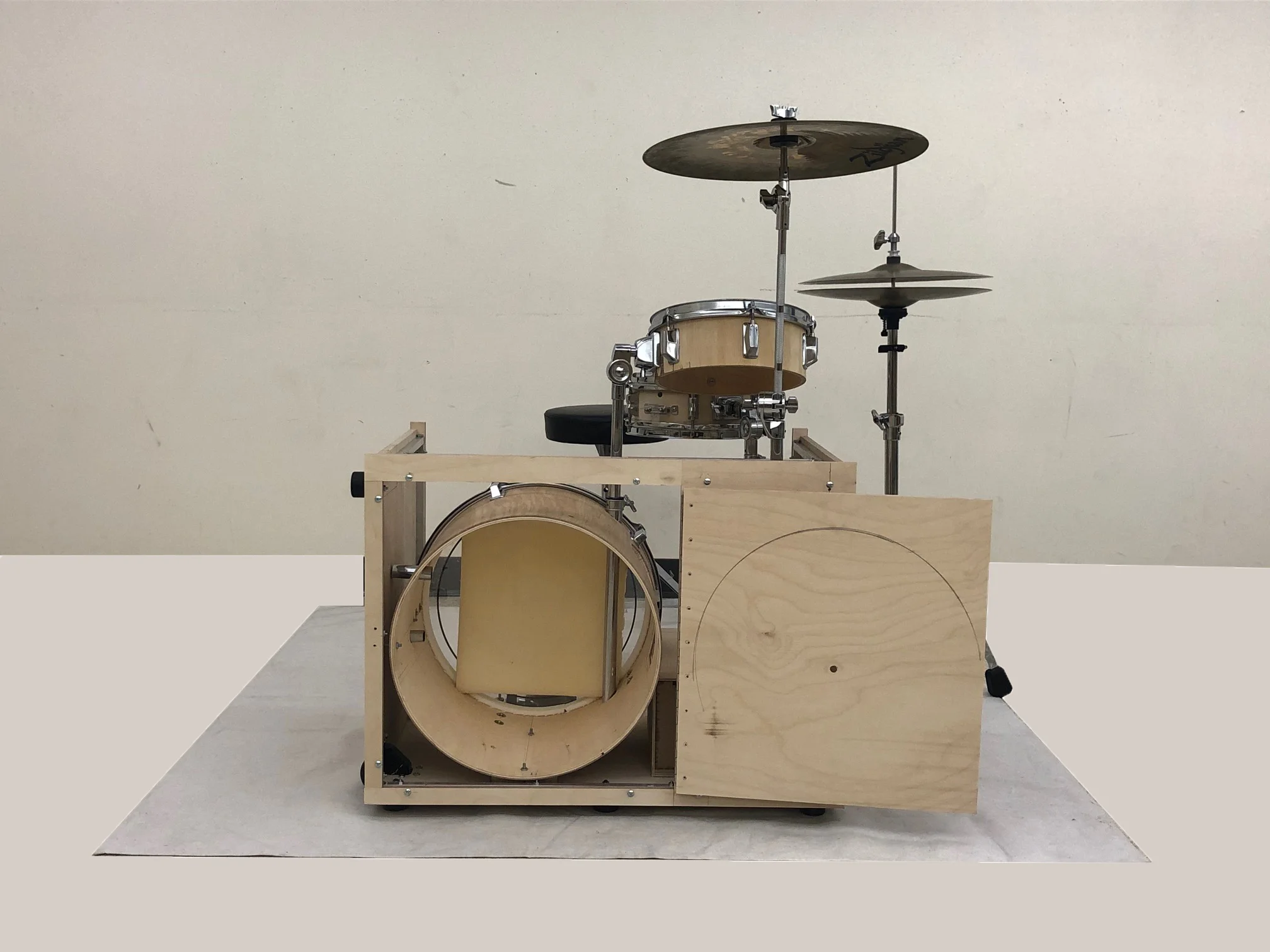
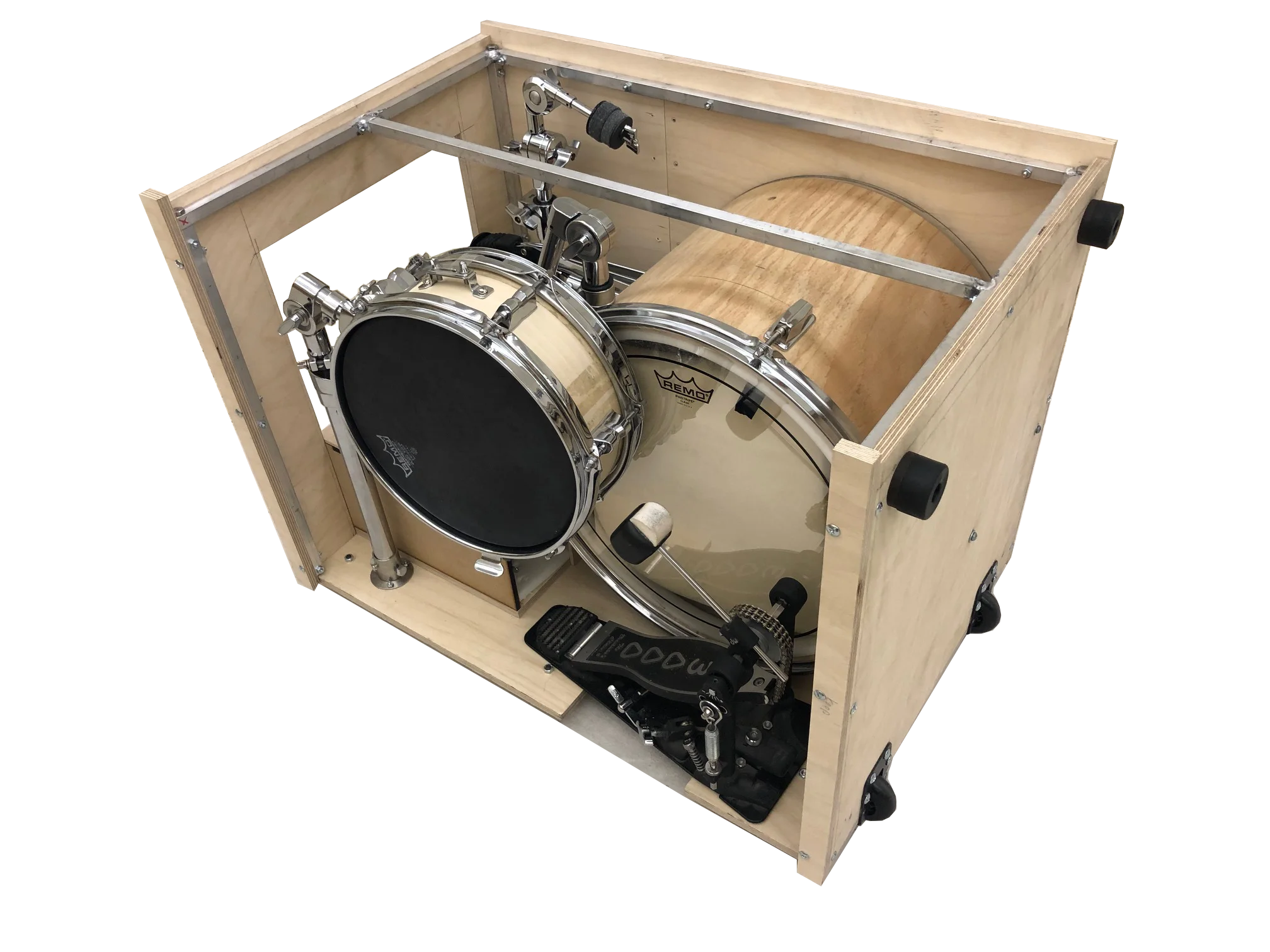
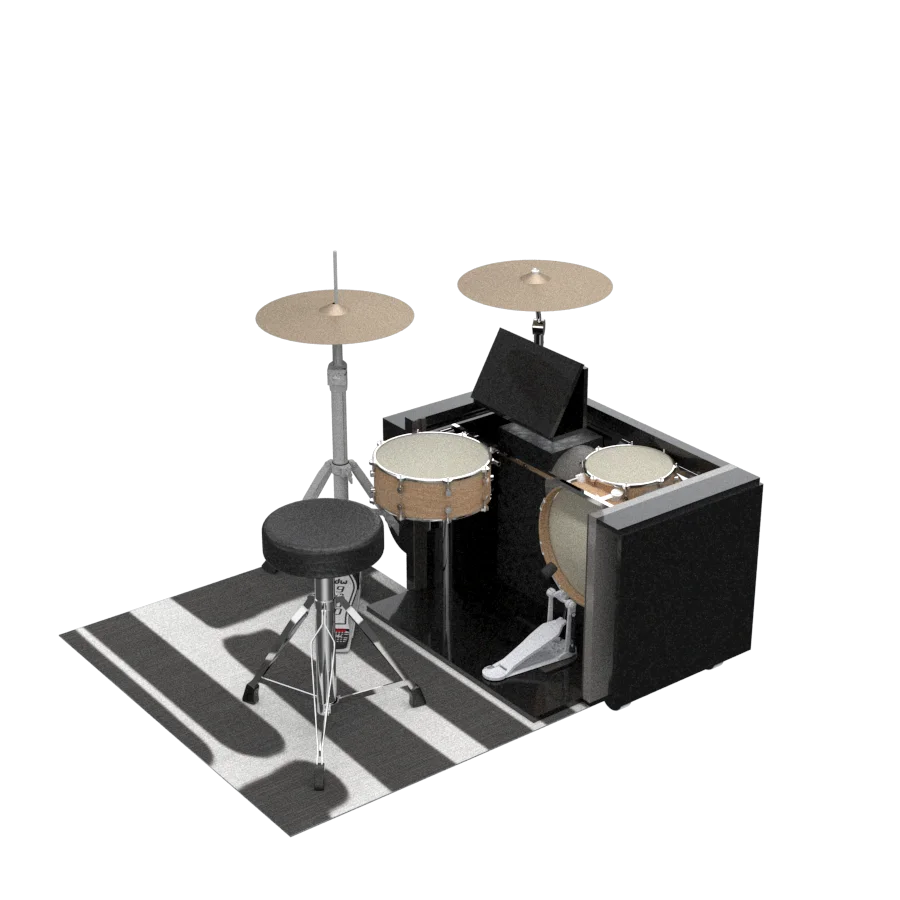
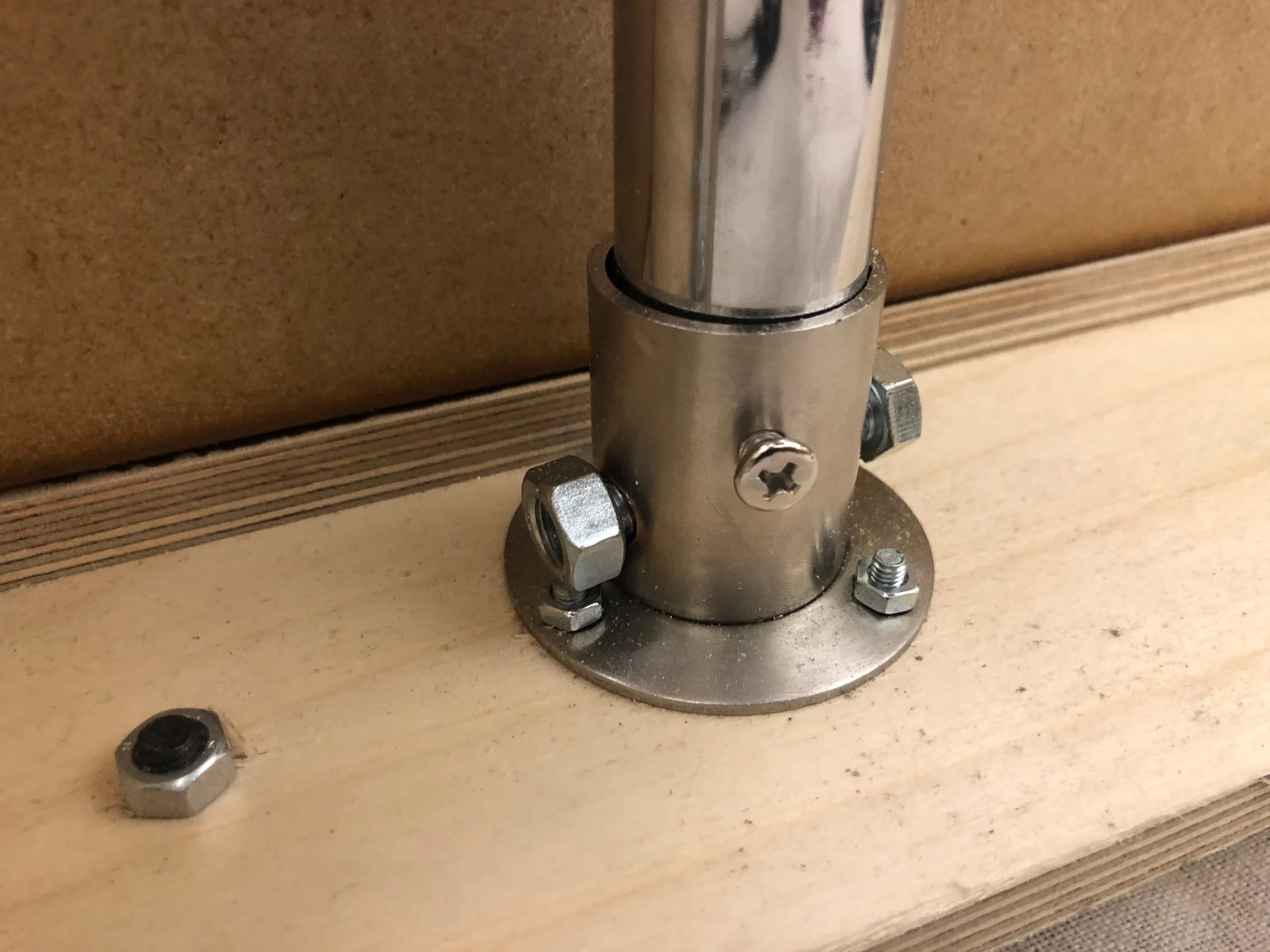
BEAT BOX addresses the difficulty of storing and transporting a complete drum kit, combining the footprint of a full set, the protection of a road case, and the compactness of a travel kit. The resulting prototype fits in a car trunk while retaining the sound, spacing, and playability of a conventional drum set.
Click any image to view full size
A compact in-tent air filtration system for wildland firefighters and other frontline workers exposed to smoke, designed to improve rest and reduce long-term exposure during deployments. Its exploded assembly integrates a filter, high-output fan, rechargeable battery, aluminum shell, hanging hook, and simple controls into a portable unit.
Click any image to view full size
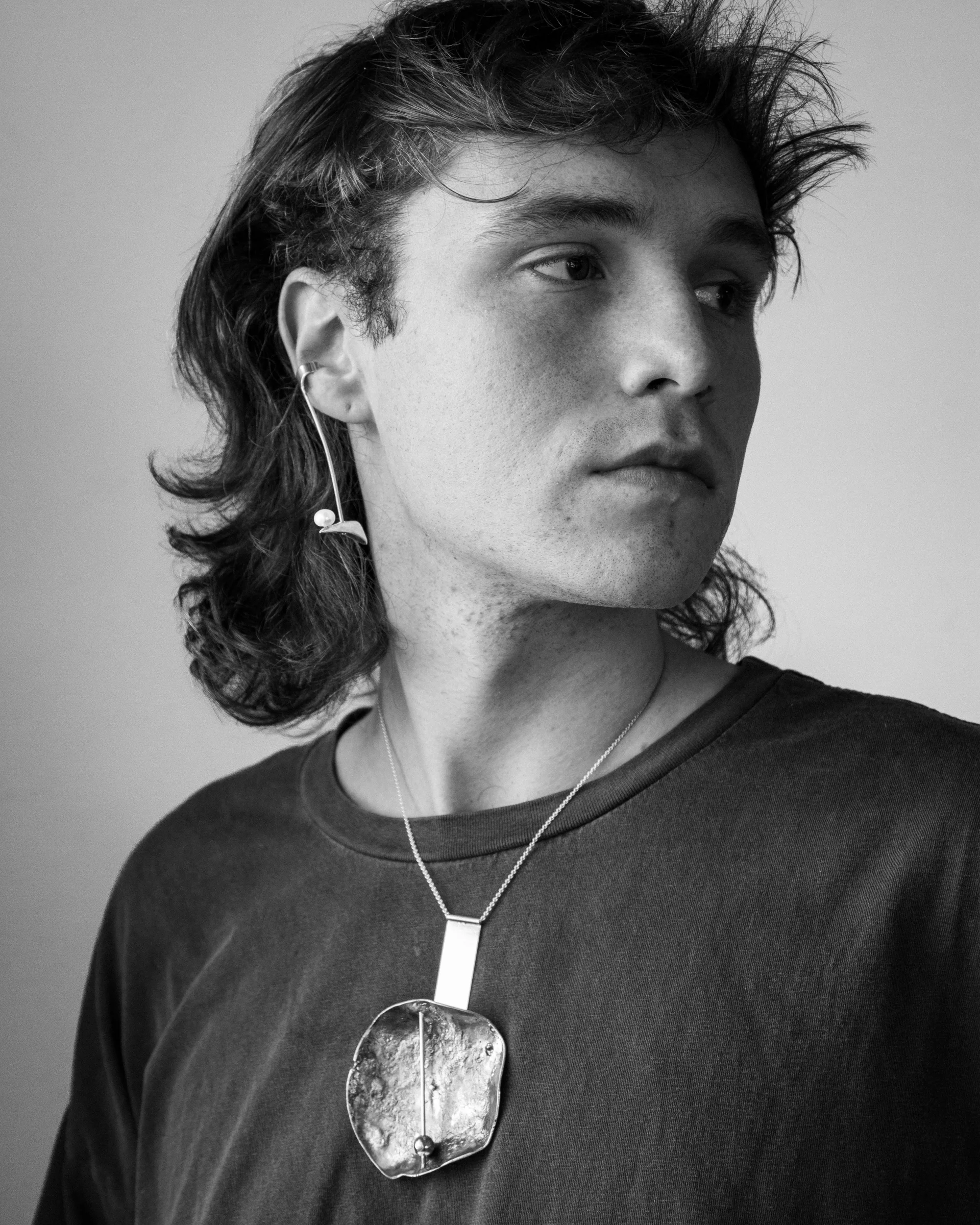
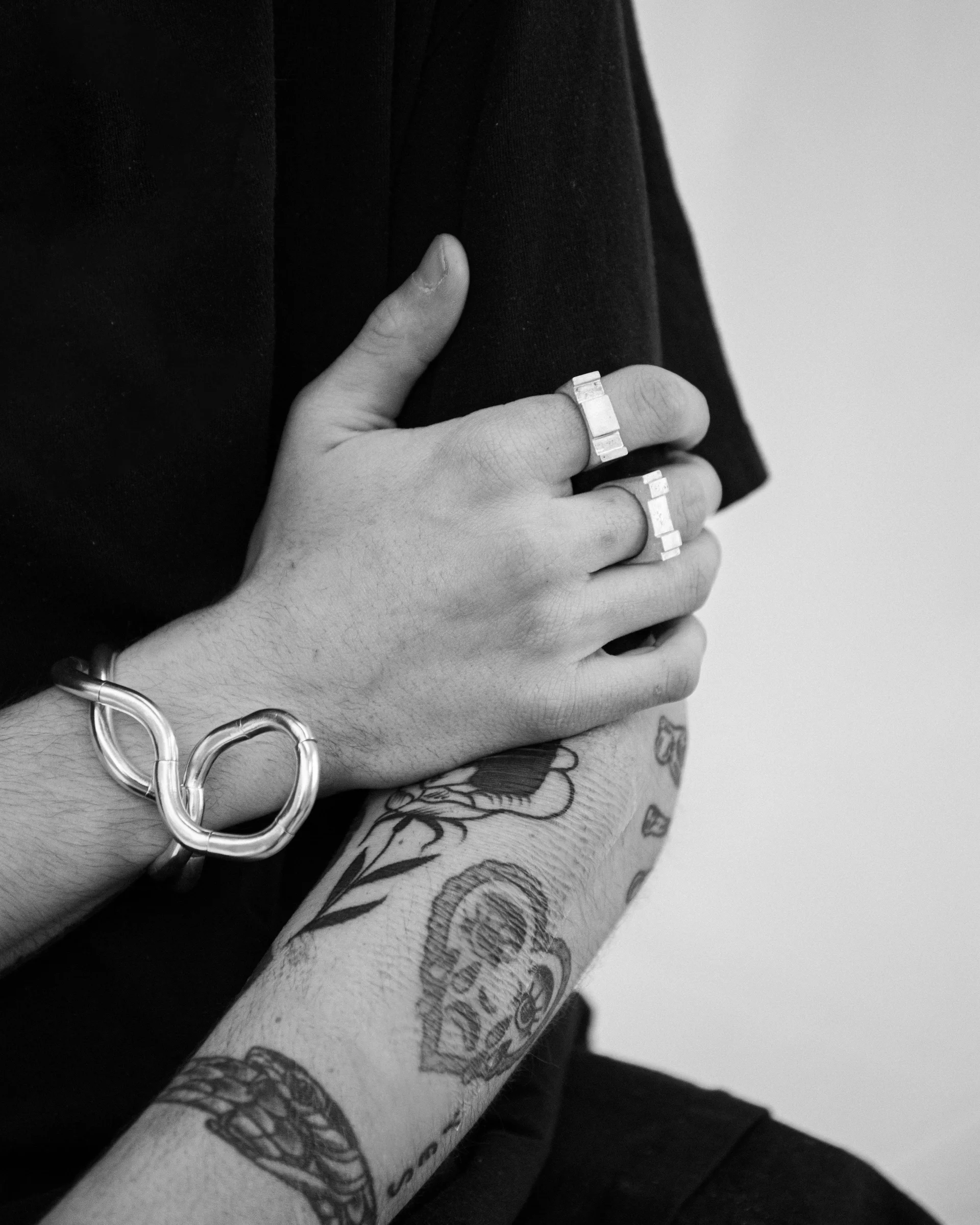
A line of sterling-silver fidget jewelry created for adults with ADHD, dyslexia, and related attention needs. Rings, necklaces, bracelets, and earrings provide discreet tactile movement while remaining appropriate for professional and social settings, reframing an assistive behavior as something elegant and personally meaningful.
Click any image to view full size
Rescue Light
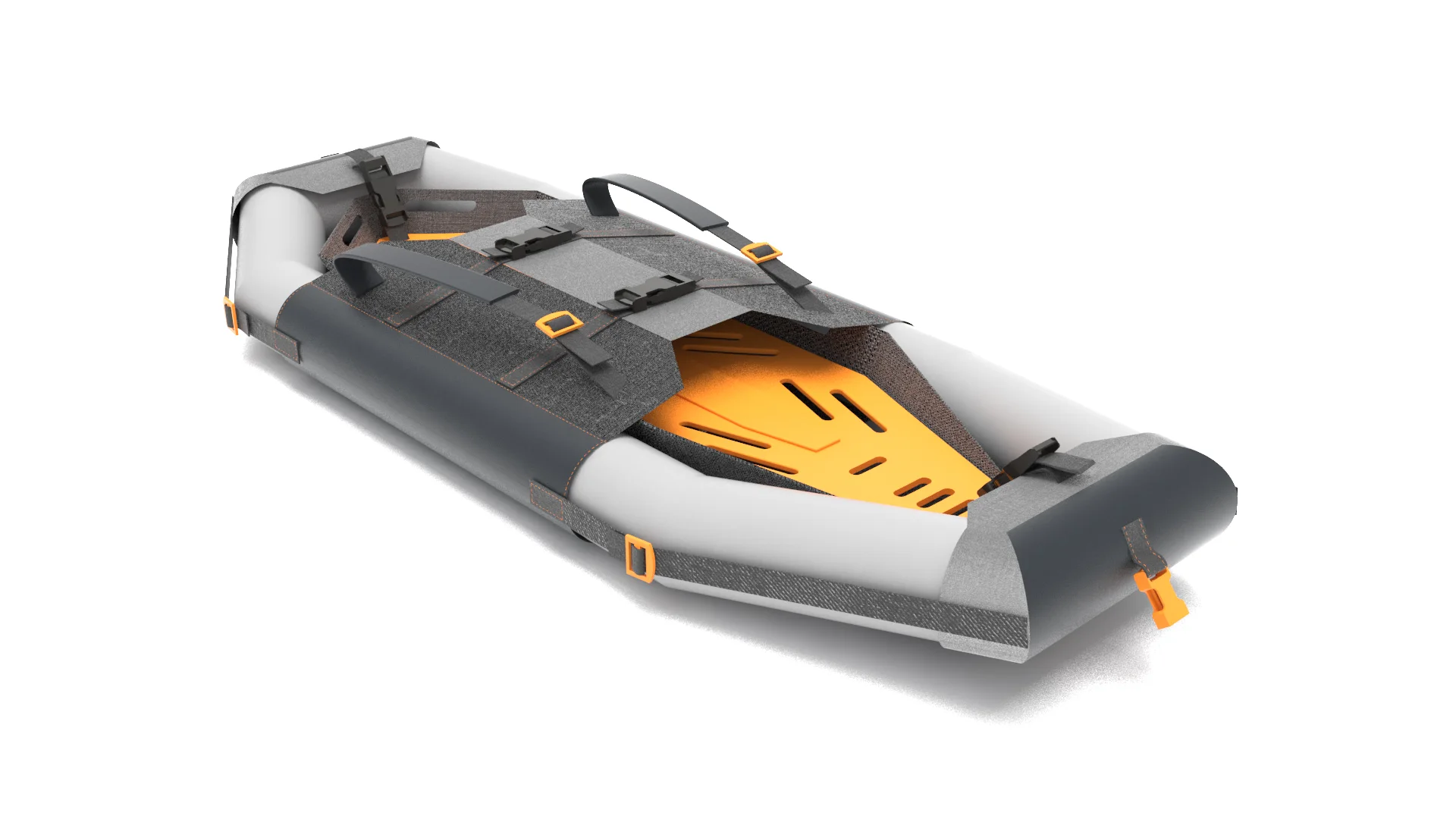
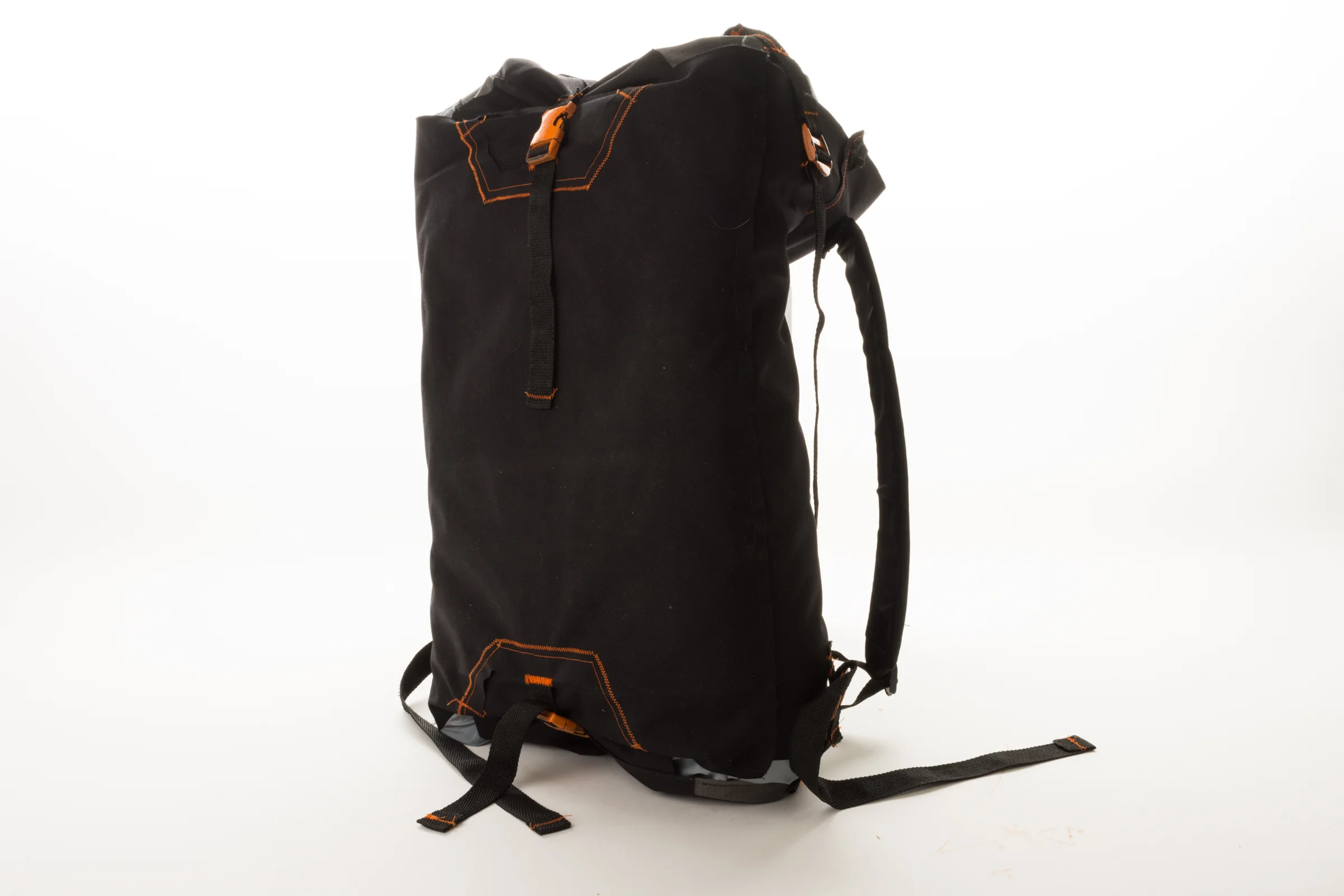
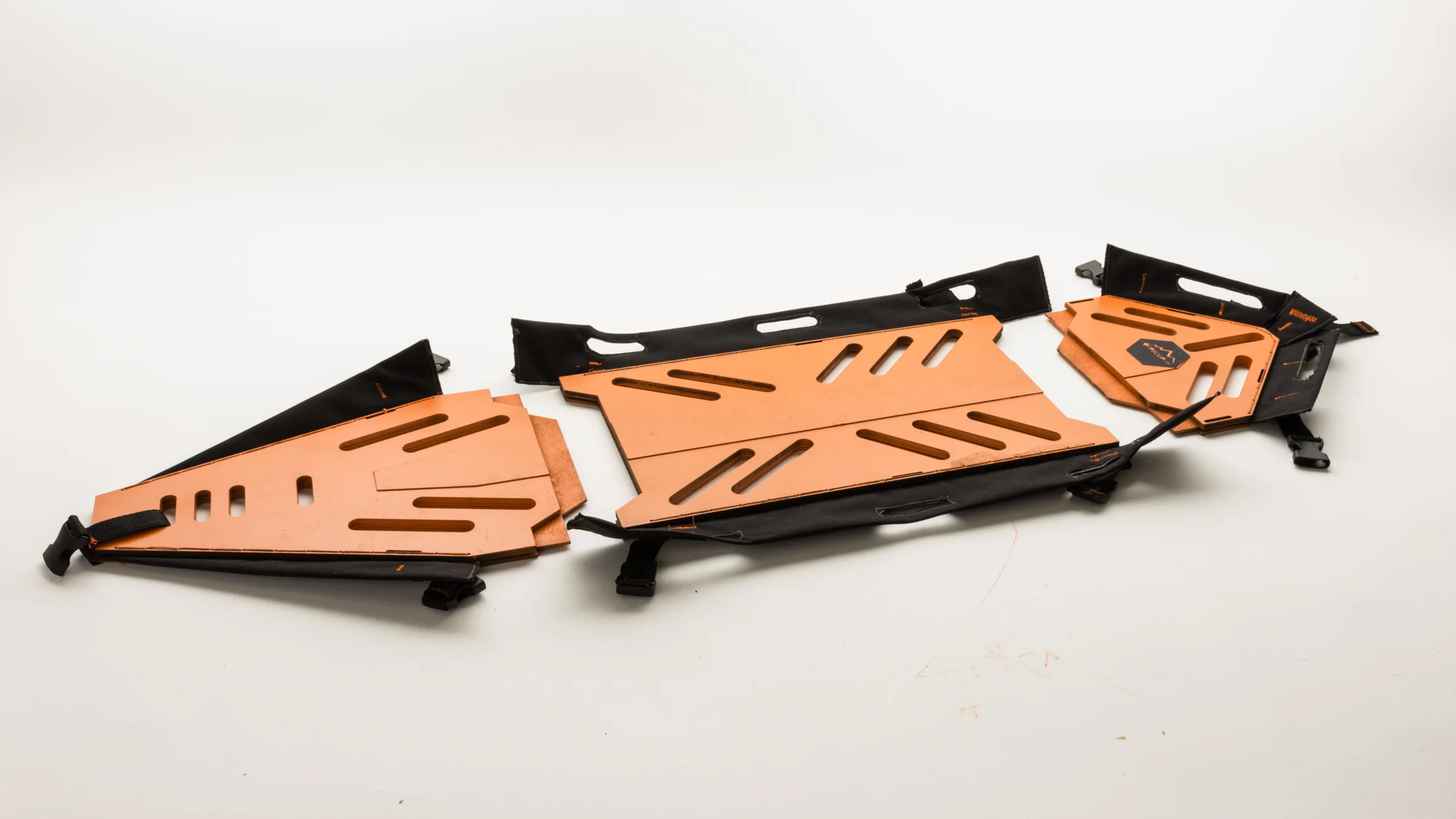
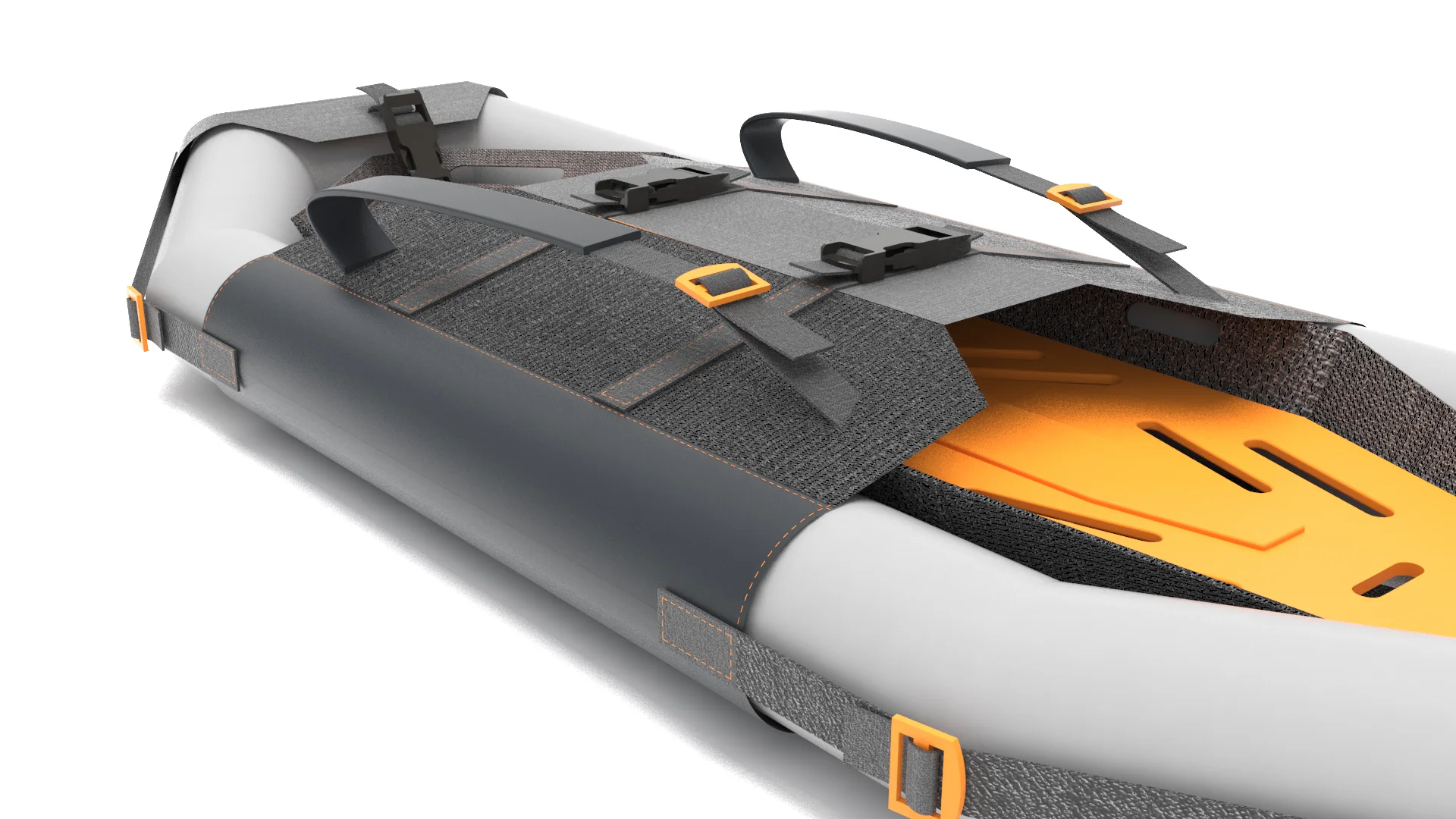
A lightweight, collapsible winter rescue sled designed for faster response and easier transport across advanced and backcountry terrain. An inflatable sled supports patient comfort and packs into a wearable backpack when not deployed, reducing the need for two-person handling and accepting a standard stretcher insert for transfer between emergency-care settings.
Click any image to view full size
02 | Group
Furniture
Furniture systems exploring modularity, material honesty, and the social and cultural meaning of everyday objects.
Frank Furniture
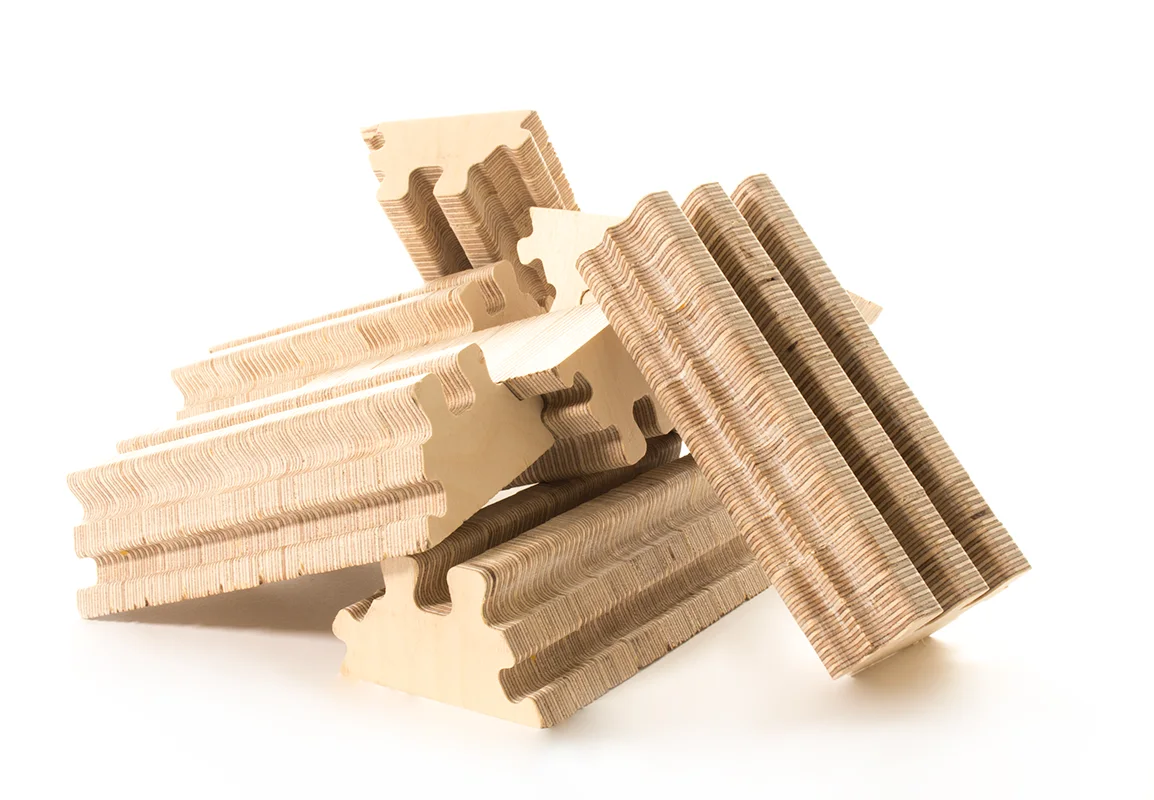
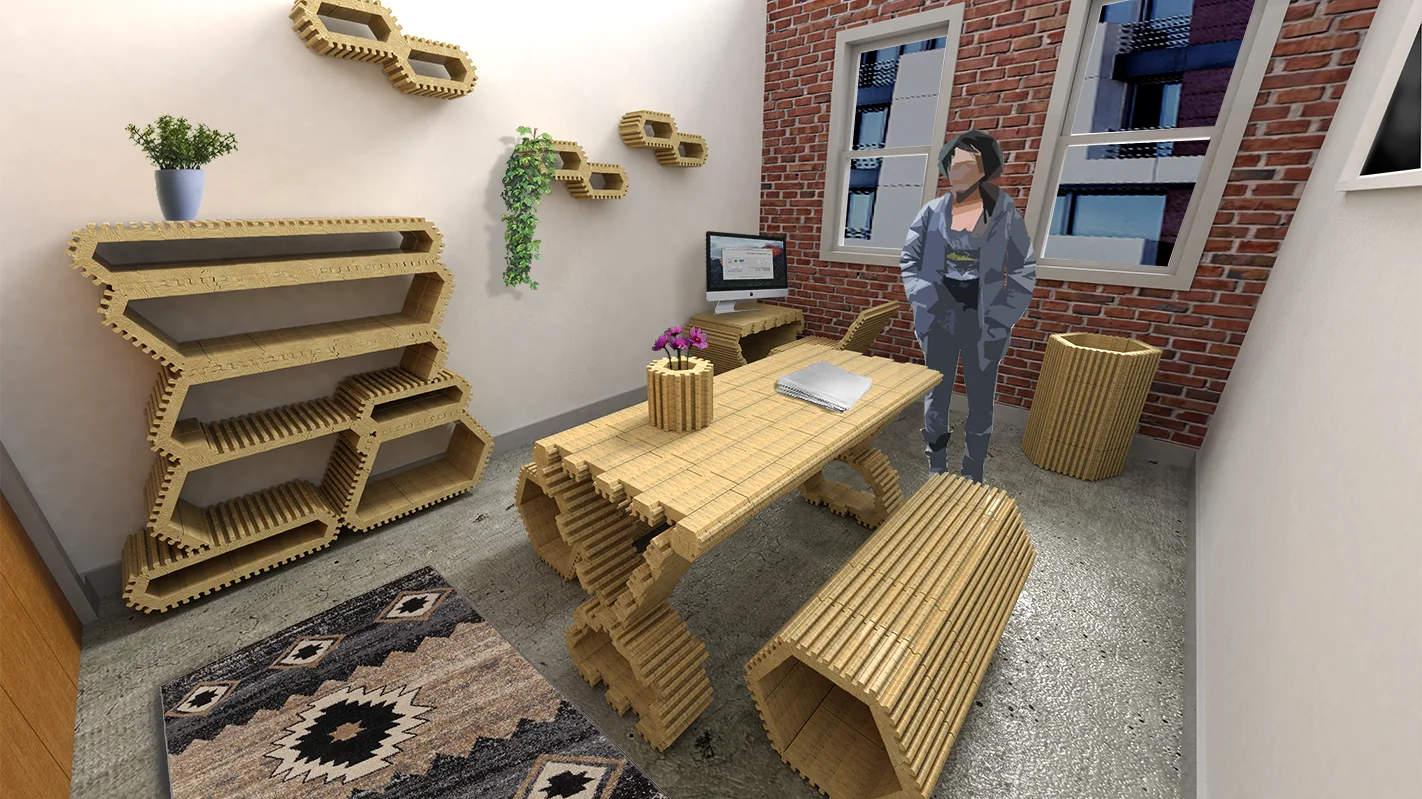
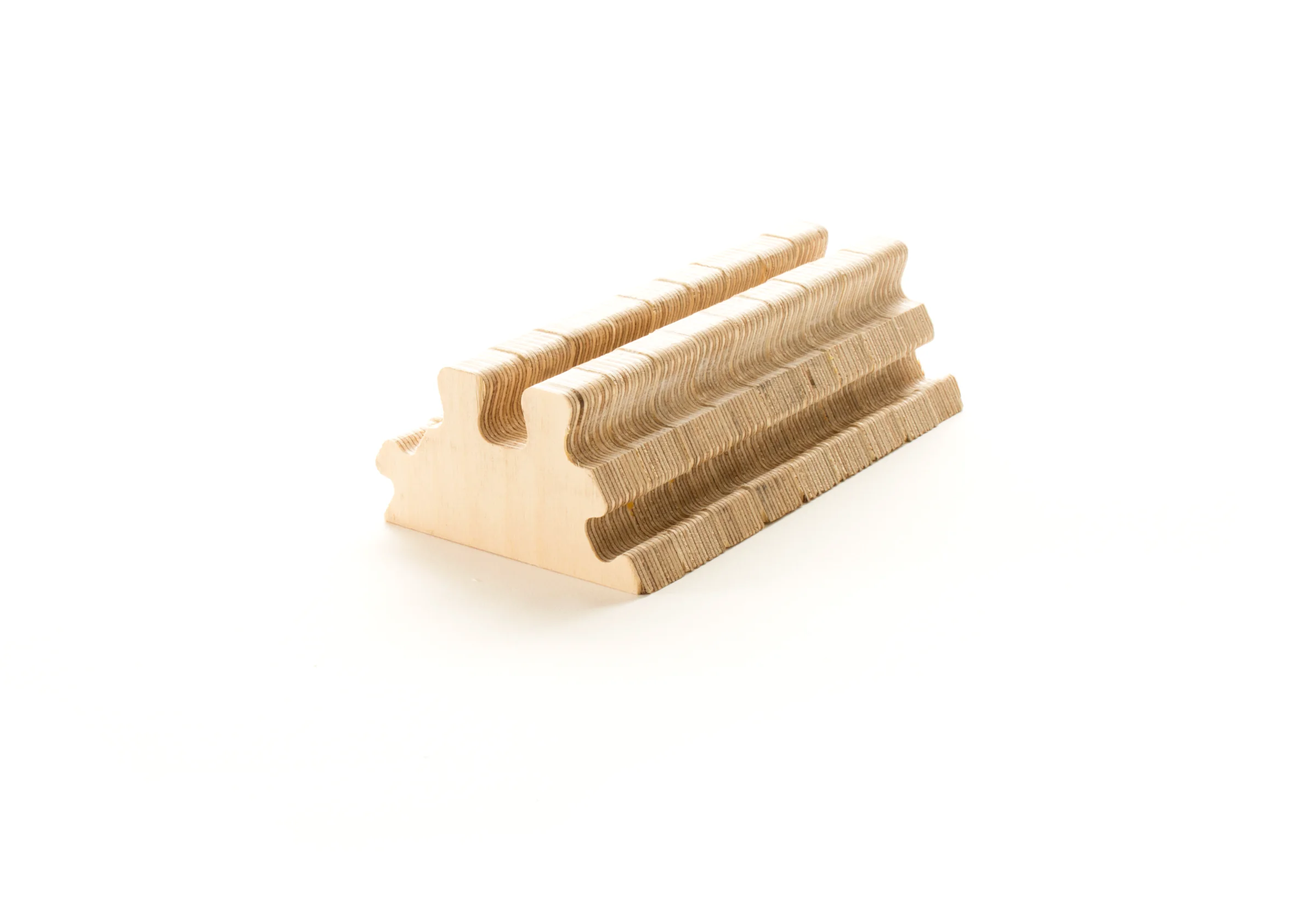
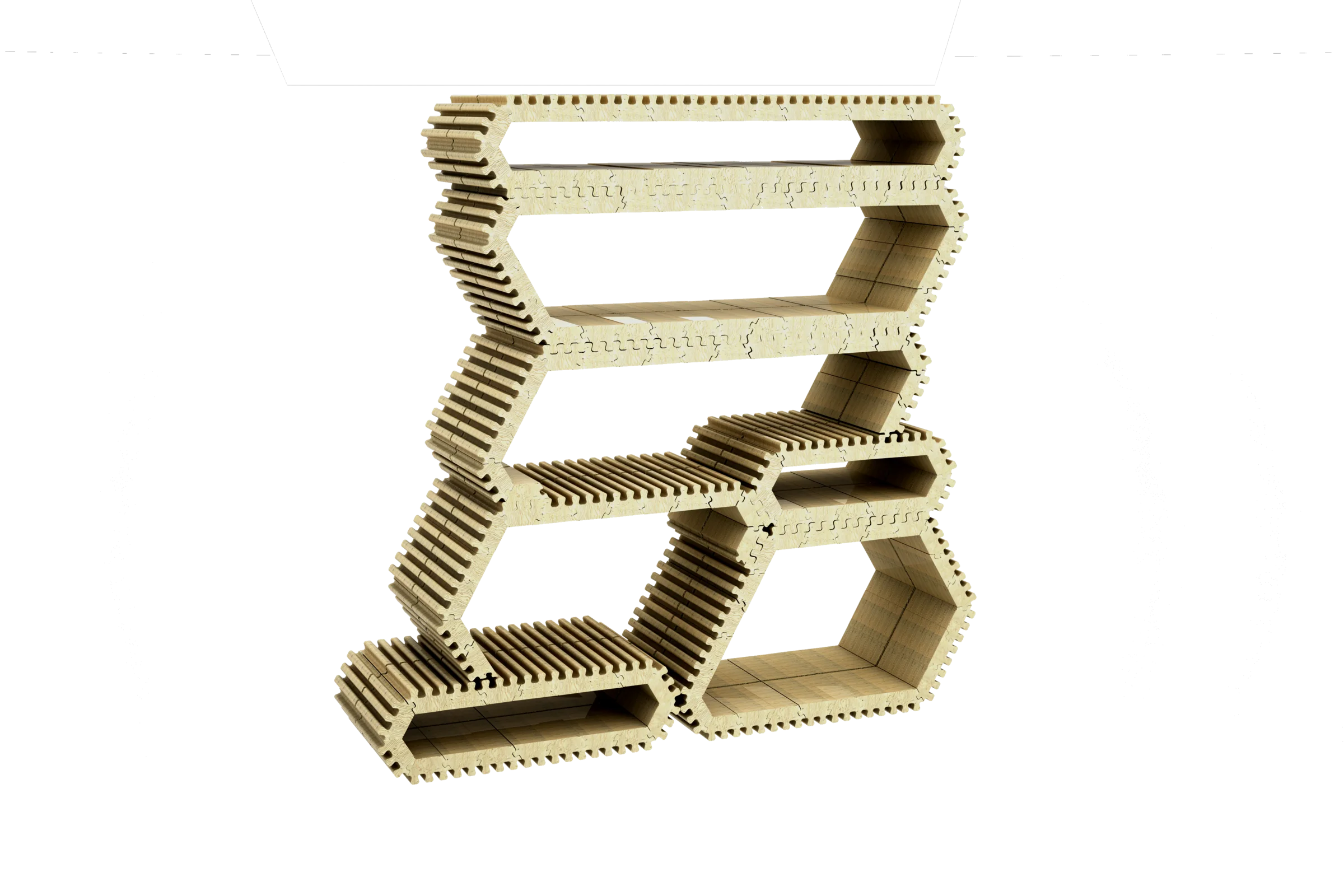
Frank Furniture responds to the waste generated by short-term living and frequently discarded furniture. Two CNC-cut modular components join without external fasteners or tools to form shelves, desks, chairs, tables, benches, and larger assemblies that can be disassembled, reconfigured, transported, or shared.
Click any image to view full size
Dragonfly Table
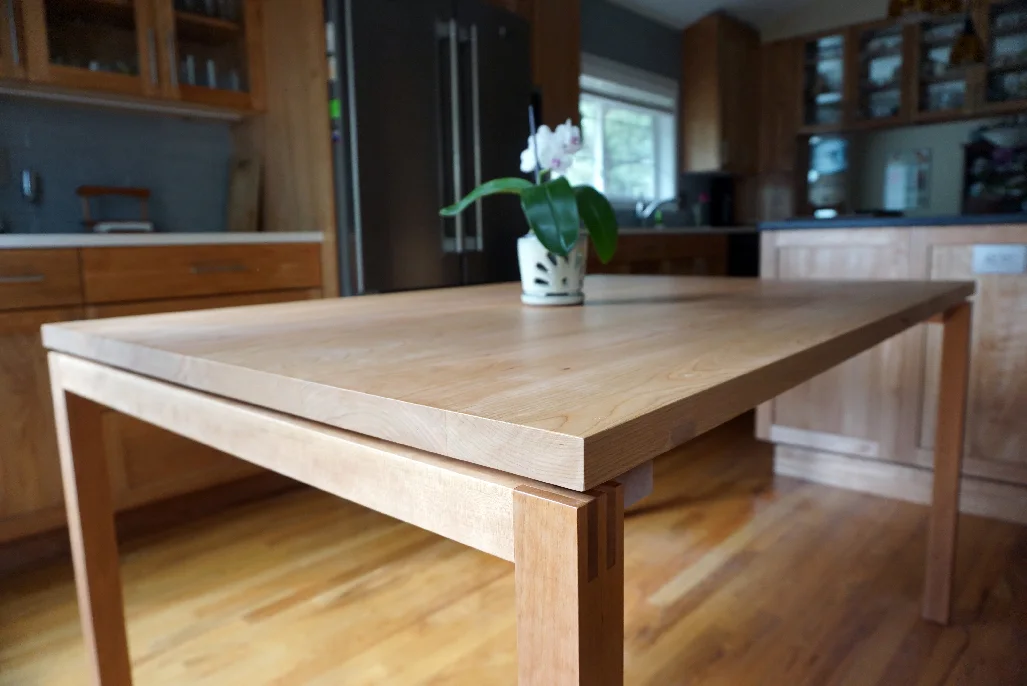
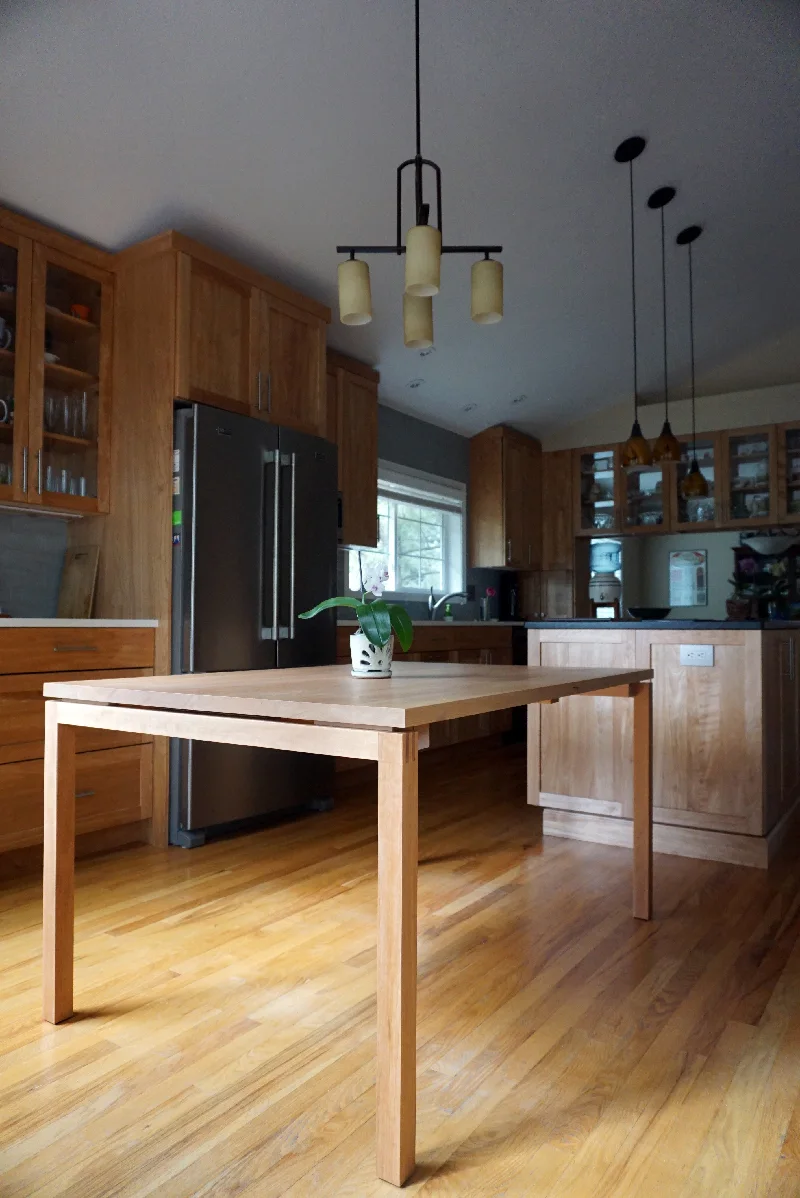
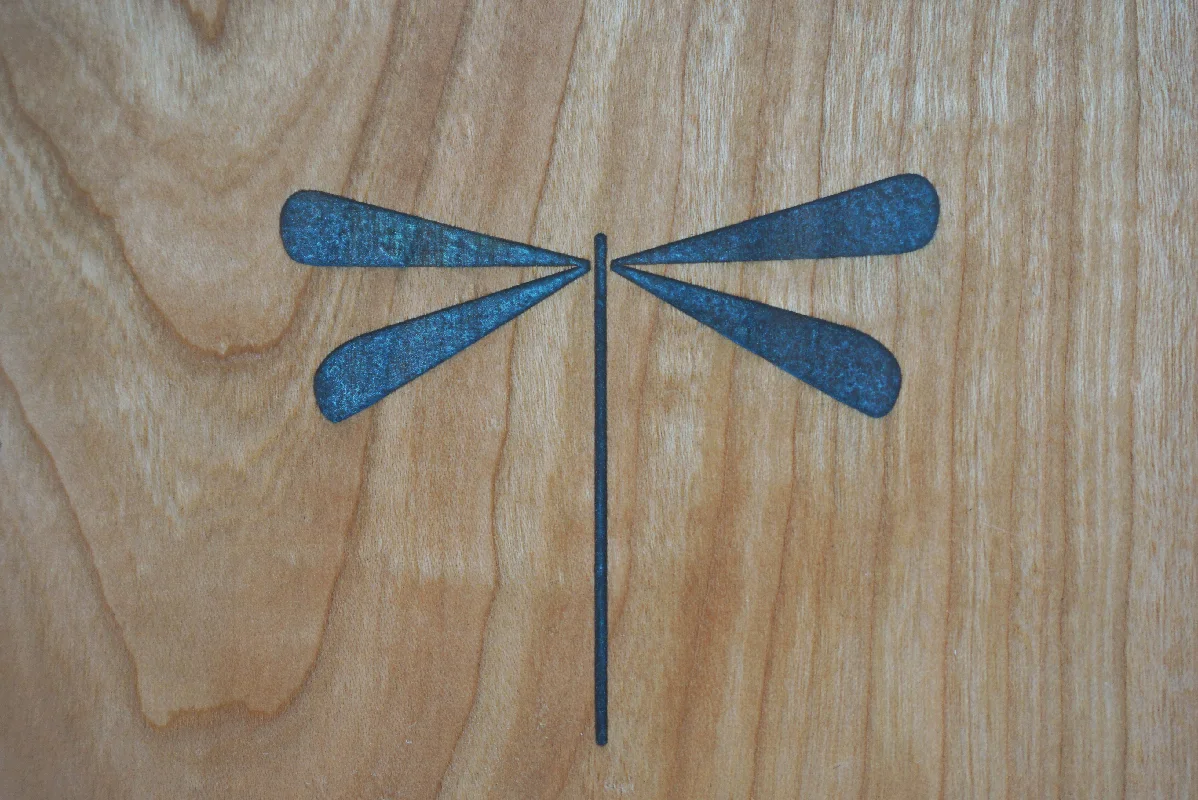
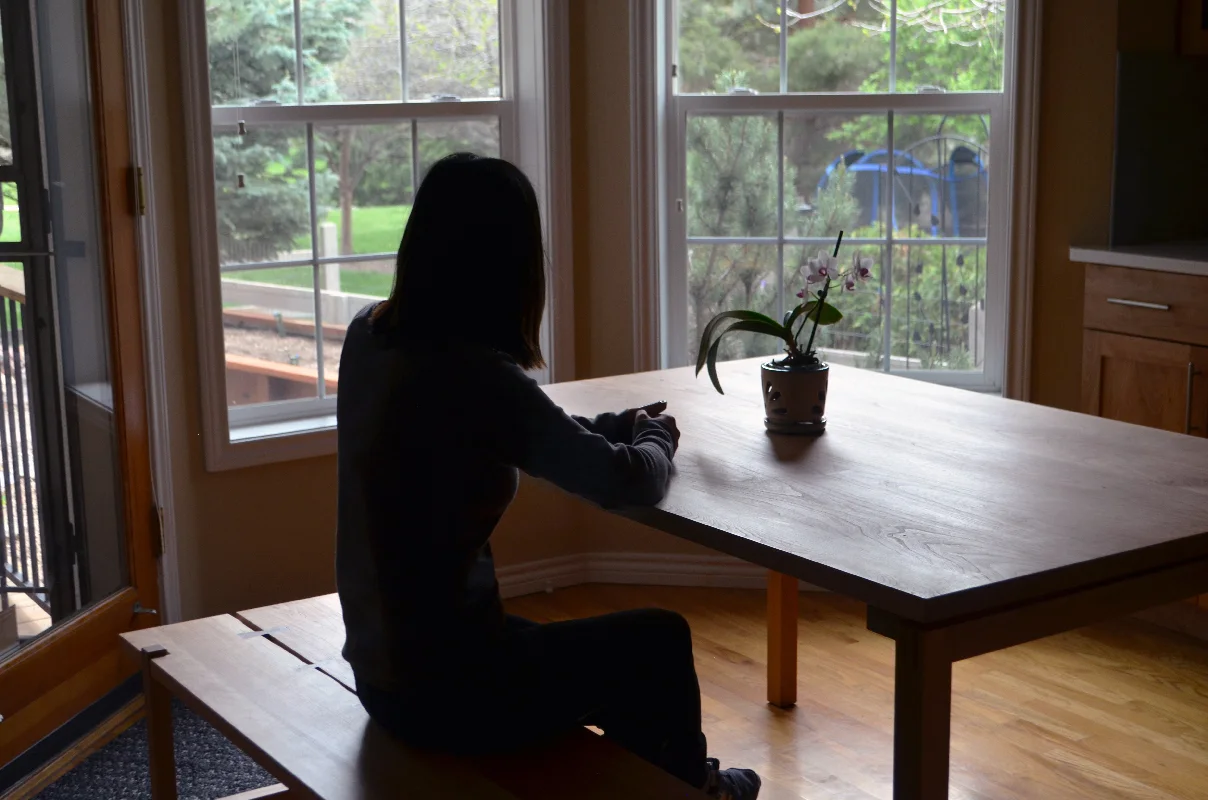
The Dragonfly dining set translates a family adoption story into contemporary furniture. Dragonfly inlays reference a moment associated with good fortune, happiness, and love, while the table and chairs combine precedents from Ming-dynasty furniture with a contemporary Chinese-American identity, built in solid cherry with traditional joinery.
Click any image to view full size
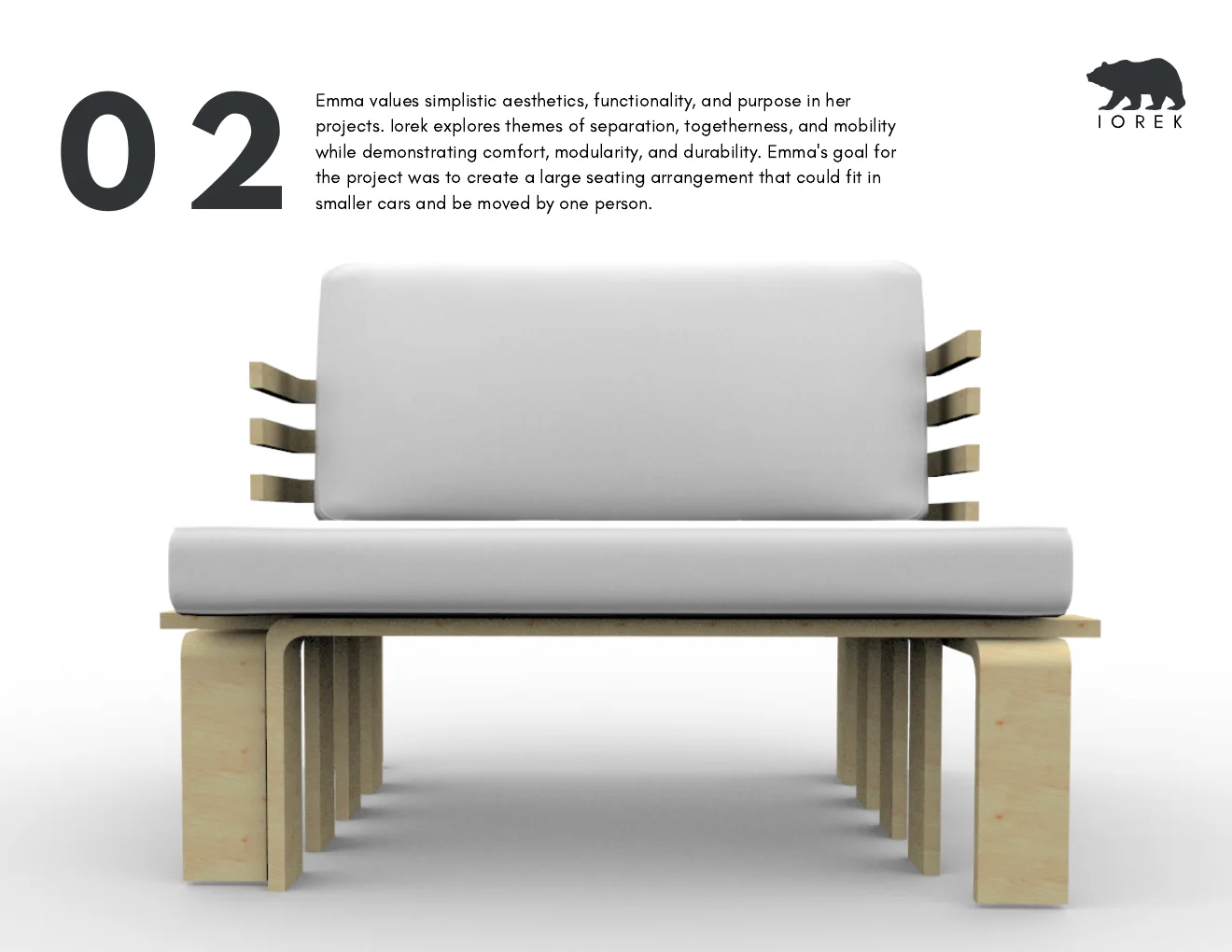
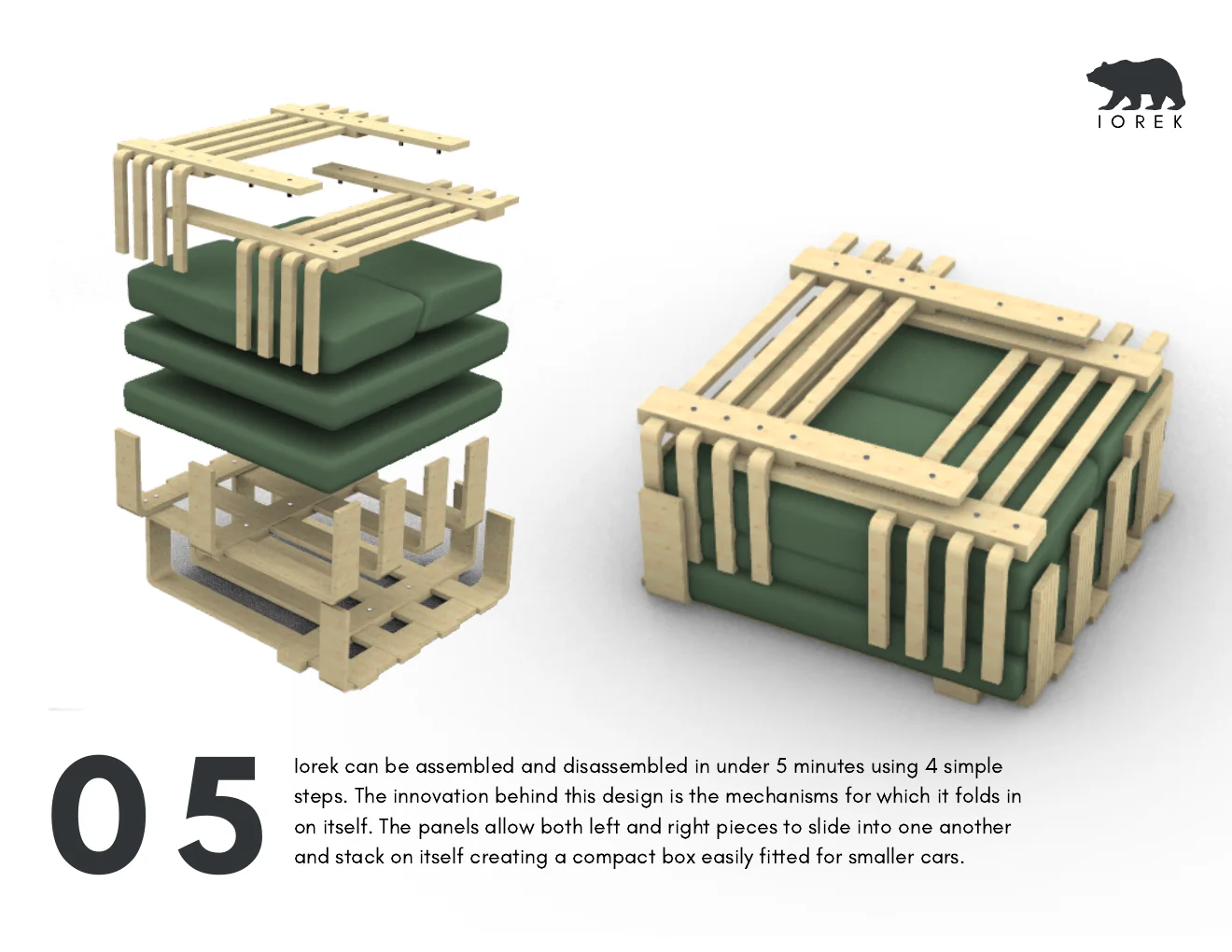
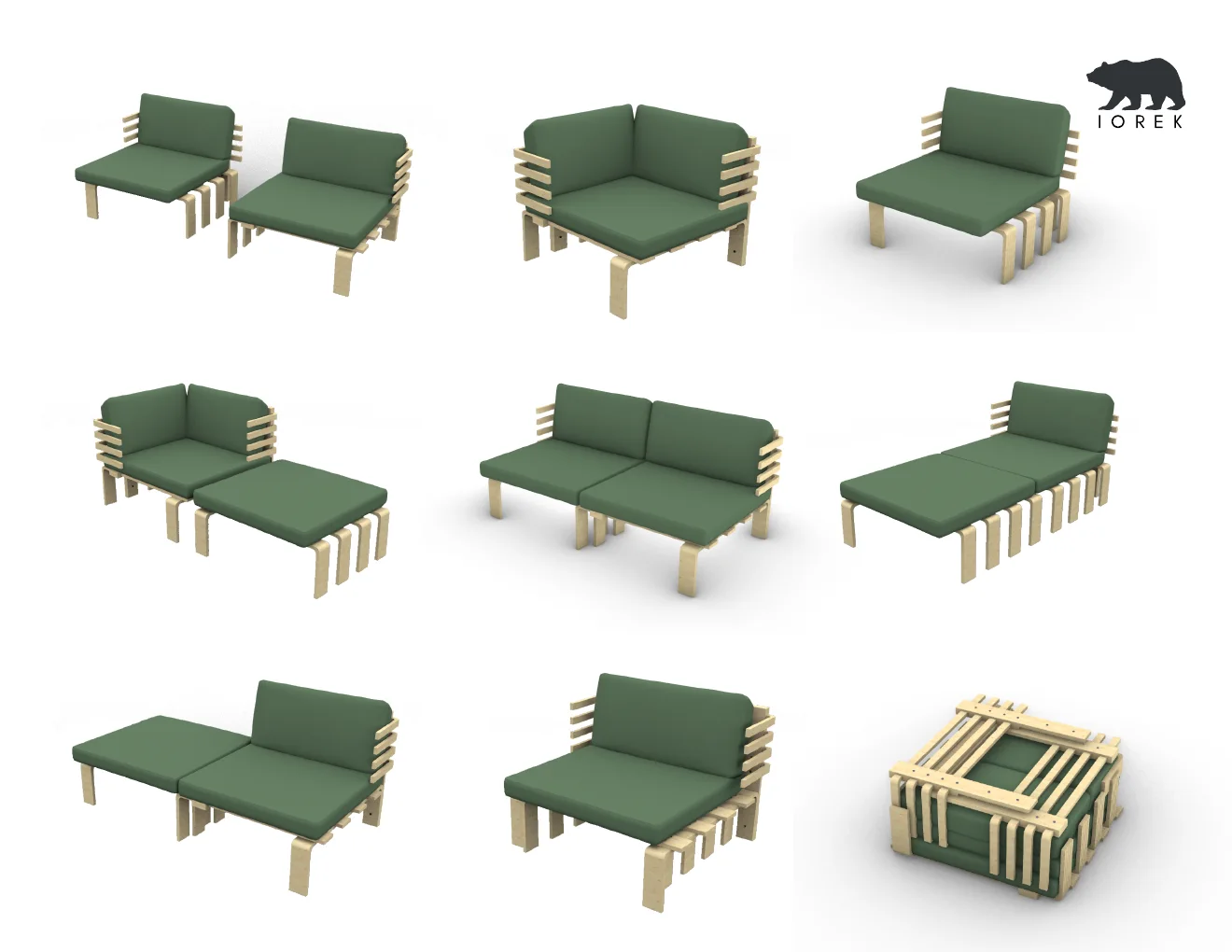
A modular seating system designed for young adults who move frequently and may rely on small vehicles. The system disassembles in minutes, nests into a compact box, and can be transported by one person, with interlocking panels, removable cushions, and customizable colors and layouts adapting the system to a new home.
Click any image to view full size
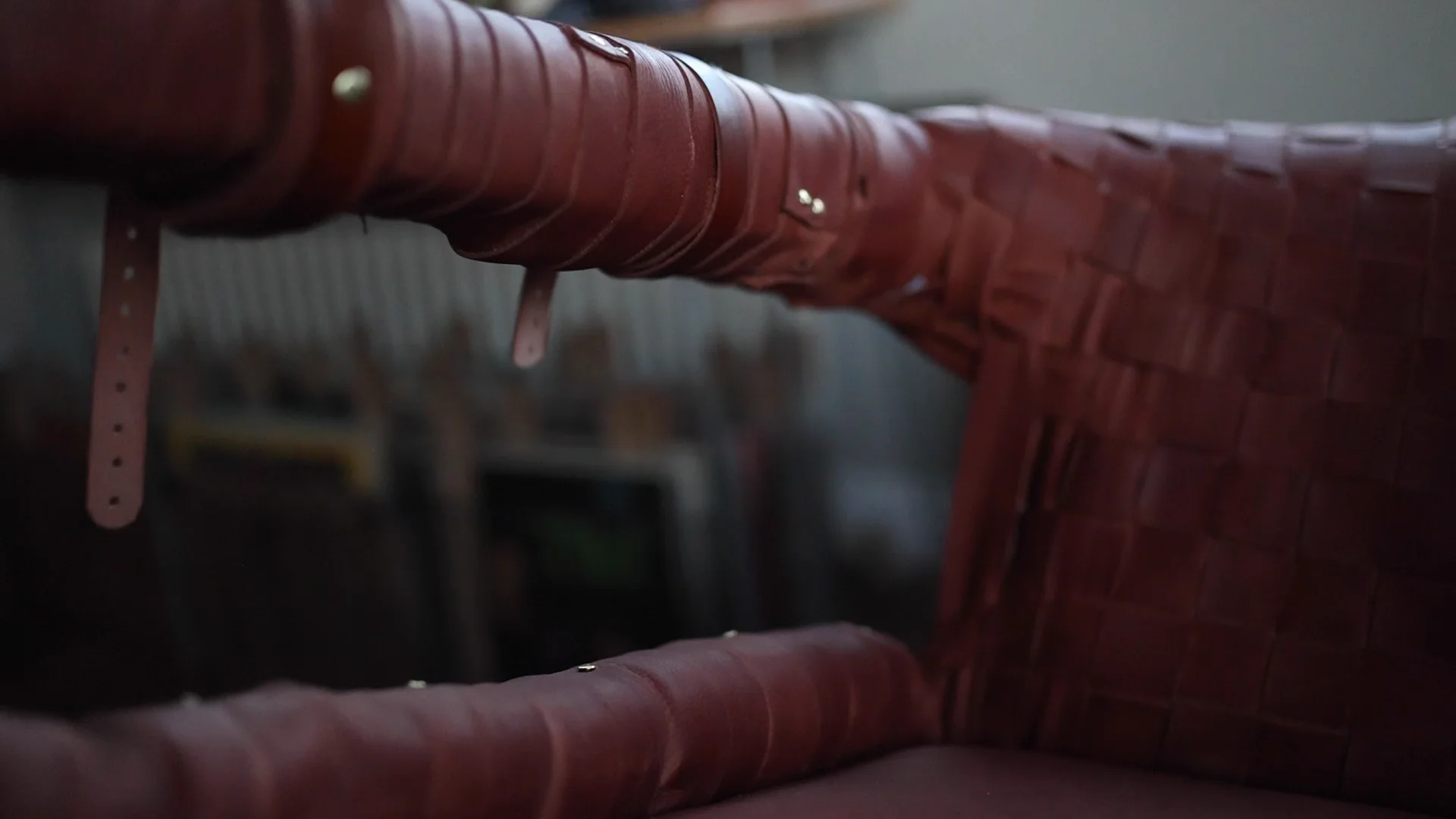
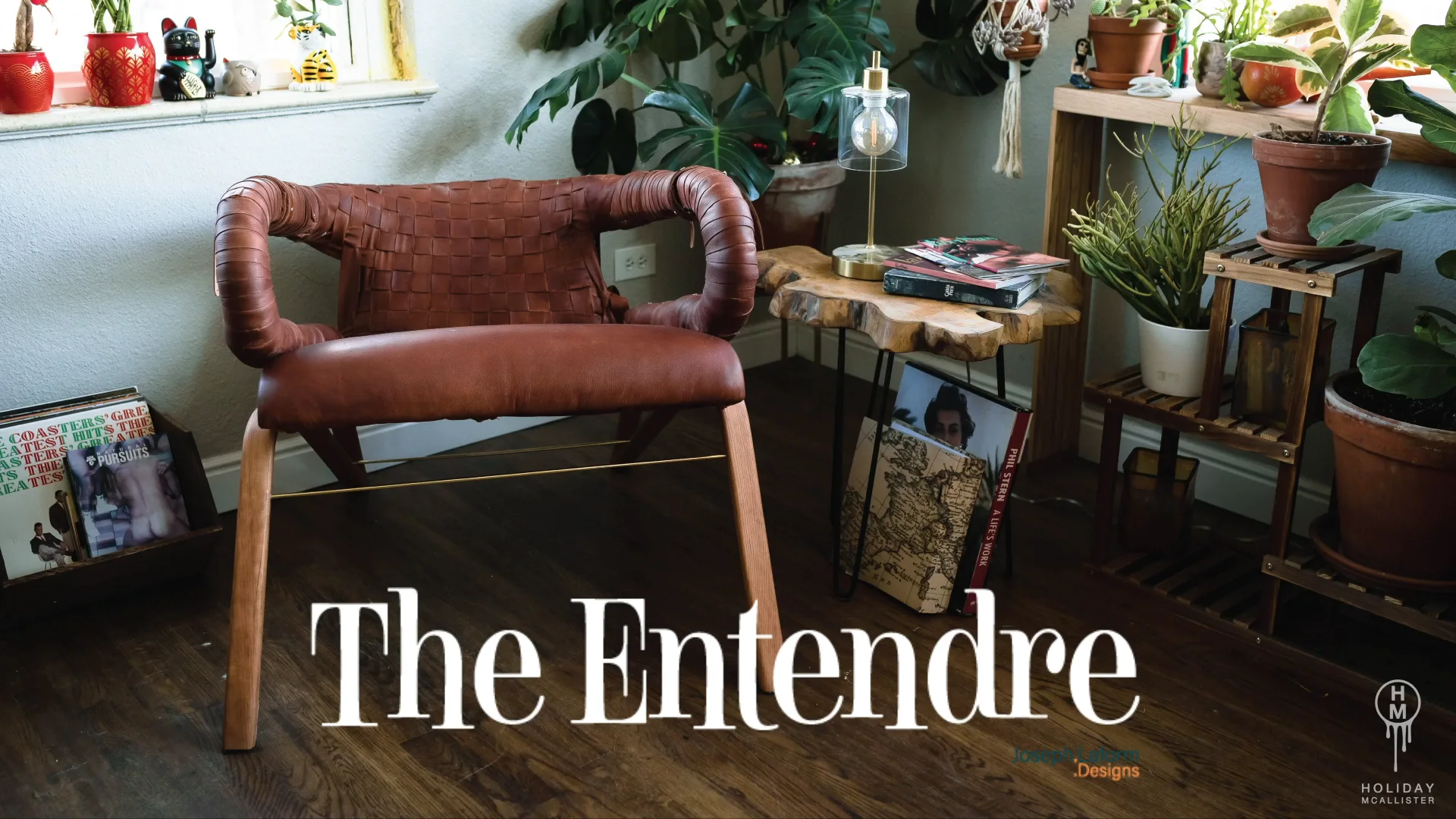
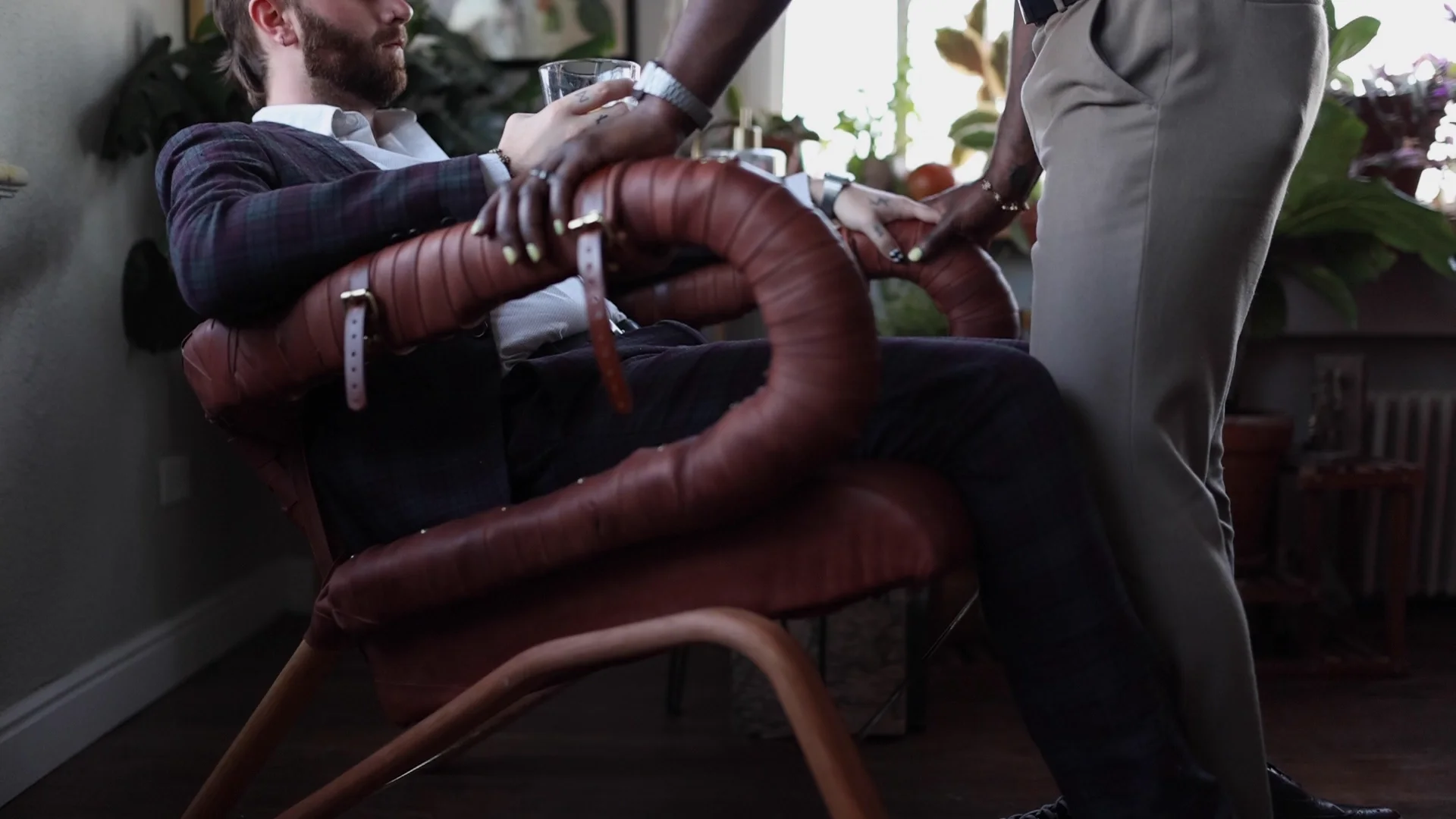
The Entendre Chair uses multifunctional furniture to open a conversation about intimacy, privacy, and sex-positive domestic life. Its mid-century-inspired form operates as a comfortable lounge chair while supporting more intimate uses, treating playfulness and sexual expression as legitimate subjects of home design.
Click any image to view full size
Co-instructor: Melissa Felderman
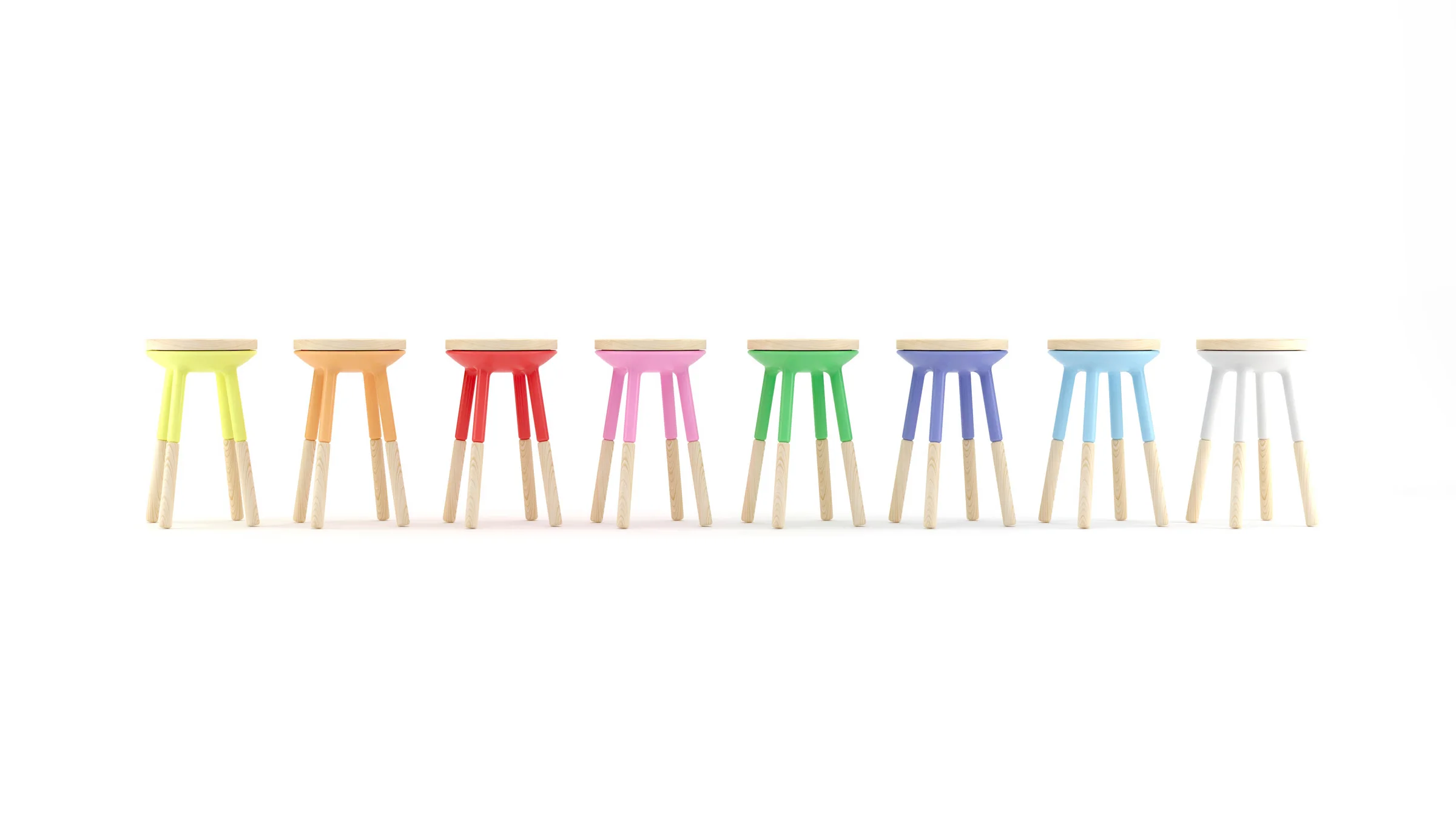
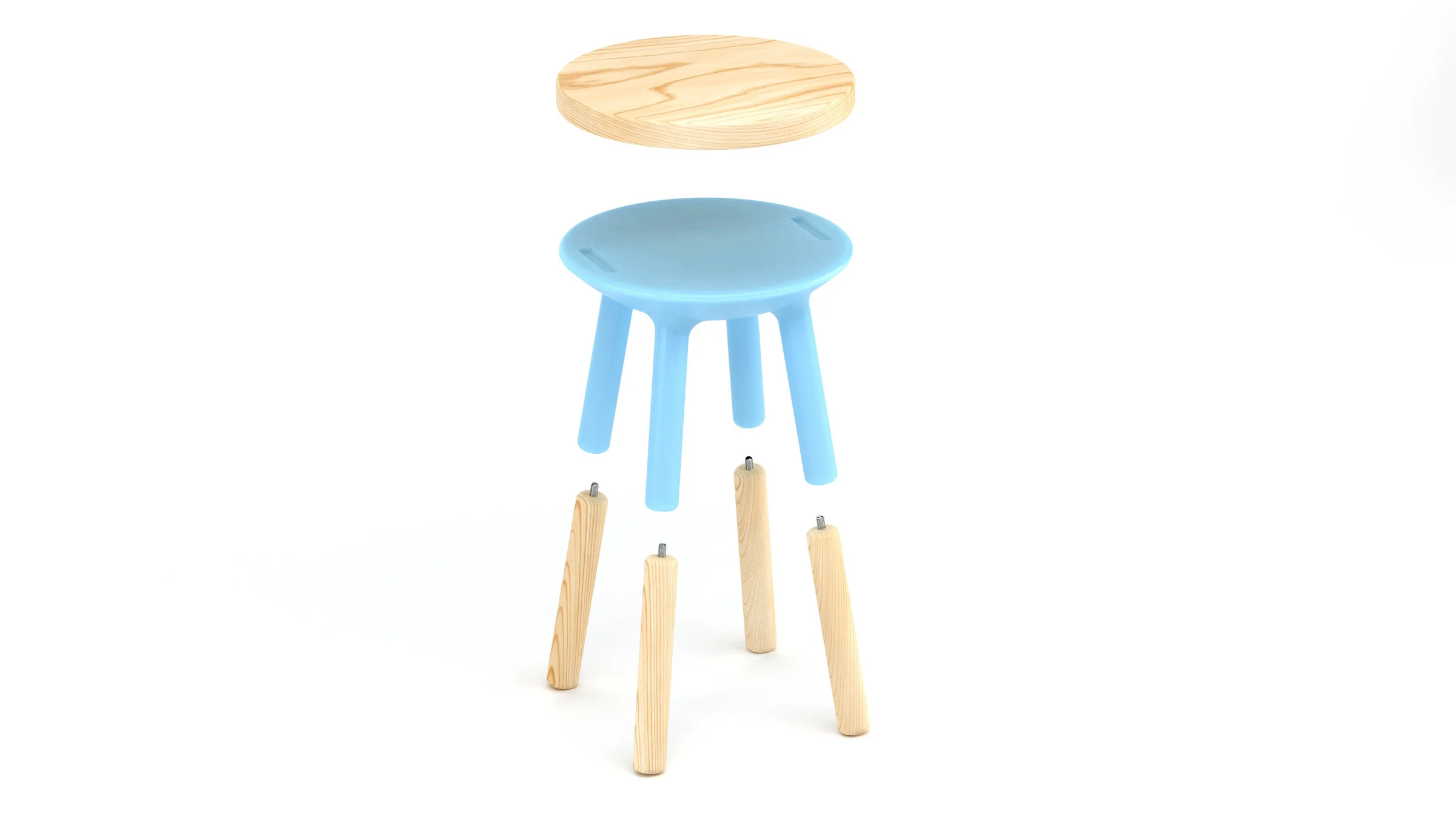
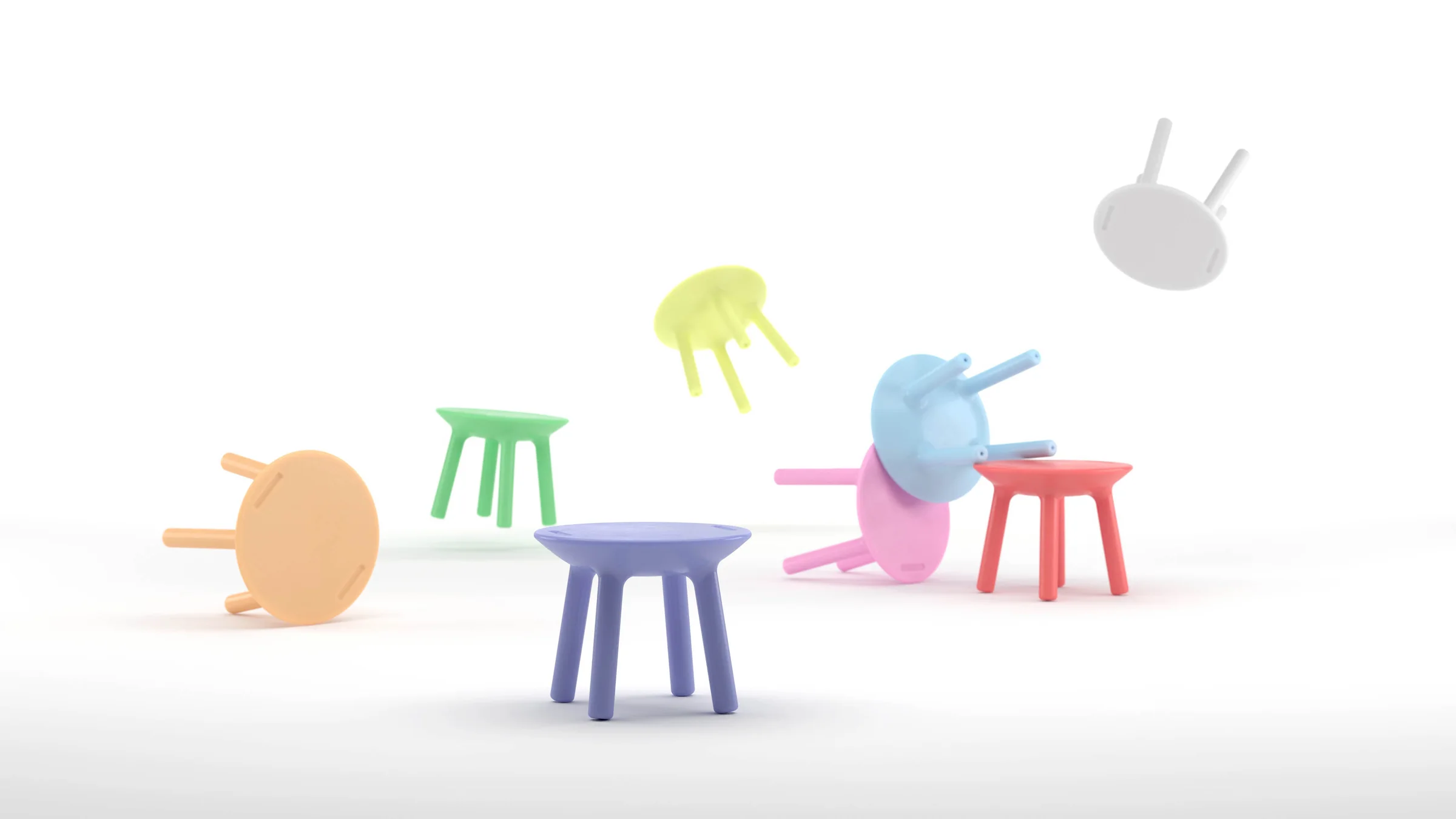
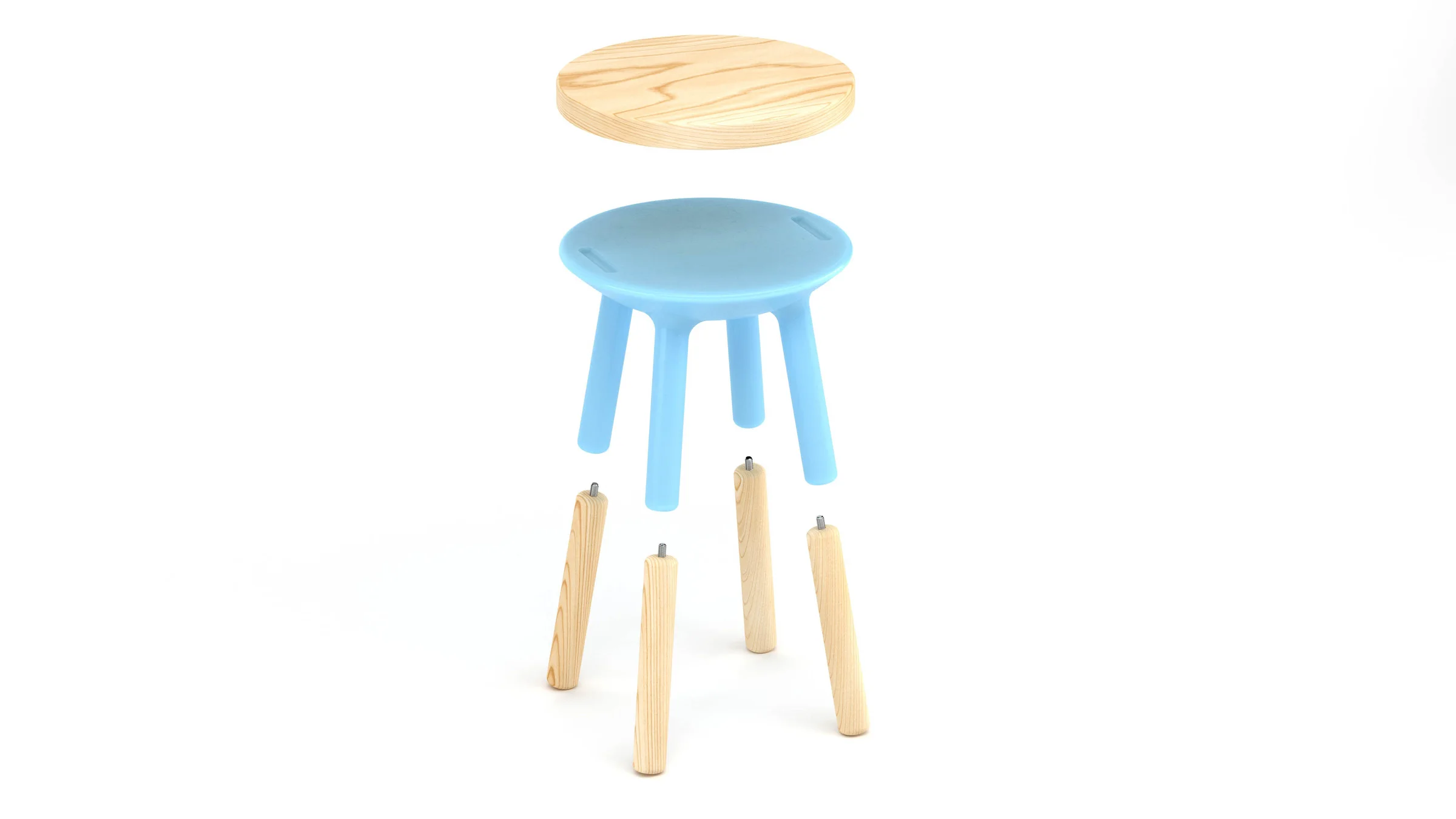
A configurable stool system that pairs a simple circular seat with interchangeable leg components and brightly colored connection details. The family of variants demonstrates how a consistent kit of parts can support personalization without changing the underlying construction logic.
Click any image to view full size
03 | Group
Graphic Design and Packaging
Editorial, identity, and packaging systems that treat communication as integral to the design rather than documentation added afterward.
Security through Insecurity
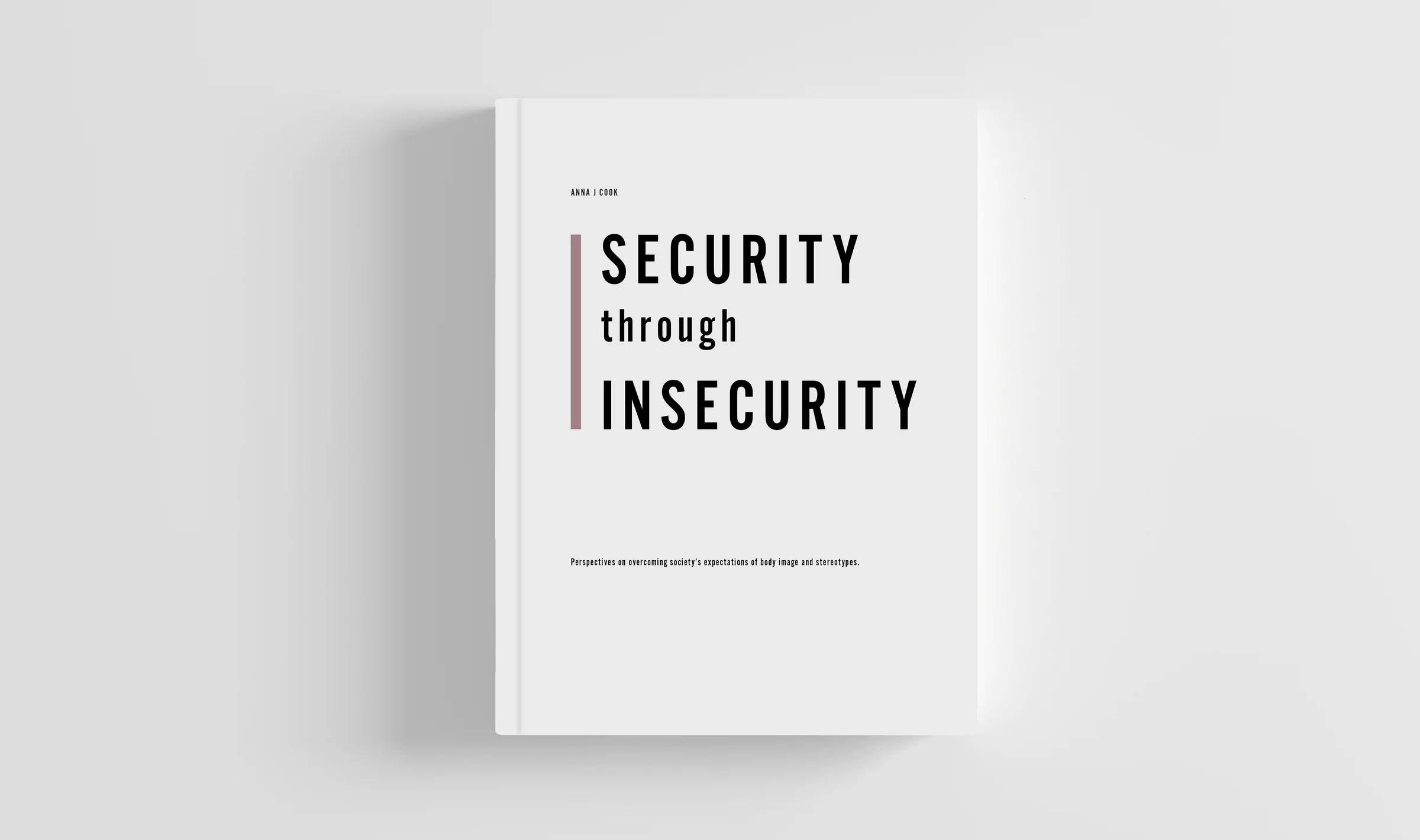
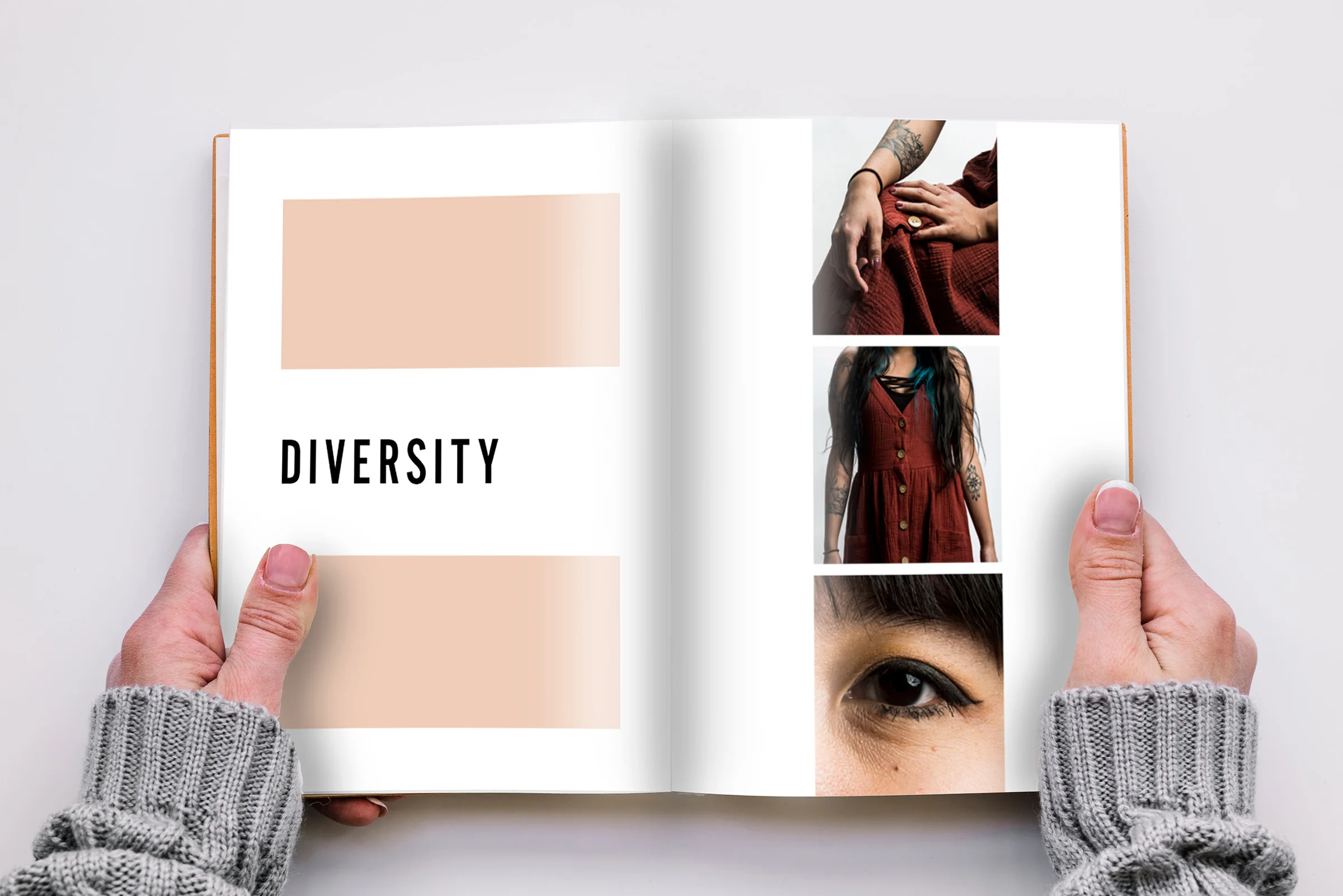
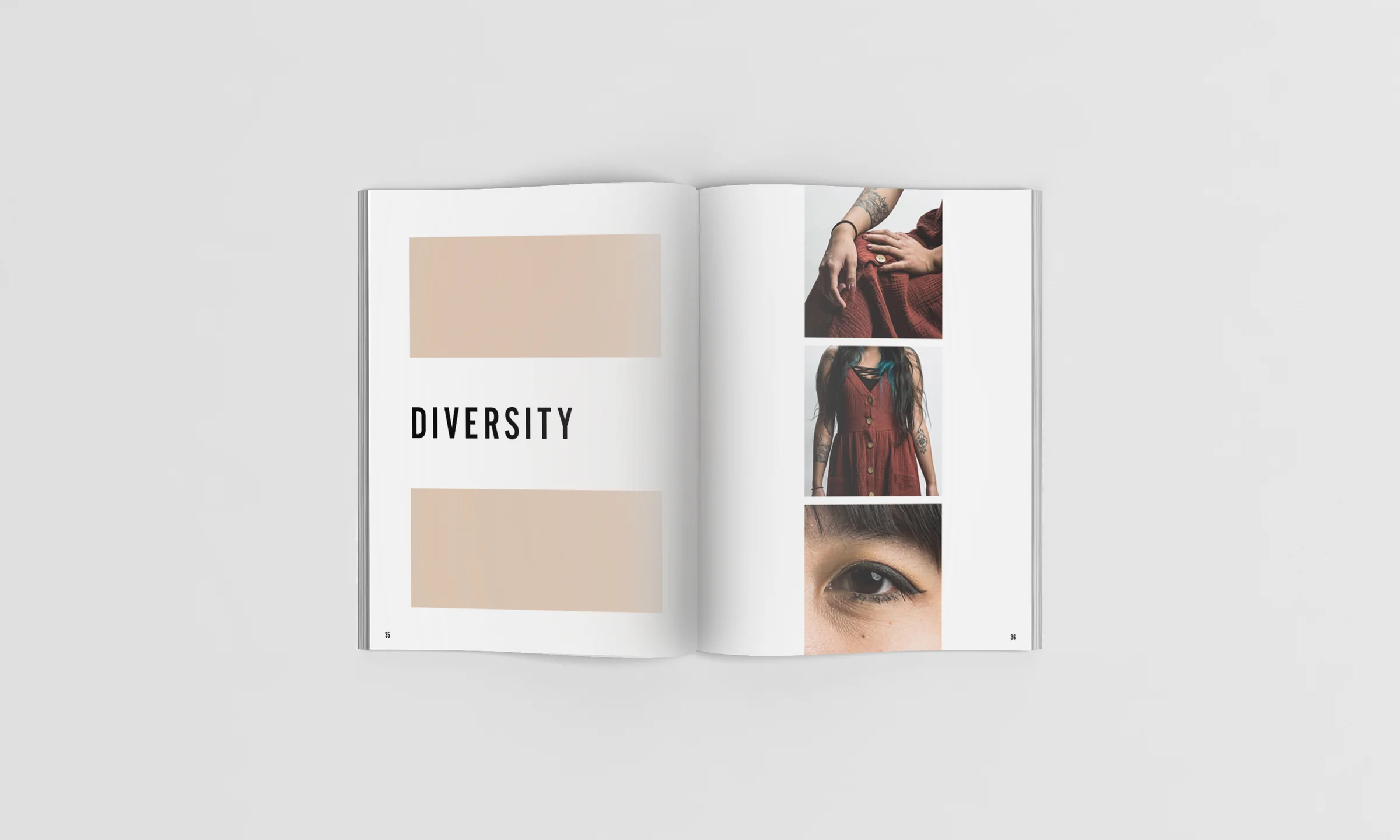
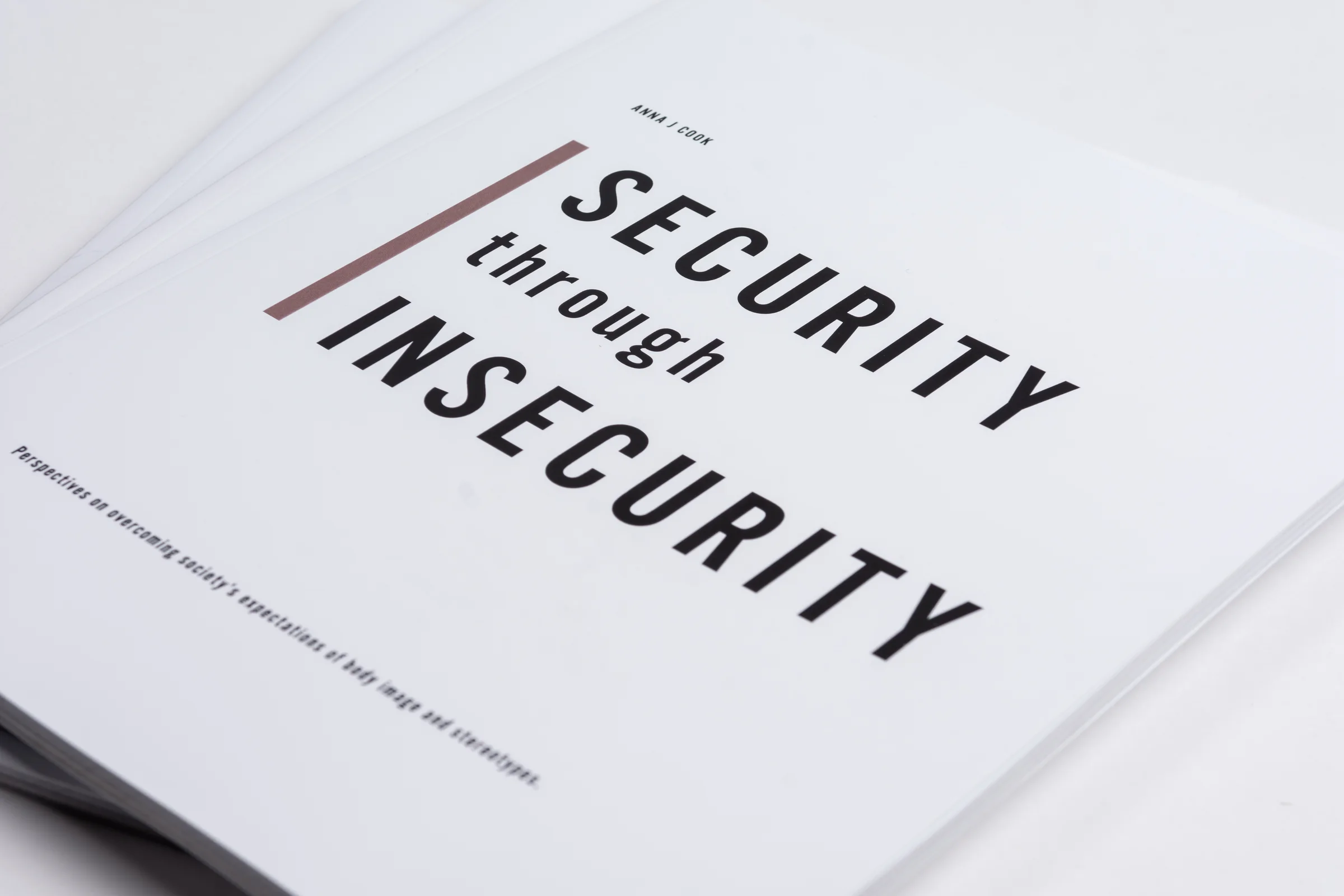
A publication and digital platform examining how advertising and visual culture profit from personal insecurity. Anonymous interviews and documentary portraits became a book centered on transparency, healing, self-acceptance, and more ethical forms of communication, connecting photography, editorial design, storytelling, and public advocacy.
Click any image to view full size
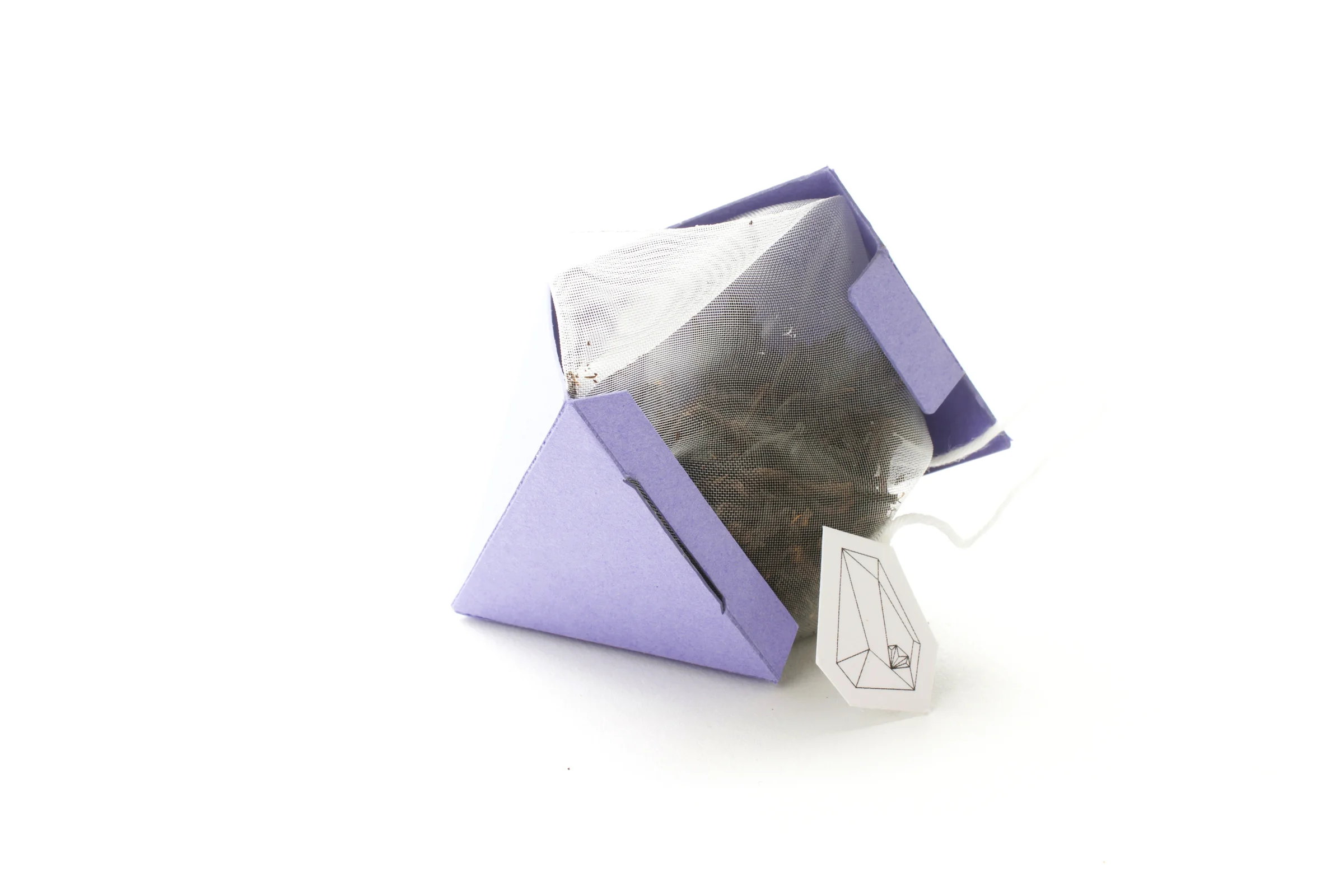
Hidden Gem Tea
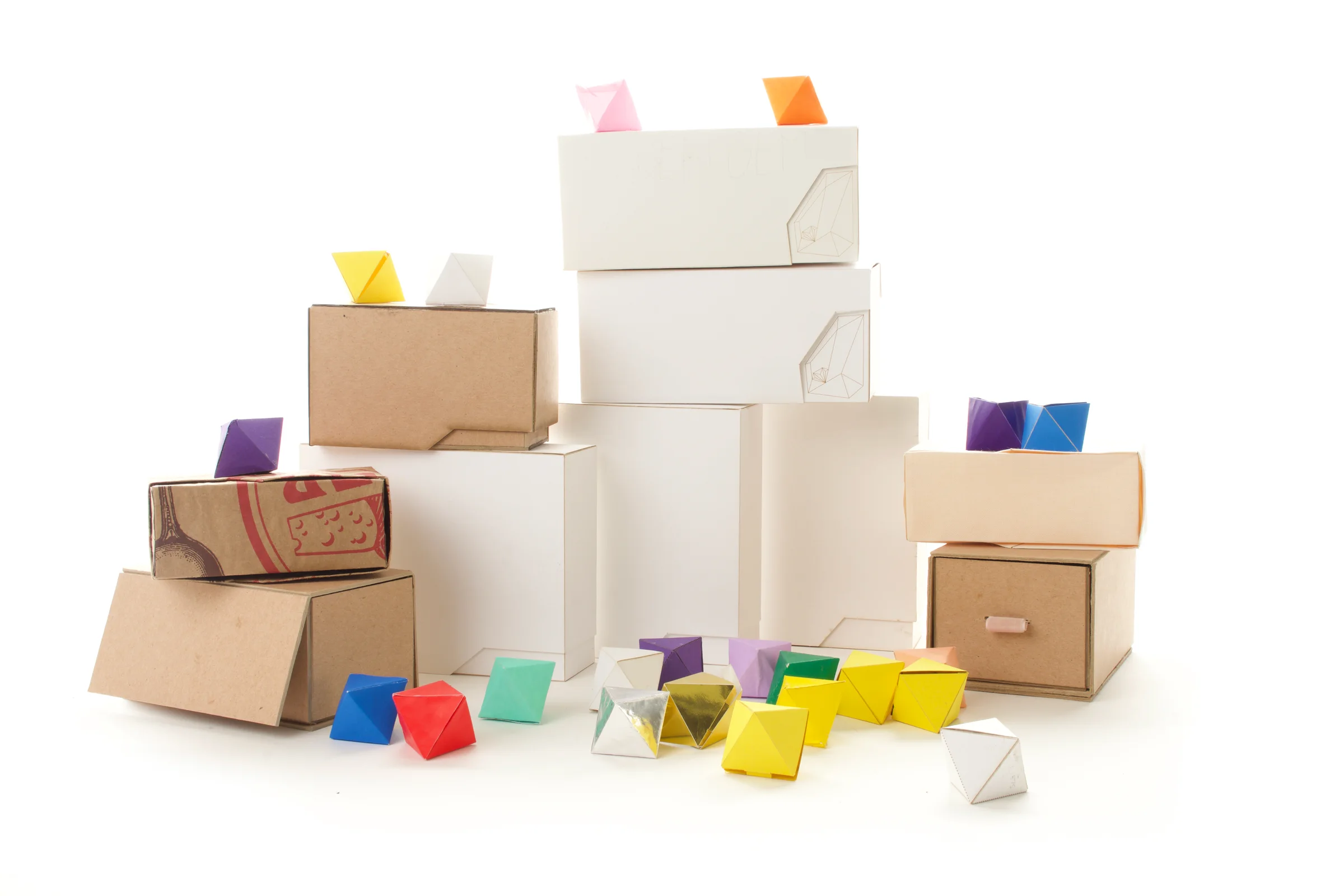
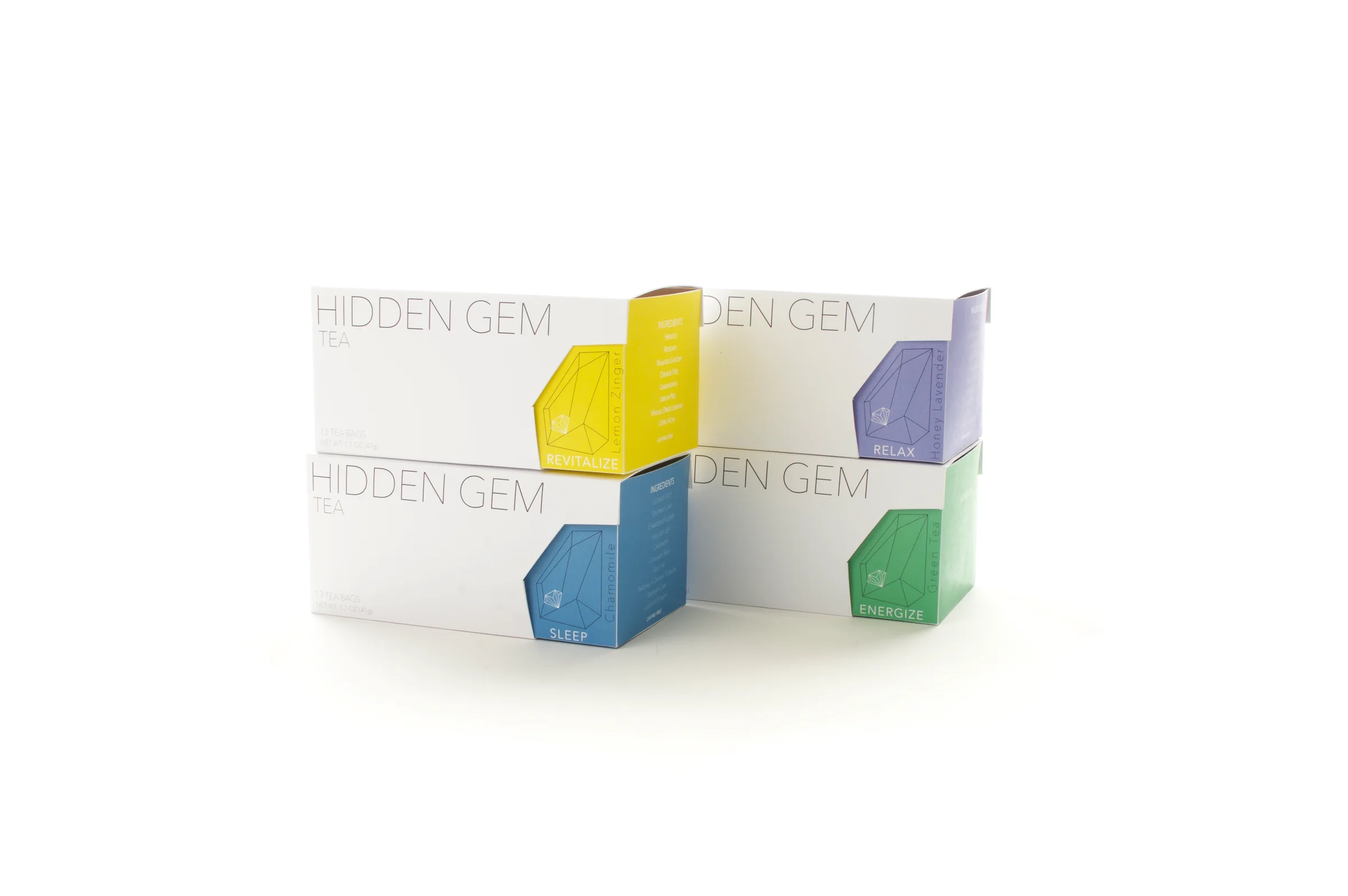
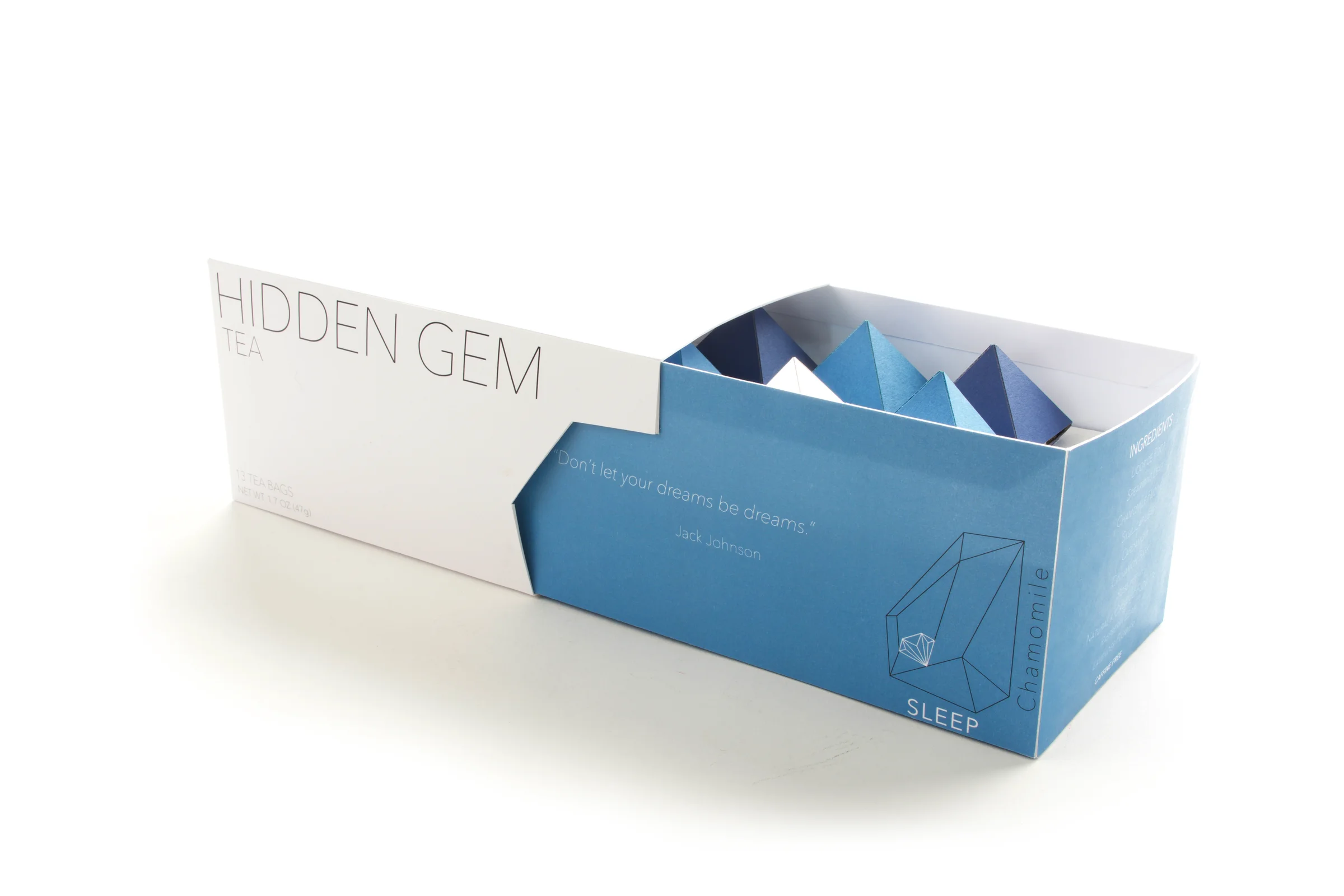
Hidden Gem Tea reimagines tea packaging as an unfolding experience of discovery. Color, geometry, nested components, and a small metallic tea container turn opening the package into a sequence intended to lift mood and create surprise, developed through repeated physical prototypes, material studies, laser-cut revisions, opening tests, and identity development.
Click any image to view full size